
Sushi is primarily rice seasoned with vinegar, and there are many ways to combine it with other foods. Raw fish happens, but it is not required: sushi can be with cooked shrimp, egg, and vegetables. We collected and drew ten different shapes.
1. Nigiri: small rice island
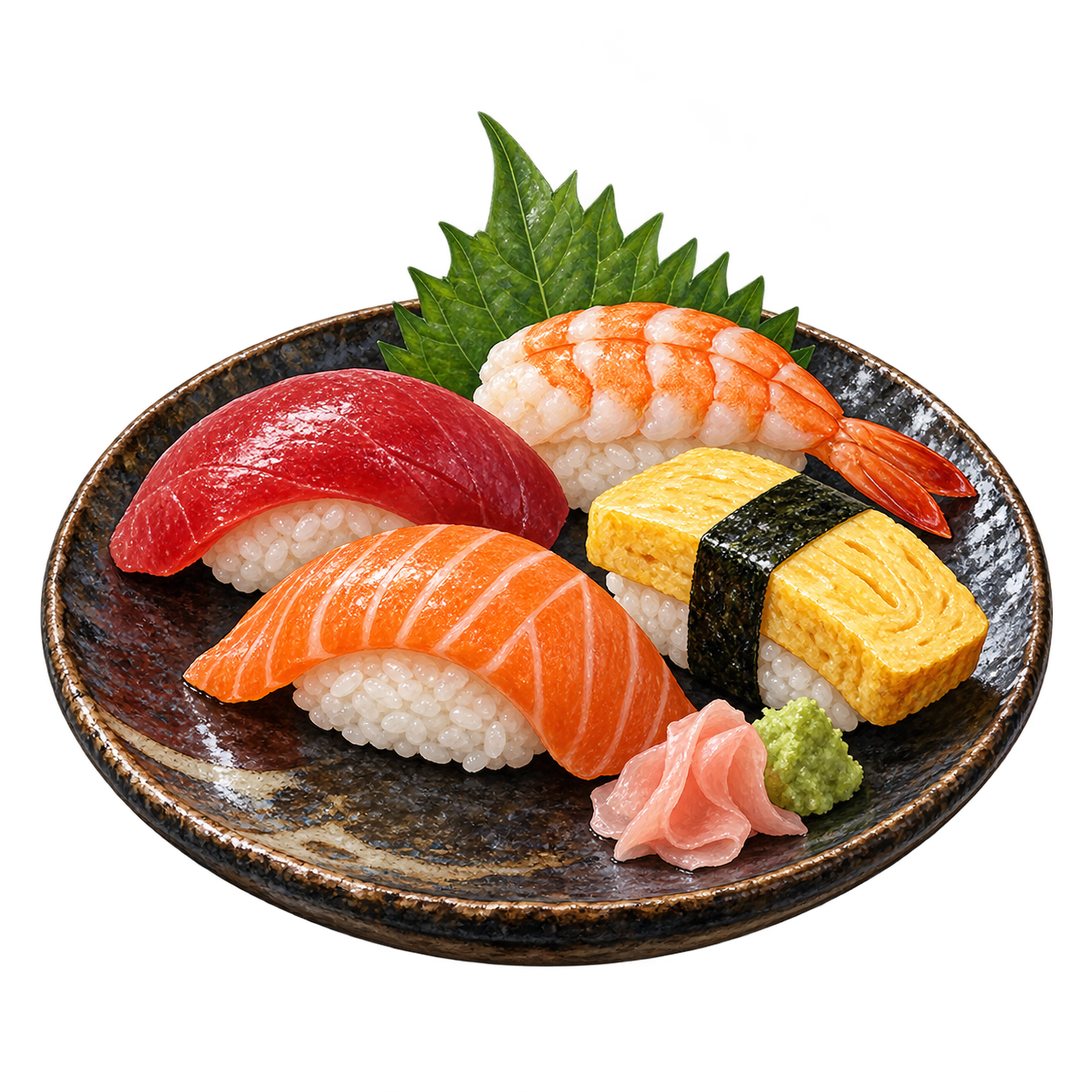
Nigiri-zushi · rice in the palm.
The cook squeezes a small portion of rice in his hand and places the filling on top. What we have here is not a mini fish sandwich, but a thoughtful relationship between rice and the product on top. If a slice of edible fish is replaced by cooked shrimp or a sweetish tamago omelette, the shape will remain nigiri.
Modern nigiri is associated with Edo, today's Tokyo: a quick way to serve cooked rice and fresh produce has become an urban genre. The story doesn't dictate eating nigiri on the run, but it does explain why the shape is so compact.
Remember. Nigiri is recognized by its hand-formed portion of rice with a filling on top.
Source:Official source. Gift “Edo in the palm of your hand” →
2. Gunkan: side for filling
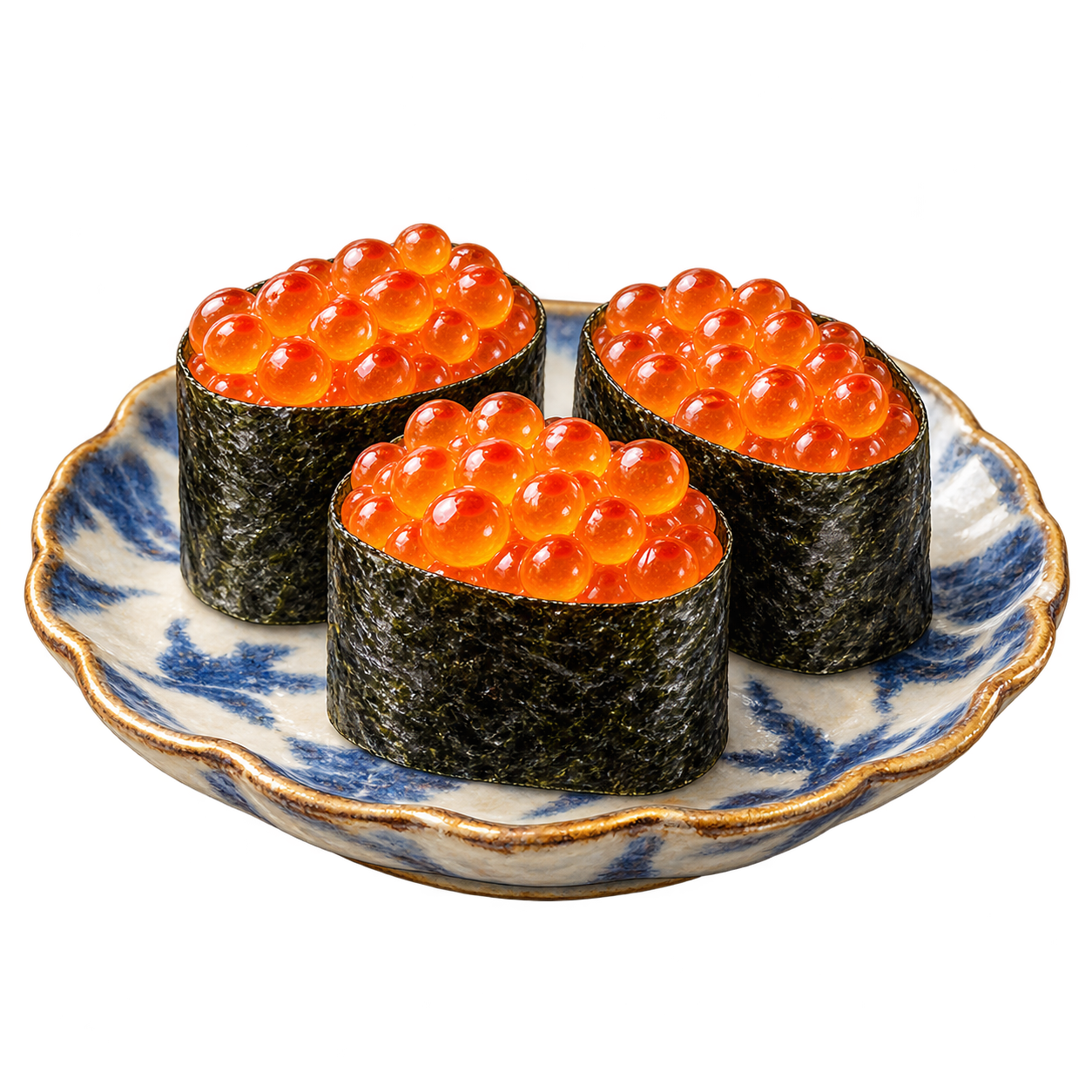
Gunkan-maki · “boat” of rice and nori.
Some fillings cannot simply be placed on rice: the caviar or finely chopped mixture will slip off. Then the rice is wrapped in a vertical strip of nori. It turns out to be a small side that can accommodate even the most unruly filling.
The name is translated as "warship". There is a superficial resemblance to the roll due to the nori, but the design and presentation are closer to an individual piece of sushi than to a long sliced roll.
Remember. The vertical edge of the nori holds the soft or crumbly filling above the rice.
Source:Official source. Gift “Sea Fortress” →
3. Chirashizushi: a holiday without molding
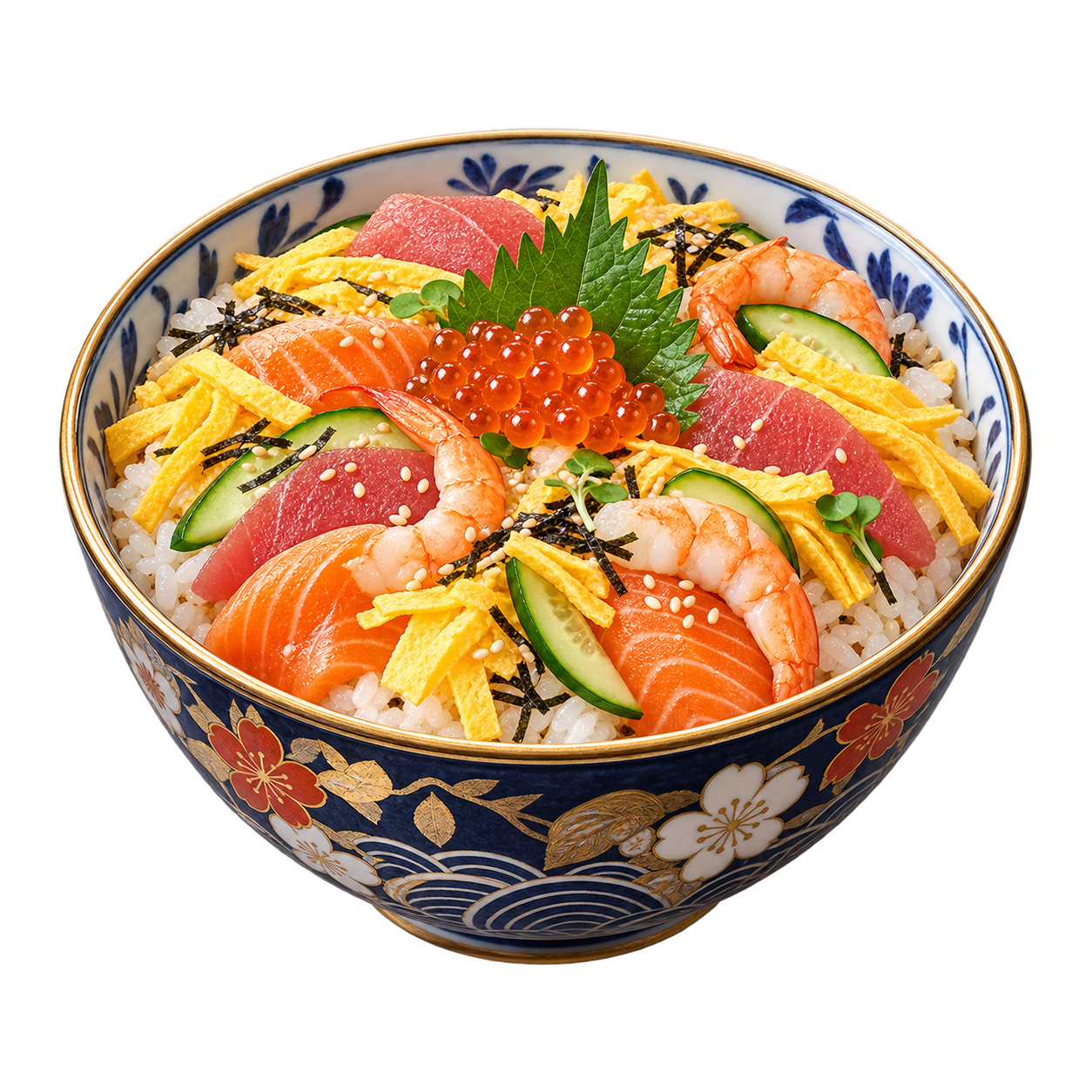
Chirashizushi · “scattered” sushi.
Imagine that the ingredients for several sushi decided to come together not one at a time, but together on rice in a bowl. Fish, vegetables and egg are placed on top, maintaining bright colors and different tastes. They do not need to be rolled or sculpted individually.
The content varies in different places in Japan. The important common thread is the sushi rice underneath the toppings, rather than just any bowl of regular rice and fish.
Remember. Chirashizushi is a dish of rice seasoned with vinegar and topped with toppings.
4. Hosomaki: thin roll
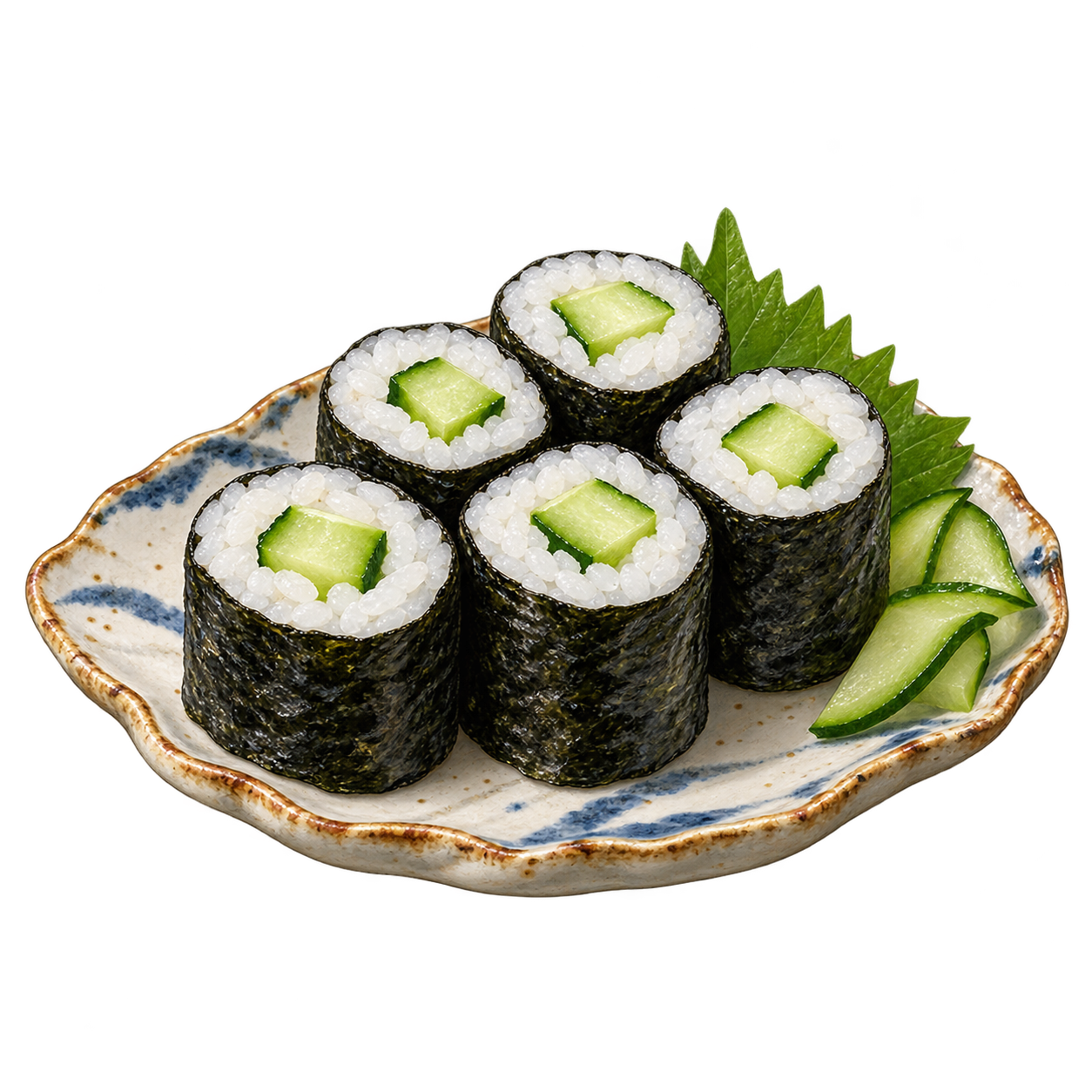
Thin sushi rolls with one filling.
Nori wraps around seasoned rice and one main filling. Cucumber and tuna produce two completely different hosomaki, although they have the same geometry.
Remember. Thin sushi rolls with one filling.
5. Futomaki: wide roll
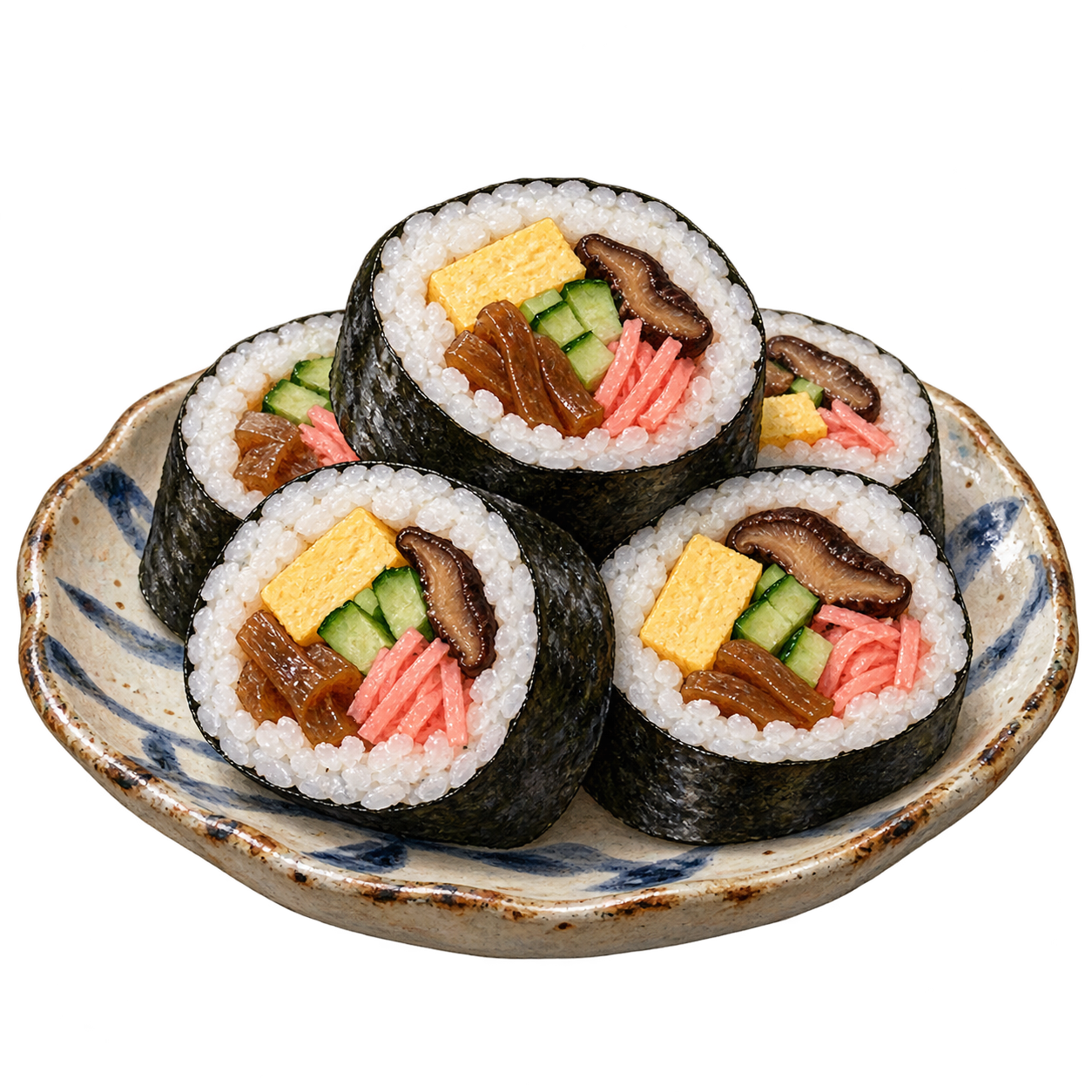
Thick sushi rolls with several fillings.
The larger diameter accommodates several fillings: omelette, cucumber, mushrooms and kanpyo. It is cut into circles so that you can immediately see the multi-colored cut.
Remember. Thick sushi rolls with several fillings.
6. Temaki: cone in the palm
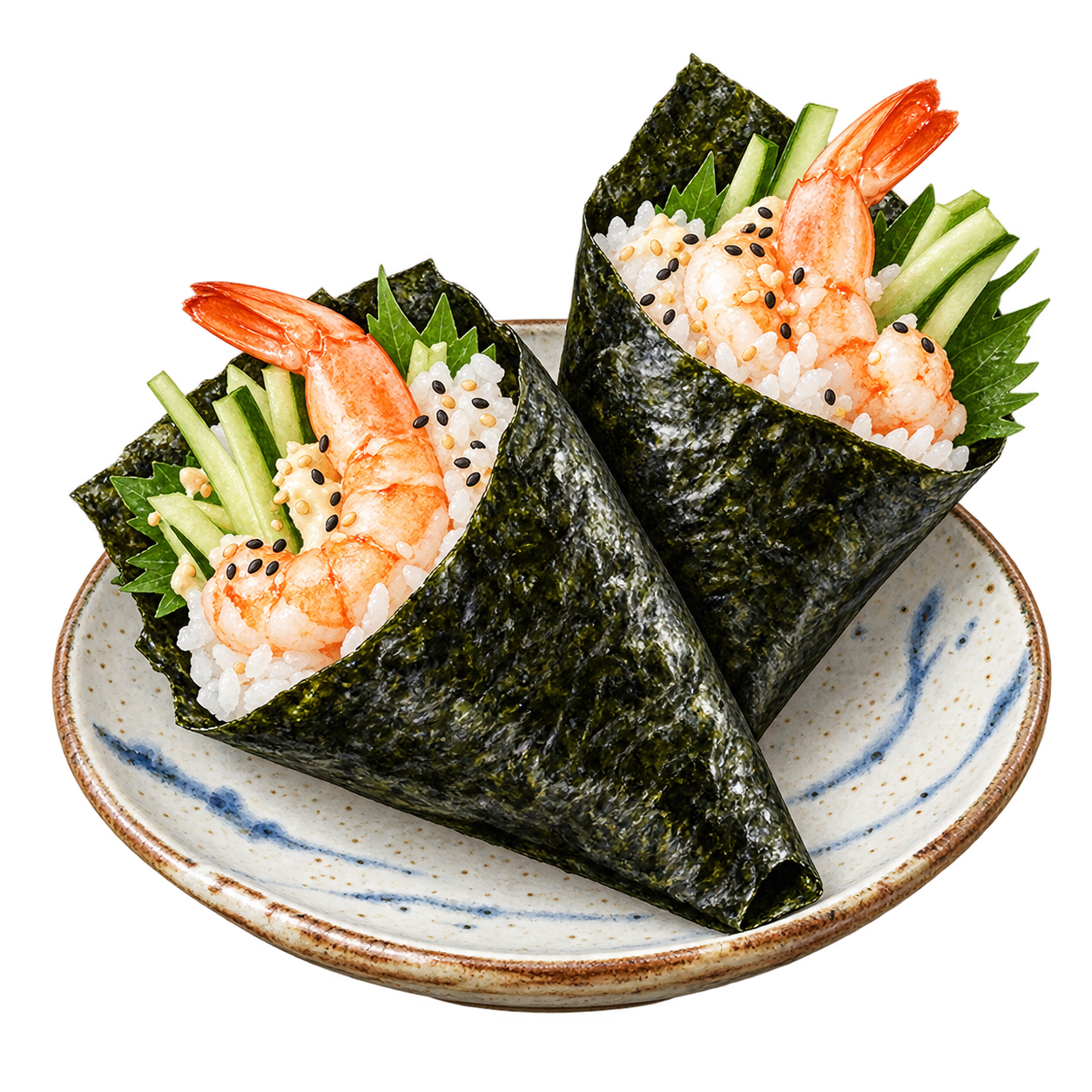
Handmade nori sushi cones.
The nori sheet is rolled by hand into a cone with rice and filling. This maki is eaten whole, without cutting into circles.
Remember. Handmade nori sushi cones.
7. Inari: tofu pocket
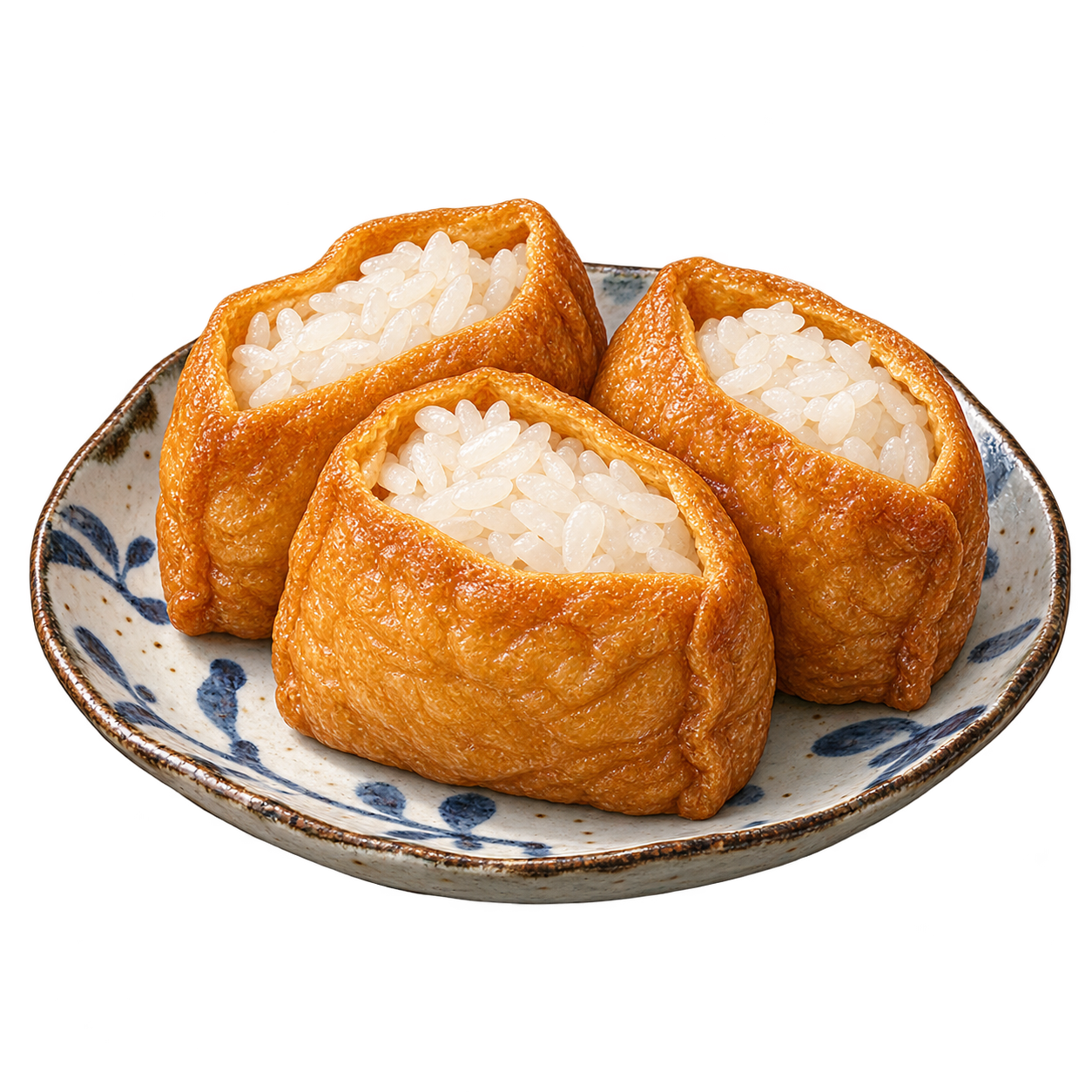
Sushi rice in a tofu pocket.
Seasoned rice is placed in a pocket of fried tofu. This is sushi without the obligatory raw fish and without nori on the outside.
Remember. Sushi rice in a tofu pocket.
8. Oshizushi: pressed rice
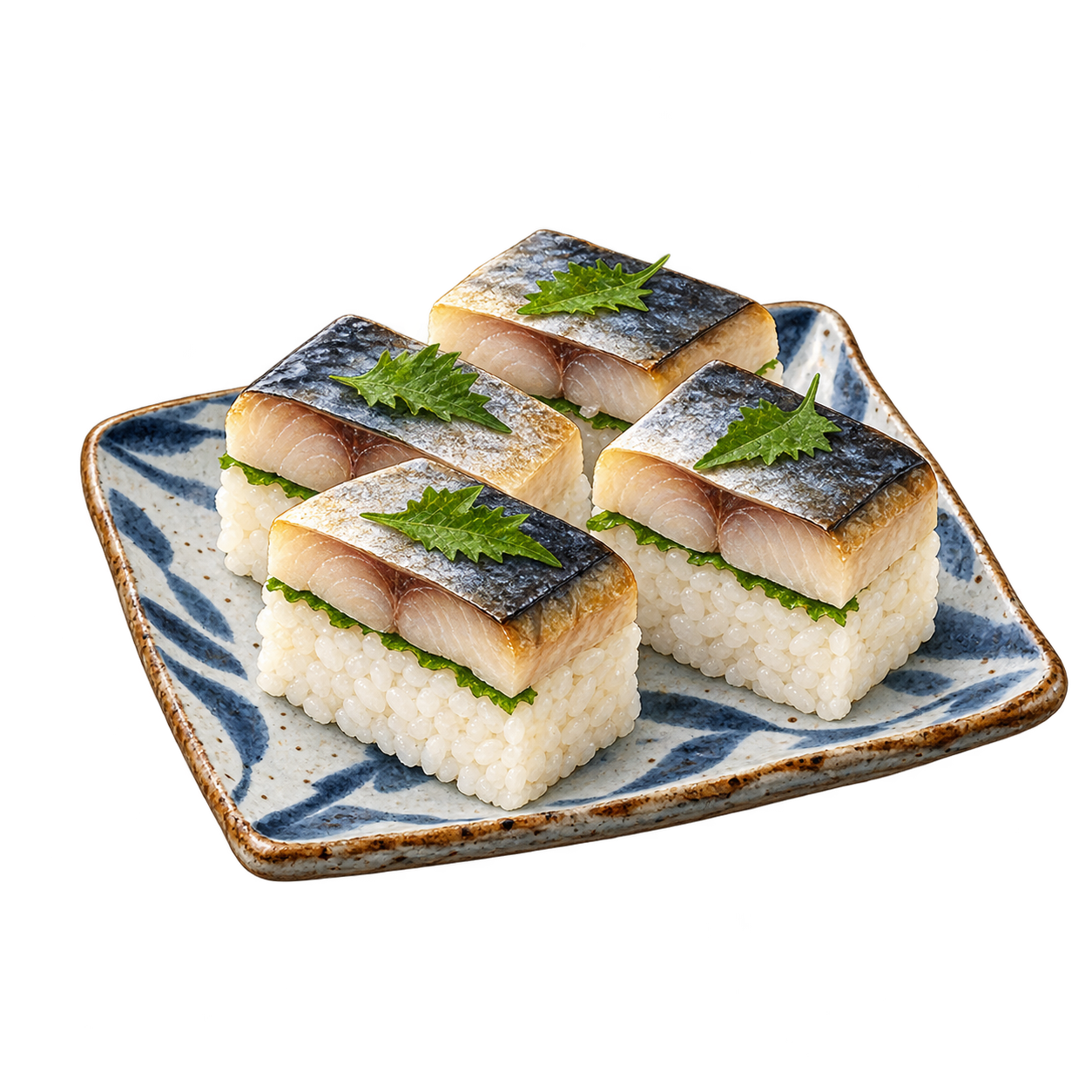
Pressed sushi with straight edges.
Rice and additives are placed in a mold and pressed. Straight edges suggest a cooking method better than any menu.
Remember. Pressed sushi with straight edges.
9. Uramaki: rice on the outside
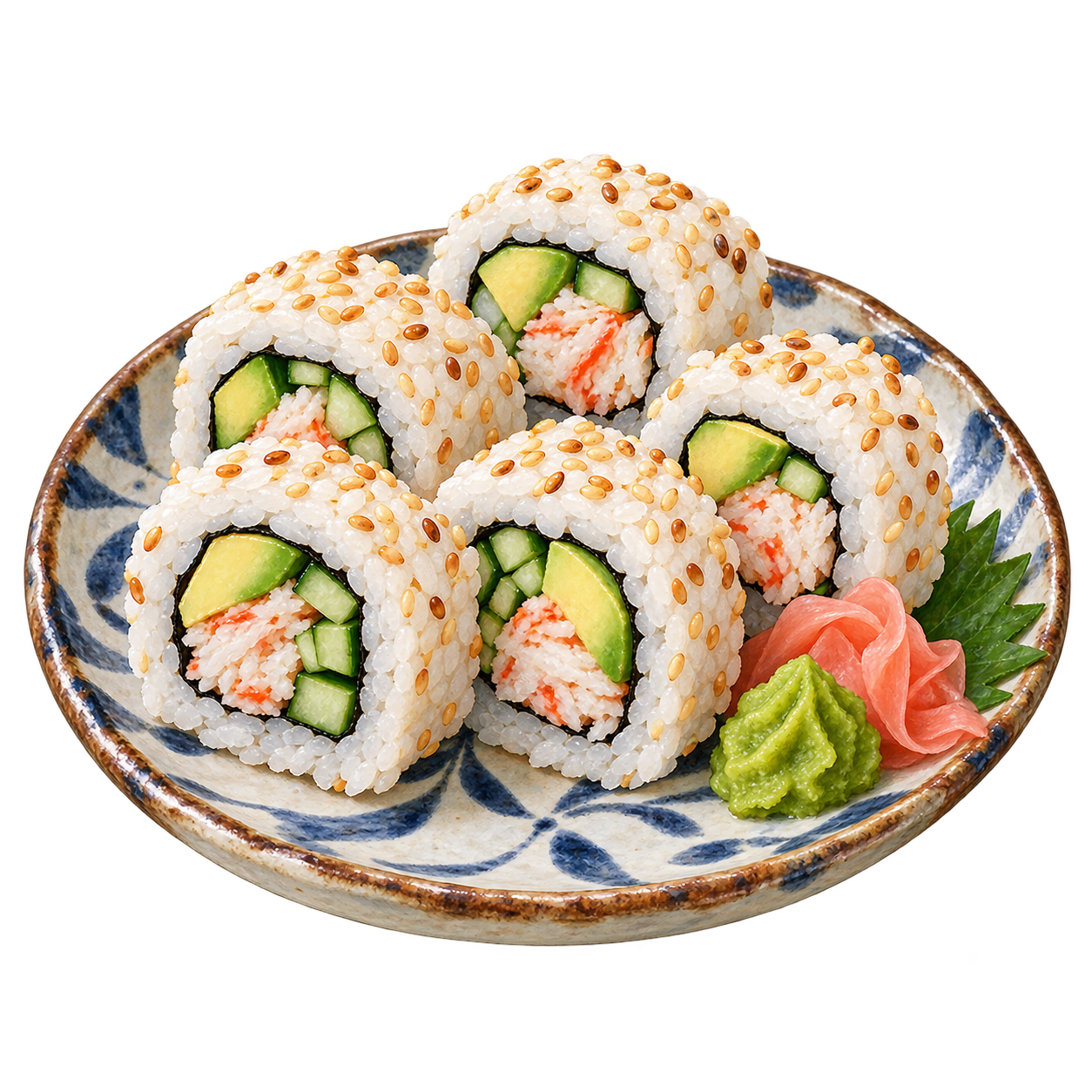
Sushi rolls with rice on the outside.
The roll is turned out so that the nori is closer to the filling, and the rice is on the outside. The California roll has become a famous example of this design.
Remember. Sushi rolls with rice on the outside.
10. Narezushi: trace of fermentation
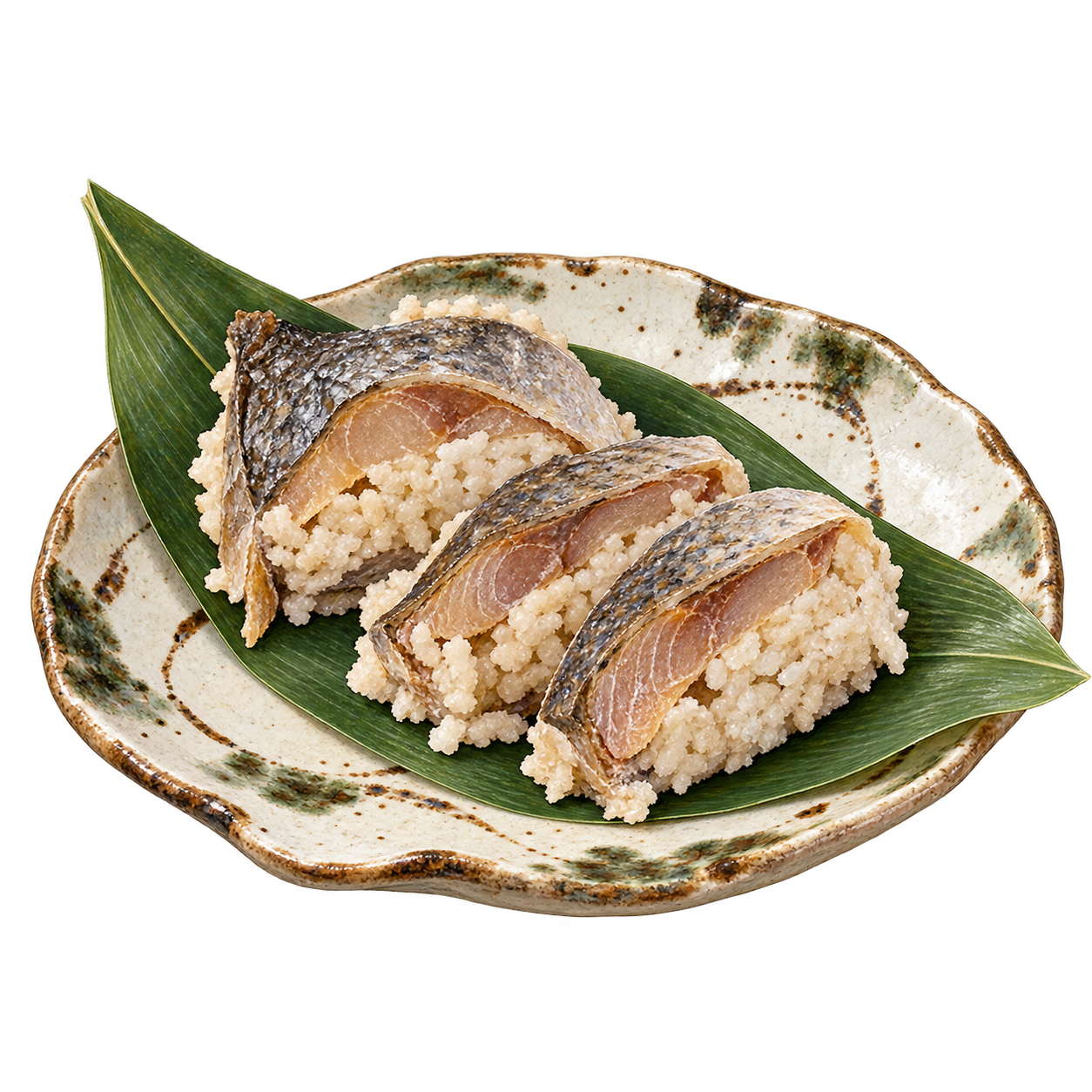
Historical form of sushi with fermented fish.
Older forms of sushi preserved fish through fermentation with rice. They show how far the history of sushi goes from the usual urban nigiri.
Remember. Historical form of sushi with fermented fish.
Ten examples show that sushi is defined by rice, not the obligatory raw fish. Sashimi, on the contrary, is served without rice - a separate article is devoted to it. The raw product requires proper storage and professional preparation: the drawing and article do not replace food safety rules.
Read next: How is sashimi different from sushi? · What types of rolls are there?.