
In part one, flowers hid in caper jars, spices and hibiscus drinks. This time, squash, violets, chives and even feijoa receive an invitation. Each brings its own flavour, edible part and reason to join the table.
Part one: ten stories in which the kitchen disagreed
The talking plants are editorial fiction; botanical information has sources. Use only correctly identified, food-grade species. Washing does not turn florist flowers or chemically treated ornamentals into food. Photographs illustrate the subjects, not a foraging identification guide. Introduce unfamiliar foods in small amounts, taking allergies into account.
1. Squash: dinner before the harvest
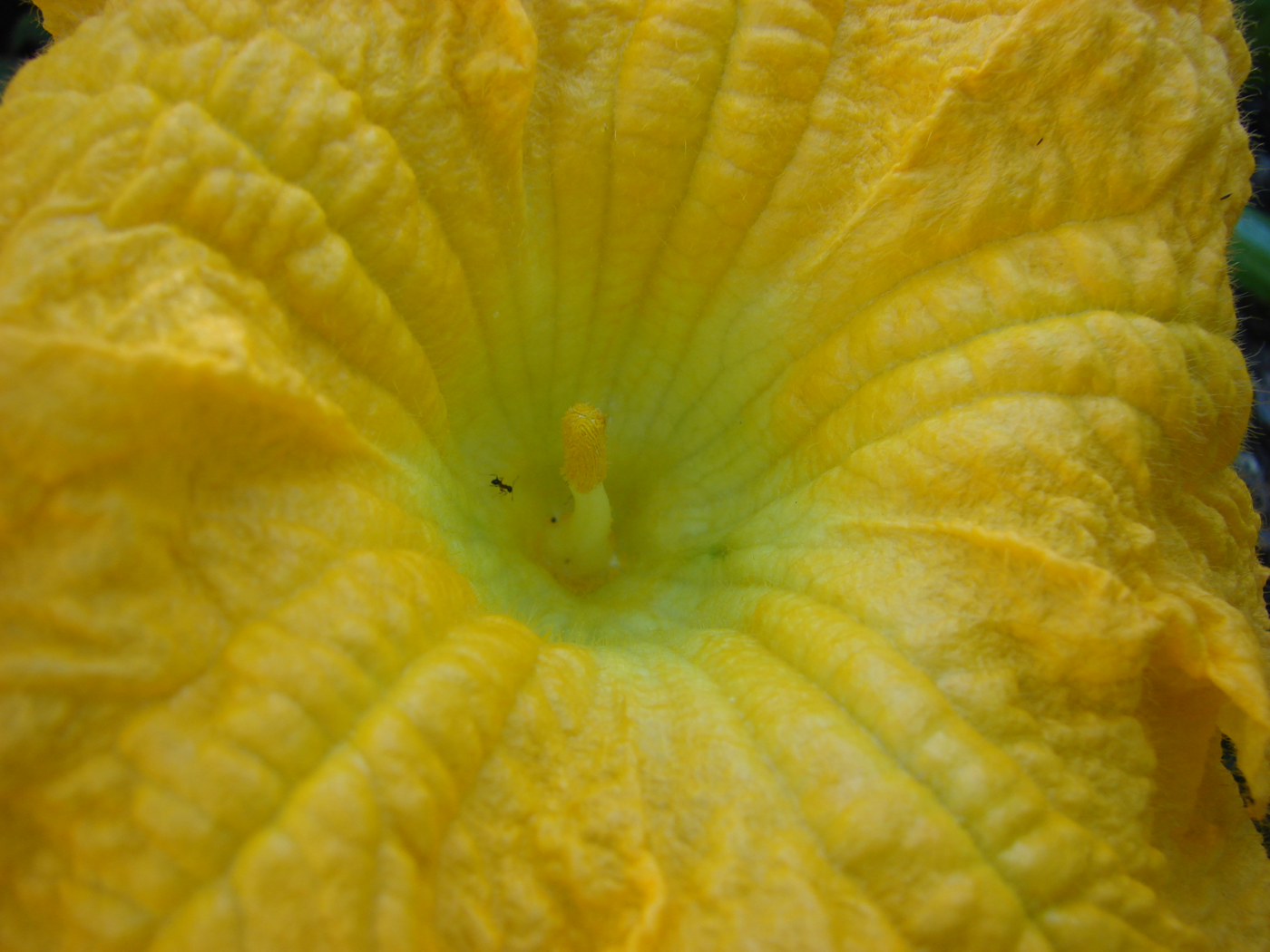
Cucurbita pepo
The squash had barely started growing when the cook set the table. Its yellow flower expected a job decorating napkins. Instead, it received a filling and a place on the menu: a culinary career before the vegetable harvest.
Checked fact. Squash has male and female flowers; the female has a miniature fruit-shaped ovary below it. Harvesters generally choose male flowers, leaving some for pollination.
Culinary part. Flowers of cultivated edible squash can be stuffed or cooked in batter. Use the delicate flowers promptly; ornamental gourds are not included. The photograph shows a male C. pepo flower, not necessarily a zucchini cultivar.
Source 1
Photograph: Forest & Kim Starr · Wikimedia Commons · CC BY 3.0

2. Violet: a confectioner’s tiny jewel
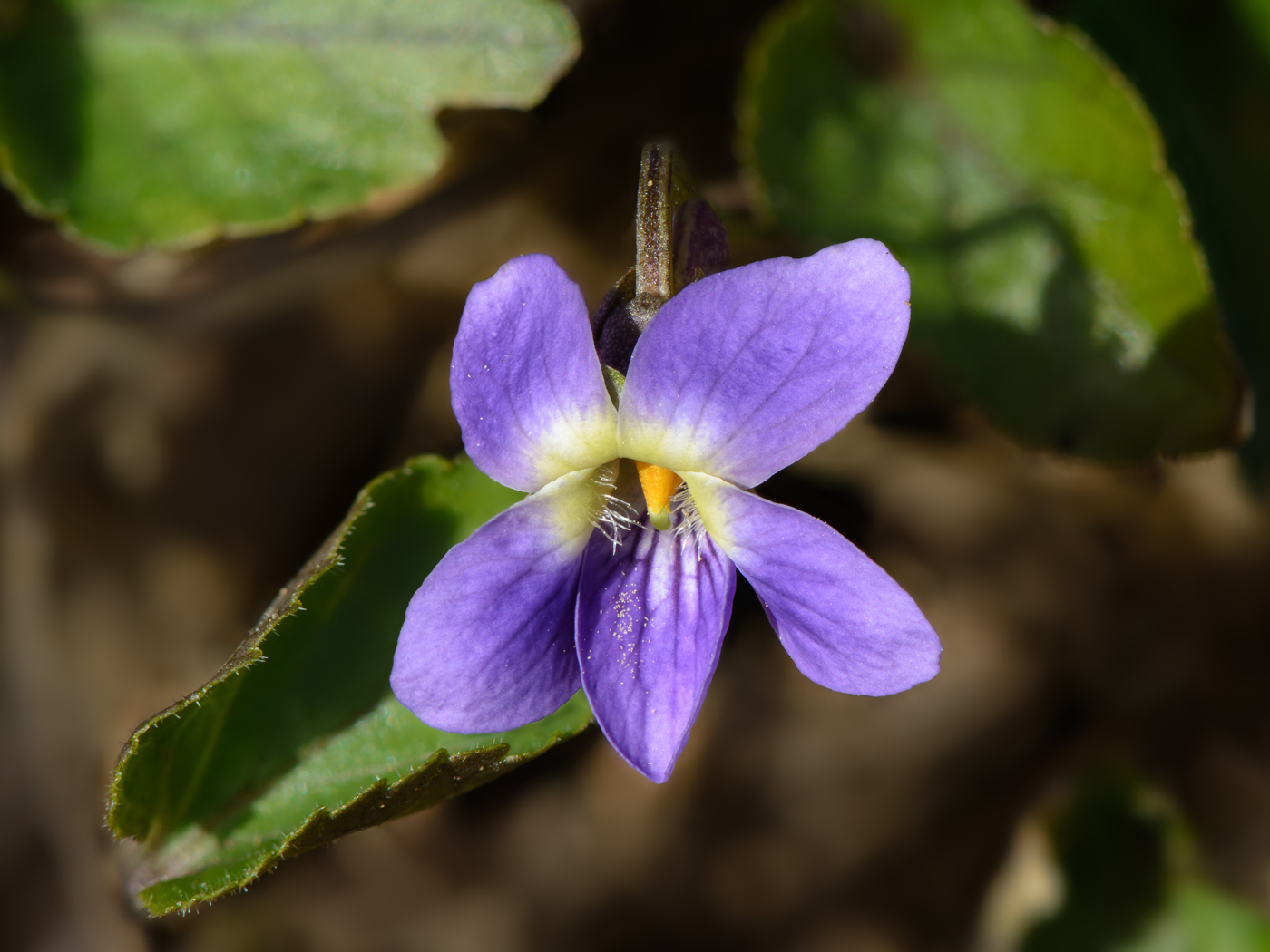
Viola odorata
A violet visited a cake and thought it had reached a jewellery exhibition. Everything glittered with sugar. It received a sparkling coat too, then a tiny place of honour on top of the dessert.
Checked fact. Sweet violets can be candied to decorate desserts. The houseplant called African violet is a different plant, not a culinary substitute.
Culinary part. Use food-grade Viola odorata flowers. The subject is a particular edible species, not any pot of purple blossoms; use a tested food-safe method for candying.
Source 1 · Source 2
Photograph: Uoaei1 · Wikimedia Commons · CC BY-SA 4.0

3. Chives: a bouquet with an onion personality
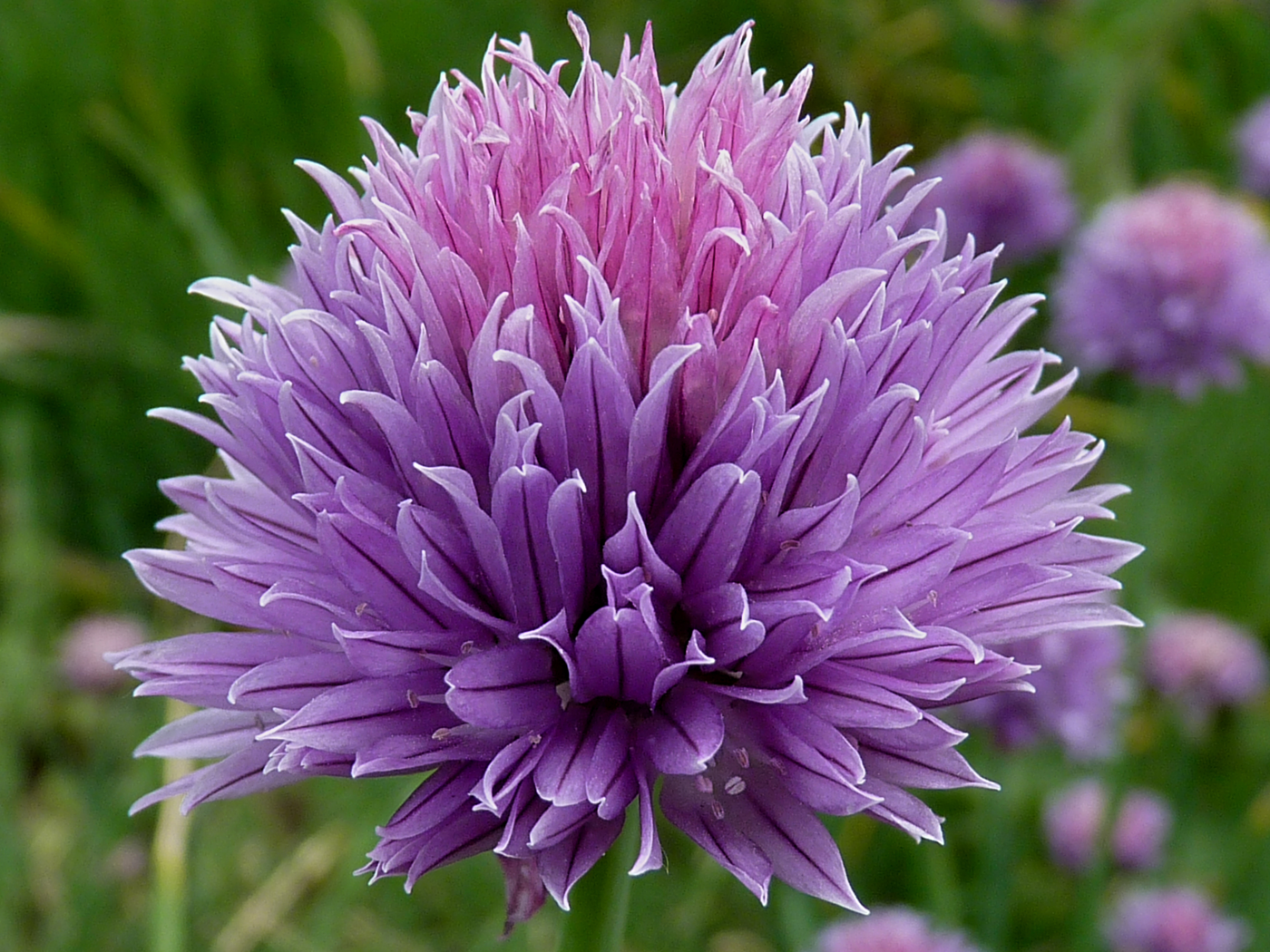
Allium schoenoprasum
The purple pompom looked dressed for a wedding. The salad expected a sweet floral guest. Instead, it met an onion relative who saw no reason to change profession just because it had dressed up.
Checked fact. Chives have edible lavender flowers as well as hollow leaves.
Culinary part. The small flowers can accompany a salad. This is Allium schoenoprasum; white-flowered garlic chives belong to a different species.
Source 1 · Source 2
Photograph: Jamain · Wikimedia Commons · CC BY-SA 3.0

4. Dill: an umbrella that needs no rain
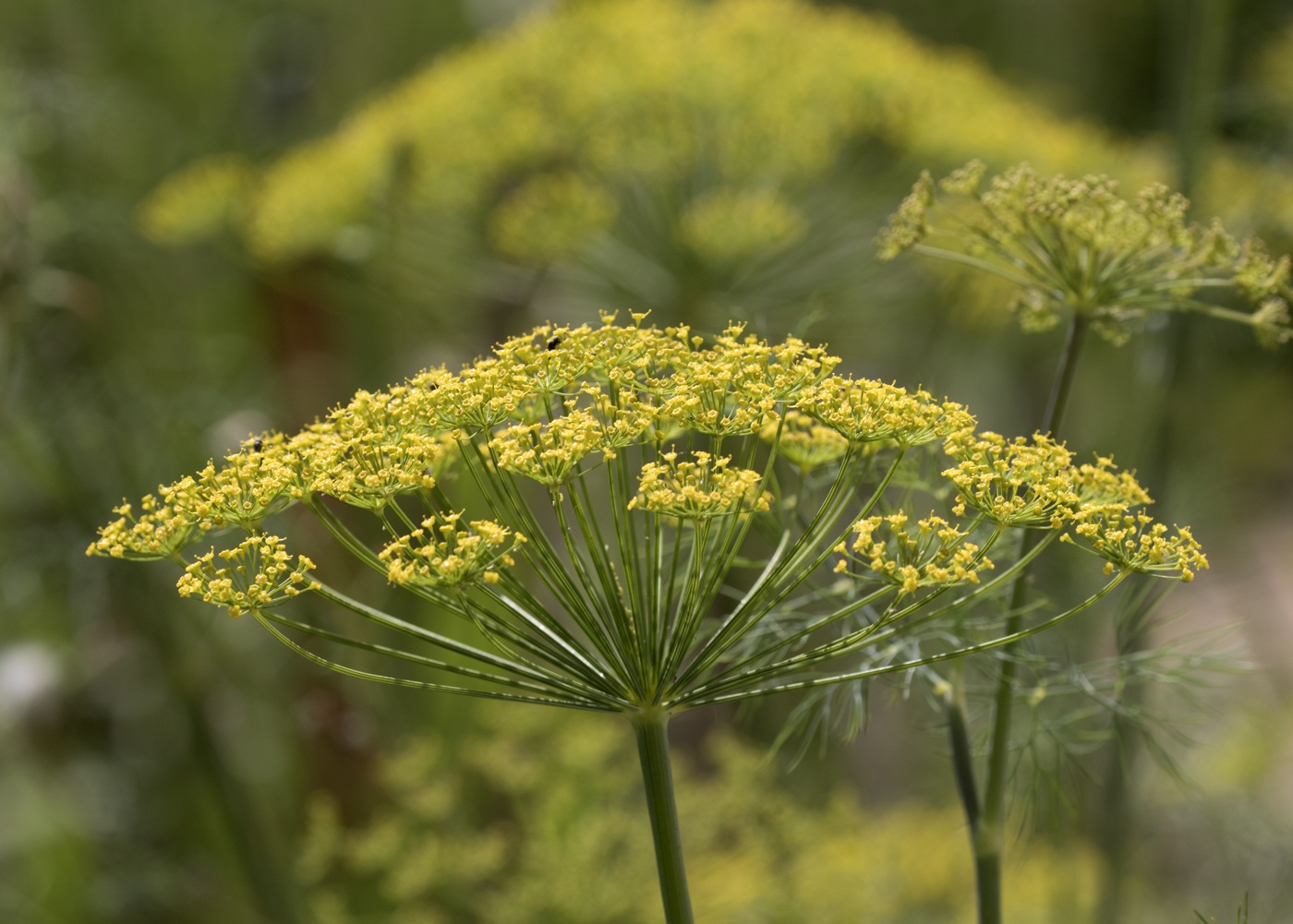
Anethum graveolens
Dill opened a yellow umbrella above the vegetable bed. The cucumbers expected rain. But the umbrella had an appointment in a pickle jar: sometimes summer accessories have a second career as seasoning.
Checked fact. Dill leaves, seeds and flowers have culinary uses, including pickling. A flowering umbel is not yet a head of ripe seeds.
Culinary part. Flowers can flavour sauces and fish dishes. For preserves, follow a tested recipe: aromatic additions do not replace required acidity or processing.
Source 1
Photograph: Zeynel Cebeci · Wikimedia Commons · CC BY-SA 4.0

5. Carnation: the namesake finally speaks
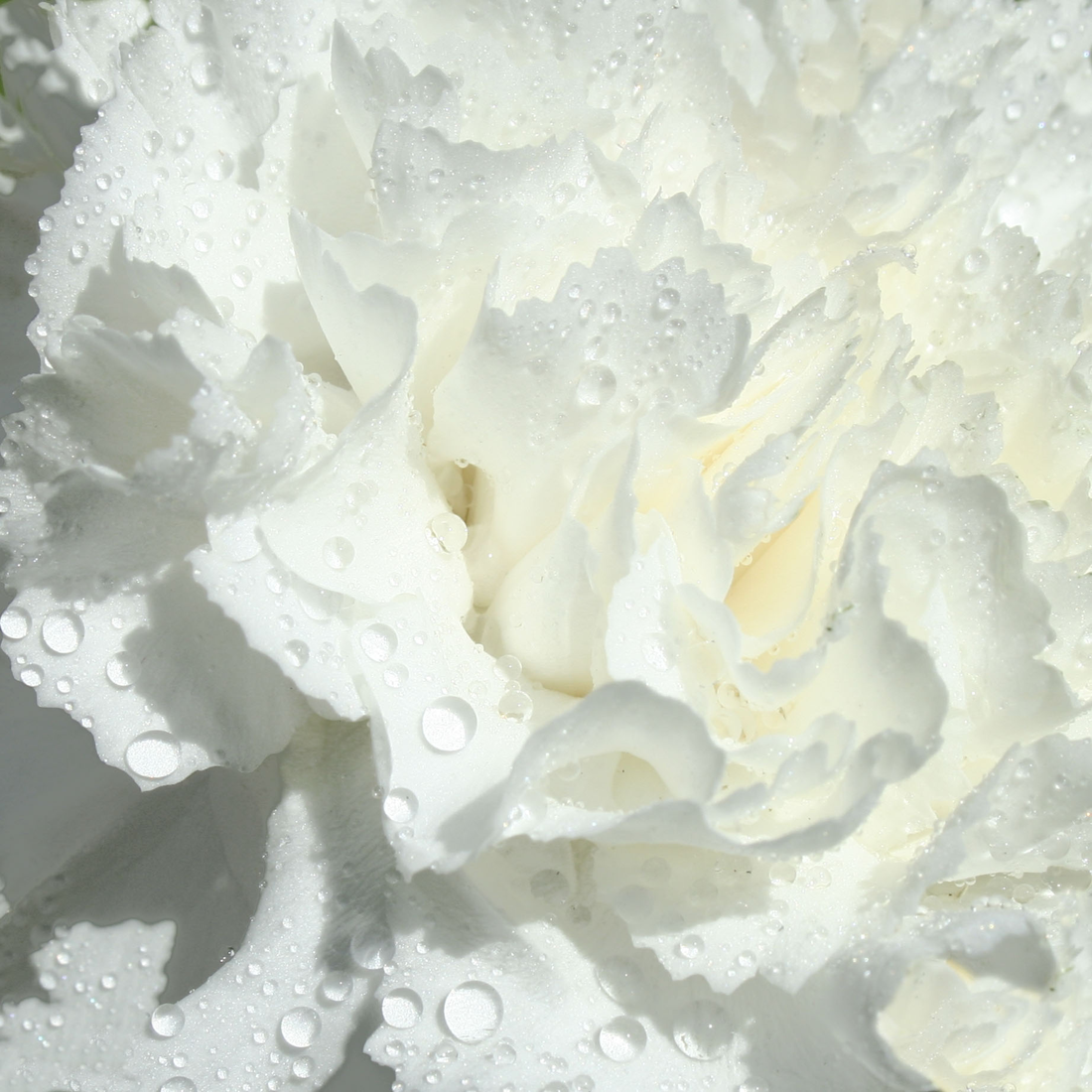
Dianthus caryophyllus
In part one, clove arrived as a spice from a tropical tree. The garden carnation wanted its own invitation. It came wearing fringed petals and politely explained that sharing a name in some languages does not make two plants interchangeable.
Checked fact. Garden pinks and carnations, Dianthus, differ from the clove tree, Syzygium aromaticum. Culinary petals have their bitter white bases removed.
Culinary part. Food-grade petals provide a small floral accent. Florist bouquets are not a source of culinary petals, even when the species name matches.
Source 1
Photograph: Takkk · Wikimedia Commons · CC BY-SA 3.0

6. Bee balm: a tea guest with untidy hair
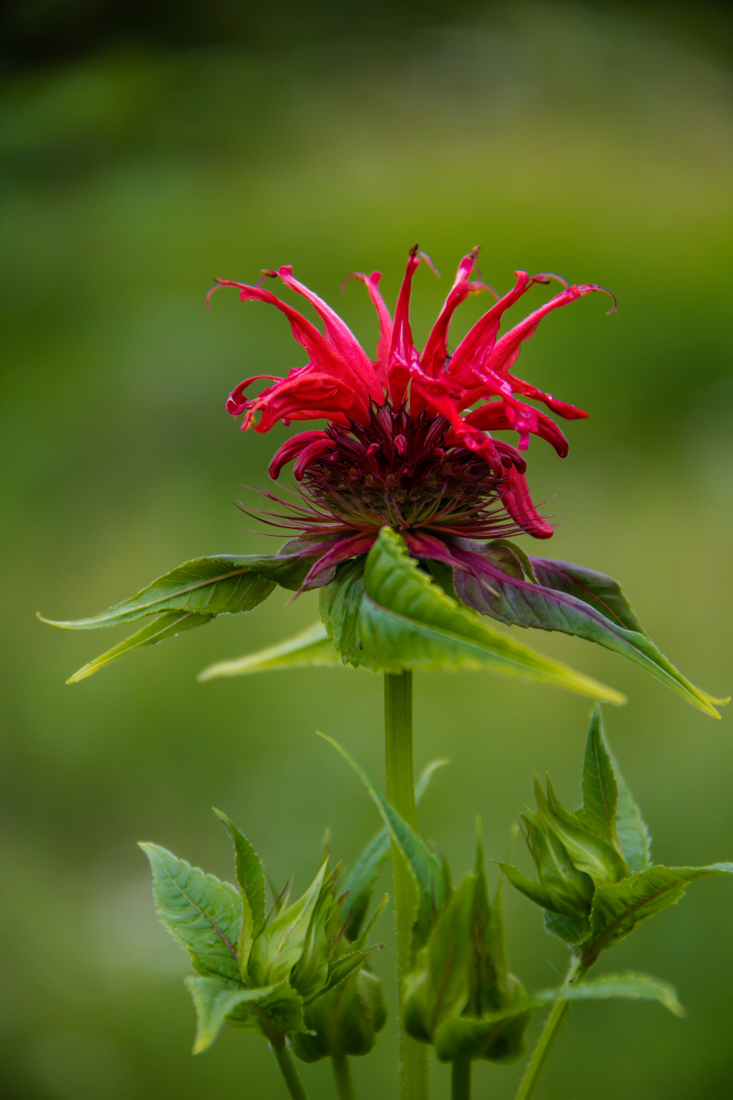
Monarda didyma
Bee balm arrived looking as if it had argued with the wind about its hair. It introduced itself as bergamot and confused the tea party immediately. A Latin name helped: a charming nickname is not a botanical passport.
Checked fact. Monarda didyma belongs to the mint family and has edible flowers. Bergamot is among its English names, but the plant is not a citrus tree.
Culinary part. Food-grade flowers provide a spicy aroma and can flavour drinks. The photograph shows scarlet bee balm, not the citrus bergamot associated with Earl Grey.
Source 1 · Source 2
Photograph: Susanne Nilsson · Wikimedia Commons · CC BY-SA 2.0

7. Rocket: the salad starts flowering
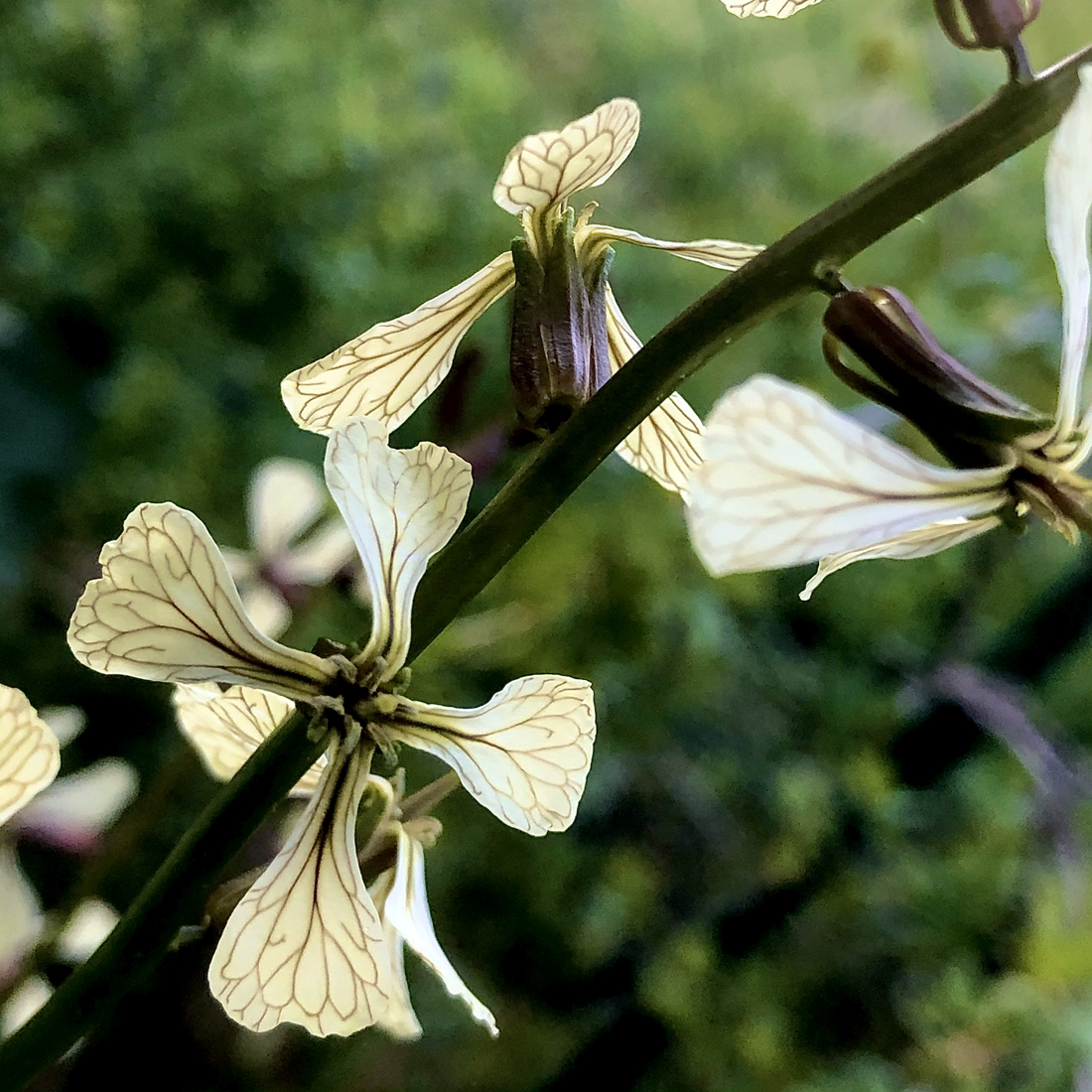
Eruca vesicaria subsp. sativa (Eruca sativa)
Rocket grew tired of being a bunch of leaves and put on pale flowers with dark veins. The gardener called it bolting. The salad preferred to call it a new chapter: a different costume, the same lively character.
Checked fact. Salad rocket flowers are edible and retain a peppery bite.
Culinary part. Small flowers can accompany a salad. Do not treat every plant called rocket as the same species; common names are not botanical identification.
Source 1 · Source 2
Photograph: Nimmerwelk · Wikimedia Commons · CC BY 4.0

8. Radish: the story continues above ground
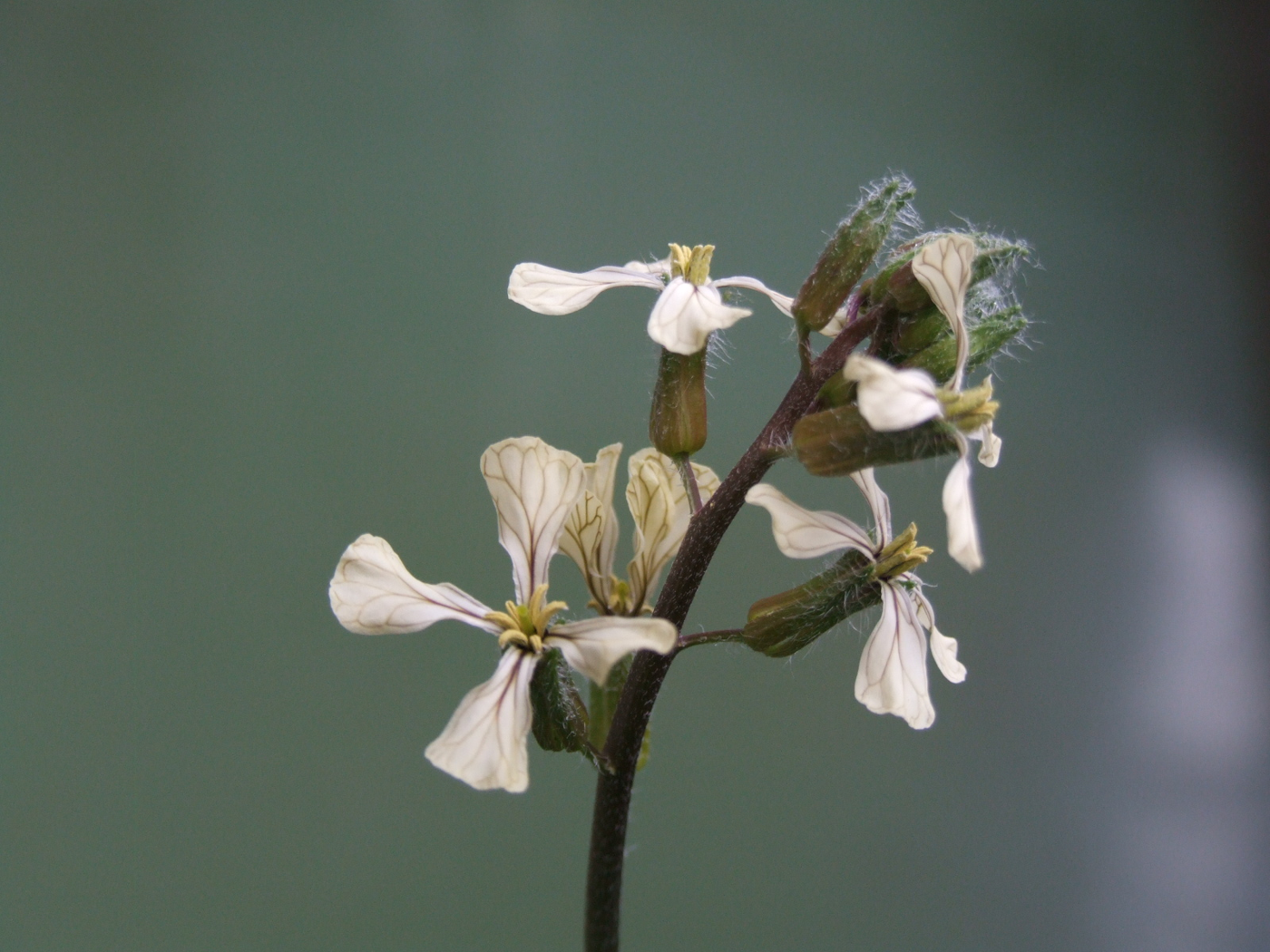
Raphanus sativus
Radish was used to being judged by its root. Above ground, a small premiere was under way. Pale flowers appeared with a message: the spicy personality runs in the family. The vegetable had found another route into a salad.
Checked fact. Cultivated radish flowers are edible and have a spicy flavour.
Culinary part. Use them as a small flavour accent. The photograph depicts Raphanus sativus; resemblance alone does not identify an unknown edible plant.
Source 1
Photograph: Kinori · Wikimedia Commons · Public domain

9. Daisy: a small role in a big salad
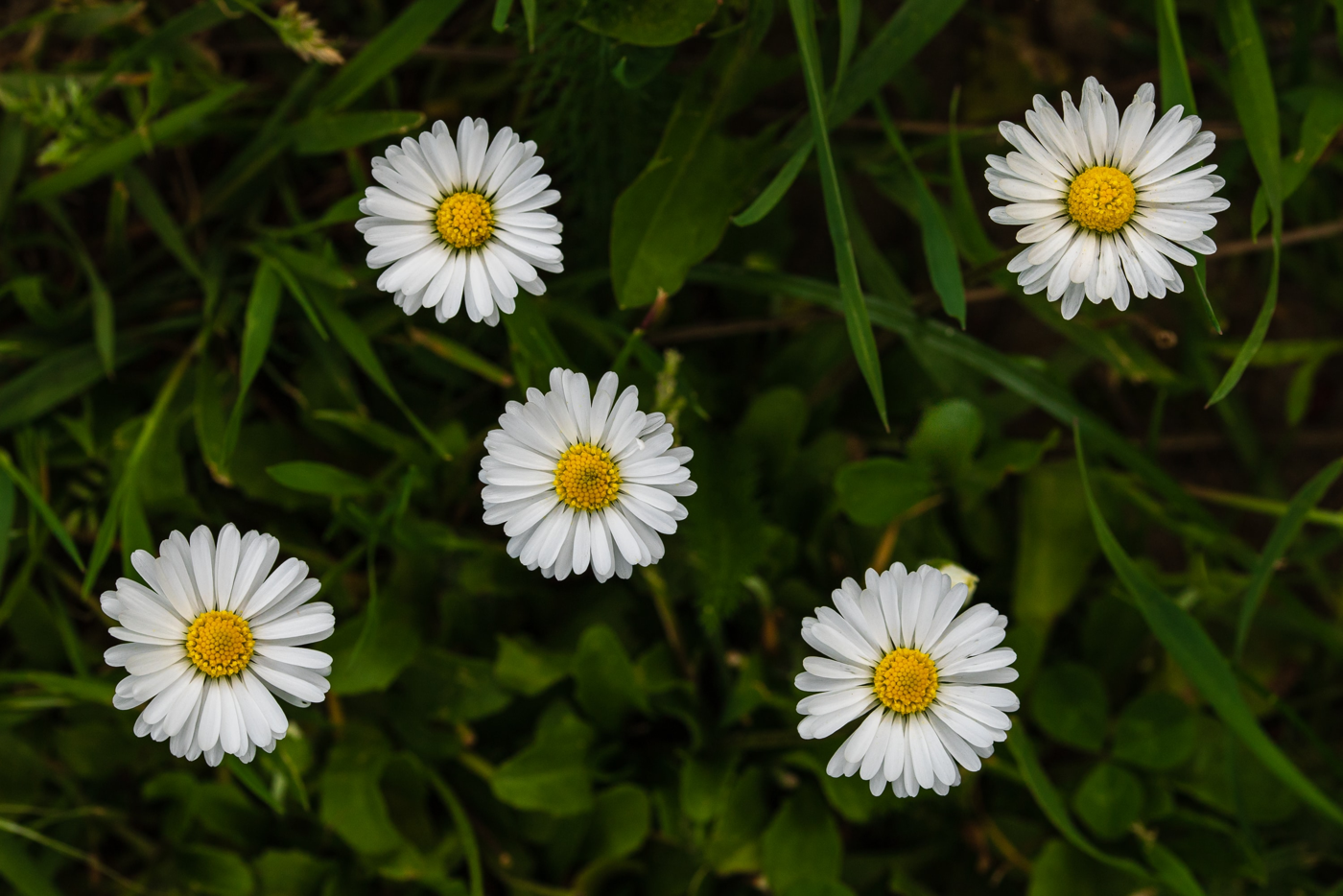
Bellis perennis
The daisy asked for neither a separate plate nor a grand introduction. A corner of the salad was enough. Flavour need not shout: sometimes a small role makes an ordinary lunch feel less ordinary.
Checked fact. Bellis perennis petals can garnish salads and cakes; their flavour is mild.
Culinary part. The subject is food-grade Bellis perennis. The English word daisy describes different plants and is not permission to eat them all.
Source 1
Photograph: Friedrich Haag · Wikimedia Commons · CC BY-SA 4.0

10. Feijoa: dessert before the fruit
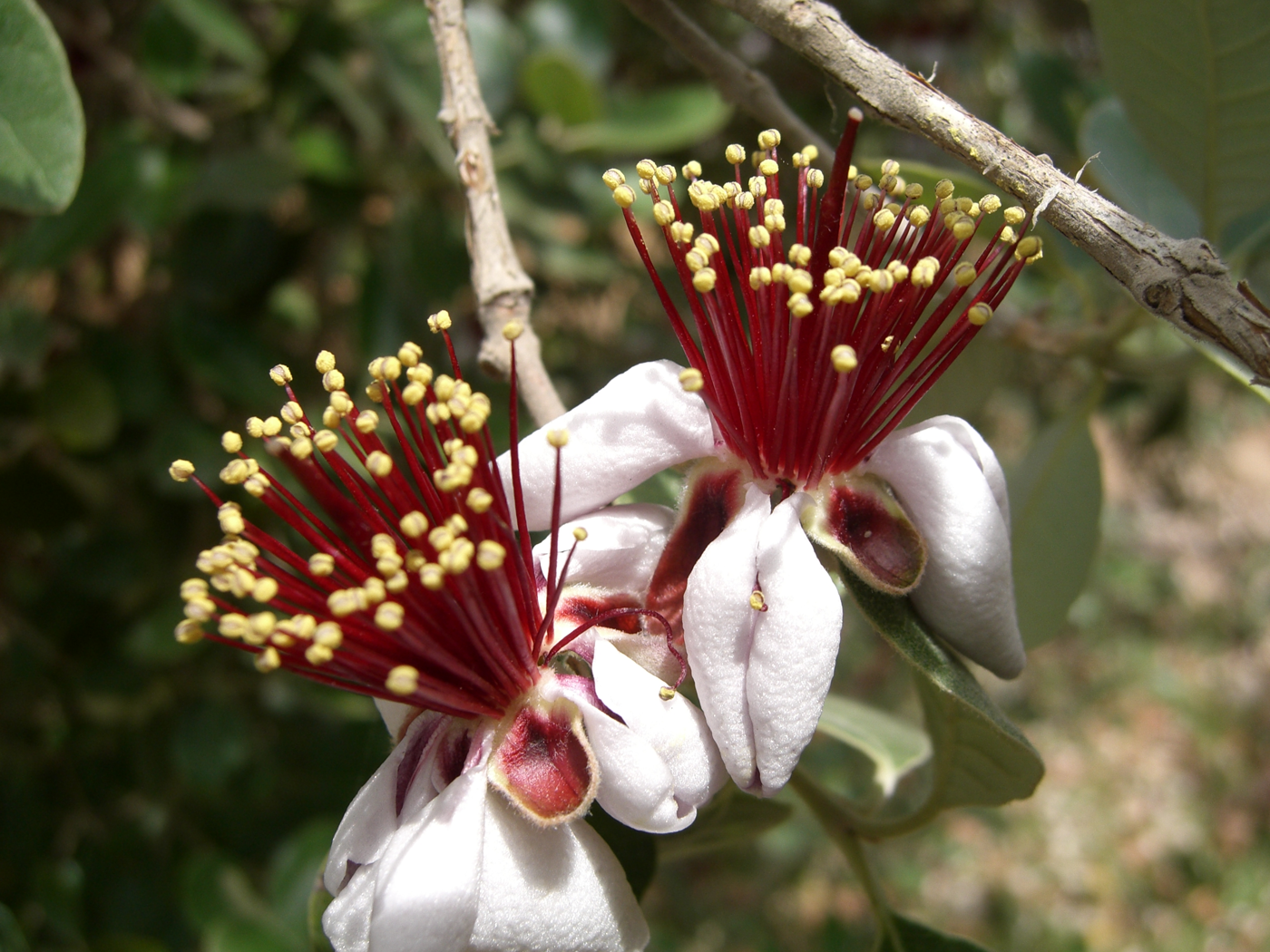
Acca sellowiana (Feijoa sellowiana)
Feijoa listened patiently while everyone discussed its green fruit. Then it opened pale pink-and-white petals around bright red stamens. The audience had been looking too far ahead: sometimes the sweet part of a story arrives before the fruit.
Checked fact. Feijoa has edible fleshy petals. RHS compares the flowers’ sweetness to marshmallows; that is a flavour description, not a guarantee that everyone will taste the same thing.
Culinary part. Food-grade petals can provide a small dessert accent; branches and leaves are not included. The photograph distinguishes the pale petals from the red stamens.
Source 1
Photograph: user:yelod - wikimedia commons משתמש:ילוד - ויקיפדיה העיברית · Wikimedia Commons · CC BY-SA 3.0

The vase and plate keep talking
The kitchen does not need every flower to become a salad. One supplies seasoning, another decoration, a third an entire dish. The pleasure lies in discovering another story in a familiar plant.