
Beyond sushi there is a whole world of ordinary Japanese food. Ten short stories show rice, soup, noodles, hot plates and little skewers without pretending that every family cooks the same way.
1. Onigiri: Rice you can take with you
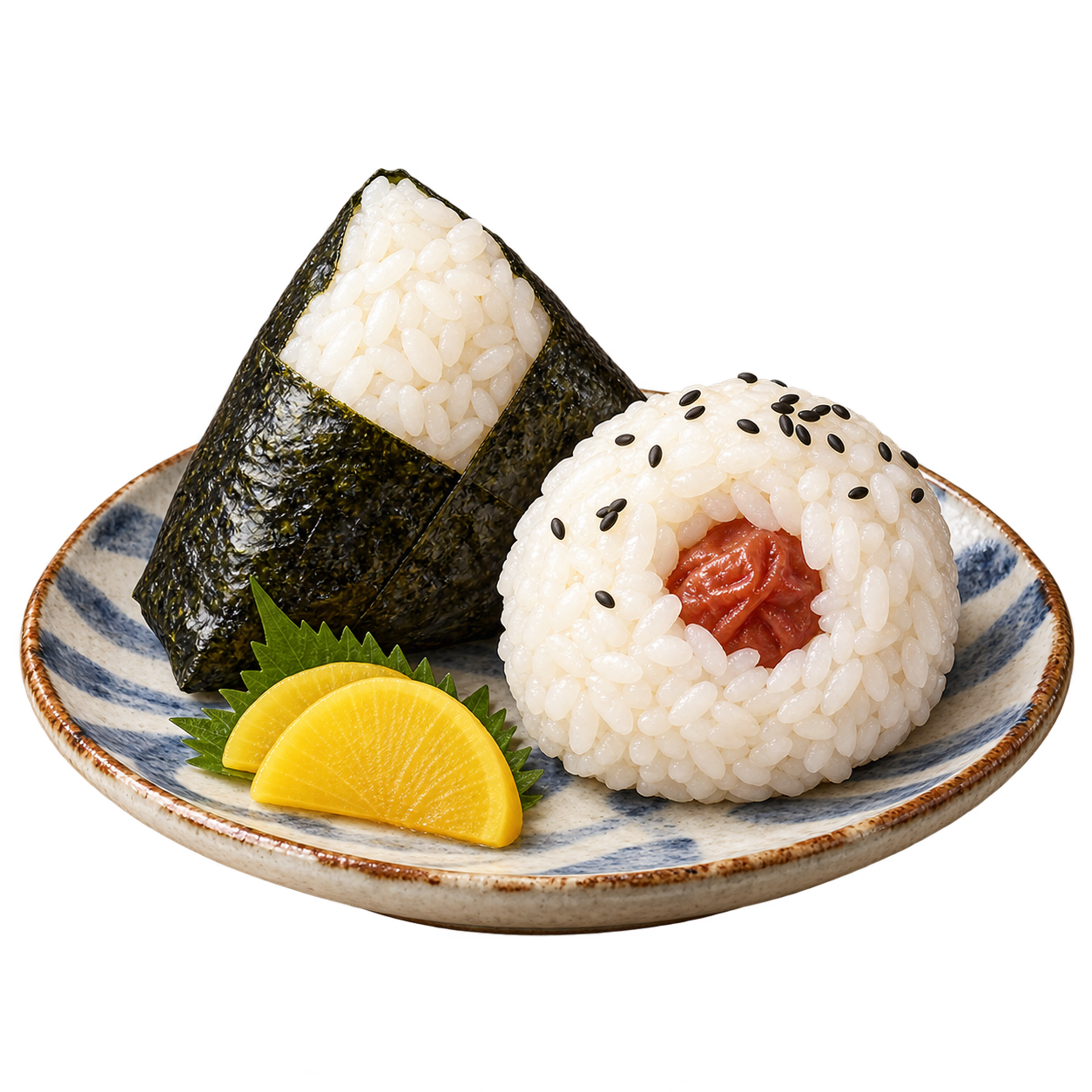
Rice ball · snack
The rice was shaped, some filling was placed inside and it was wrapped in a strip of nori. The result is a snack that doesn't need a plate at the table. In the picture, one onigiri with seaweed, the second reveals the filling - salted umeboshi plum.
The triangle is familiar to many, but the shape does not have to be triangular. And there is more than one filling: salmon, seaweed, katsuobushi and other products provide dozens of options.
How it is prepared. Onigiri is made from cooked rice, shaped by hand, and often filled with filling and nori.
Source:About this dish.
2. Miso soup: the quiet part of breakfast
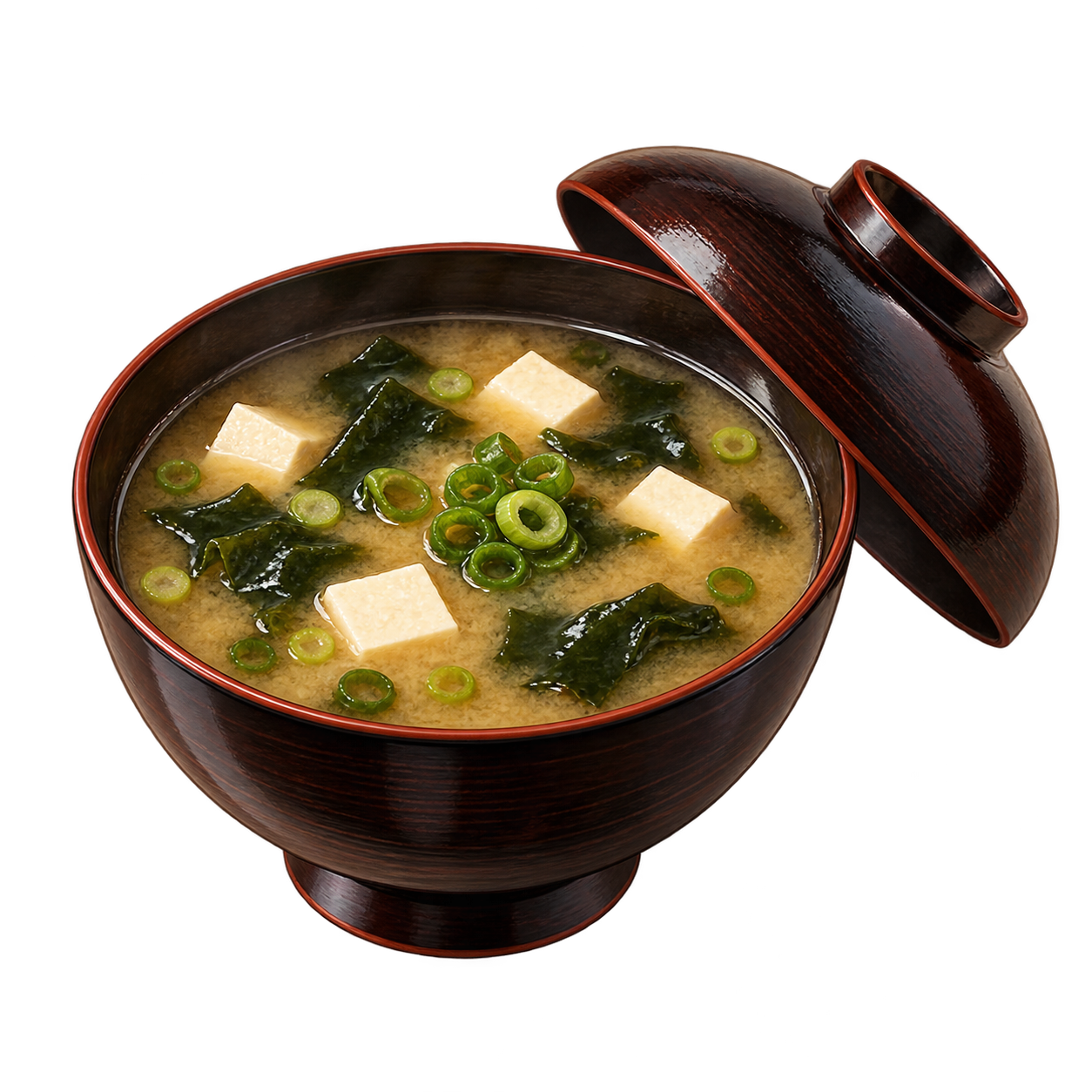
Broth and miso · everyday food
A Japanese breakfast may have a small cup of soup next to the rice. Miso, a fermented soybean paste, is dissolved in the broth and tofu, seaweed or vegetables are added. The composition changes, but the soft, salty depth remains.
Miso is not the name of all the ingredients together, nor is it an instant powder by definition. The soup exists in home and restaurant versions; The picture shows a simple one with tofu and wakame.
How it is prepared. Miso soup combines broth with miso; Tofu and seaweed are possible but not required additions.
Source:About this dish.
3. Tamagoyaki: omelette rolled into layers
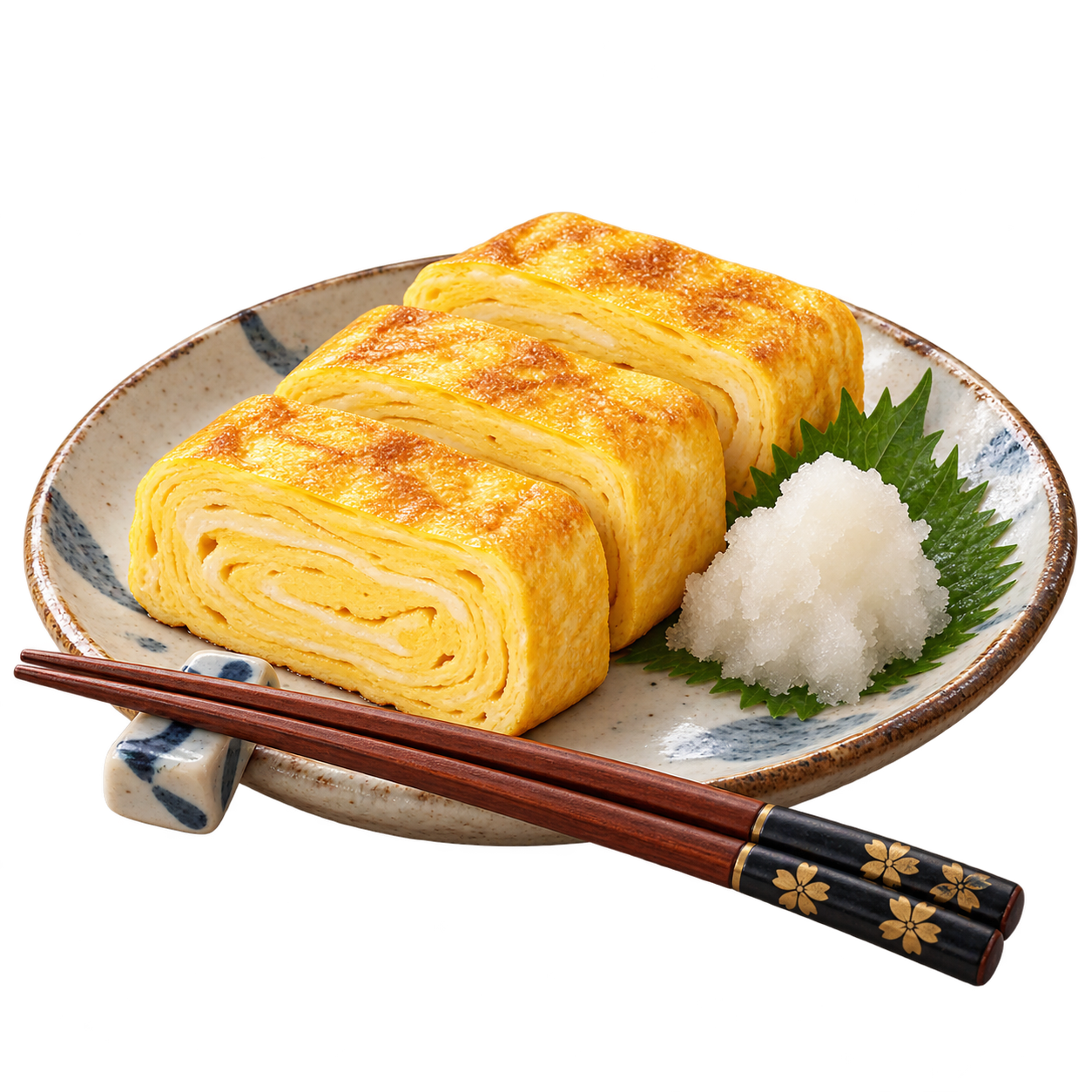
Rolled omelette breakfast and bento
The omelet is usually folded in half; here it is rolled up again and again. Pour a thin layer of egg into the pan, roll it up, add a new one - and so on until you get a golden roll. The cut shows this work better than any story.
In dashimaki, dashi broth is added to the egg. The taste may be sweeter or saltier, but the main difference from regular scrambled eggs is the layered rolling technique.
How it is prepared. Tamagoyaki is prepared with successive thin layers of beaten egg, which are rolled into a roll.
Source:About this dish.
4. Udon: noodles that don't need to be rushed
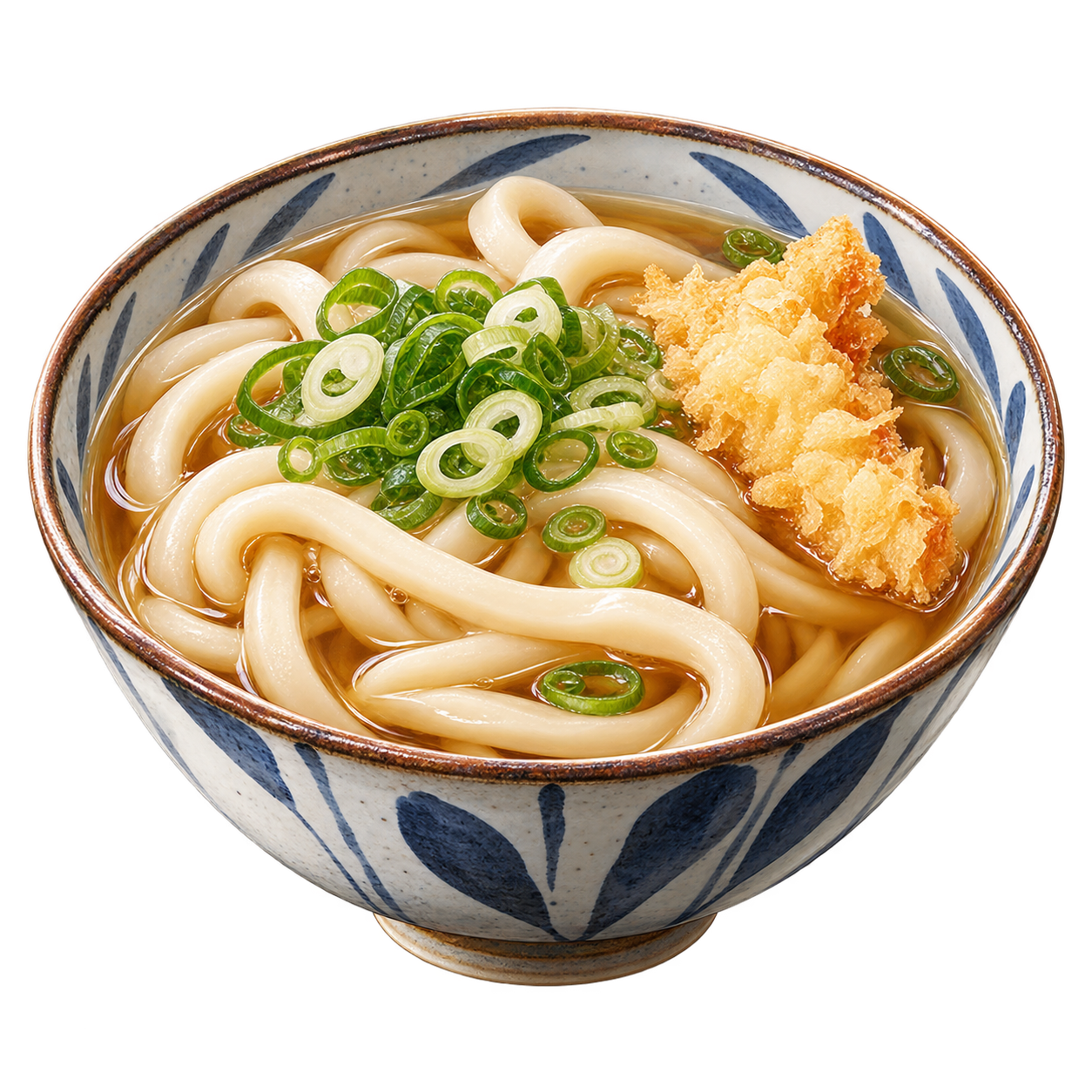
Thick wheat noodles
White thick threads lie in a hot broth and are not at all embarrassed by their thickness. Udon is made from wheat flour; it is soft and elastic. In one bowl he has enough onions and broth, in another he adds tempura or curry.
The names of different noodles can be confusing. Soba is usually thinner and related to buckwheat; Udon has a different color and texture.
How it is prepared. Udon - thick noodles made primarily from wheat flour; it is served hot or cold.
Source:About this dish.
5. Zaru-soba: noodles and sauce are found separately
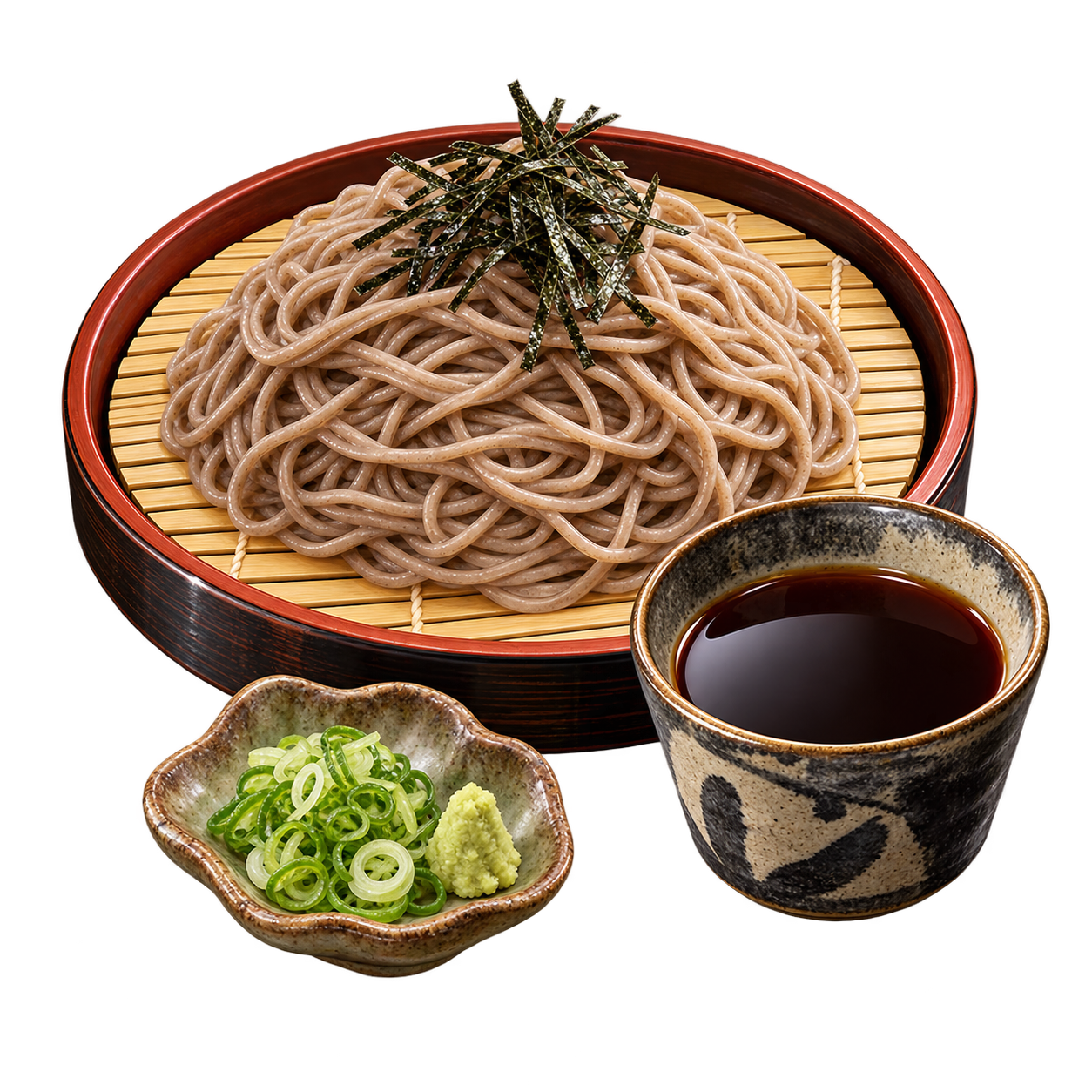
Cold buckwheat noodles
The noodles lie on a bamboo rack, and the sauce stands next to it in a separate cup. Each portion is dipped in tsuyu before eating. This keeps the noodles cool and the sauce from turning into a bowl of soup.
Soba is related to buckwheat flour, but the proportion of it in a particular noodle may vary. Zaru is a way of serving cold soba with a dipping sauce, not the name of a specific spice.
How it is prepared. Zaru-soba is served cold separately from the tsuyu sauce; The noodles are dipped before eating.
Source:About this dish.
6. Ramen: the noodle that has found its Japanese voice
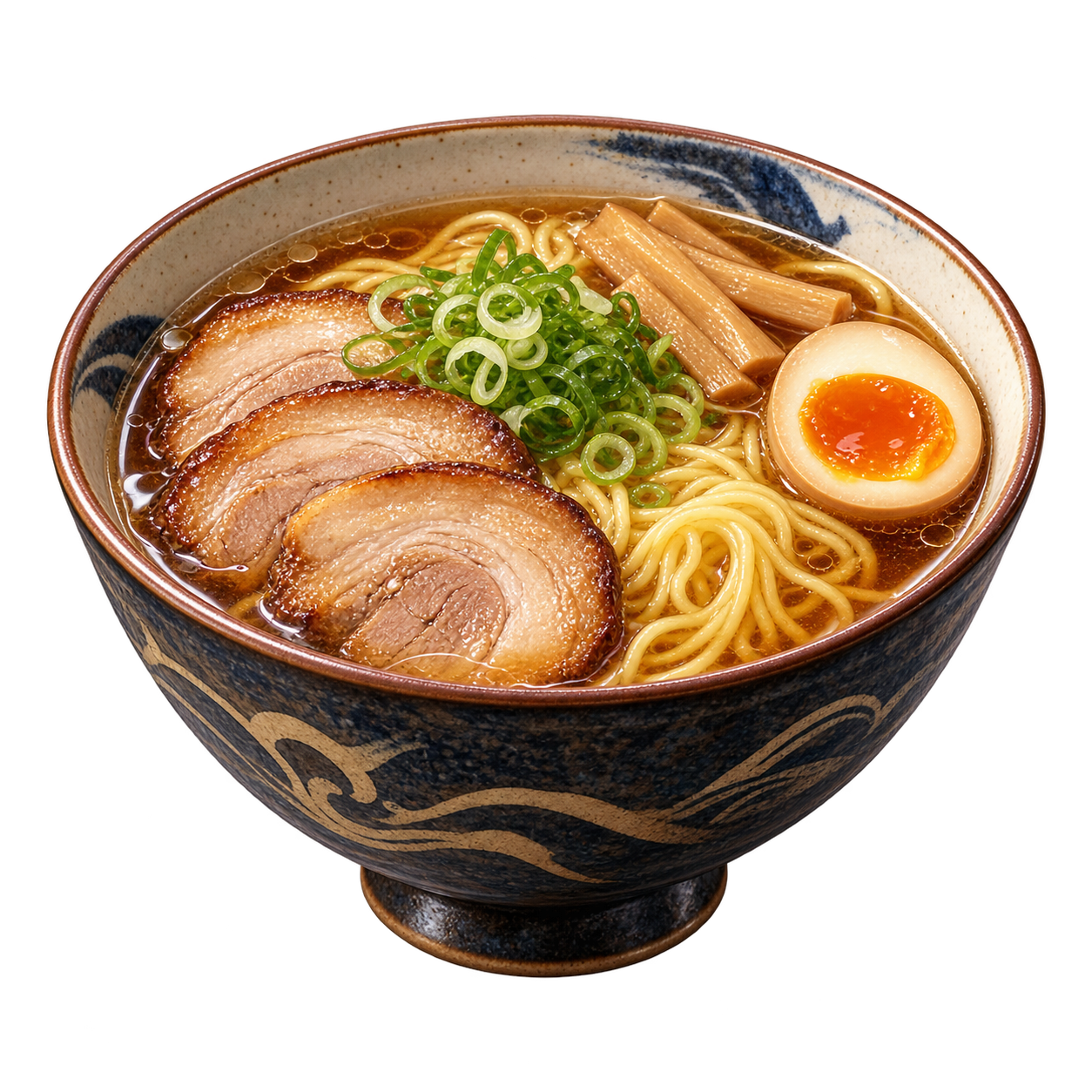
Wheat noodles in broth
Broth, wheat noodles, several additives - and in every city they are already arguing whose version is better. The picture shows light soy broth, chashu pork, egg and bamboo. In other bowls, the flavor may be based on miso or another broth.
Ramen has Chinese roots, but Japanese chefs have created many regional variations of their own. Therefore, one “canonical” bowl will not tell the whole story of the dish.
How it is prepared. Ramen is a Japanese family of dishes made with wheat noodles and broth; flavors and additives vary by region.
Source:About this dish.
7. Kare-raisu: curry made homemade
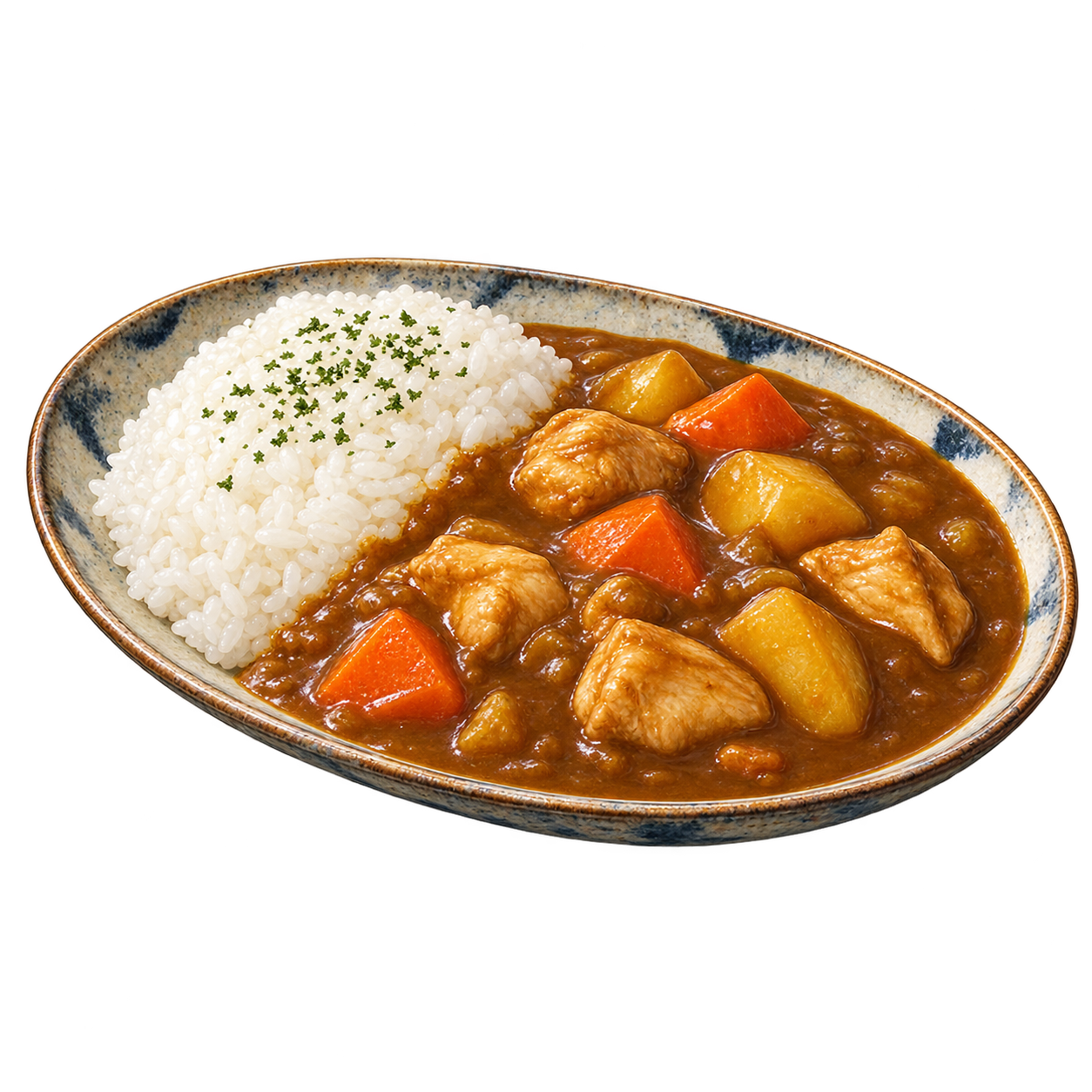
Japanese curry with rice
On one half of the plate there is rice, on the other there is thick warm curry. Vegetables and meat meet in a mild, spicy sauce. The dish came to Japan through outside culinary influences and evolved into a taste that people there recognize as their own.
Kare-raisu doesn't have to be fiery spicy. Family versions are often mild; the composition changes, but the pairing of rice and sauce remains.
How it is prepared. Japanese curry with rice - a thick sauce next to cooked rice; The level of spiciness varies.
Source:About this dish.
8. Okonomiyaki: assemble the pancake to your liking
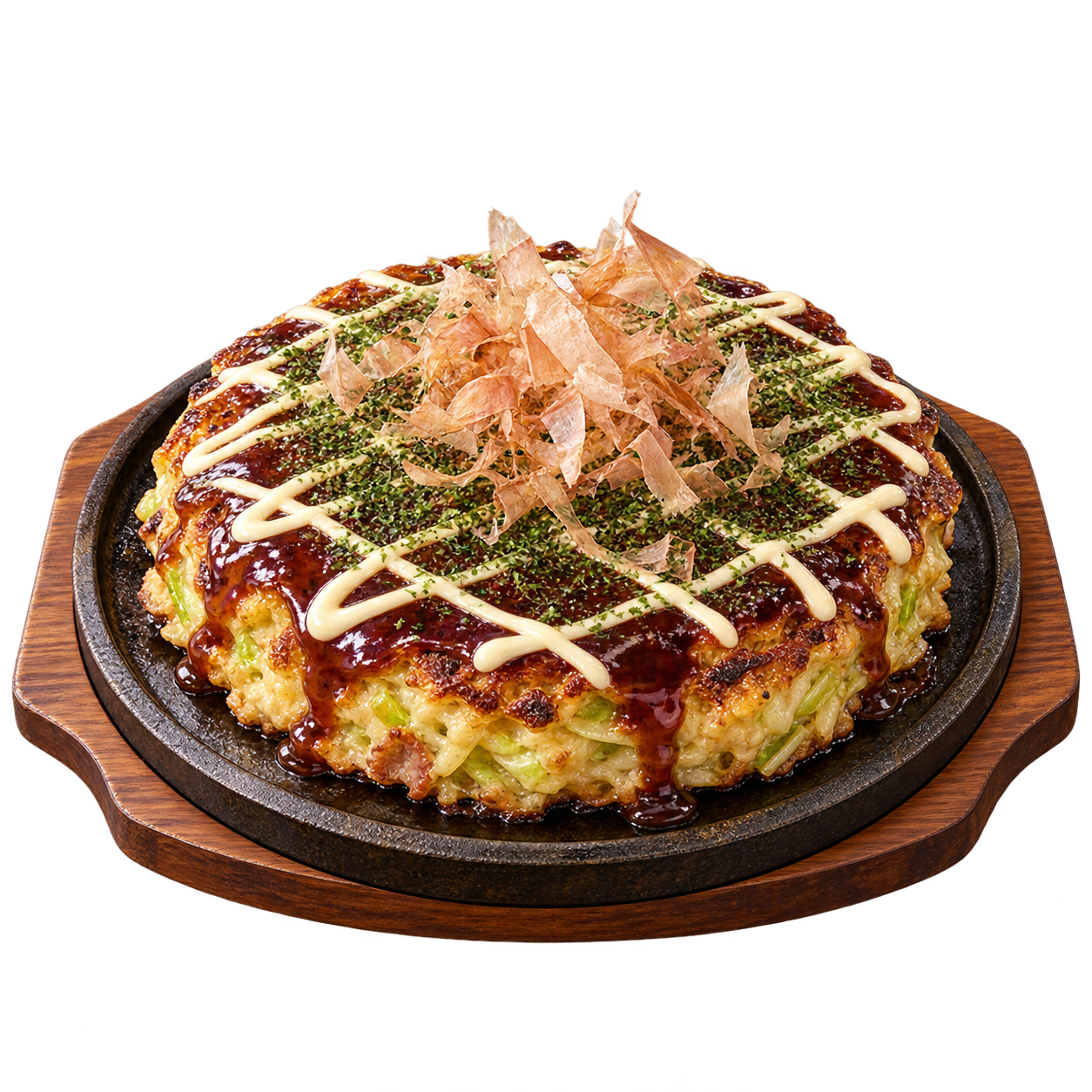
Cabbage pancake on the griddle
Cabbage, dough and egg are assembled into a thick, savory pancake on a hot stove. Sauce, thin lines of mayonnaise and bonito flakes appear on top. They seem to move from the heat - the plate has not yet cooled down.
Osaka is known for one way, Hiroshima for the layered version. We draw Osaka and do not call it the only correct okonomiyaki.
How it is prepared. Okonomiyaki - a savory cabbage dish fried on the stove; composition and assembly vary by region.
Source:About this dish.
9. Yakitori: Dinner on Skewers
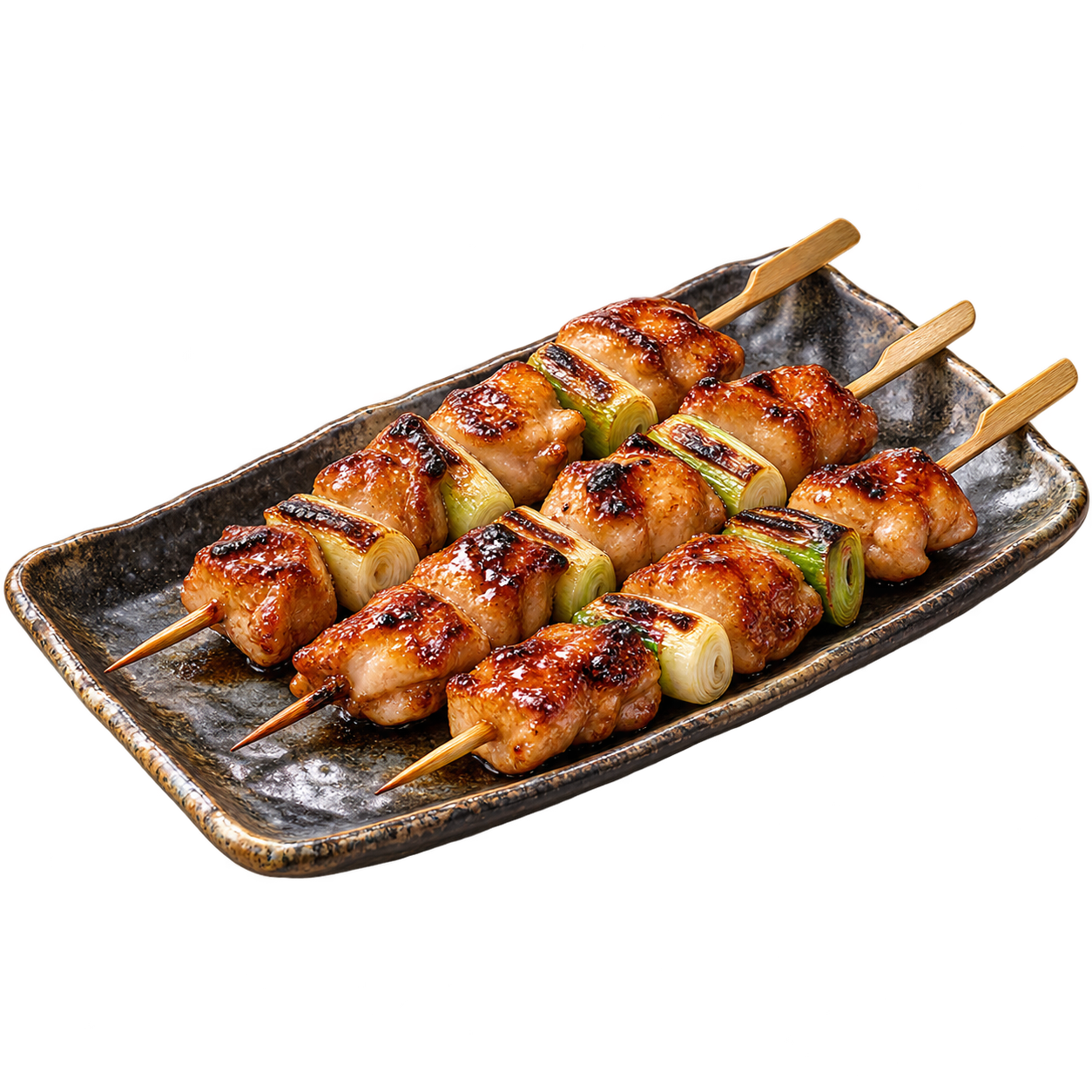
Chicken skewers
Small pieces of chicken are skewered, sometimes alternating with green onions. The heat gives golden brown edges, and the cook chooses: salt or sweet-salty tare glaze. A small portion is good for leisurely conversation.
The word is associated with fried poultry, not just any meat on a stick. There are different parts of chicken on the menu; in the picture there is a simple and recognizable version with scallions.
How it is prepared. Yakitori are Japanese chicken skewers that are grilled and seasoned with salt or tare sauce.
Source:About this dish.
10. Ochazuke: tea was poured on the rice
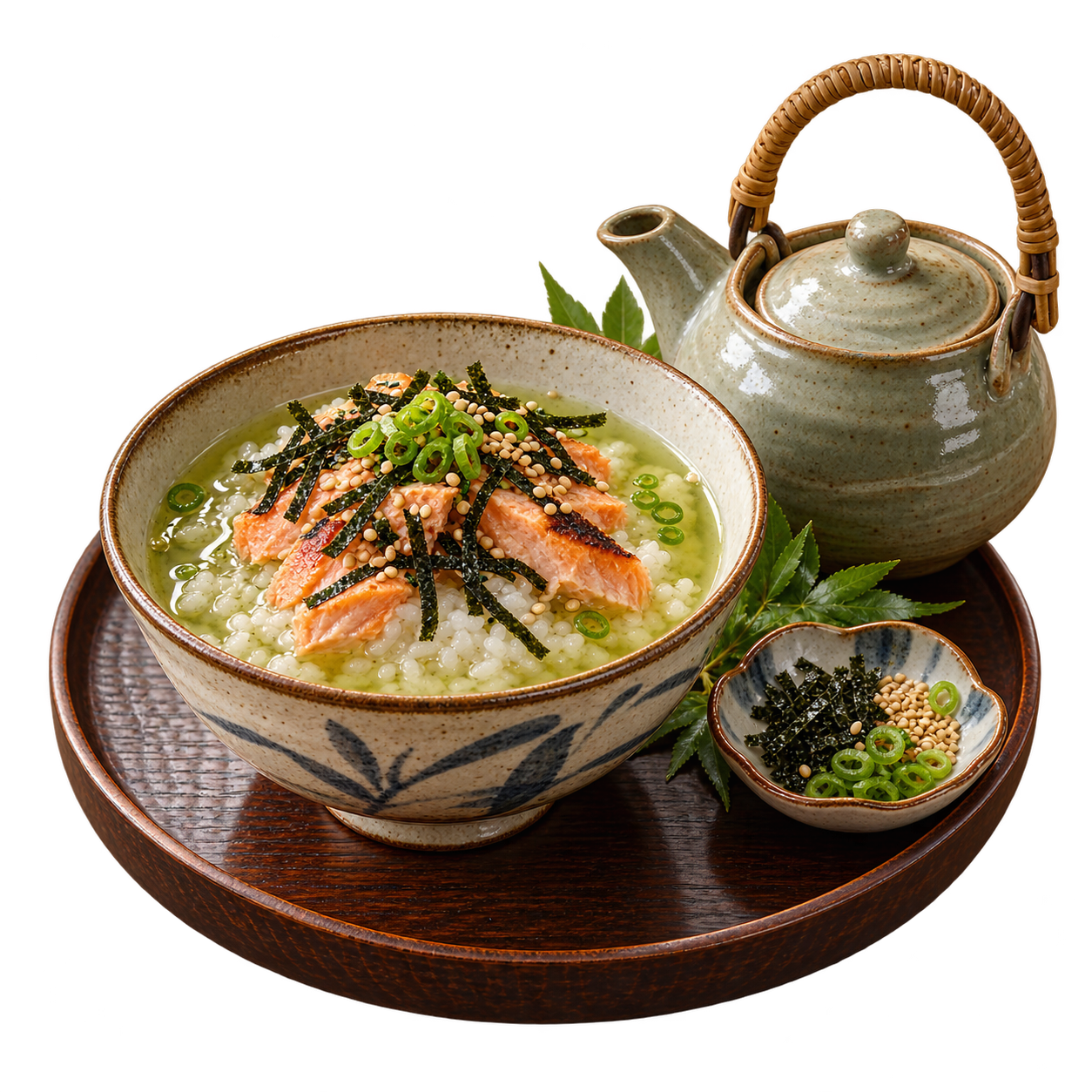
Rice with tea or hot broth
Is there any rice left? Pour hot green tea on top and it has new life. Add some seaweed, salted plum or fish for a light bowl of ochazuke. Our version is with salmon, but the dish does not have the obligatory fish filling.
Some recipes use dashi instead of tea. So it's useful to remember the name as an idea: cooked rice and hot liquid, rather than as one strict mixture of ingredients.
How it is prepared. Ochazuke is prepared from already cooked rice, poured with tea or broth, with additives to taste.
Source:About this dish.
Regional and family versions differ. The pictures show recognizable options, not the only correct recipes.