
Chinese cuisine has countless recipes and flavours. We chose ten everyday dishes, from rice porridge and thin rolls to noodles and home-cooked dinners, and drew a picture of each of them.
1. Congee: rice that has time
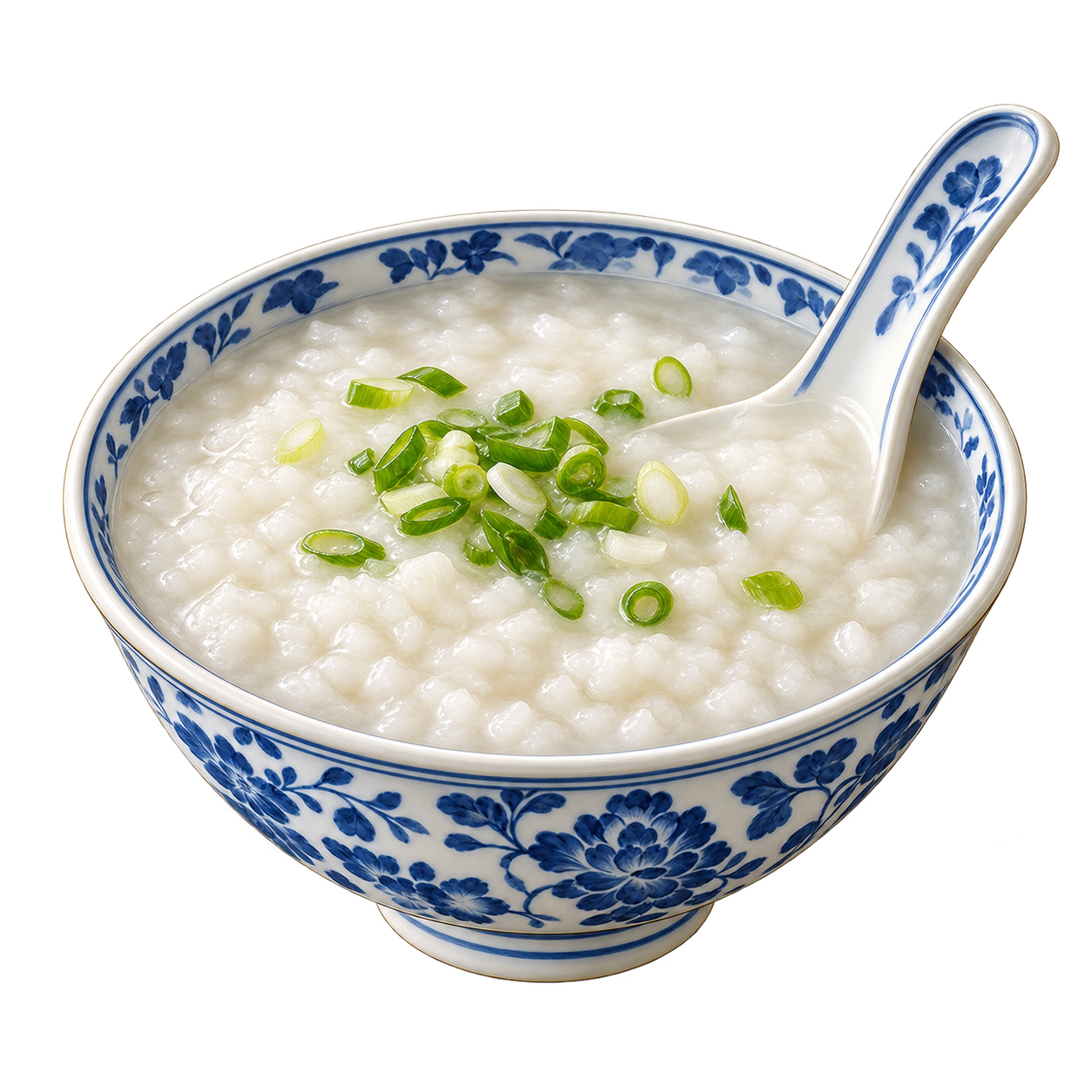
Rice porridge Breakfast and homemade food
The rice in the pan could have remained a fluffy side dish, but it had been given more water and time. The grains boiled down and the result was a soft porridge. In one house they will put green onions in it, in another - meat, fish or vegetables; even an empty bowl without additives is quite recognizable.
Congee is not only eaten when someone is sick: it is a common breakfast in Hong Kong. There may be crispy youtiao on the table nearby, but the porridge does not require it according to the rules.
How it is prepared. The basis of congee is rice boiled in a large amount of liquid; options are sweet and savory.
2. Cheung fun: silk made from rice flour
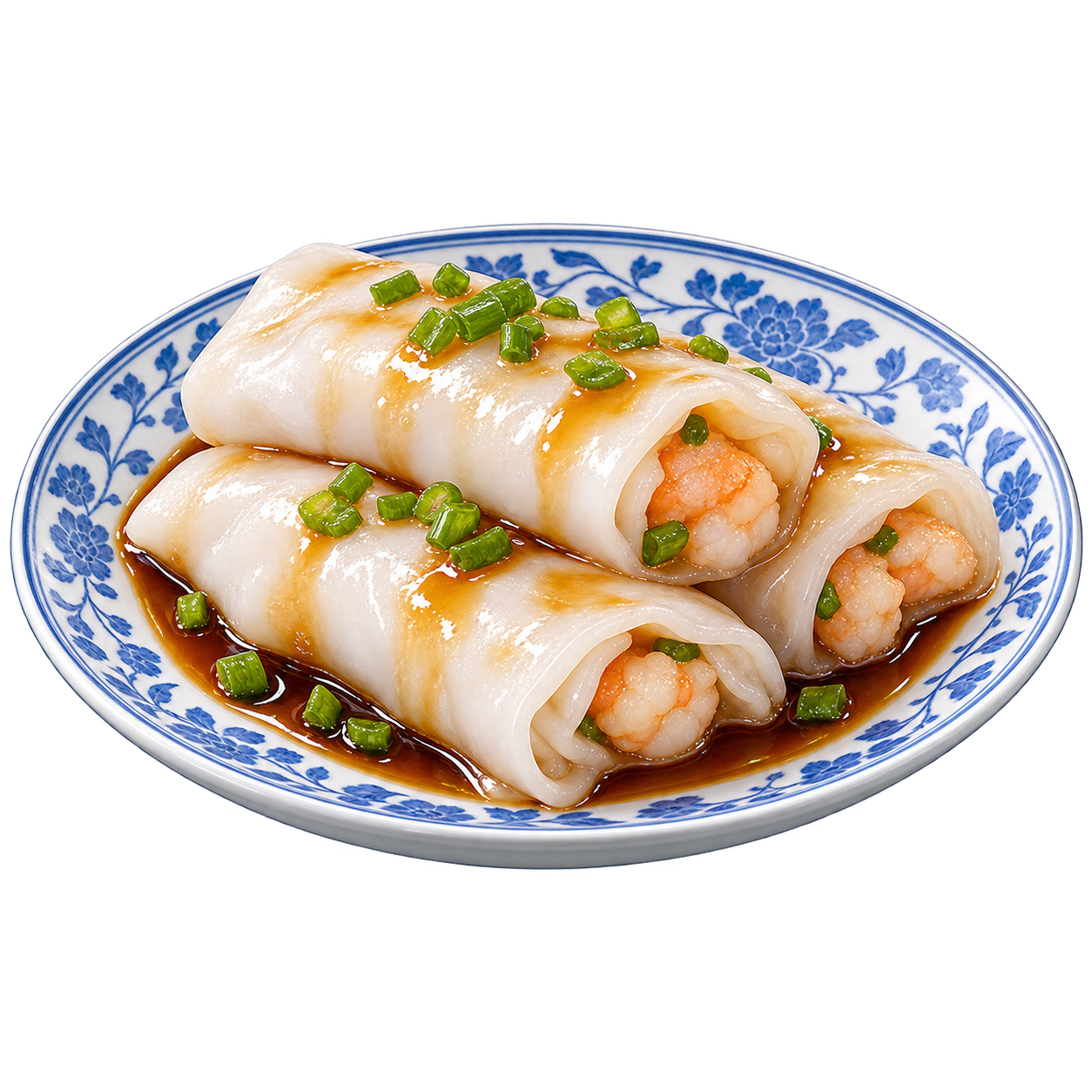
Rice rolls · Cantonese and Hong Kong cuisine
The white thin ribbon on the plate looks like noodles that have decided to curl up. The rice-based batter is steamed into a thin sheet, then rolled. There may be shrimp, beef or pork inside; There is also a version without filling.
The sweetish soy sauce highlights the delicate surface rather than trying to hide it. That's why cheung fun has an interesting texture: it's soft, smooth, and not at all like a crispy fried snack.
How it is prepared. Cheung fun is made from thin steamed rice sheets; fillings and sauces vary.
Source:About this dish. Gift “Cheung fun” →
3. Youtiao and soy milk: crunch meets warmth
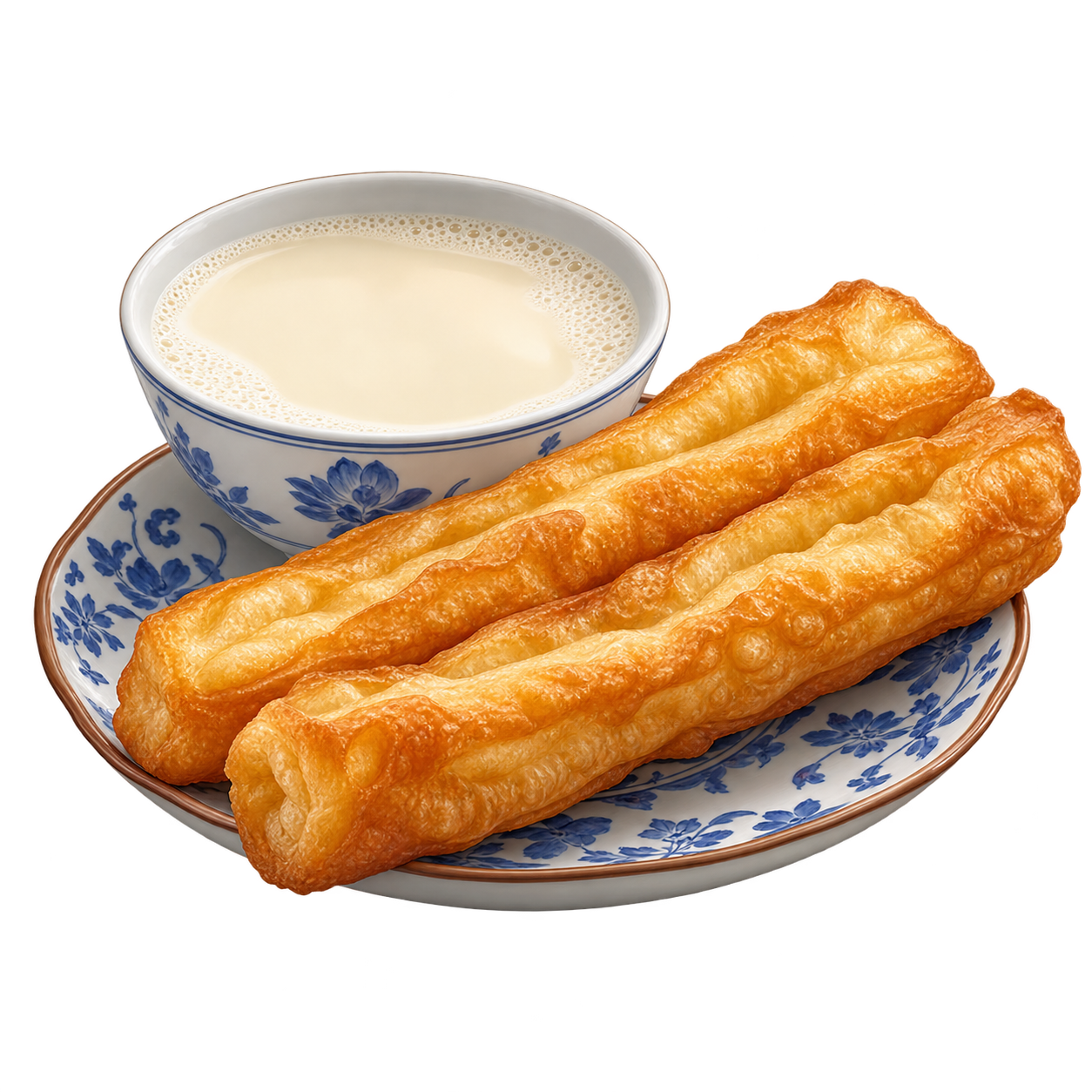
Fried dough and soy milk breakfast
A long strip of dough is dipped into hot oil - it rises and turns golden. This is how youtiao turns out: crunchy on the outside, airy soft on the inside. It is convenient to break it off and dip it in warm doujiang soy milk.
The pairing is good precisely because of its contrast: one participant crunches, the other warms. Cafes and families serve them in different ways; The picture shows a simple version without sweet additives.
How it is prepared. Youtiao is deep-fried from dough, while doujiang is made from soybeans. These are two independent products that are often found at breakfast.
4. Scallion Noodles: Simplicity with Flavor
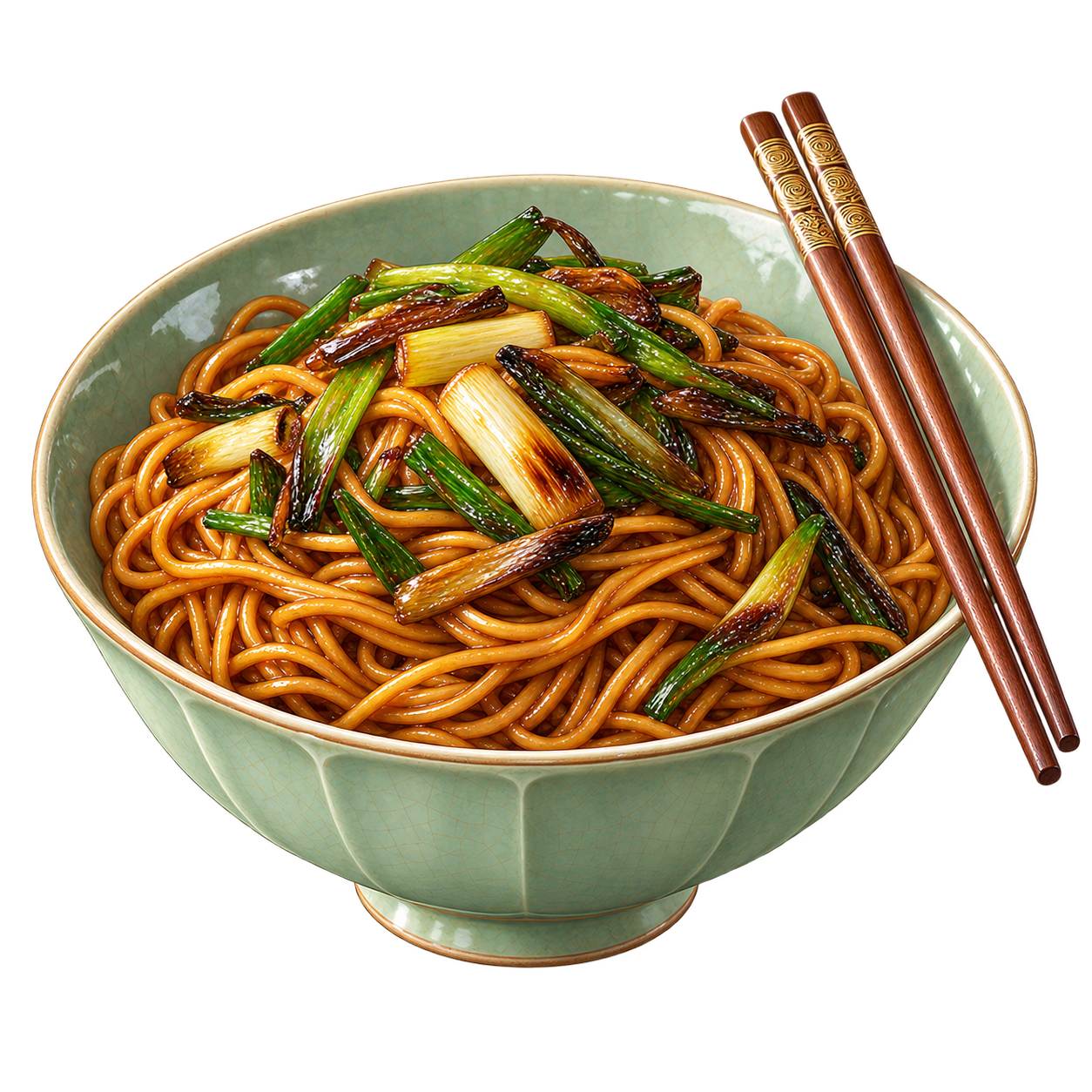
Scallion oil Noodles Shanghai
Green onions come into the picture before the noodles. It is slowly fried in oil until the aroma is infused into every drop. The noodles are tossed with this oil and soy sauce: the humble dish suddenly has its own character.
In Shanghai you can find additives, such as dried shrimp, but they are not needed for a recognizable base. It's not a thick soup or complicated filling - the main thing is the oil, noodles and sauce.
How it is prepared. Shanghai Congyou banmian - noodles mixed with aromatic oil from fried green onions and soy sauce.
5. Xiaolongbao: soup hidden inside
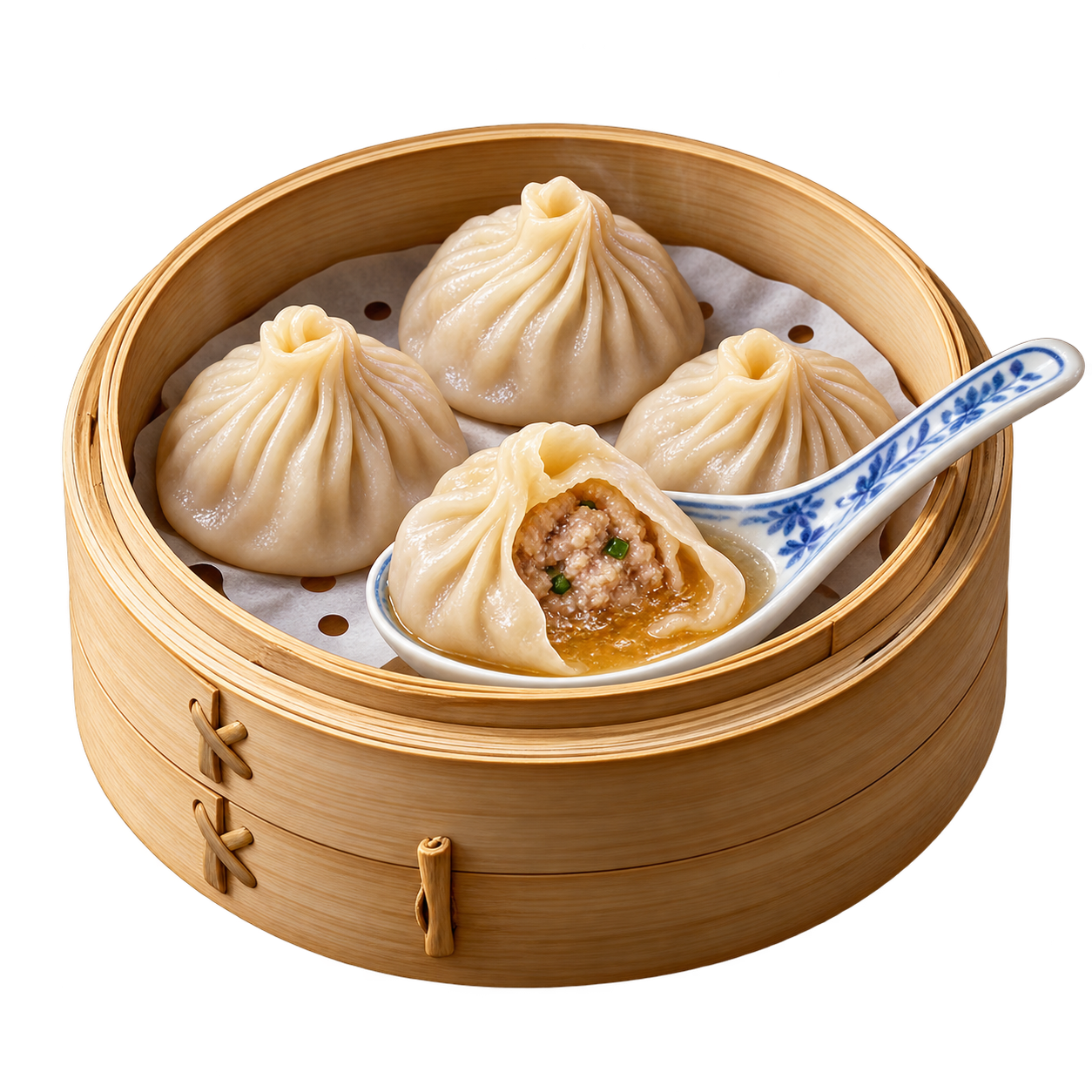
Steamed buns with broth Shanghai
A bamboo basket is placed on the table. Inside there are small folded buns, and inside the buns there is also broth. The secret is not that the liquid is poured through a hole: chilled meat broth-jelly is added to the filling, which turns into hot soup when cooked.
Therefore, there is no need to rush into your first bite. The bun is placed on a spoon, a small hole is made and the steam is allowed to escape. The thin coating is part of the fun, but the hot broth requires caution.
How it is prepared. Xiaolongbao is steamed; the broth appears when the gelled part of the filling melts from the heat.
Source:About this dish. Gift "Xiaolongbao" →
6. Shengjianbao: The bun has a crispy bottom
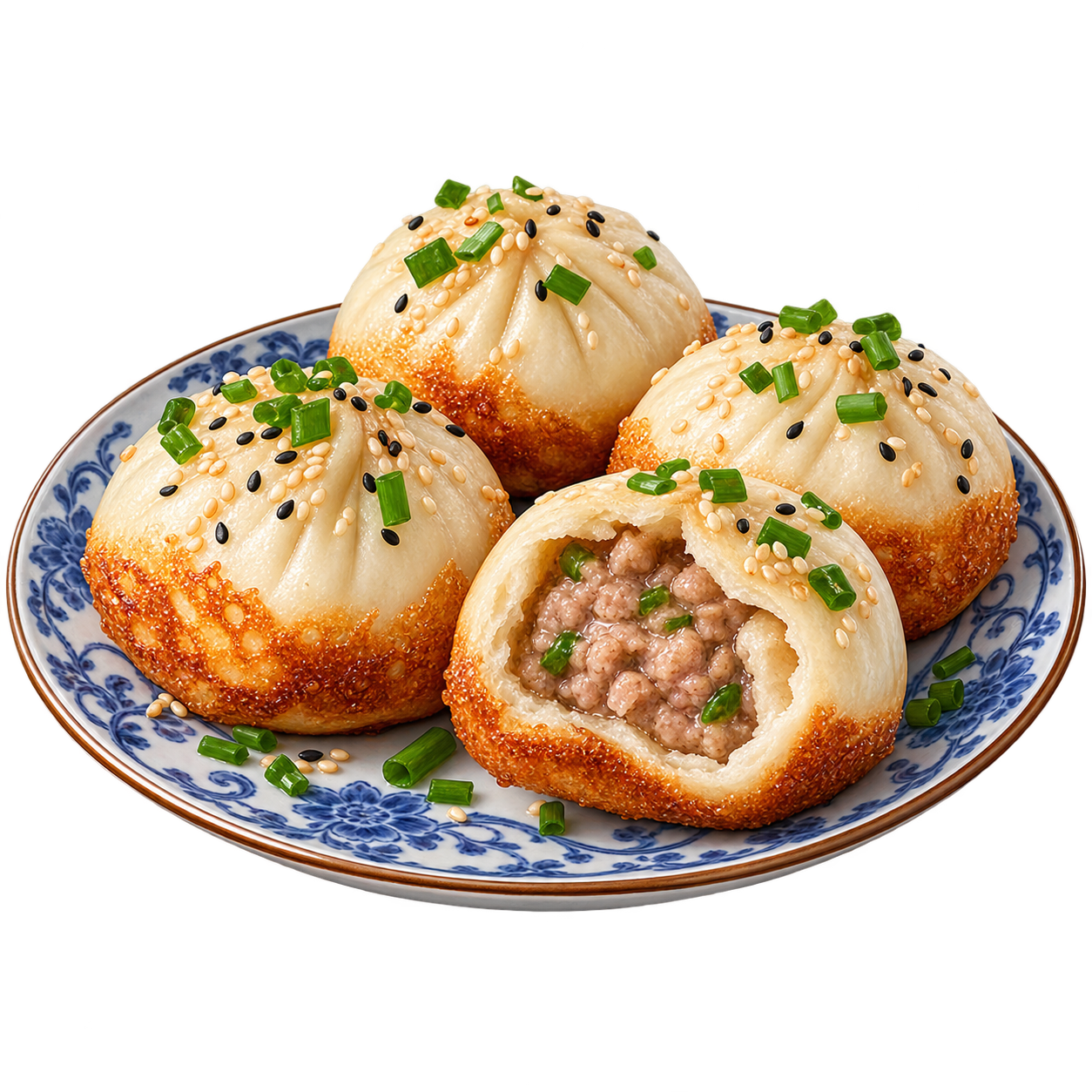
Fried buns Shanghai
Shengjianbao argues with xiaolongbao about who got the best crust. The bottom is fried in a frying pan until golden brown, then water is added and covered with a lid: the top is steamed. Hence two moods in one bite.
Sesame seeds and green onions are often visible on top. The filling can be juicy, so it’s better to carefully bite into this bun first, rather than putting the whole thing in your mouth.
How it is prepared. Shengjianbao is fried in a frying pan and then steamed; These are not simply steamed xiaolongbao.
Source:About this dish. Shengjianbao Gift →
7. Wontons: small rolls in broth
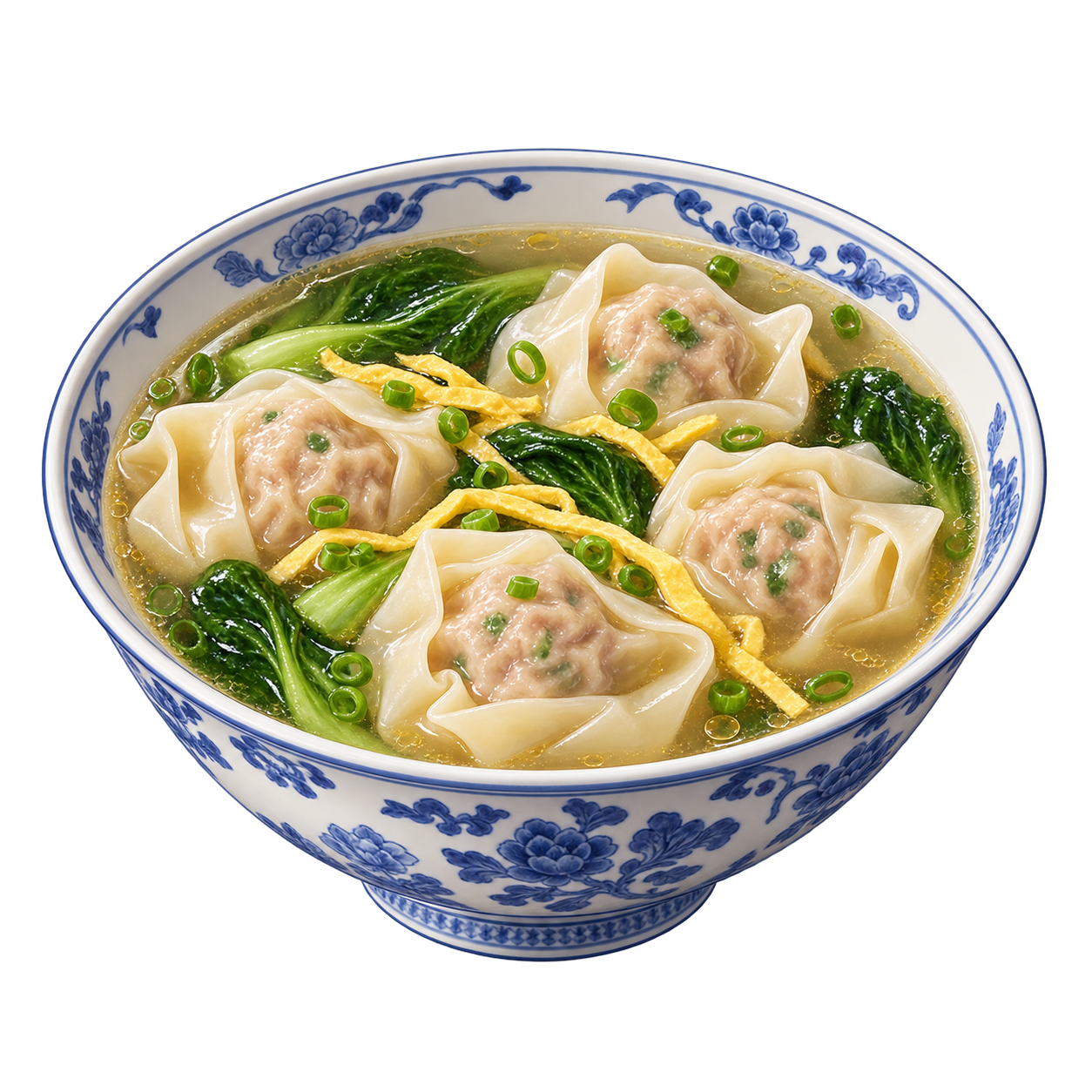
Dough, meat and herbs · Shanghai
Thin parcels of dough float in a bowl of clear broth. In the Shanghai version, they often hide pork and leafy greens. First you notice the soft shell, then the juicy filling, and the broth brings everything together.
In other regions, wontons are completely different: Cantonese ones can be smaller and with shrimp, Sichuan ones can be covered in spicy oil. We have drawn exactly the homemade Shanghai soup, without claiming to have a single recipe.
How it is prepared. Shanghai wontons are often stuffed with pork and leafy greens and served in a light broth.
8. Tomatoes with eggs: dinner without ceremony
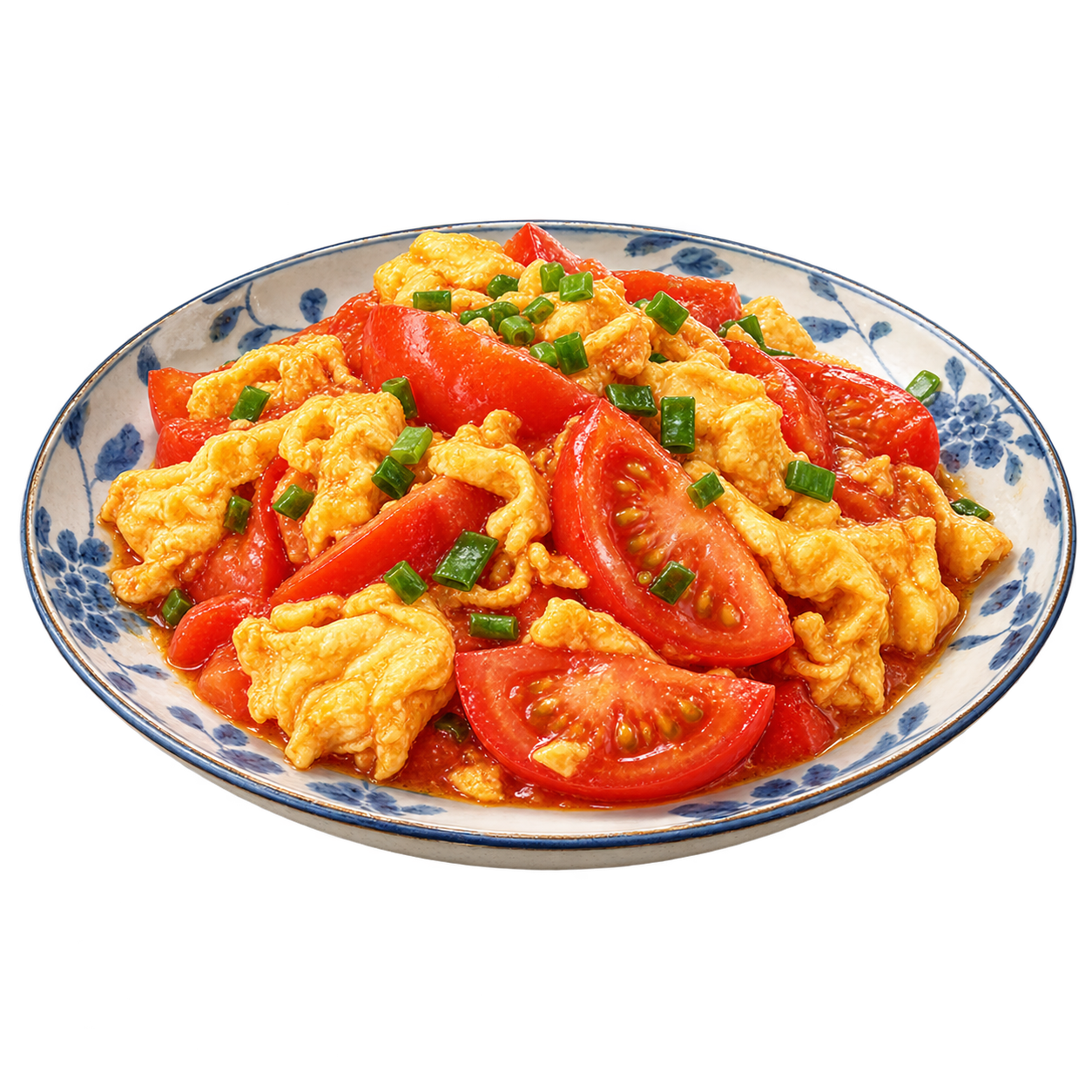
Tomatoes and eggs · home cooking
The dish looks like it was invented five minutes before dinner: red tomatoes, golden eggs and a hot frying pan. But simplicity works here. Soften the eggs separately or together with the tomatoes so that the juice becomes a light sauce.
It can be eaten with rice. Family versions vary in sweetness, saltiness and texture, so let's not declare one set of proportions to be "the real thing."
How it is prepared. Xihongshi chao jidan - fried tomatoes with egg; This is an everyday dish, not a dessert.
9. Mapo Tofu: Soft with Character
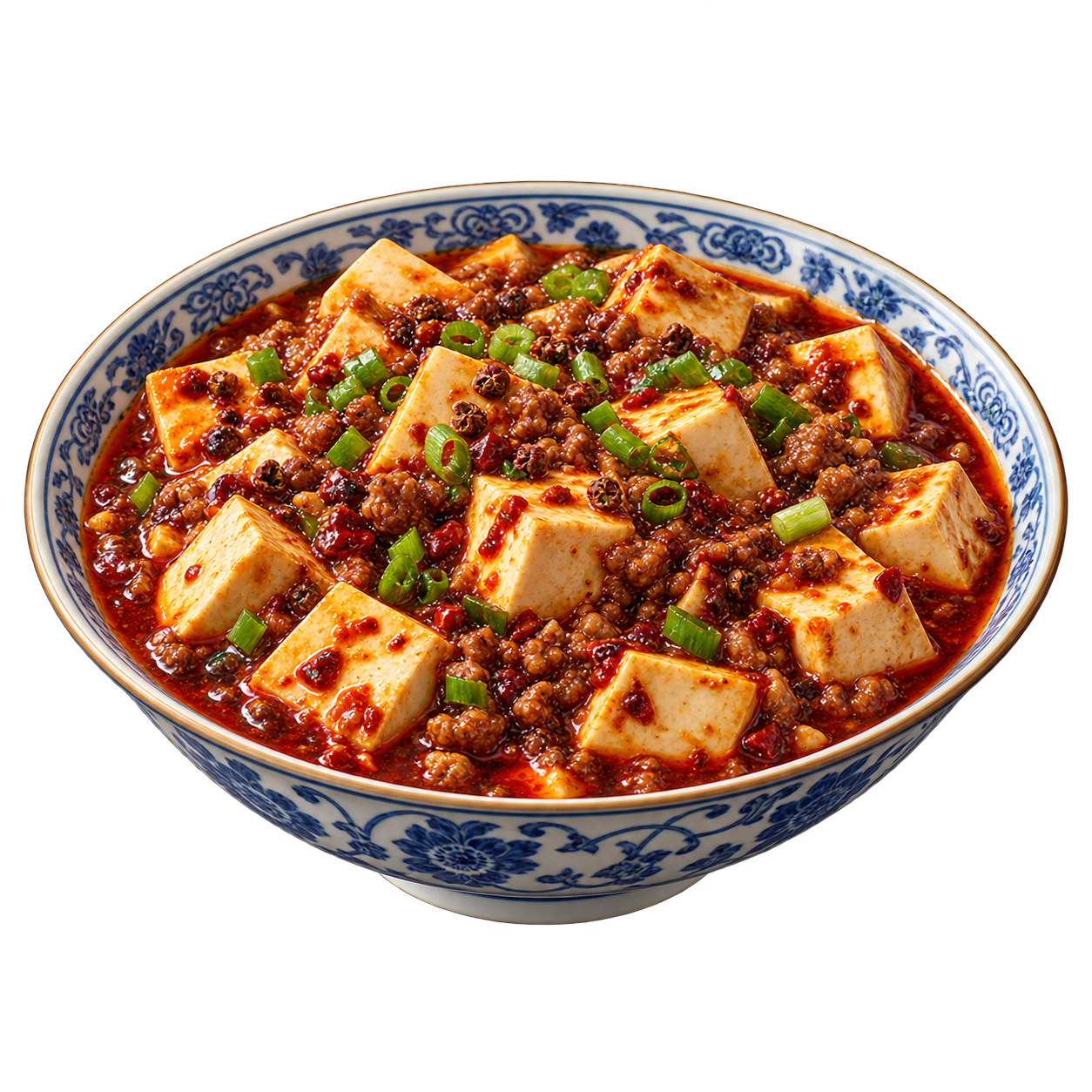
Tofu and Hot Sauce · Sichuan
Tender tofu looks calm until it meets the spicy red sauce. It's not just chili peppers at work here: Sichuan peppers bring their signature tingle, and fermented bean paste brings depth of flavor.
Traditional meat versions add some minced meat; There are also meatless adaptations. Therefore, to say “mapo is just fried cheese” is incorrect: tofu is a soy product, and the balance of the sauce for the dish is no less important.
How it is prepared. Mapo tofu is a Sichuan dish of tofu in a spicy sauce; its flavor combines the heat and feel of Sichuan peppercorns.
Source:About this dish. Gift "Mapo tofu" →
10. Fried rice: Yesterday's side dish gets a role
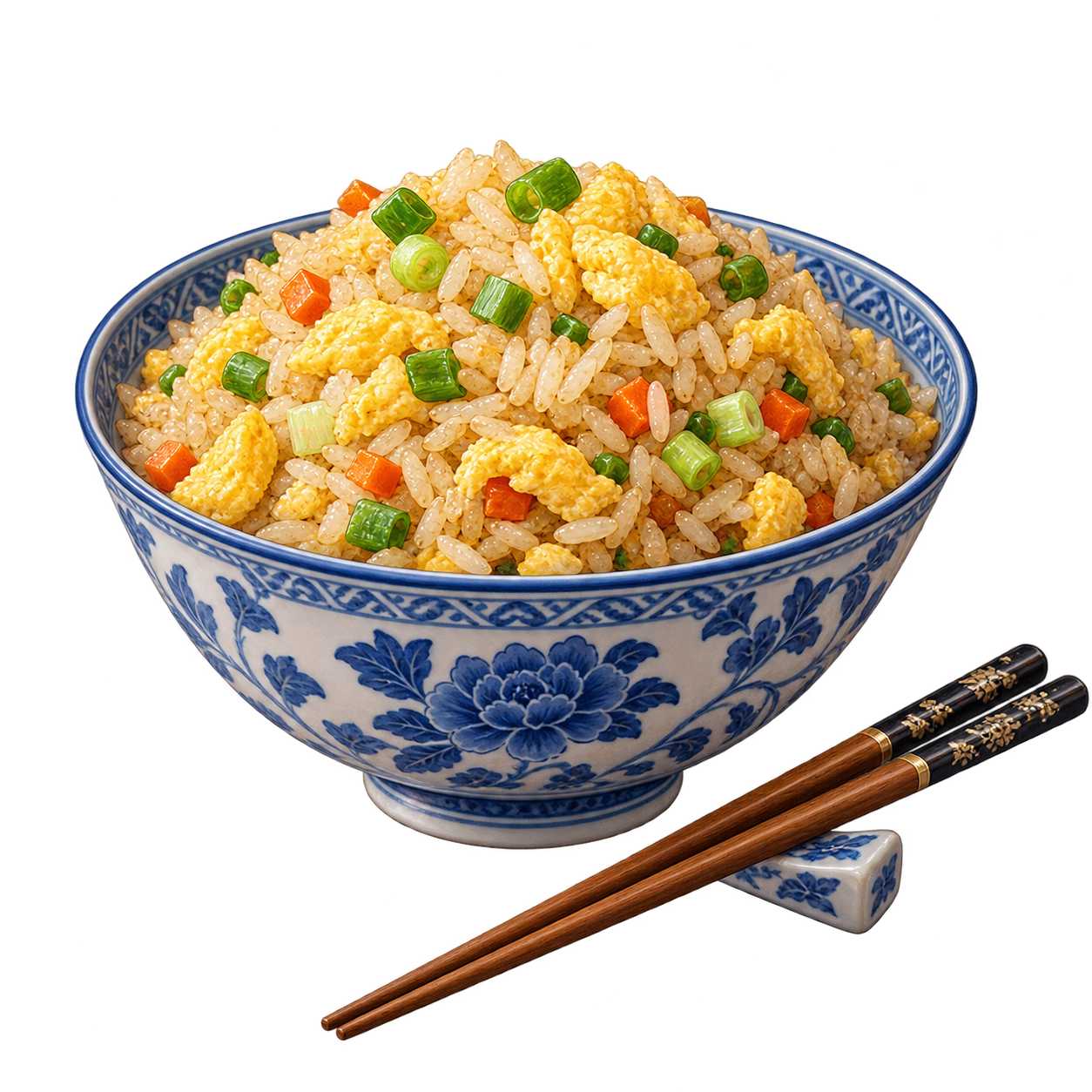
Fried rice · casual cuisine
The fluffy cooked rice goes into the hot pan and meets an egg, some vegetables and seasoning. A few movements with a spatula - and the former side dish is already an independent dish. It is the heat that is important, not a mountain of complex additives.
Fried rice has many versions, varying depending on the location and what you have at home. Our picture shows a modest version with egg and herbs; This is an example, not a universal formula.
How it is prepared. For chaofan, already cooked rice is fried with egg and other available additives.
Regional and family versions differ. The pictures show recognizable options, not the only correct recipes.