
Batter can become a thin envelope, a fluffy tower or the porous base of a meal. Meet ten pancake relatives without erasing their differences.
These are ten examples, not a ranking. Conversations between objects are editorial fiction; facts have sources. Illustrations show particular versions, which can differ from other examples.
1. Blini: a thin circle of possibilities
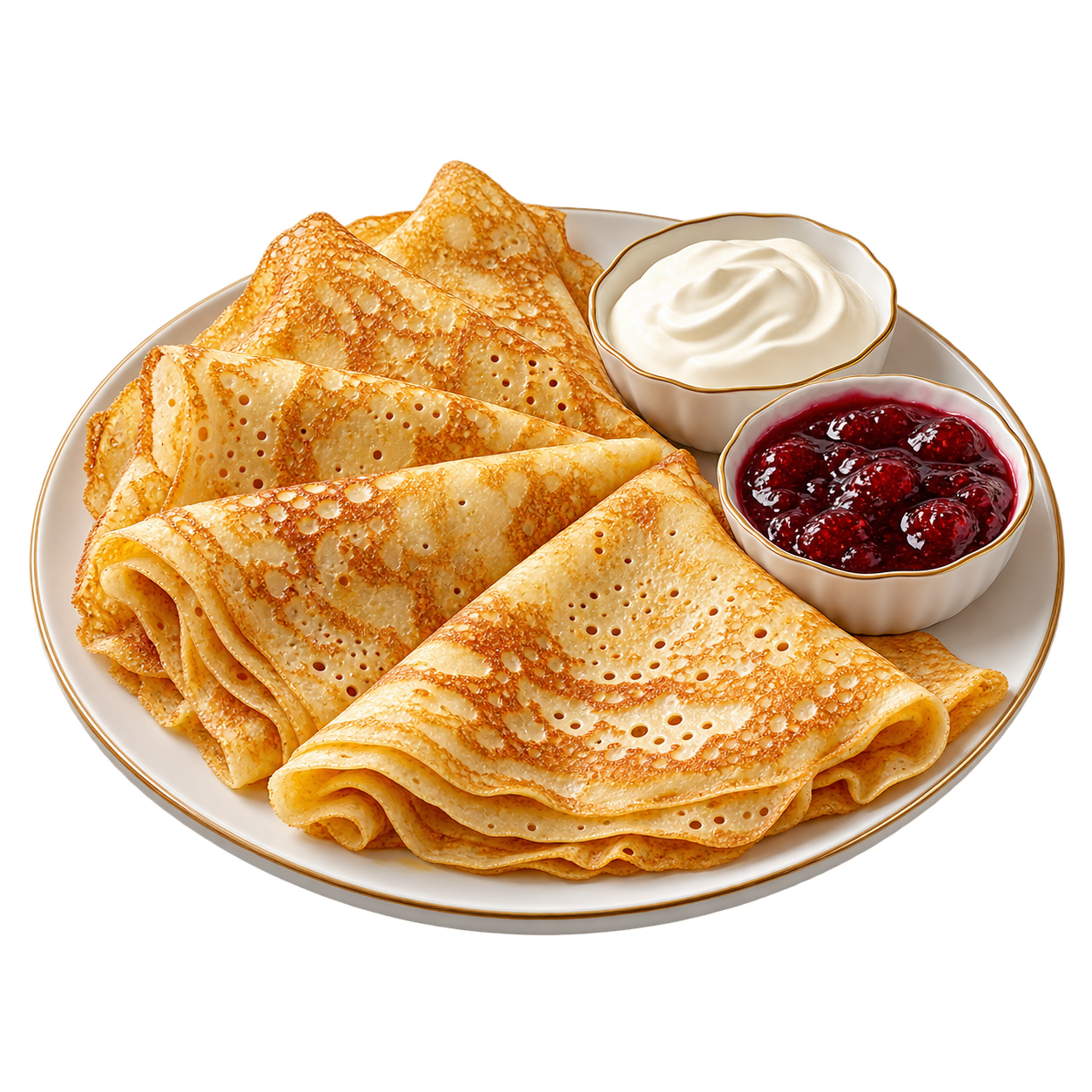
Blini: a thin circle of possibilities
The pancake refused to choose sweet or savoury. It folded neatly and left the decision to its filling.
Checked fact. Russian blini can be thin or thicker; thin versions are convenient for folding and filling.
We show thin pancakes with sour cream and jam, not tiny canapé pancakes.
2. Crêpe: thin enough to fold gracefully
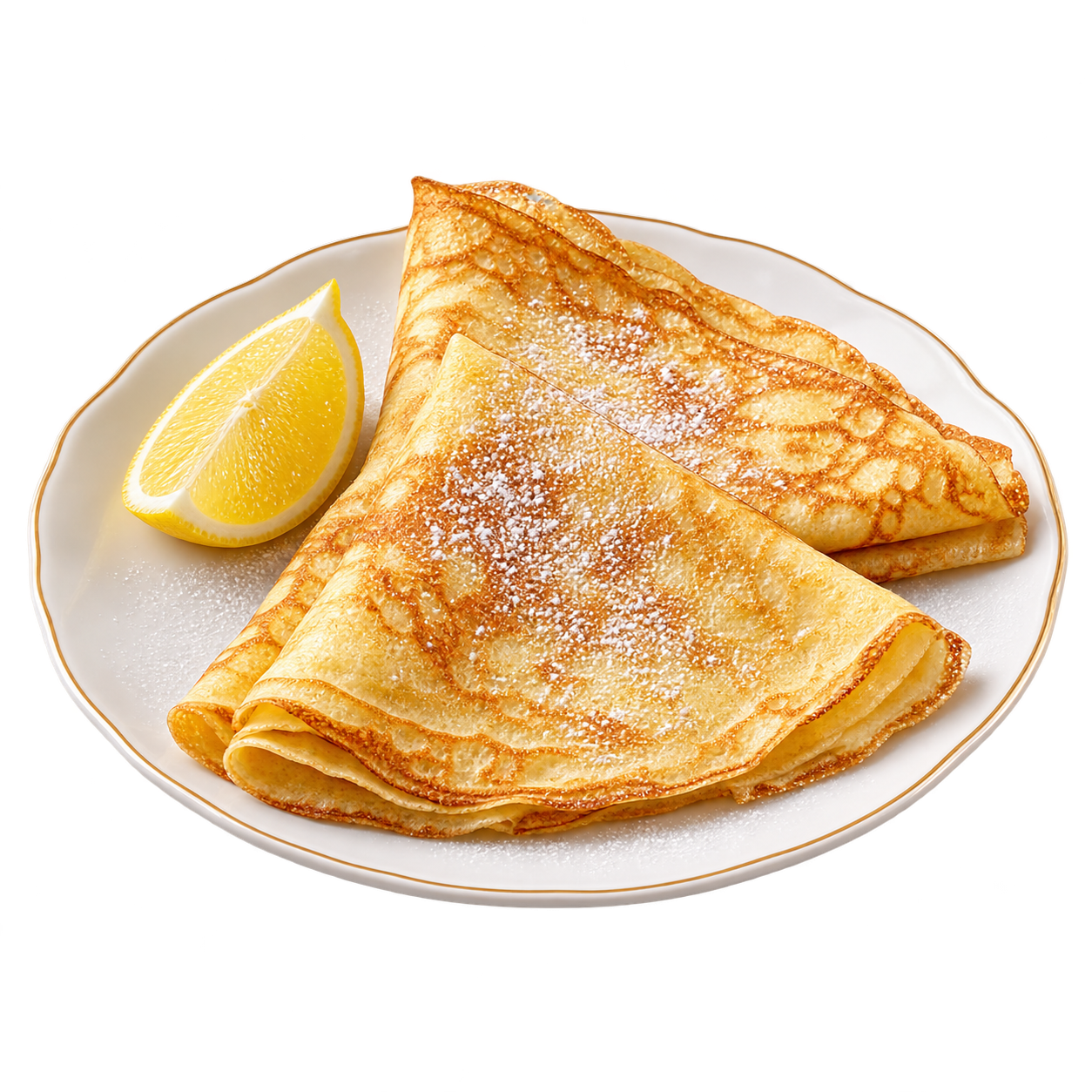
Crêpe: thin enough to fold gracefully
The crêpe spread almost as thin as paper. Lemon and sugar decided that introductions needed no elaborate filling.
Checked fact. French crêpes are thin pancakes; Brittany also distinguishes savoury buckwheat galettes.
Here we show a sweet wheat version with lemon, not a buckwheat galette.
3. Pancakes: breakfast builds upwards
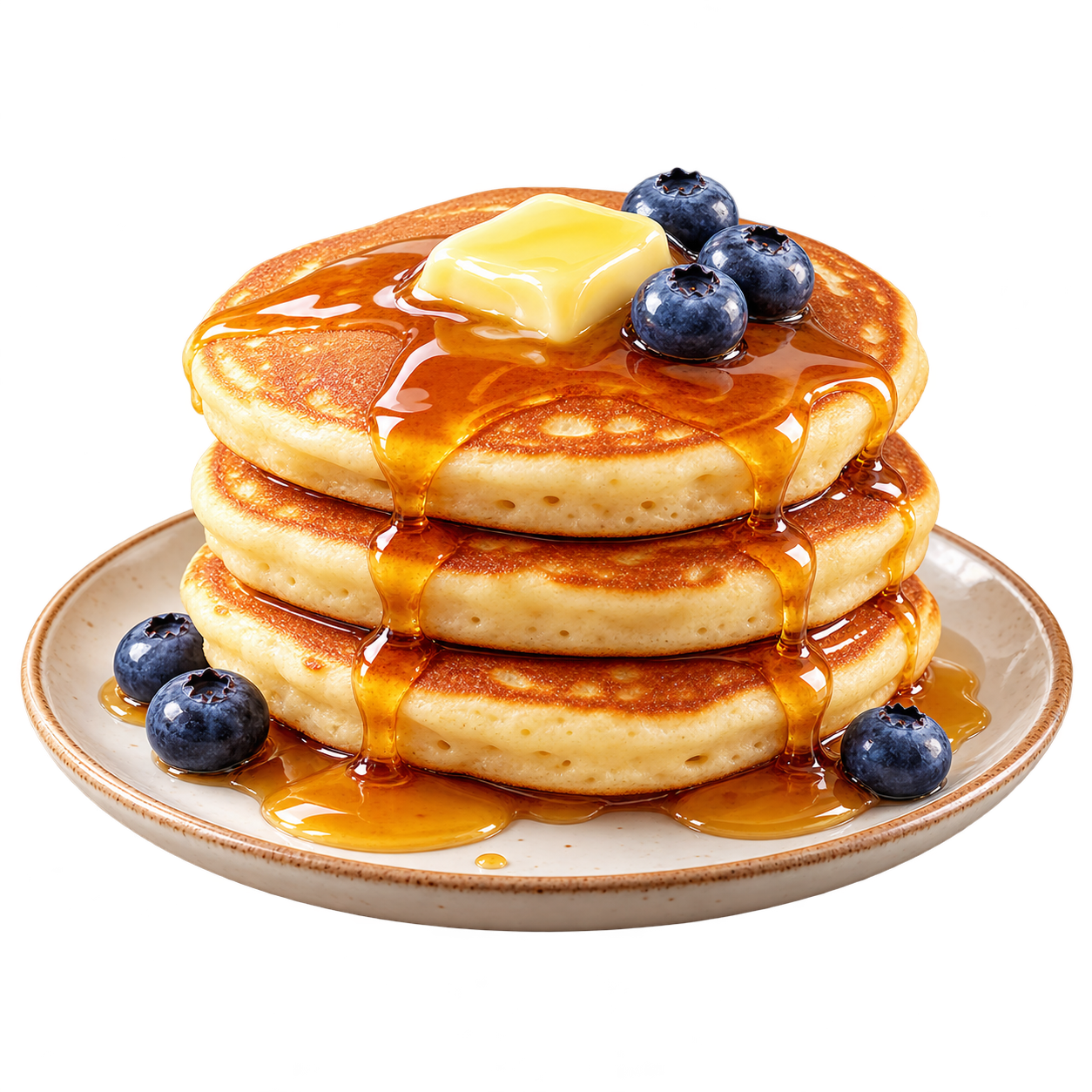
Pancakes: breakfast builds upwards
The pancakes built upwards. Butter took the roof; syrup found a route down the walls.
Checked fact. American pancakes are often made fluffy with baking powder and served in stacks.
Maple syrup is a serving option, not a compulsory batter ingredient.
4. Pannenkoek: apples stay visible
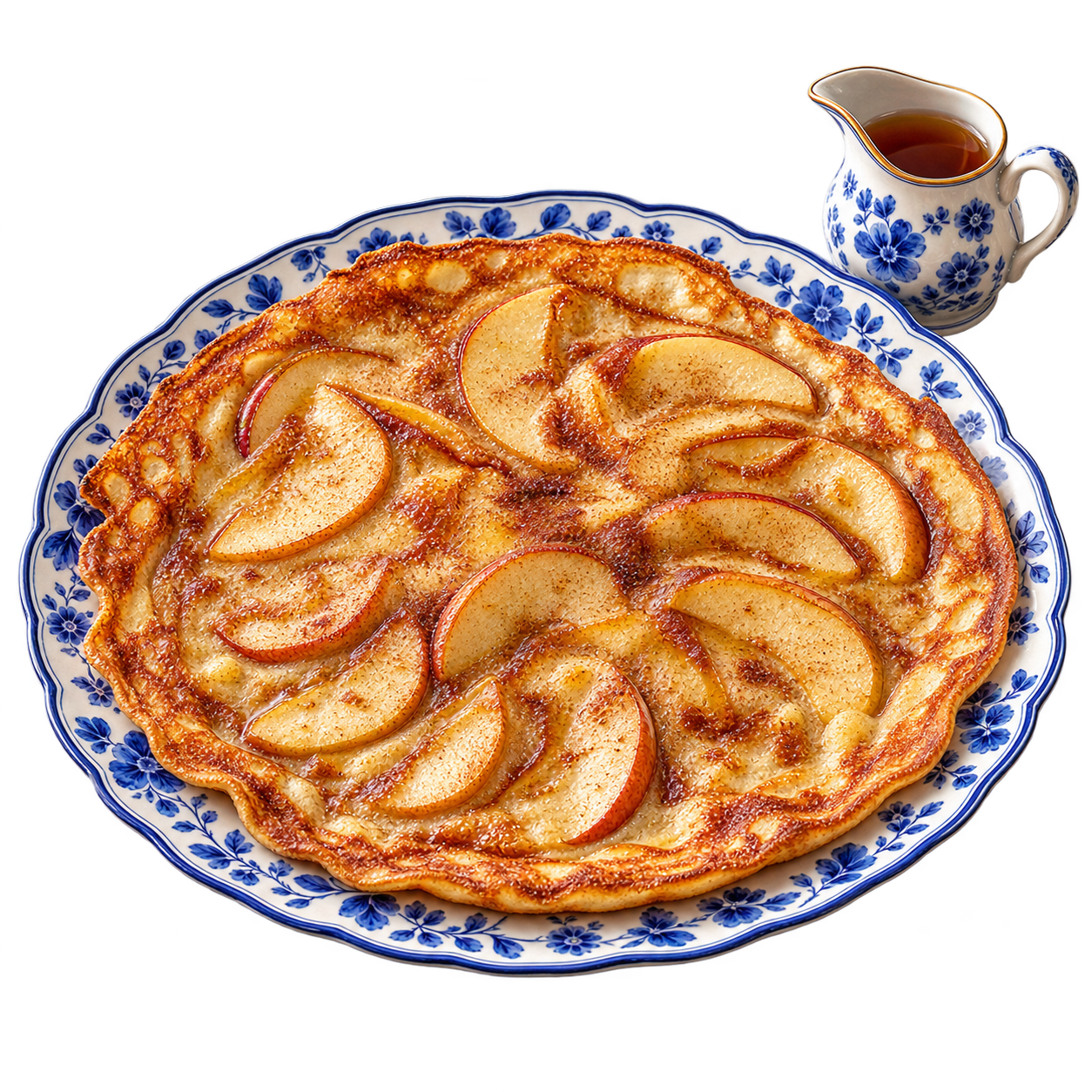
Pannenkoek: apples stay visible
Apple refused to hide in a filling. It lay inside the pancake and became part of its pattern.
Checked fact. Dutch pannenkoeken can be sweet or savoury; apple is a familiar addition.
Our version is broad and fairly thin, unlike little poffertjes.
5. Æbleskiver: pancakes turn round
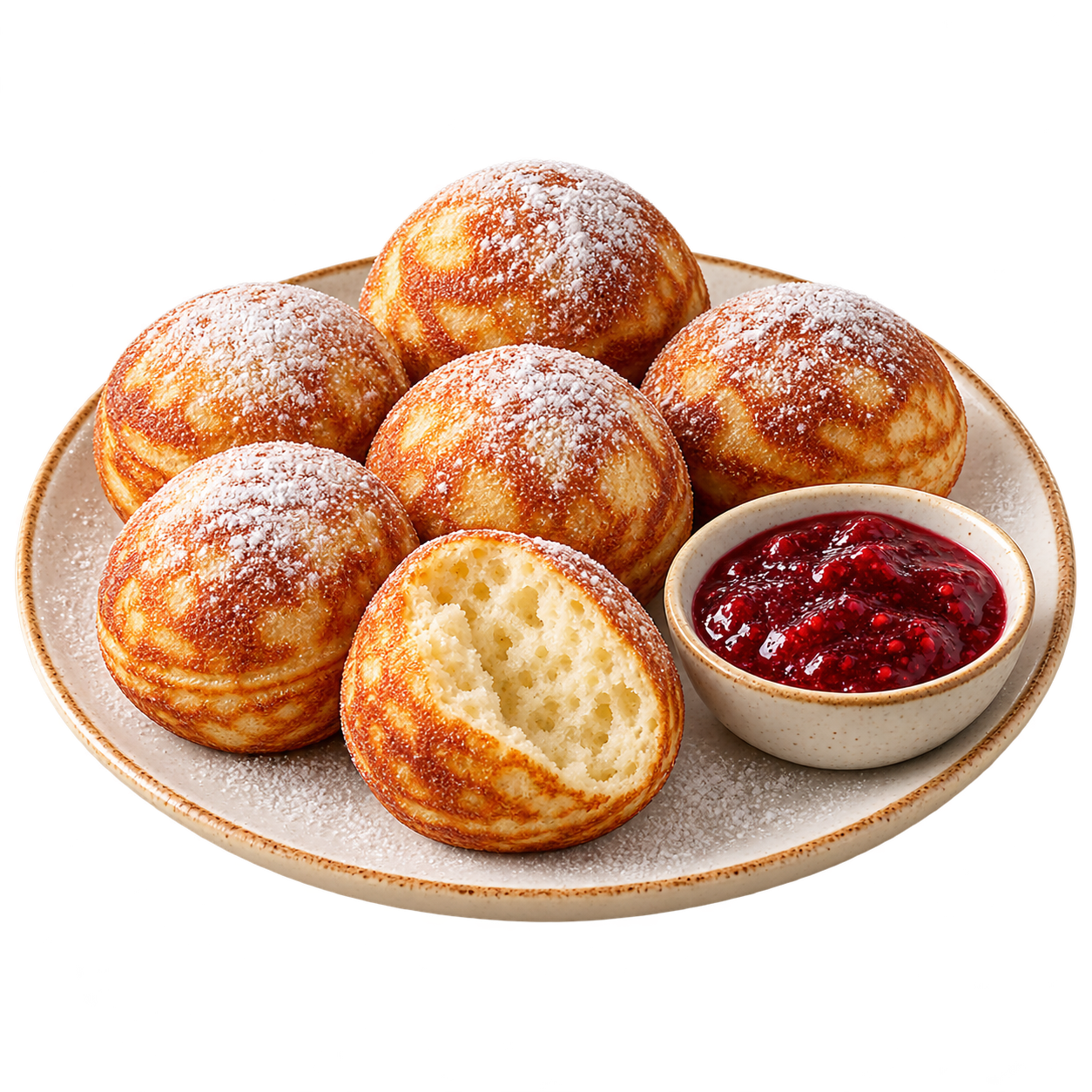
Æbleskiver: pancakes turn round
The pancake considered its flat neighbours and chose volume. Round pan hollows offered a new shape.
Checked fact. Danish æbleskiver are cooked in rounded pan hollows, turning the batter as it sets.
Despite the apple-related name, modern versions need not contain apples.
6. Dosa: crisp geometry
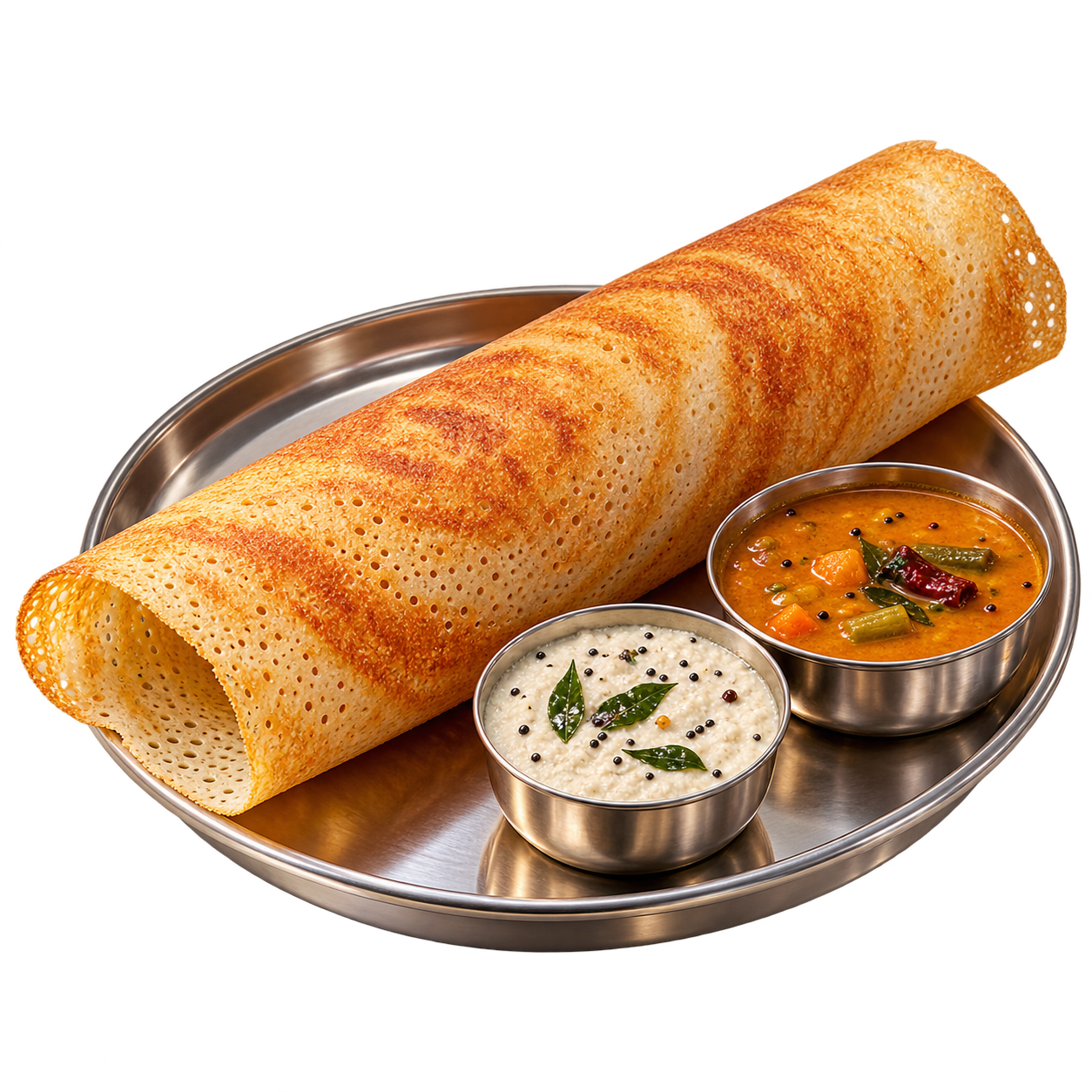
Dosa: crisp geometry
Dosa spread thinly across the griddle, then rolled up and left neighbouring bowls to chutney.
Checked fact. South Indian dosa commonly uses fermented rice and urad-dal batter.
Soft and crisp versions exist; we illustrate a thin crisp one.
7. Pajeon: spring onions draw stripes
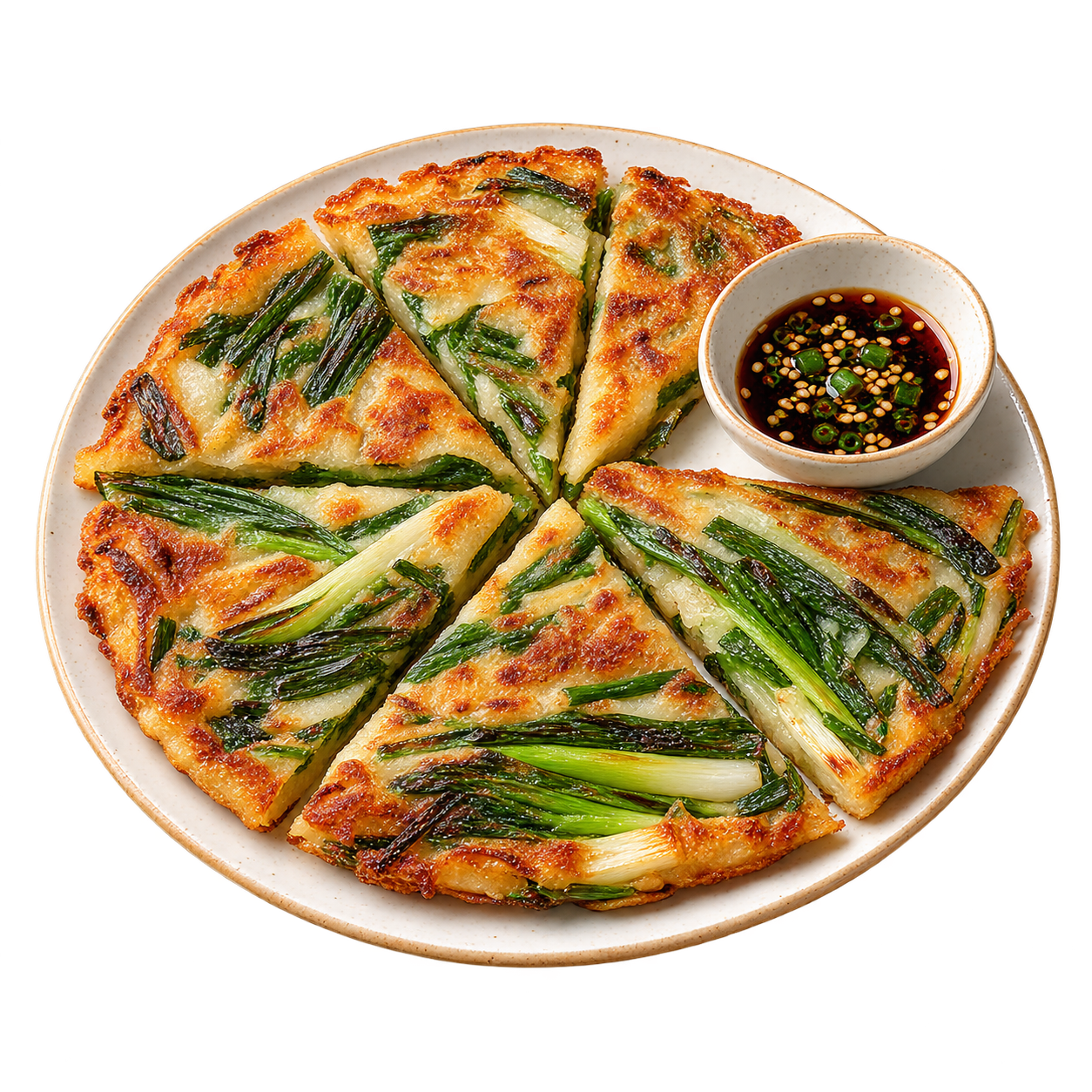
Pajeon: spring onions draw stripes
Spring onions arrived as long green lines. Batter turned them into an edible pattern.
Checked fact. Pajeon is a Korean spring-onion pancake, made with or without seafood.
We show a seafood-free version with a separate dipping sauce.
8. Baghrir: a thousand little windows
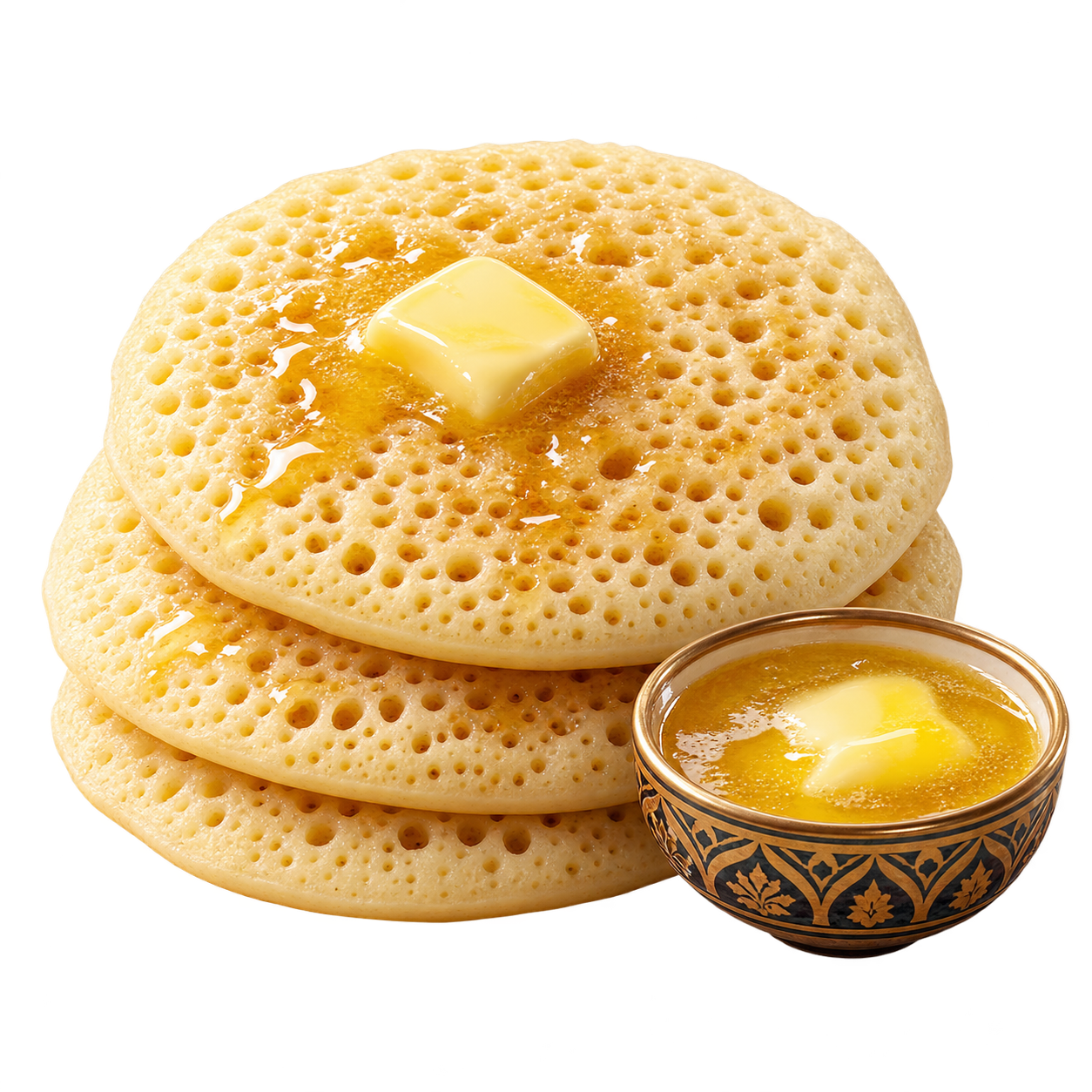
Baghrir: a thousand little windows
Baghrir opened a scatter of windows. Honey and butter immediately found places to visit.
Checked fact. Moroccan semolina-based baghrir develops characteristic holes and is generally cooked on one side.
The porous side stays pale rather than forming a dark crust.
9. Injera: pancake, bread and plate
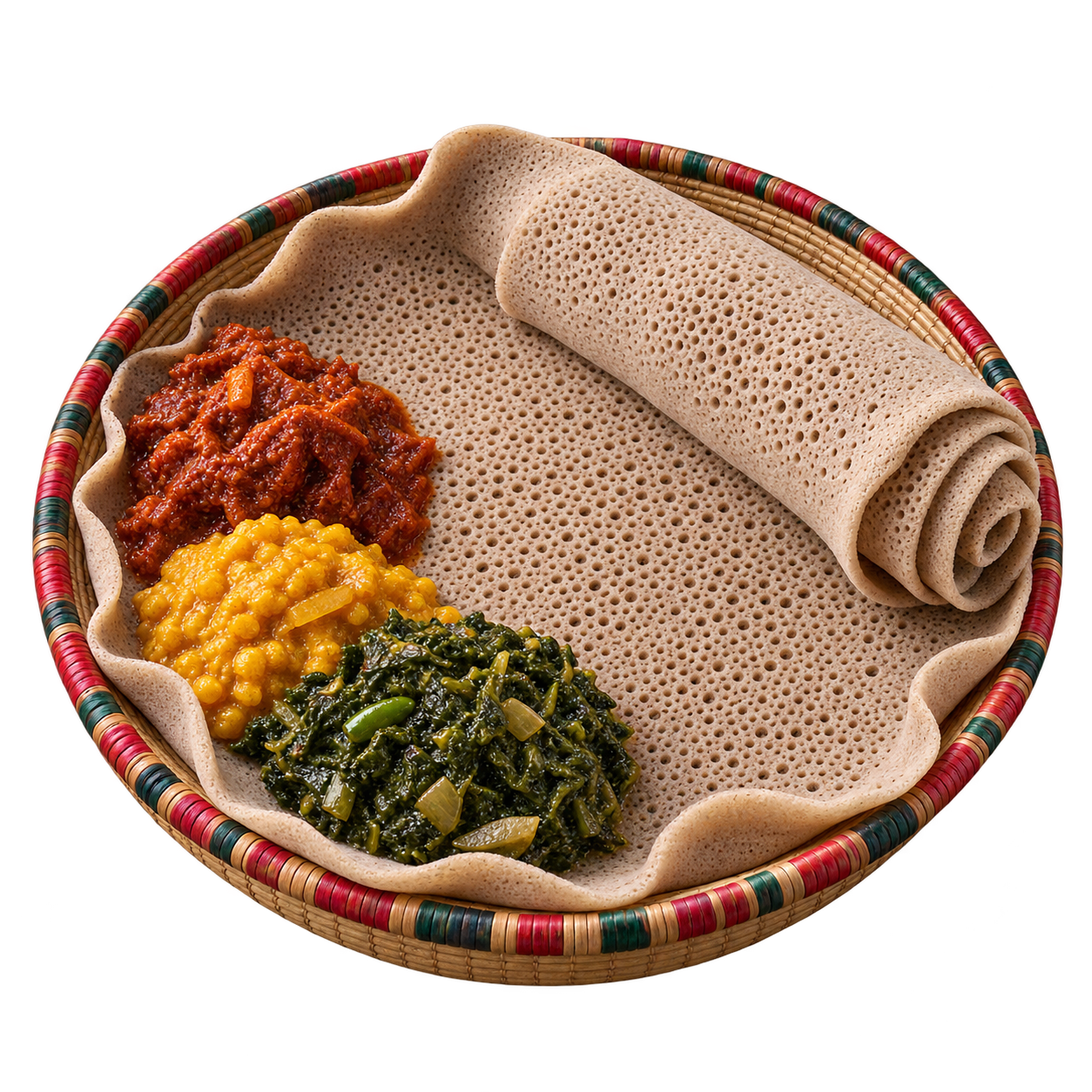
Injera: pancake, bread and plate
Injera offered to host the meal itself. Crockery was surprised, but torn pieces soon demonstrated the idea.
Checked fact. Ethiopian injera is a fermented spongy flatbread traditionally associated with teff, used as accompaniment and serving base.
Flour mixtures vary; it is not a generic wheat tortilla.
10. Cachapa: corn embraces cheese
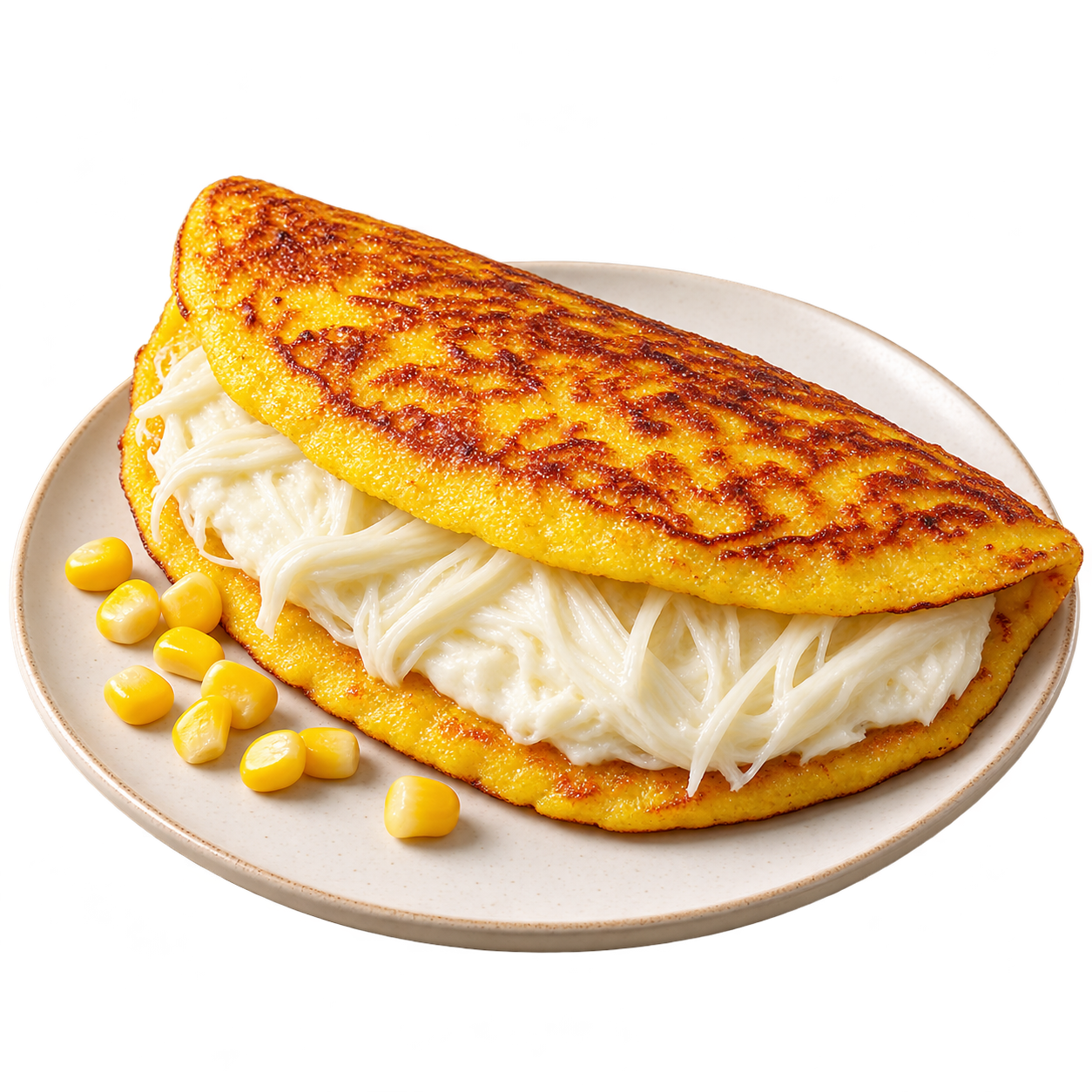
Cachapa: corn embraces cheese
Corn chose gold. Soft cheese occupied half the pancake, which folded into a warm embrace.
Checked fact. Venezuelan cachapa is a corn pancake, popularly served with soft white cheese.
We show a griddle-cooked cachapa, not a leaf-wrapped preparation.
Each has its own character
Sometimes flour matters, sometimes fermentation or the pan. Roundness does not make all pancakes alike.