
Slender and plump, white and red, cheese-filled and coiled: ten kinds for hot serving. A cultural collection, not universal cooking instructions.
The editorial team created these illustrations with AI. They explain the subjects rather than photograph specific products. Each card links to a source.
1. Weisswurst
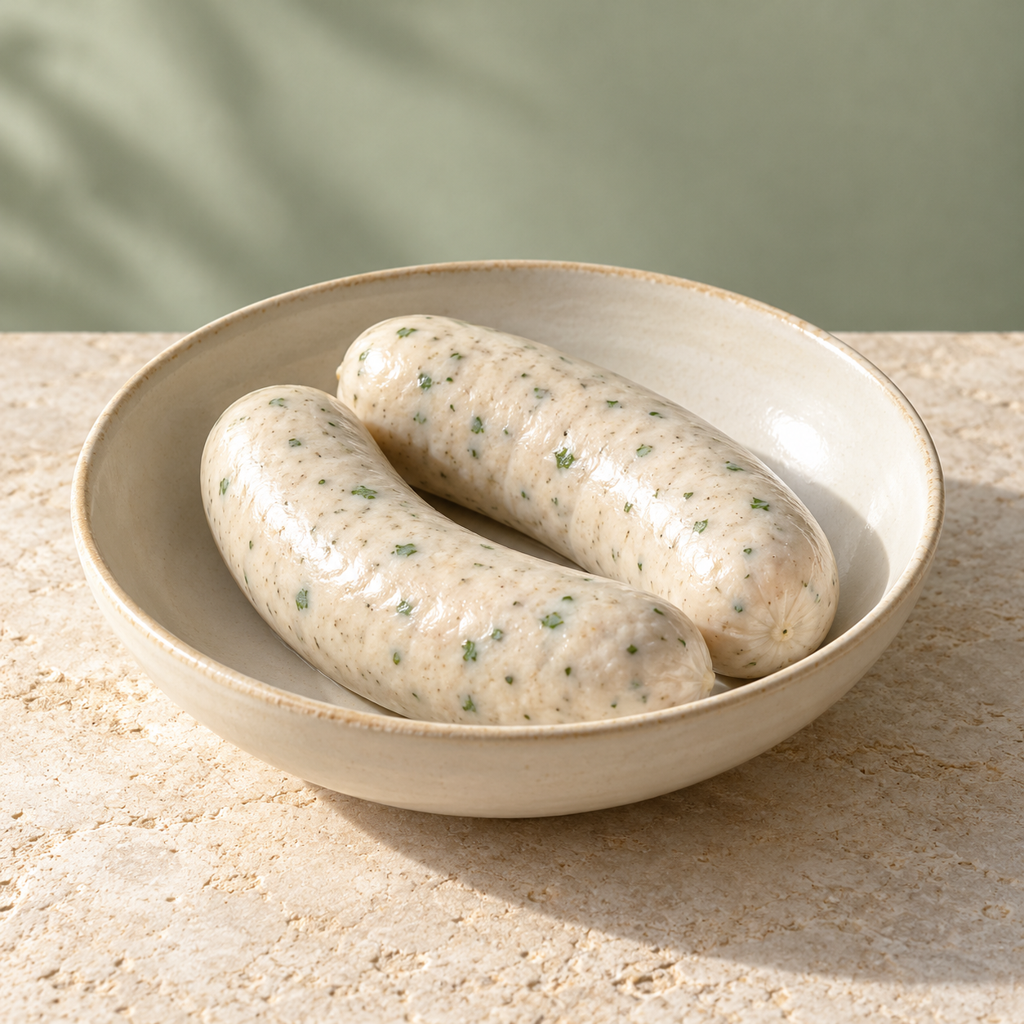
Munich · Germany
Munich white sausage is recognizable by its pale casing and green parsley flecks. Its natural setting is a warm bowl rather than a black grill.
Checked fact. Weisswurst is Munich’s traditional white sausage, served warmed in water.
Source: Source — Weisswurst
2. Nuremberg bratwurst
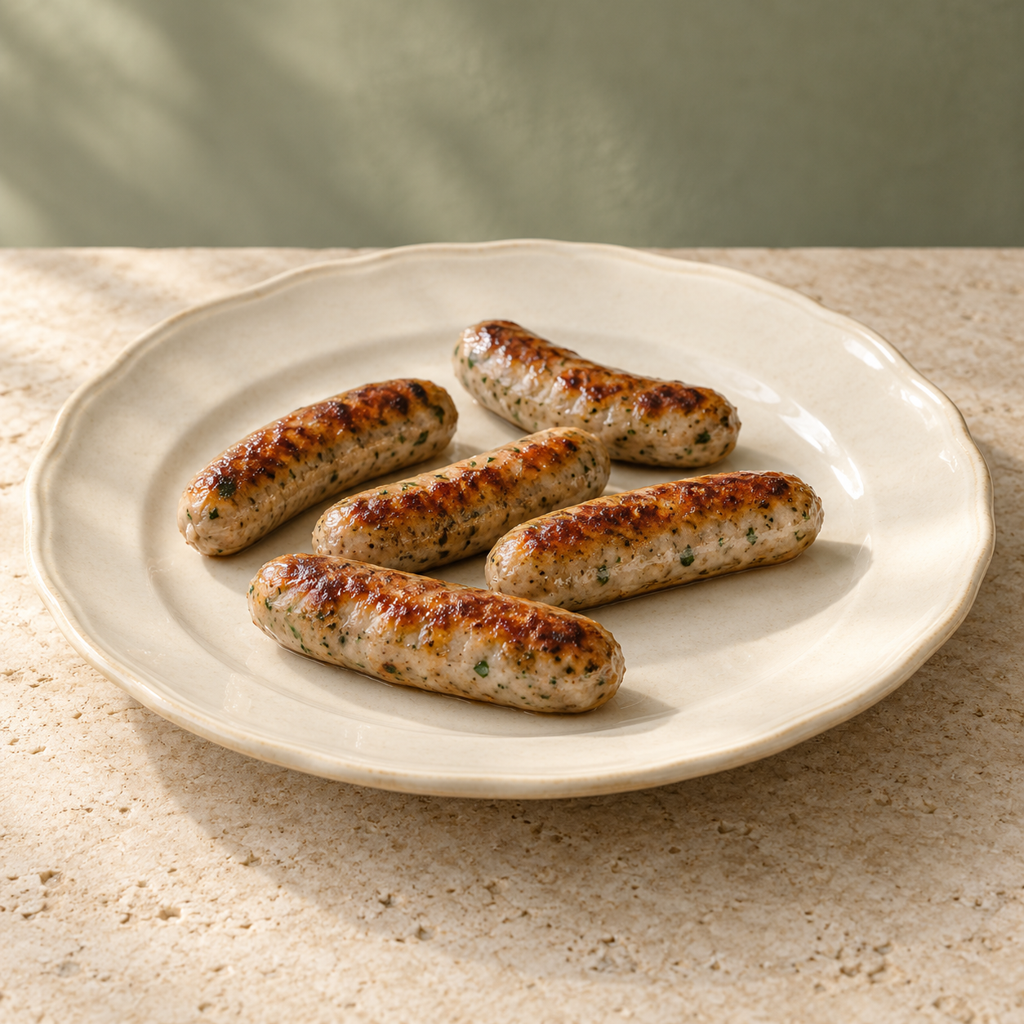
Nuremberg · Germany
Several tiny sausages look almost like a tasting collection. Their defining feature is deliberately modest size rather than filling an entire grill with one link.
Checked fact. Nuremberg Rostbratwürste measure about 7–9 cm; their regional name is protected.
Source: Source — Nuremberg bratwurst
3. Vienna sausages
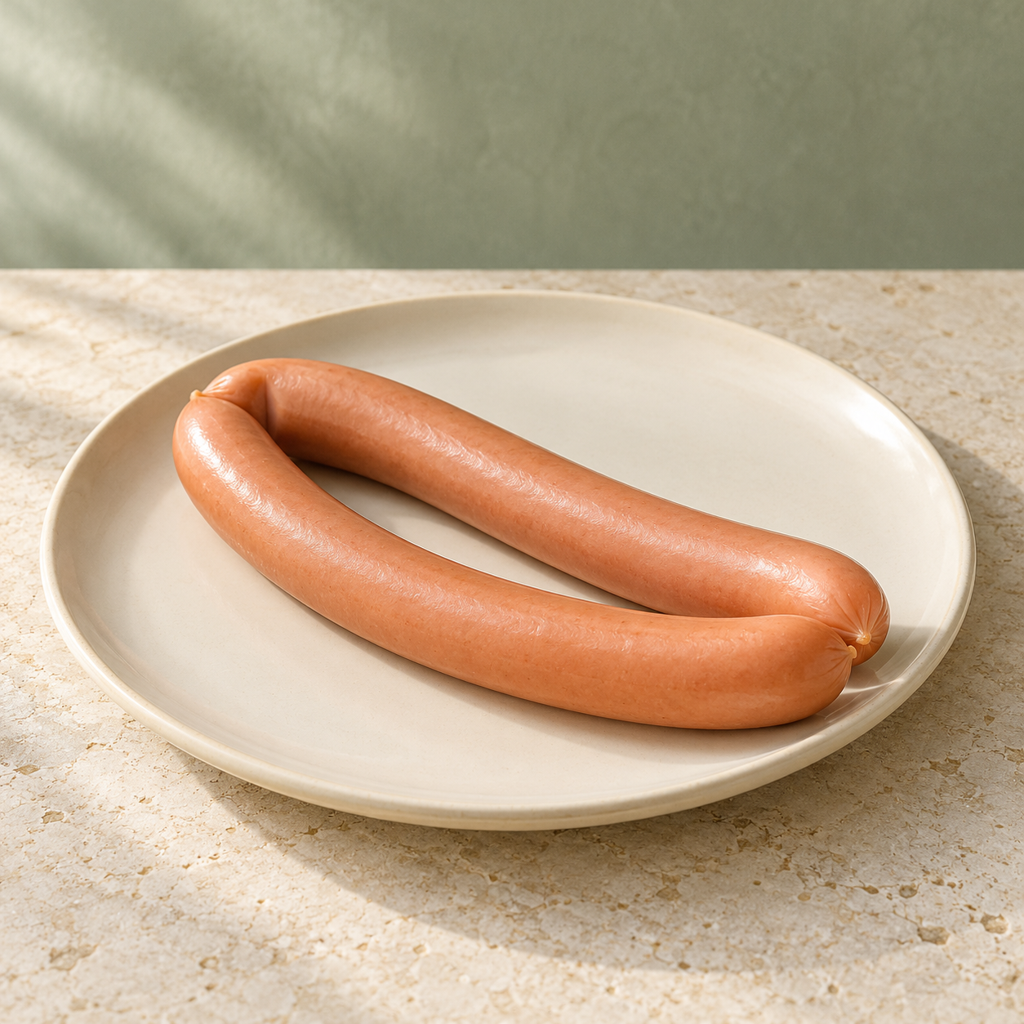
Vienna · Austria
A slender pair with smooth casings is a familiar silhouette. Names travel as readily as recipes: Vienna and Germany do not always use the same word.
Checked fact. What Germany calls Wiener Würstchen is generally known as Frankfurter in Austria.
Source: Source — Vienna sausages
4. Bockwurst
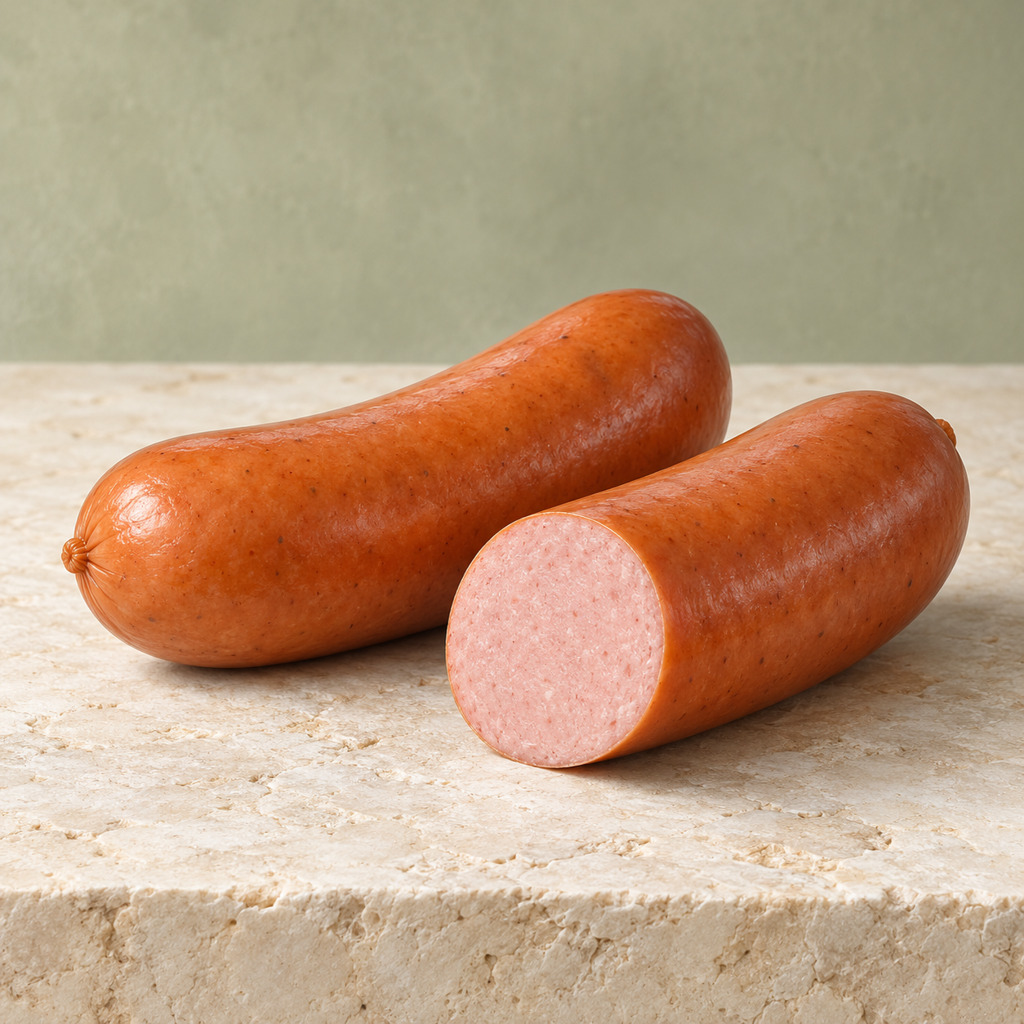
Germany
A short plump link looks sturdier than a slender Wiener. Its cut surface is finely textured, unlike the large meat islands of Krakowska sausage.
Checked fact. Bockwurst is a specific German sausage name, not a general word for every sausage.
Source: Source — Bockwurst
5. Swiss cervelat
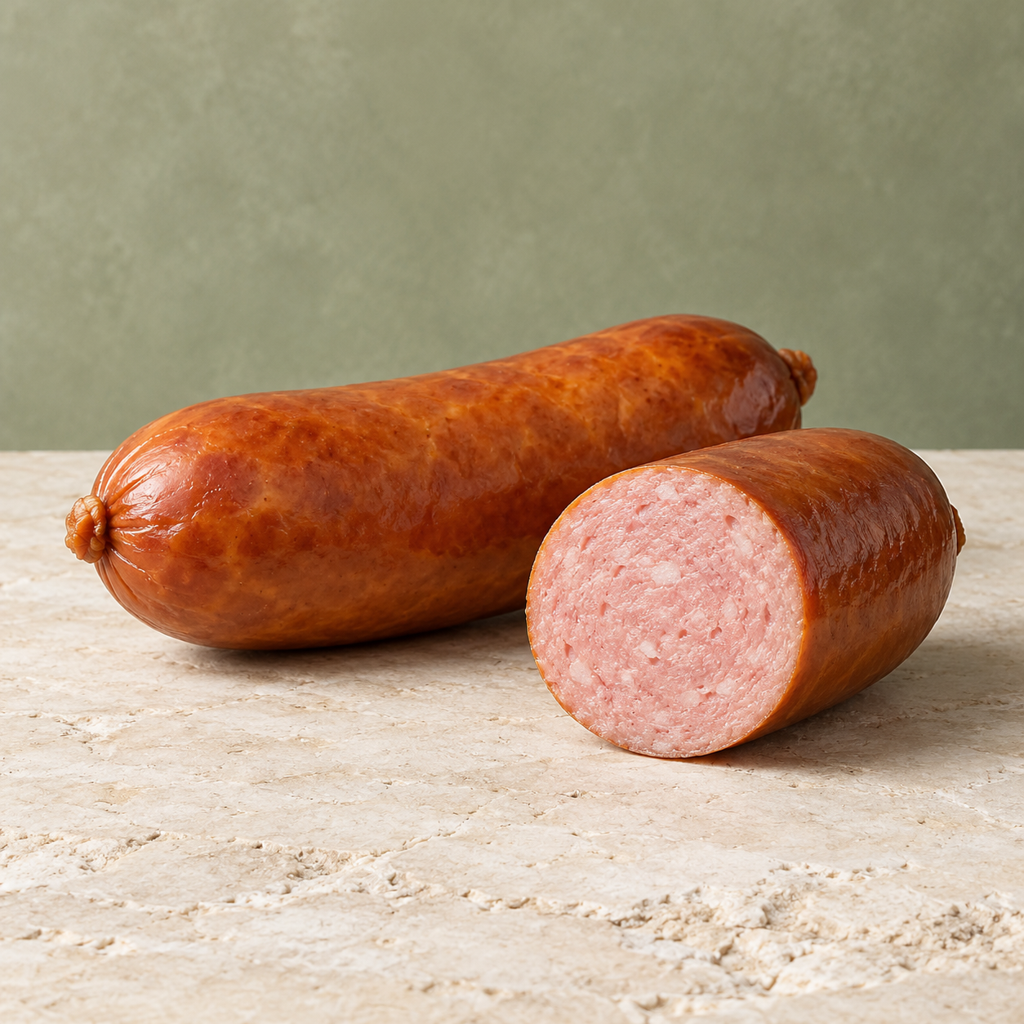
Switzerland
A familiar name can hide an unfamiliar object. Swiss cervelat is a short stout sausage, unlike the long slicing sausage known by that name elsewhere.
Checked fact. Swiss cervelat is used in salads as well as on the grill.
Source: Source — Swiss cervelat
6. Sardelki
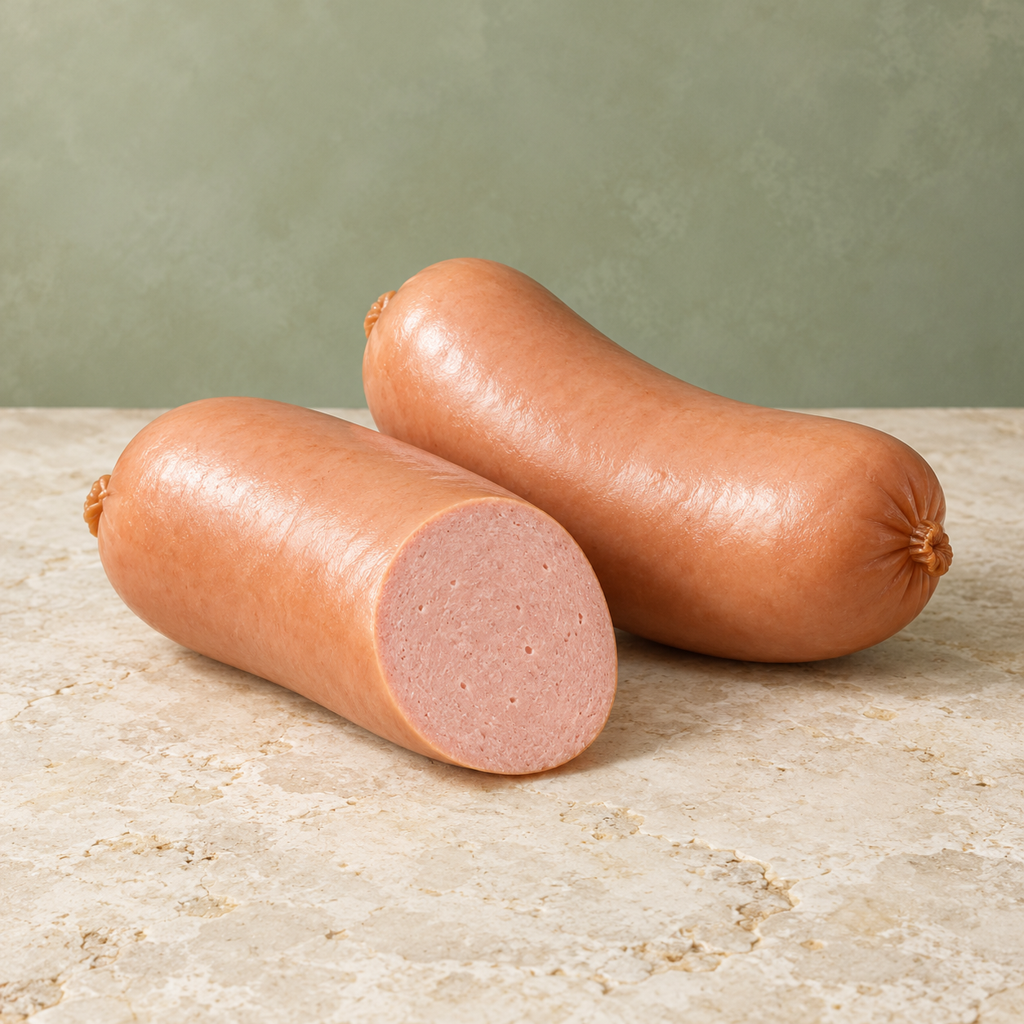
Eastern Europe
A familiar short thick shape brings the journey home. Even among related products, size and proportions can create a distinct character.
Checked fact. Sardelki are generally thicker than slender sausages and have a uniform cooked-sausage texture.
Source: Source — Sardelki
7. Knackwurst
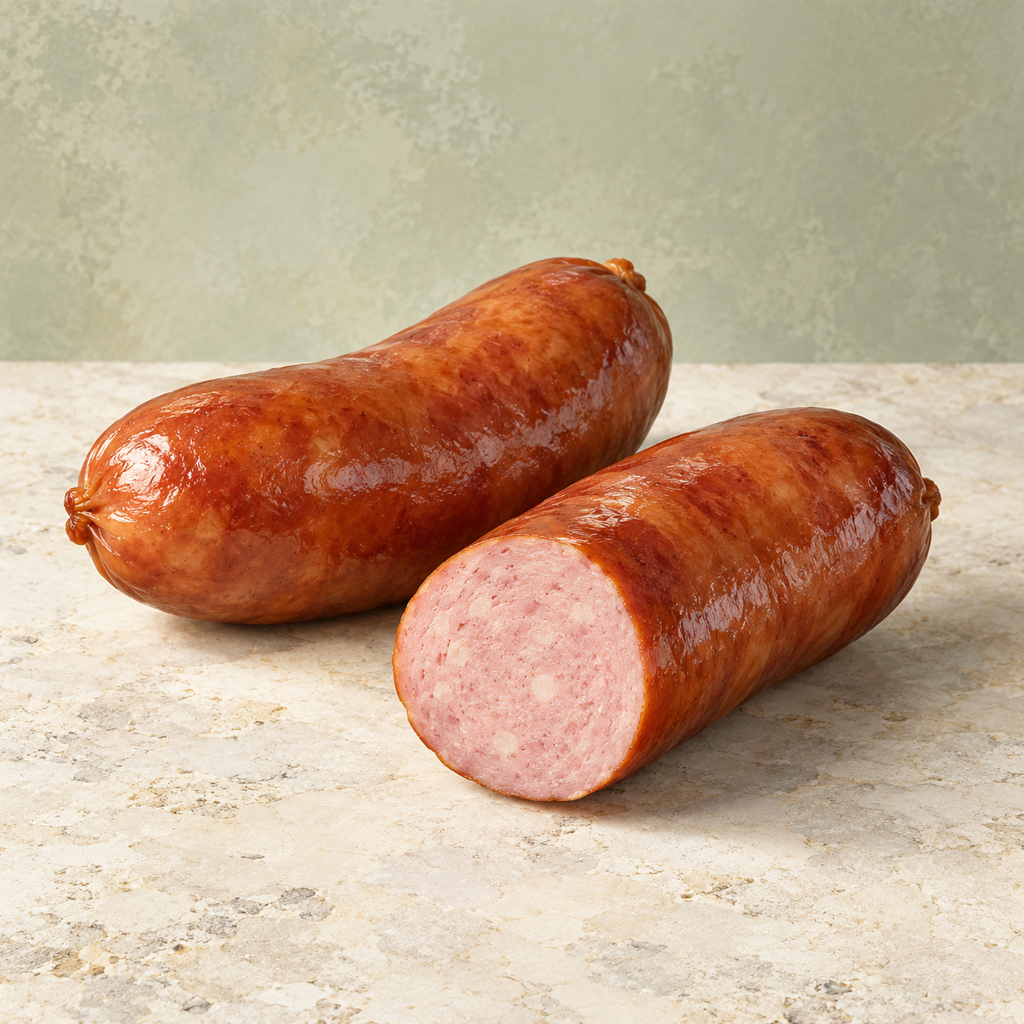
Shape, texture and tradition
Its short plump form and smooth casing suggest a cousin of sardelki. German assortments place Knacker beside Wiener and Bockwurst, not in place of them.
Checked fact. Knackwurst and Knacker can describe different regional products; check the individual product’s ingredients.
Source: Source — Knackwurst
8. Käsekrainer
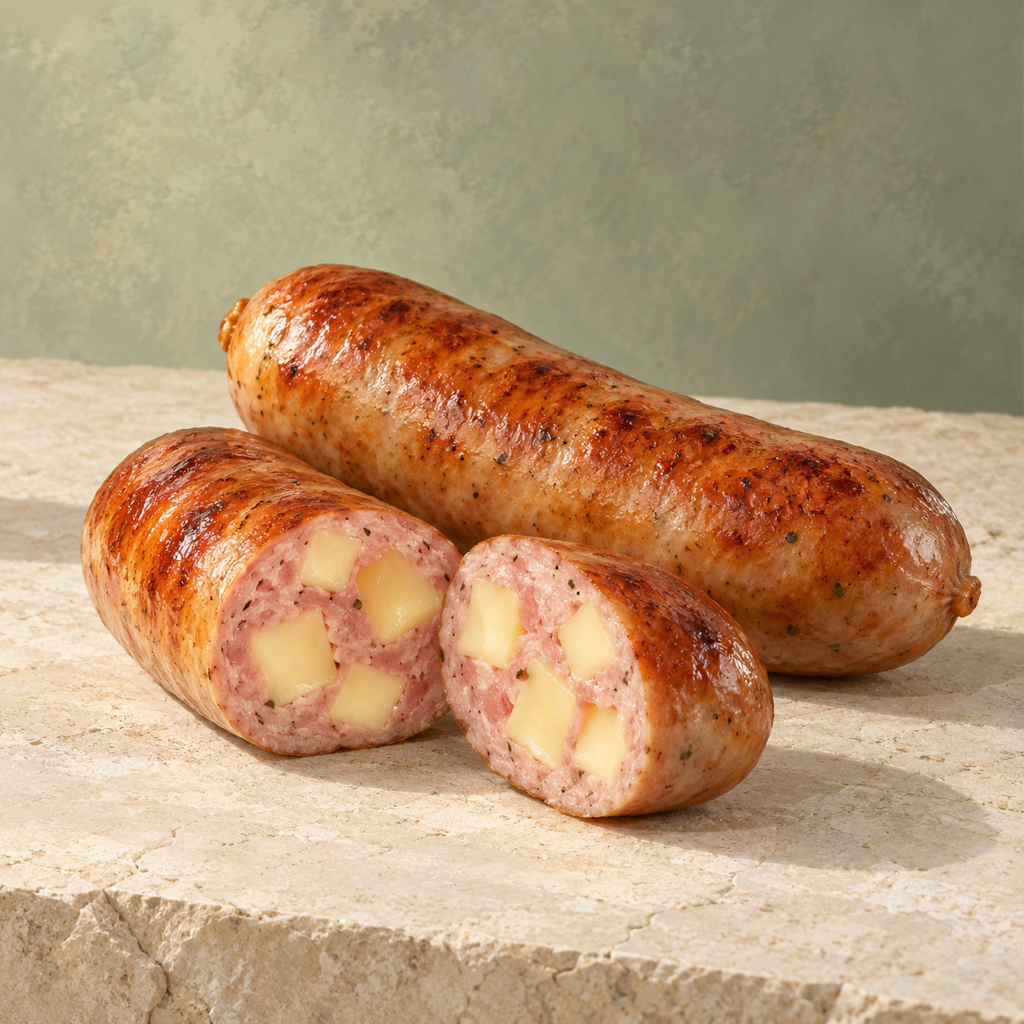
Shape, texture and tradition
The cut reveals pale islands of cheese inside the meat. This is more than a change in length or thickness: a familiar sausage gains a second material.
Checked fact. Käsekrainer is an Austrian lightly smoked sausage containing cheese.
Source: Source — Käsekrainer
9. Merguez
Shape, texture and tradition
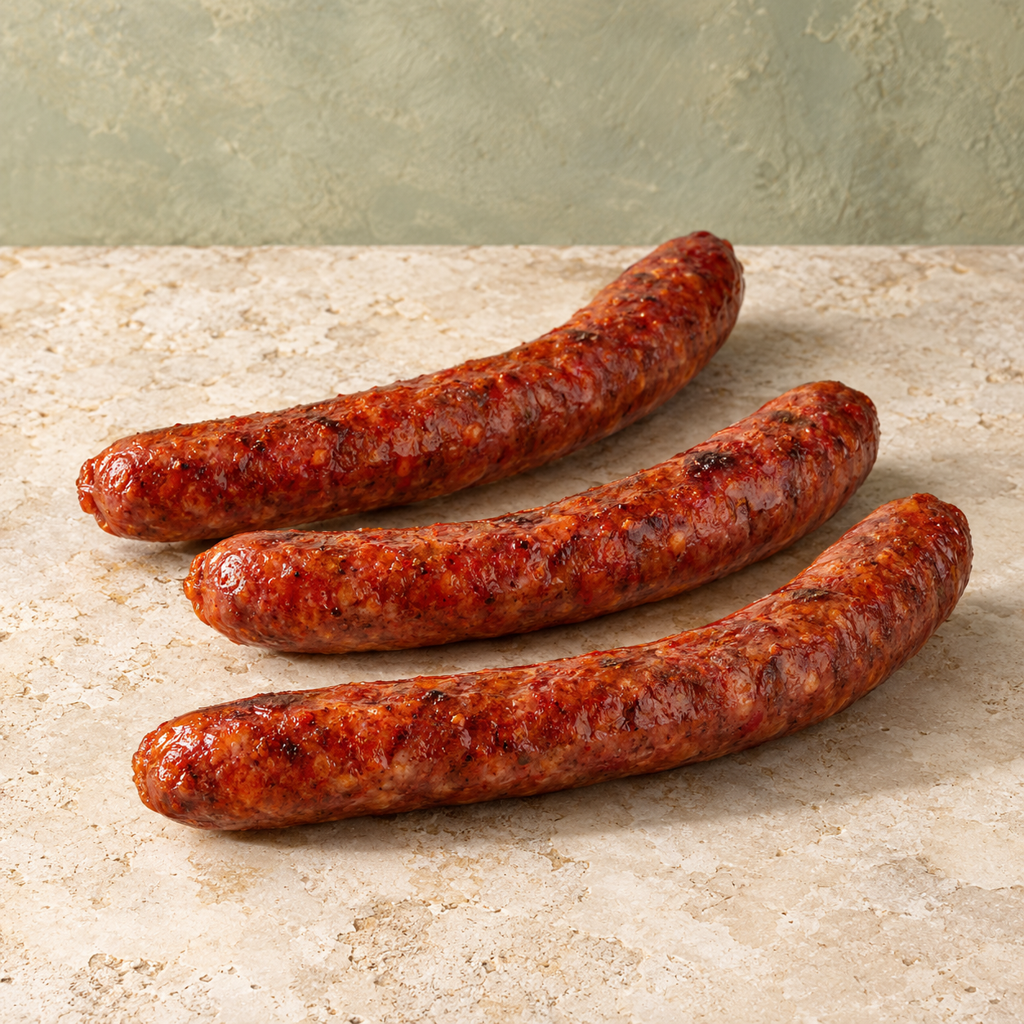
Slender red links add a different color and texture. Do not confuse them with dense cured chorizo: a similar hue does not make the same product.
Checked fact. Merguez can be made with beef and sheep meat; ingredients depend on the recipe.
Source: Source — Merguez
10. Boerewors
Shape, texture and tradition
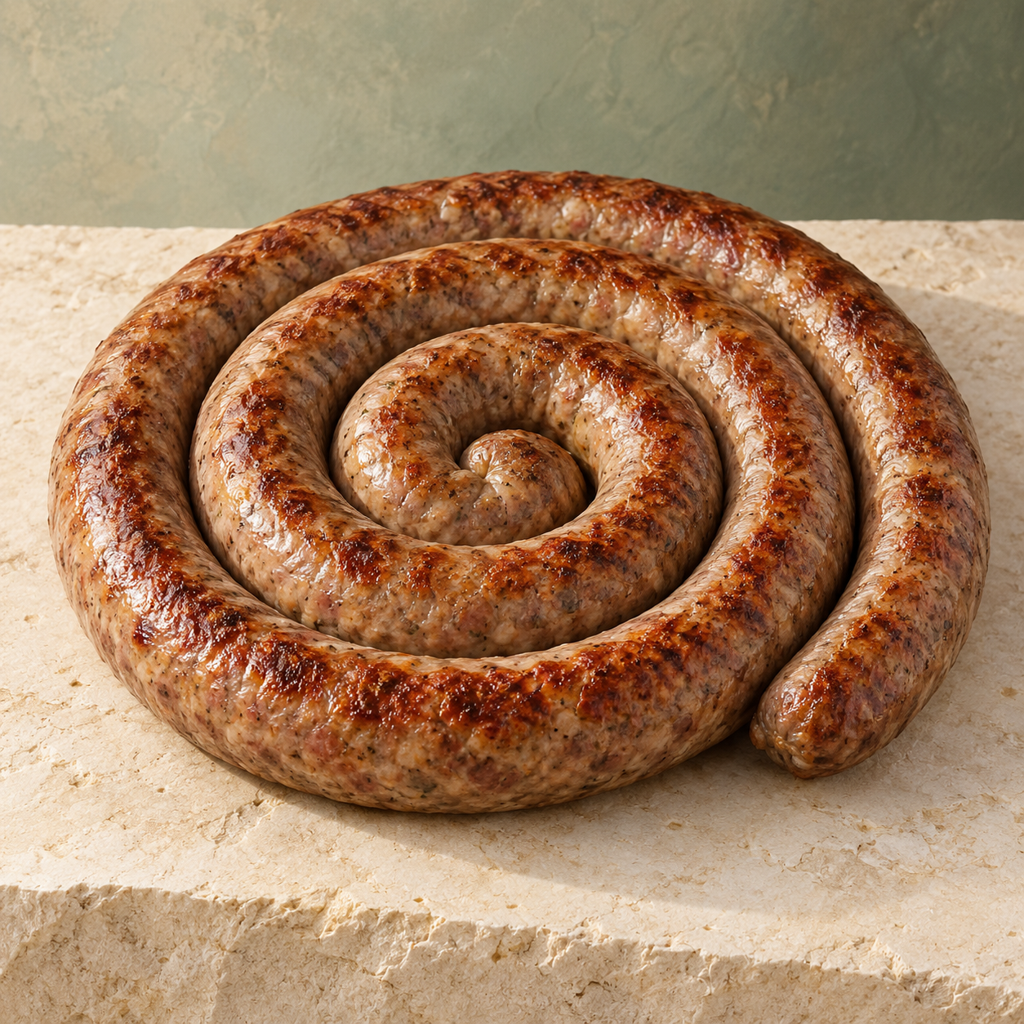
Instead of separate short links, a long sausage forms a spiral. The geometry changes: a whole meat coil replaces a pair of frankfurters.
Checked fact. South African boerewors is commonly coiled; coriander is among its characteristic spices.
Source: Source — Boerewors
Another collection: Ten charcuterie sausages: from mortadella to ’nduja