
One cup can tell more than it seems: about the climate, hospitality, the habits of neighbors and even why tea can be pink and salty. We collected ten hot drinks from different countries, drew a gift for each and checked the details from cultural and tourism sources. Recipes differ from house to house - below are recognizable variations, not the only correct recipes.
1. Masala chai: spices stage a meeting
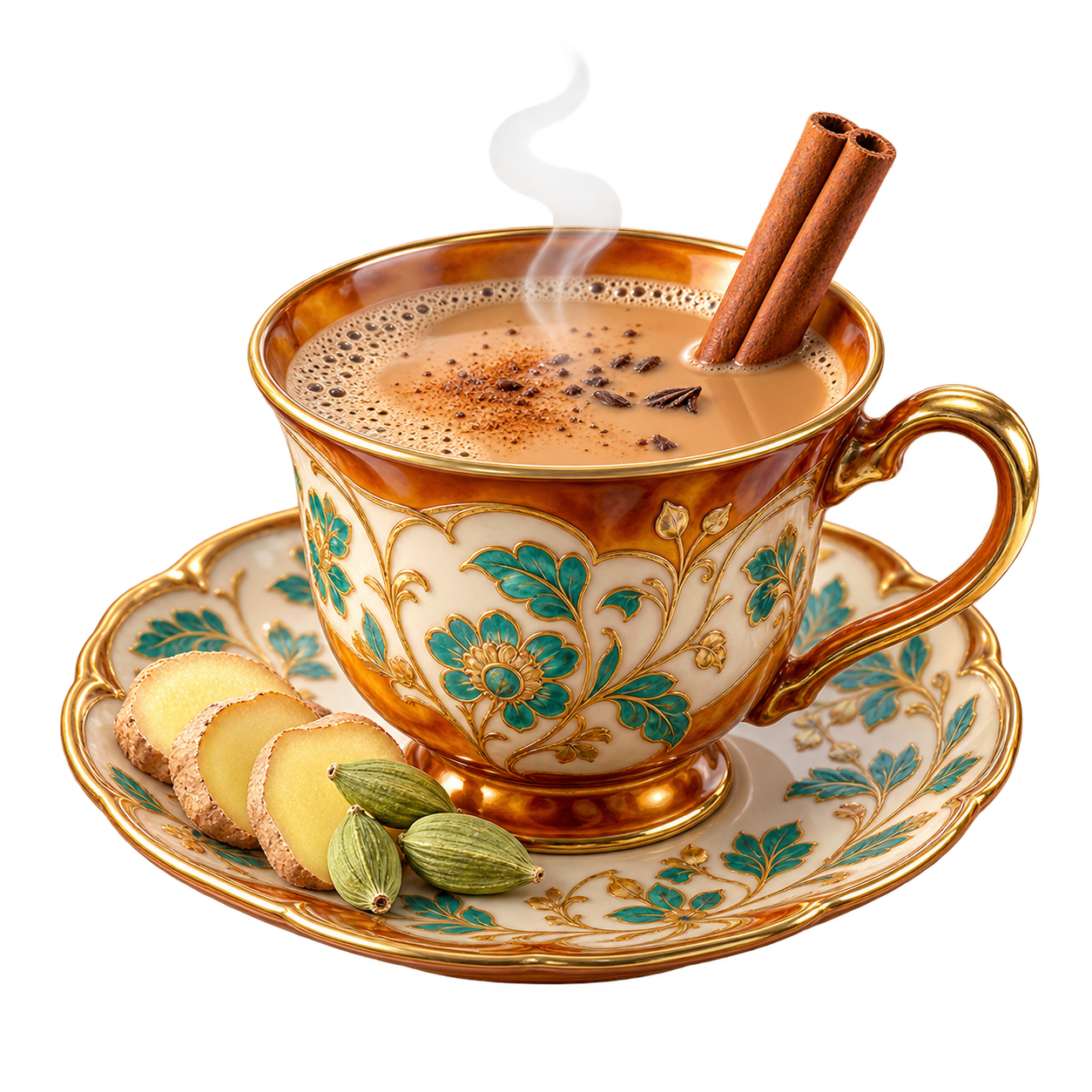
India · black tea and spices.
The cardamom offered flavor, the ginger offered character, and the cinnamon offered a subtle sweetness. Black tea listened to everyone and decided that the company was quite suitable for a cup. Masala chai does not have one constant list of spices: it sounds different in different homes.
In our picture there is milk tea. This is how it is often served, but the main feature of the drink is not the milk, but the combination of the tea base and spices. Three spices on a saucer show one possible set, not a rule for every kitchen.
What's in the cup? Indian black tea with spices; Common additives include cardamom, ginger and cinnamon. Milk and sweetness are selected according to taste.
2. Matcha: tea that is not strained
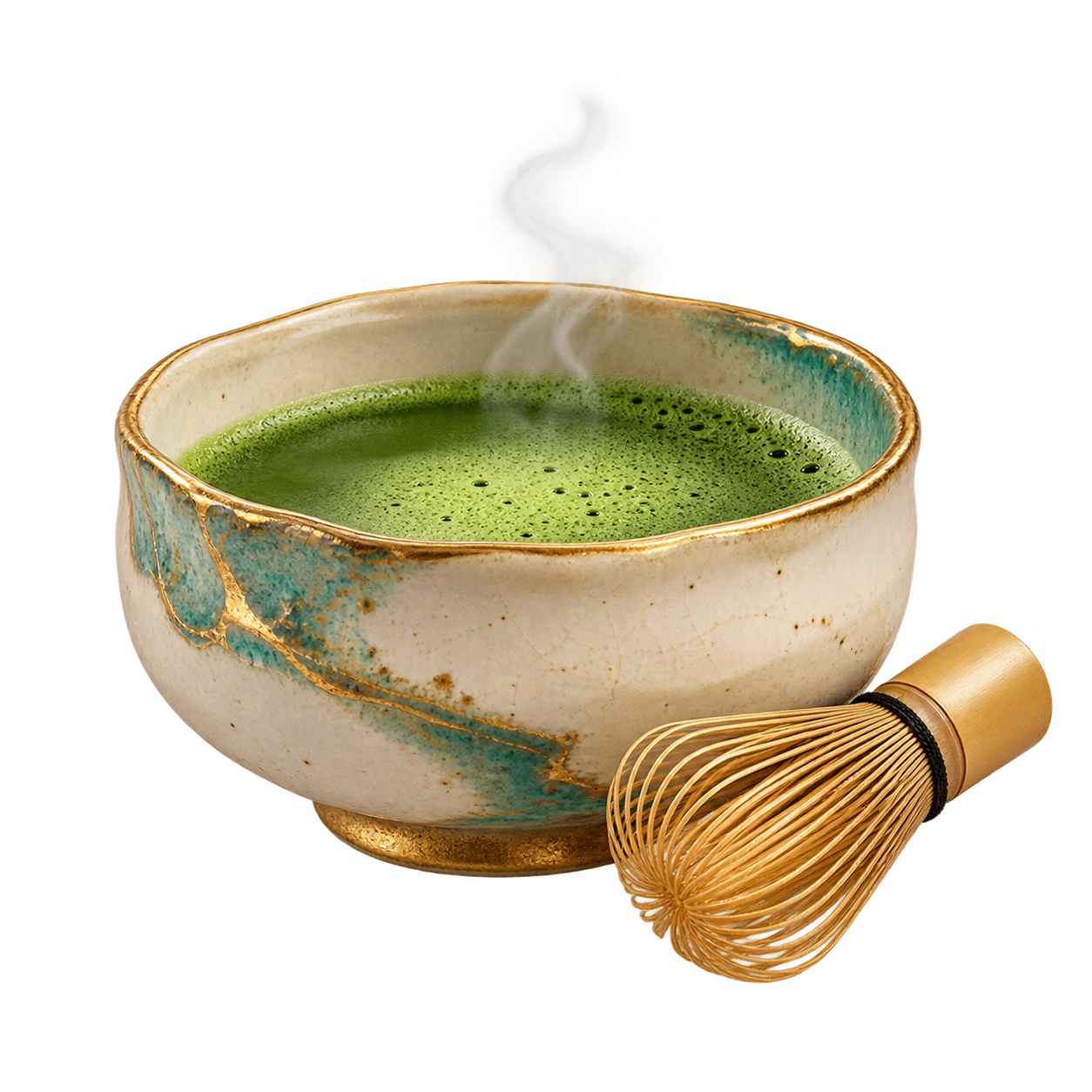
Japan · powdered green tea.
Regular loose leaf tea is given time to float in the water, and then the leaves are removed. Matcha works differently: the fine powder remains in the bowl itself. The bamboo whisk breaks up lumps and raises a thin green foam. The soup spoon has nothing to do with it.
Matcha is famous for its tea ceremony, where preparation and serving become part of the interaction with the guest. But it can be prepared without ceremony; This does not turn the drink into a different type of tea.
How it is prepared. Green tea powder is combined with hot water and whisked in a bowl. It is not an infusion of the leaves that is then strained.
Sources:Japan Heritage andJapan National Tourism Organization. Gift “Green Silence” →
3. Turkish coffee: conversation starts with foam
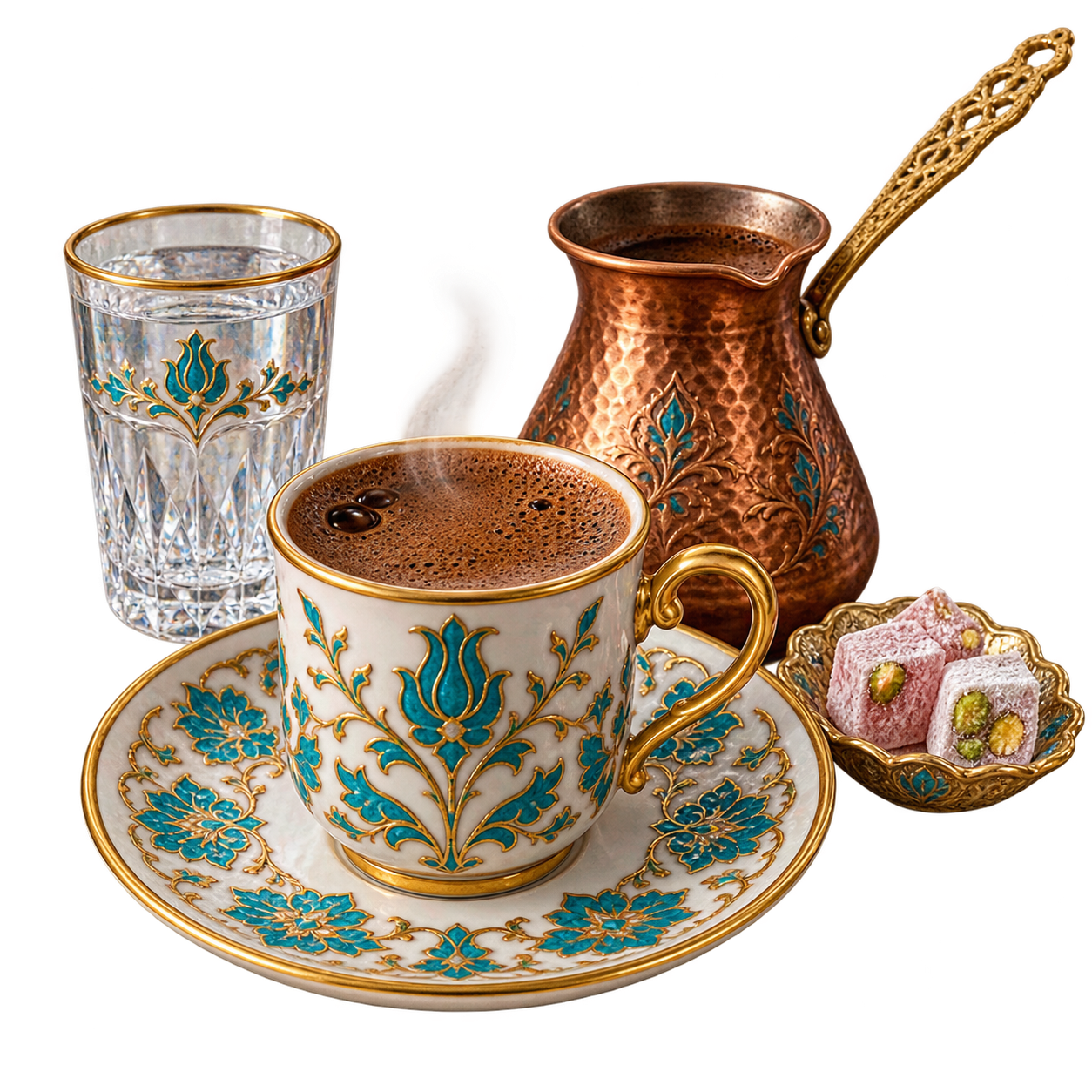
Türkiye · finely ground coffee in a cezve.
The small cup tells you: there is no hurry. The coffee, ground almost to dust, is combined with water in a cezve and heated slowly. Foam appears on the surface, and after serving the grounds remain in the cup. Here the conversation lasts longer than the drink.
UNESCO added Turkish coffee culture and tradition to its list of intangible heritage in 2013. The description talks not only about the brewing method, but also about meetings, hospitality and conversations in coffee shops and at home.
Not filtered. Very finely ground coffee is boiled with water, sometimes with sugar; served in small cups, often with a glass of water. Sediment in the cup is a normal part of the cooking method.
Source:UNESCO, Turkish coffee tradition. Gift “Conversation at the Cezve” →
4. Moroccan tea: mint welcomes the guest
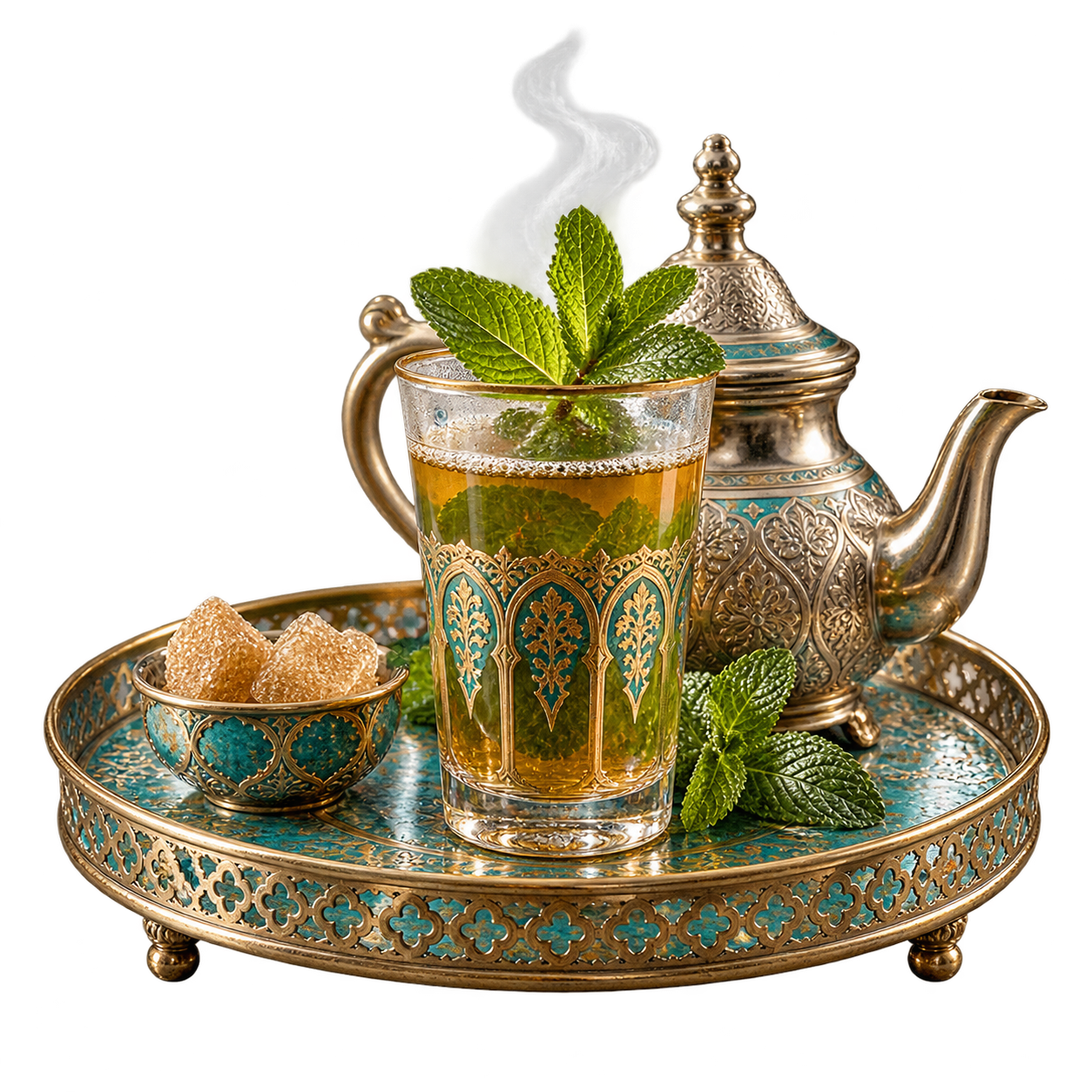
Morocco · green tea, mint, often sugar.
A guest appears at the door - the teapot is already preparing for its main role. Mint tea is poured into small glasses, sometimes raising the teapot high above them. It’s beautiful, but the point is not only the spectacle: the cup here is an invitation to linger and talk.
The Moroccan tourism authority describes the drink as green tea with mint and emphasizes its ceremonial role. The amount of sugar varies; Don't imagine all Moroccan cups to be equally sweet.
The basis of the drink. Brew green tea, add mint; Sugar is added according to the habit of the family or owner. Serve hot in small glasses.
Source:National Tourist Office of Morocco. Gift “Mint Hospitality” →
5. Atole: when the corn decided to warm up
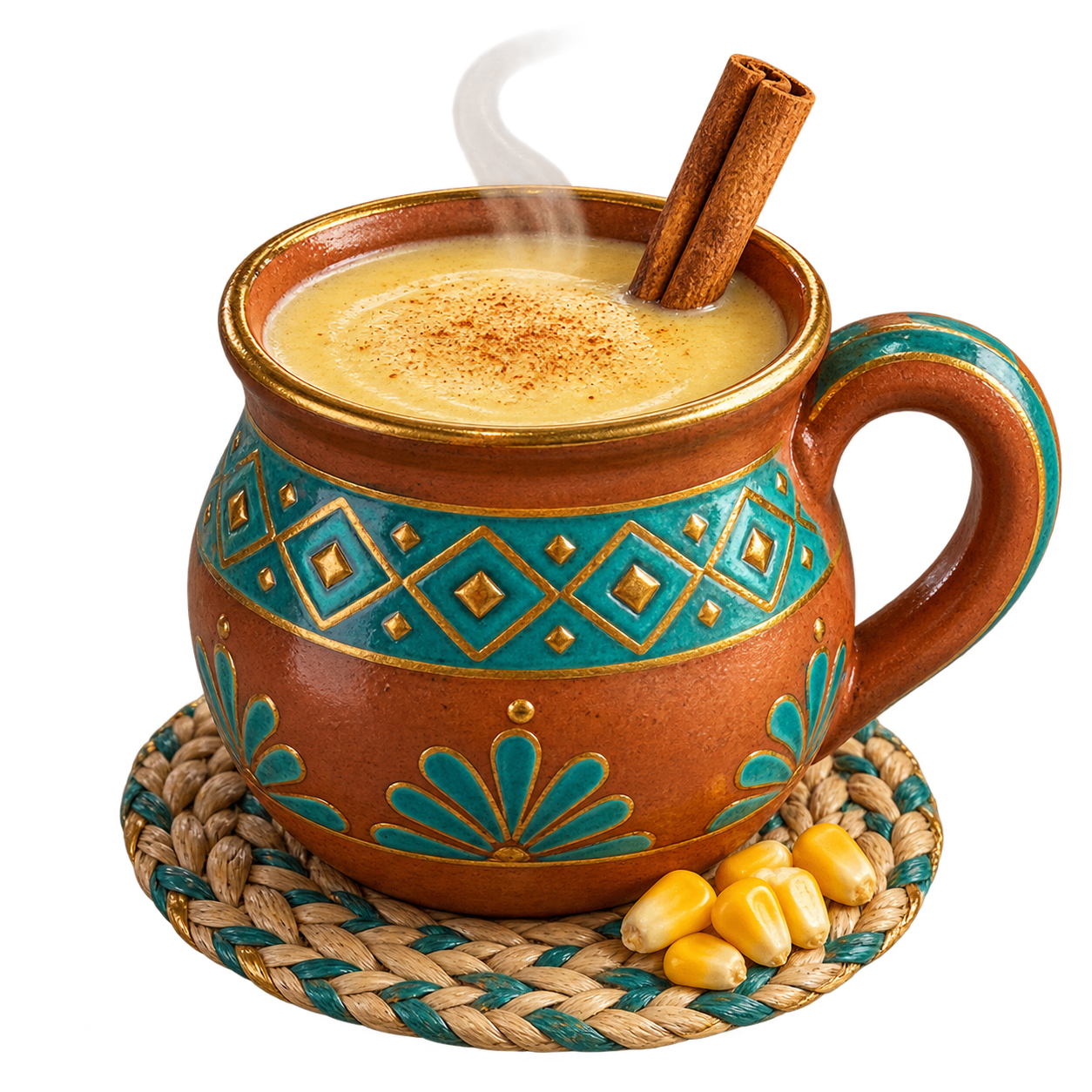
Mexico · corn mixture and water or milk.
Corn can be a flatbread, porridge and even a hot drink. For atole, the corn mixture is stirred into liquid and heated until it thickens the drink. The mug turns out to be so filling that it competes with breakfast for the right to be called food.
There are many versions: with cinnamon, fruit, vanilla or cocoa. The picture shows light atole with cinnamon. If you add chocolate, you get a related, but separate option - champurrado.
Main ingredient. The base of atole is a corn mixture cooked with water or milk; The taste is changed with additives. It's not just milk with corn kernels.
Sources:Ministry of Agriculture of Mexico andatole recipe. Gift “Corn Warmth” →
6. Hanoi Egg Coffee: Dessert pretended to be a drink
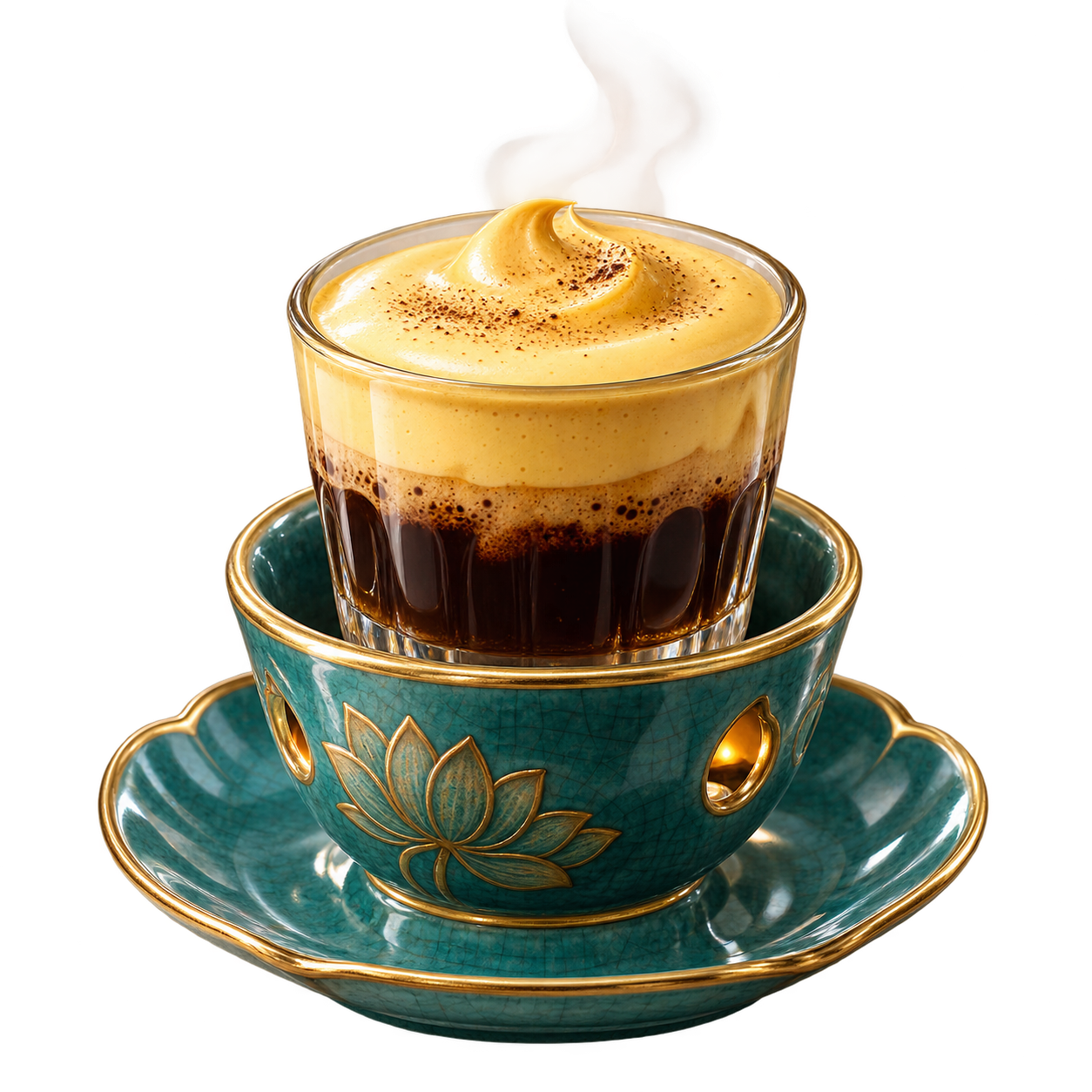
Vietnam · strong coffee and sweet egg foam.
At the bottom of the glass is dark coffee. On top is a lush cloud in which the whipped yolk meets sweet condensed milk. This is coffee that you can take a spoon to first: the creamy top puts you in the dessert mood.
In Vietnam it is known as cà phê trứng and is especially associated with Hanoi. The story that the recipe appeared during a milk shortage in the 1940s is given by the official tourism portal; The ratios and presentation vary in different cafes.
Two layers. Strong hot coffee at the bottom, sweet whipped mixture with egg yolk at the top. Do not put a whole raw egg in a cup.
Sources:Vietnam Tourism about Hanoi cuisine andabout the history and composition of the drink. Gift “Hanoi Cloud” →
7. Yuja tea: a citrus that doesn't need tea leaves
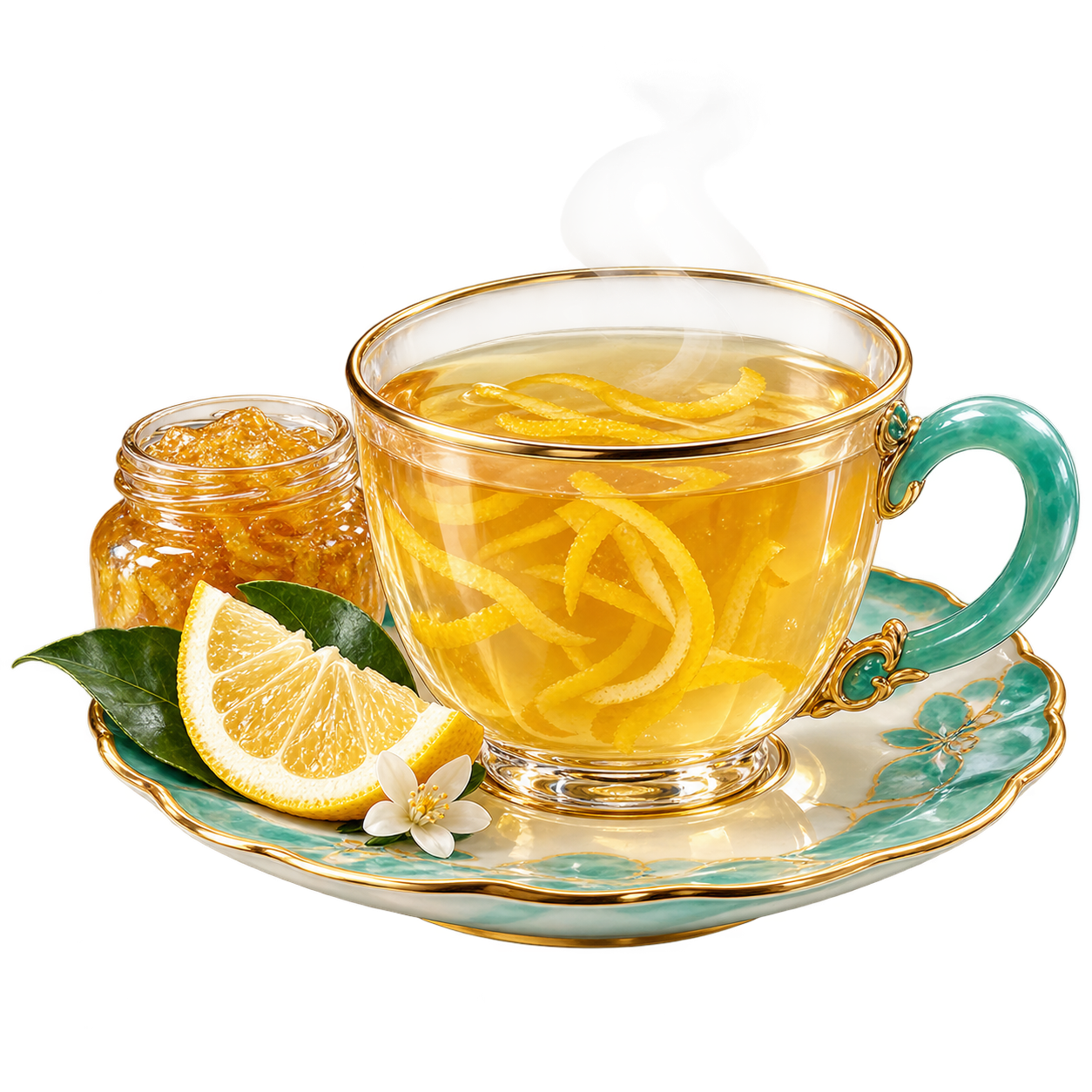
Korea · Yuja citrus, sugar or honey, hot water.
The name promises tea, but the Yuja tea jar may contain no tea leaves at all. Thinly sliced aromatic citrus is kept with sugar or honey, and then a spoonful of the resulting sweet mixture is diluted with hot water. It turns out to be a sunny cup with pieces of zest.
The Korean Tourism Organization describes just such a preparation. Therefore, you should not confuse the drink with green tea, to which you simply squeezed a little lemon: its aroma and texture are provided by a fruit base.
What is prepared in advance? Yuja is preserved in sugar or honey, then diluted with hot water. Tea leaves are optional in this version.
8. Mate: the cup goes around in a circle
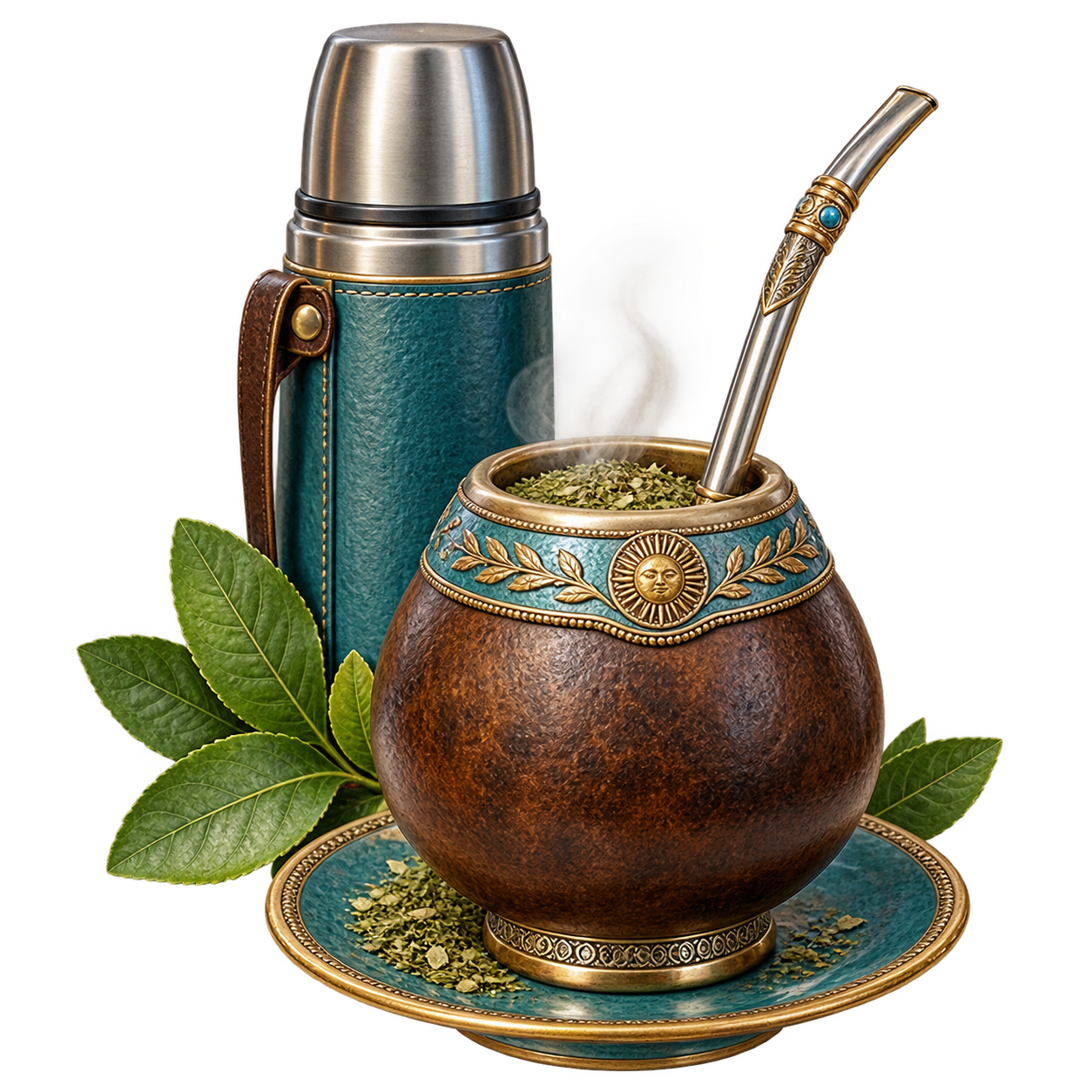
Argentina and neighboring countries · yerba mate, water, bombilla.
The thermos stands next to a vessel that looks like a small pumpkin, and a metal tube with a filter peeks out of it. The vessel is filled with yerba mate, hot water is added and the infusion is drunk through a bombilla. Then water is added again; in company, mate can move from person to person.
Argentine sources link the early use of yerba to Guarani. The custom is also widespread outside Argentina, so it would be inaccurate to declare mate an invention of one modern country.
Temperature matters. Yerba is poured with hot, but not boiling water; the Argentine travel portal advises around 70–80 °C. Bombilla is not stirred like a spoon.
Sources:Argentine cultural register andArgentina tourism portal. Gift “Green Circle” →
9. Rooibos: Red without the tea bush
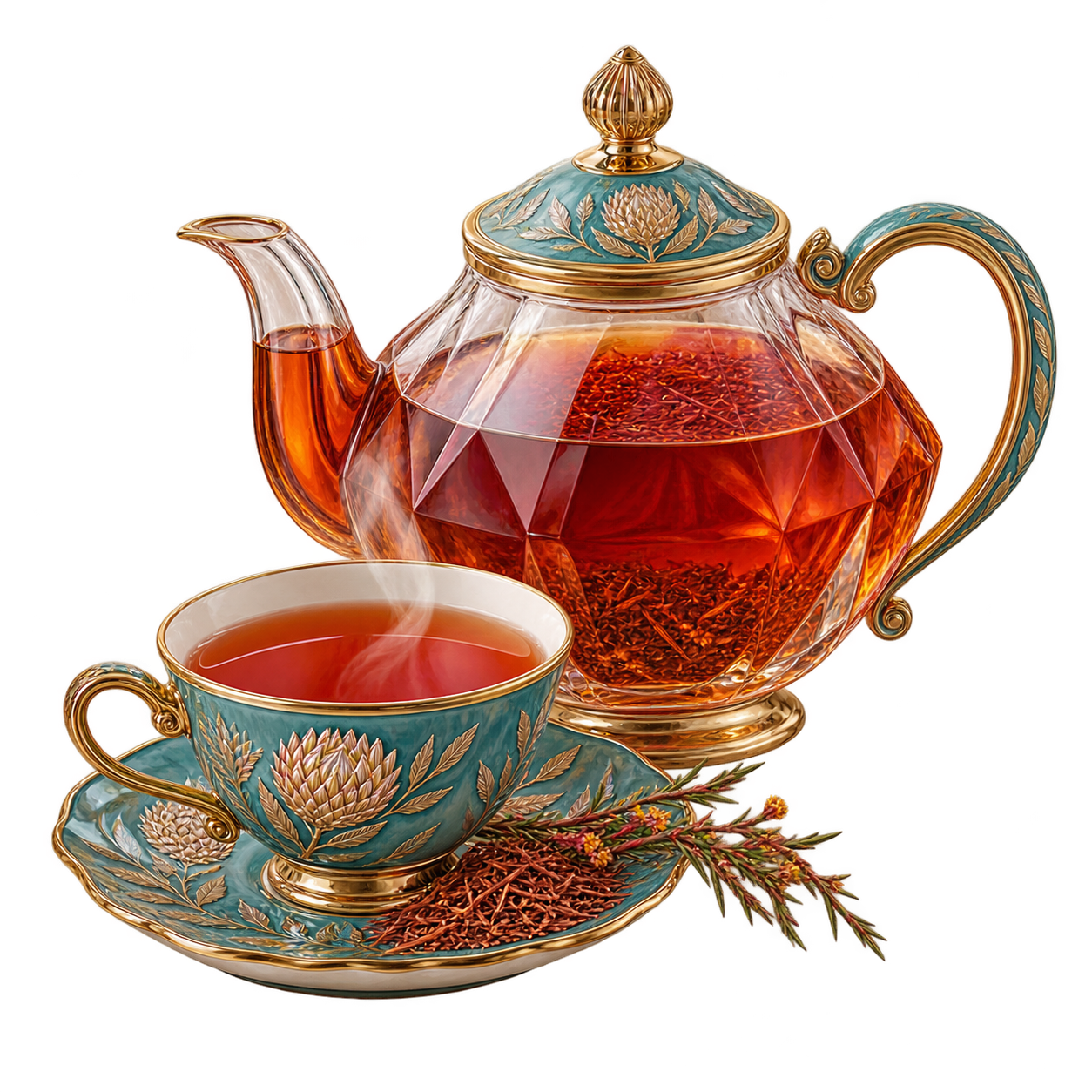
South Africa · leaves and thin shoots of Aspalathus linearis.
The glass is amber-red, and next to it is an unusual tea bush. Rooibos is made from the South African plant Aspalathus linearis. The name "red tea" is useful for the color, but botanically it is not the same tea as green or black.
For the gift, we drew a rich reddish cup. There is also green rooibos on sale with a different processing method. Rooibos is naturally caffeine-free; cream, sugar and spices are a matter of taste here, and not an essential part of the drink.
What is the infusion from? Leaves and thin stems of rooibos are used, which are brewed with hot water. The plant is native to the Western Cape Province of South Africa.
Sources:Ministry of Agriculture of South Africa about the plant andSouth African government about the drink. Gift “Red Evening” →
10. Noon chai: pink tea that knows how to surprise
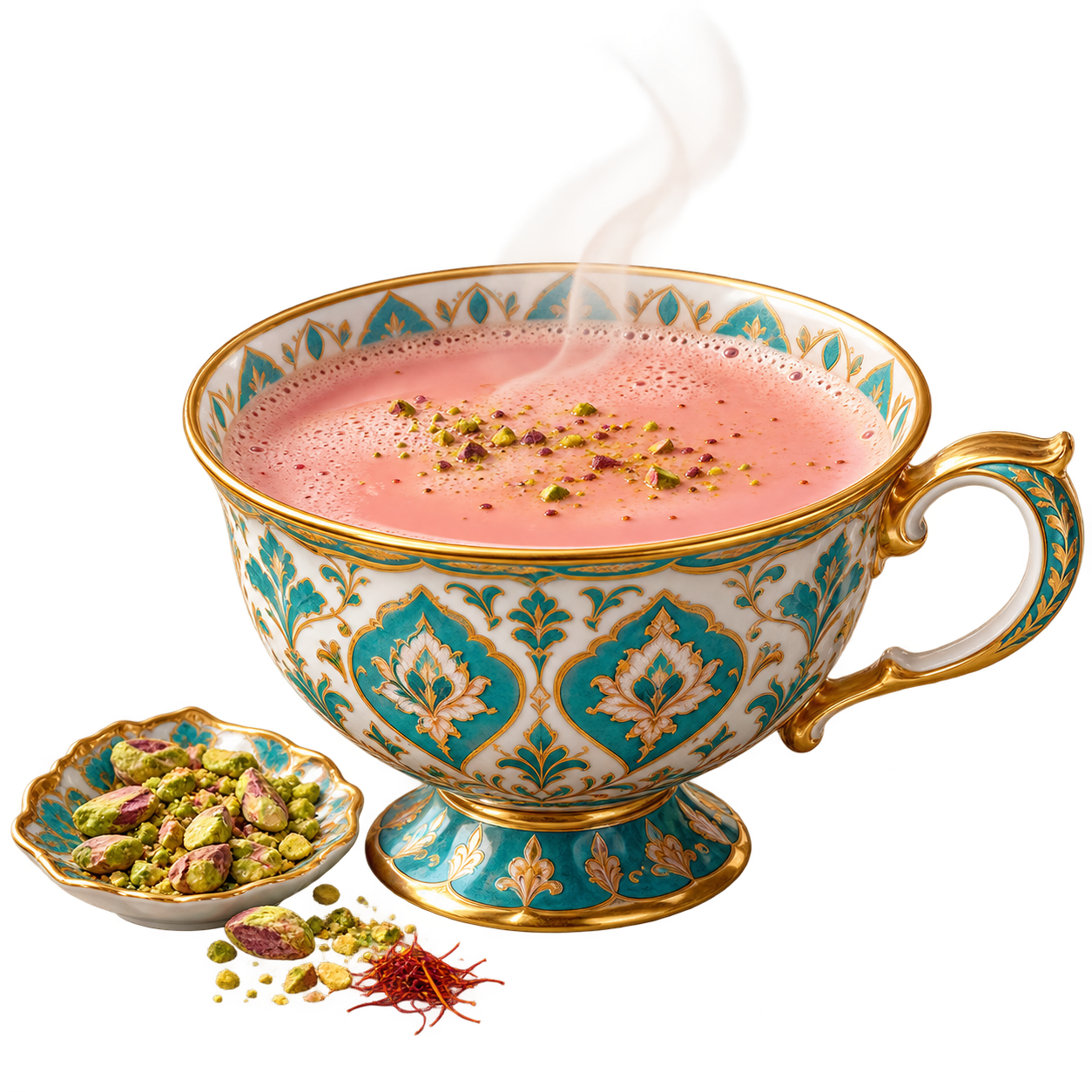
Kashmir · tea, milk, salt and special processing.
The cup looks like a berry dessert, but it's better to wait for the first sip without guessing: “noon” means salt. In the Kashmiri version, the tea is cooked for a long time with water and a little baking soda, then milk is added. The drink gets an unusual pink color - without strawberry syrup or artificial color.
It is also called sheer chai. In our picture there are pistachios nearby: nuts can be part of the serving. Different houses prepare noon chai in their own way; The pink color and salty taste are the main clues.
Not a sweet strawberry latte. A typical noon chai is made from tea, water, baking soda, milk and salt; sometimes nuts are added. Its hue comes from the brewing method and the milk, not the berries.
Source:Indian travel portal about Kashmiri cuisine. Gift “Pink Kashmir” →
Each story has its own cup, but none of the drinks boil down to a single "real" homemade version. If you want to continue your journey through the kitchen, take a look atten desserts of the world and inselection of hot drinks.