
Unusual depends on familiarity: somewhere these fruits fill everyday markets. Our fruit shelf offers ten shapes, skins and revealing cuts to explore.
The talking foods are editorial fiction; facts have sources. Illustrations show particular versions, and recipes can vary.
1. Mangosteen: white behind purple
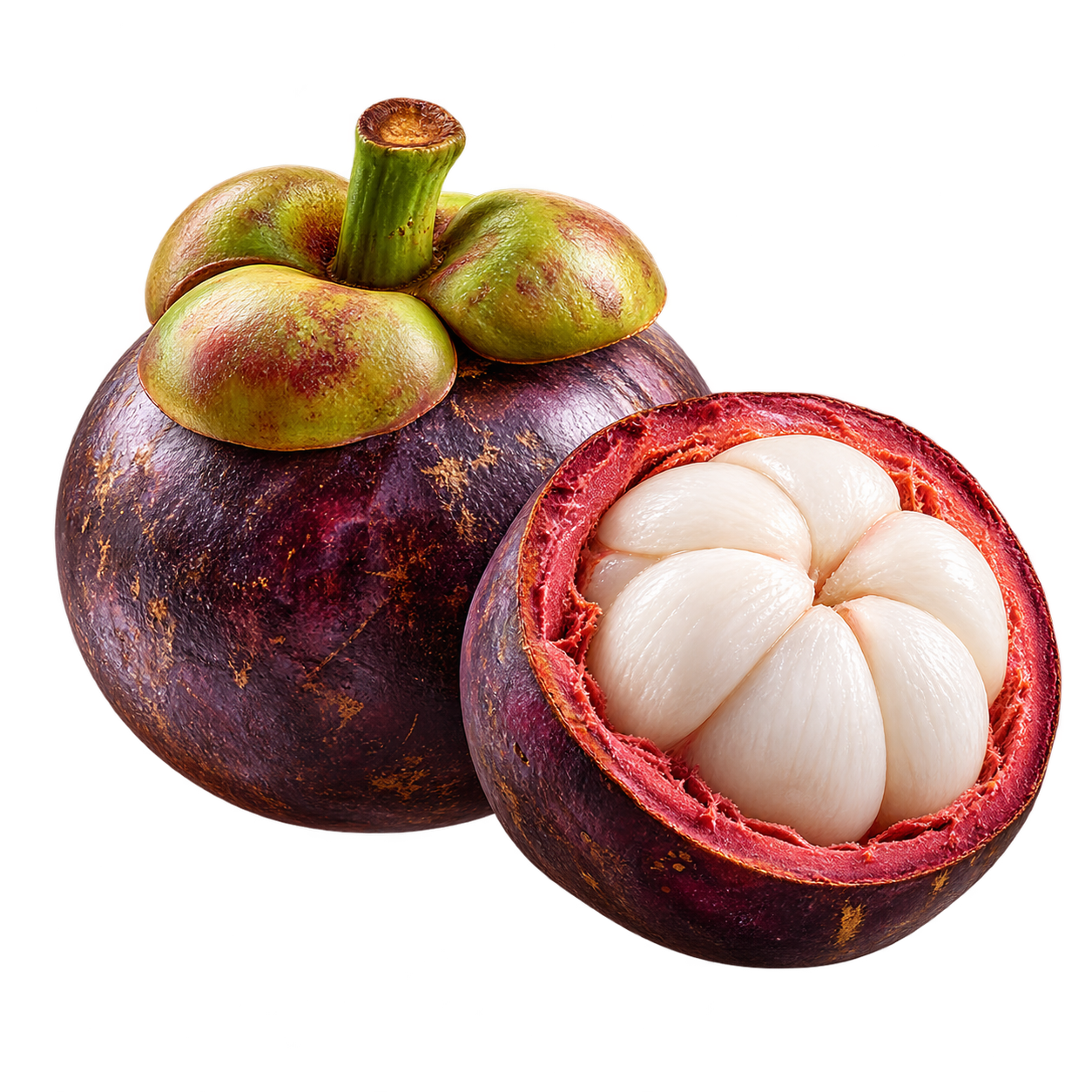
Mangosteen: white behind purple
Mangosteen wore a thick purple suit and green hat. Inside it was tender: first appearances had missed half the story.
Checked fact. Mangosteen hides white juicy segments beneath a thick rind. Its name does not make it a kind of mango.
The green hat is the persistent flower calyx.
2. Salak: scales without a dragon
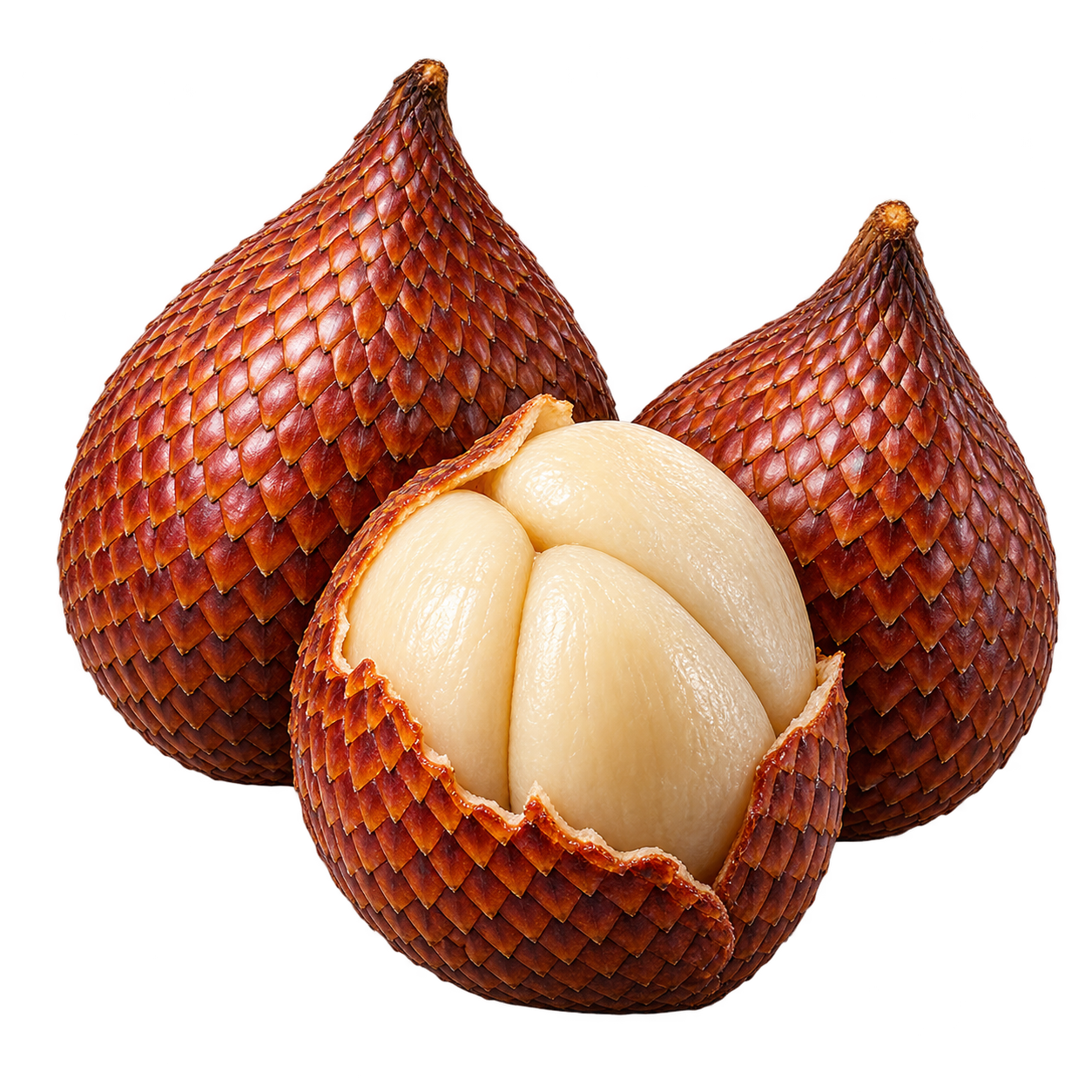
Salak: scales without a dragon
Salak arrived in a scaly cloak. Everyone expected a dragon; beneath the skin was pale flesh, with no fire involved.
Checked fact. Salak grows on a palm. Its snake-fruit name refers to the overlapping brown scales on its skin.
The peeled skin reveals the segments.
3. Cherimoya: nature invents custard
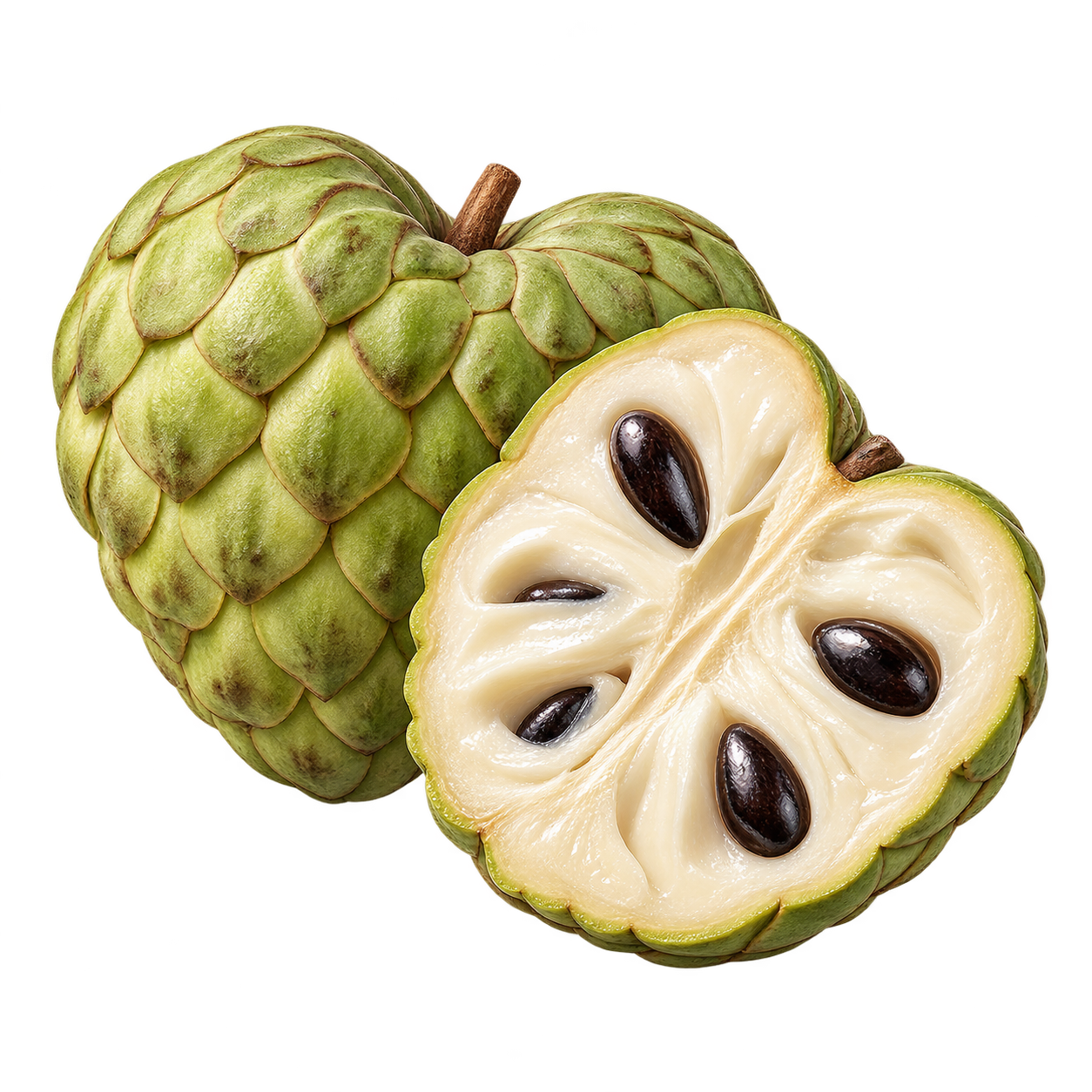
Cherimoya: nature invents custard
Cherimoya looked like a green cone but held neither needles nor a nut surprise. It preferred the custard genre.
Checked fact. Cherimoya is Annona cherimola, with soft pale flesh and large dark seeds. The seeds are separated from the edible flesh.
The cut tells more than its cone-like exterior.
4. Jackfruit: a fruit with many rooms
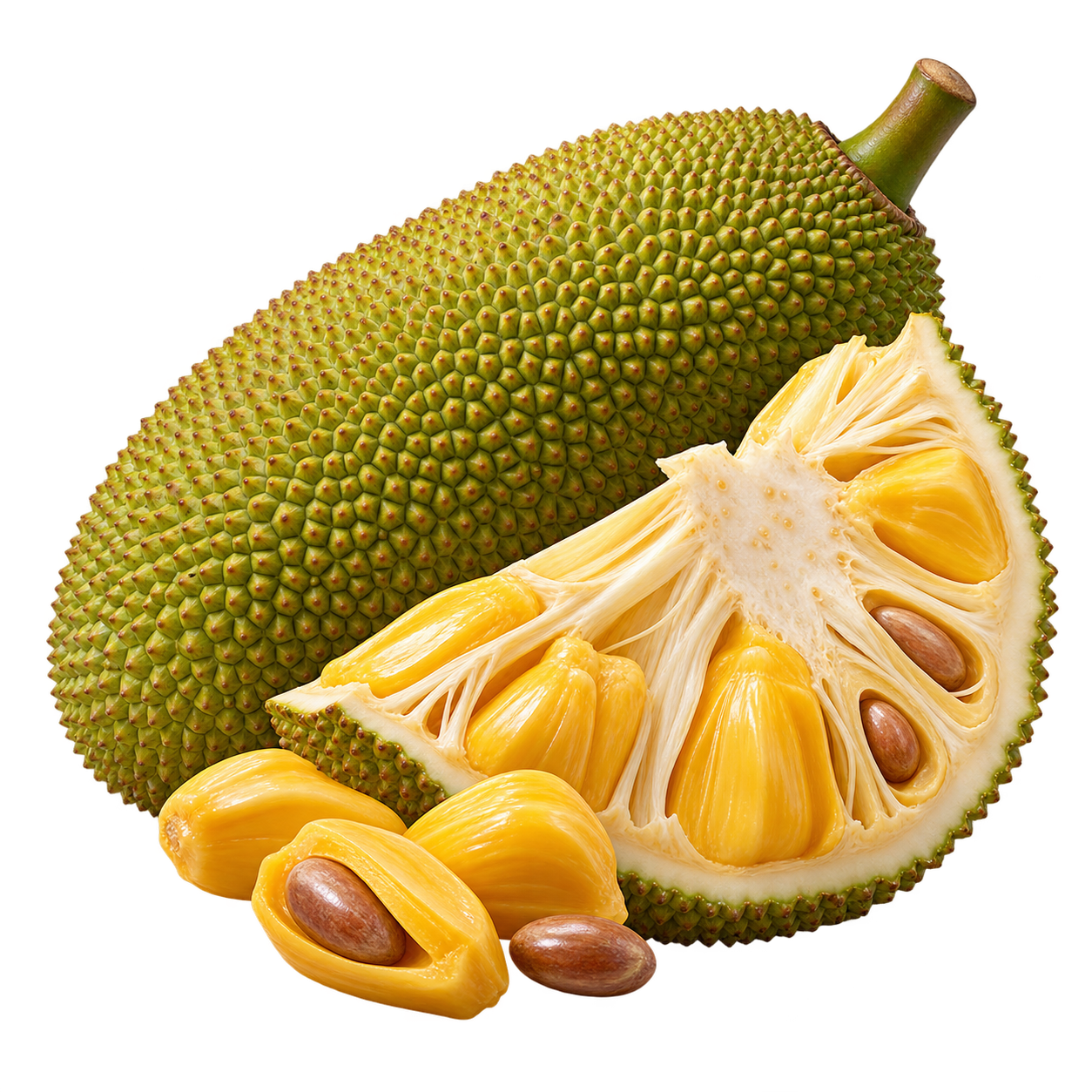
Jackfruit: a fruit with many rooms
Jackfruit occupied the table like a whole family. A cut explained why: many individual yellow guests were living inside.
Checked fact. Jackfruit forms a large composite fruit. Ripe sweet portions are eaten as fruit; immature flesh is used in savoury dishes.
Ripe and young jackfruit have different culinary roles.
5. Rambutan: a hairstyle with a secret
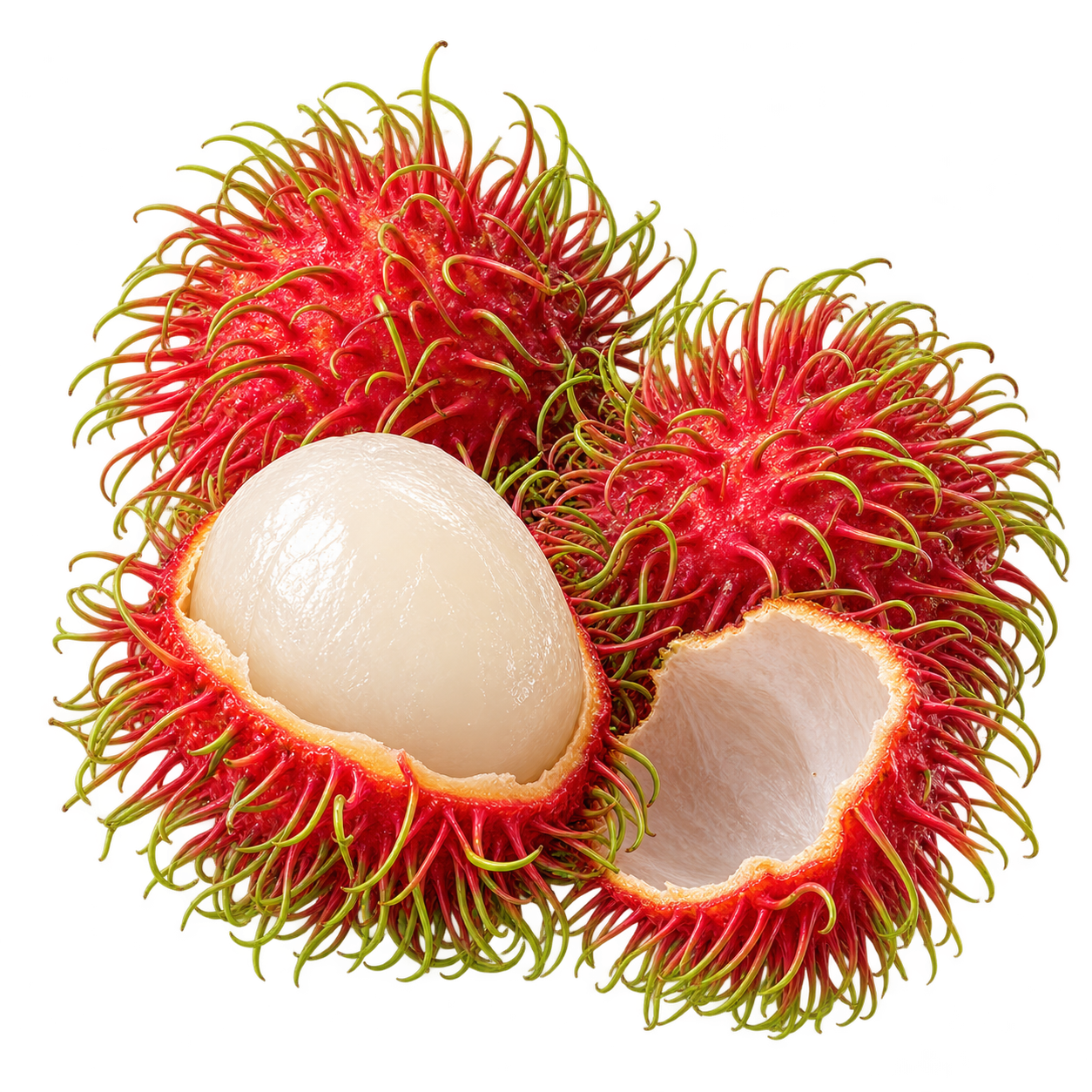
Rambutan: a hairstyle with a secret
Rambutan arrived with a hairstyle the wind clearly approved. Beneath the bright coat lay a calm white heart.
Checked fact. Rambutan takes its name from Malay rambut, meaning hair. Its edible white flesh surrounds one large seed.
The hair-like projections belong to the rind, not the flesh.
6. Dragon fruit: a spotted dragon
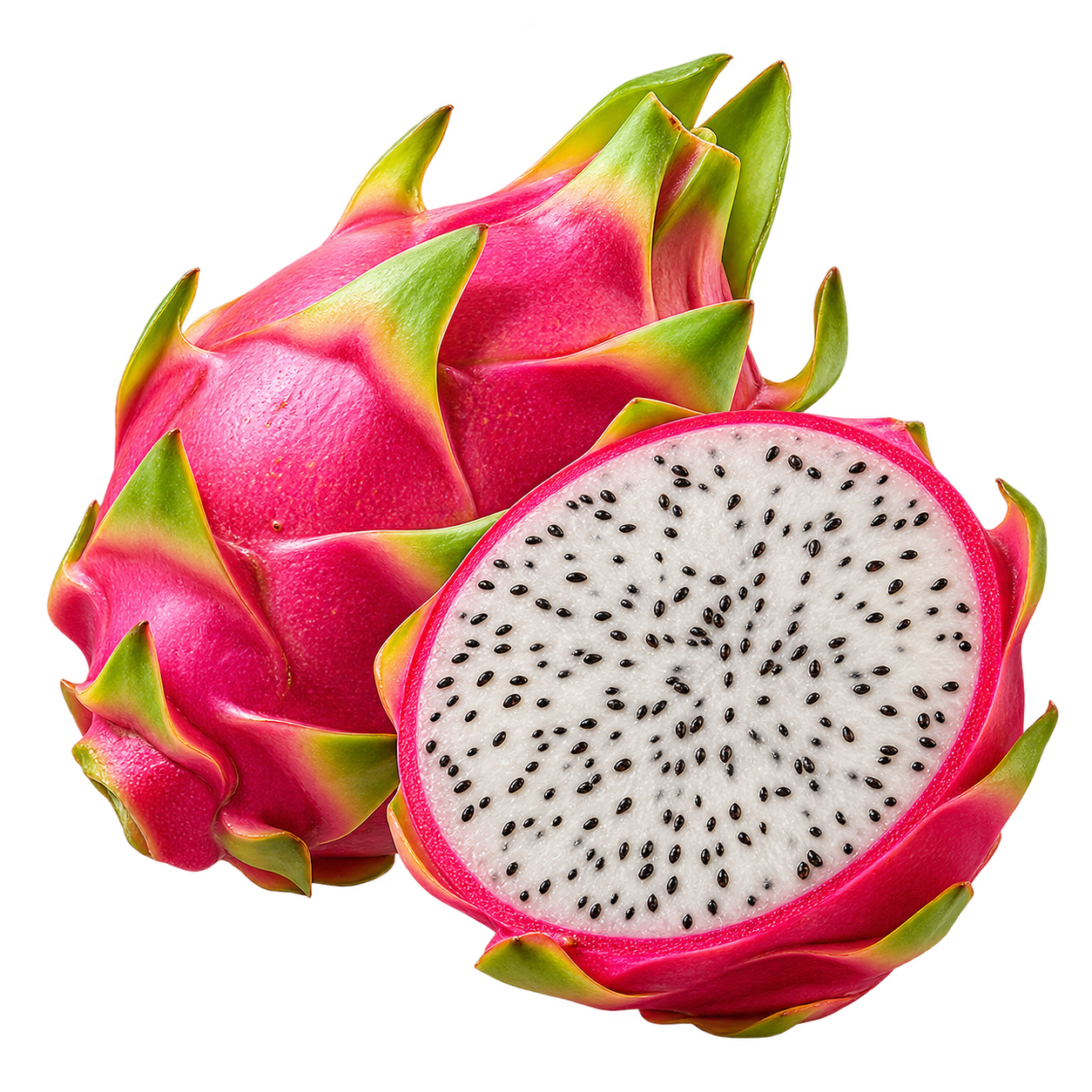
Dragon fruit: a spotted dragon
Outside, dragon fruit dressed for a dragon parade. Inside, it chose a white shirt with black dots: another striking outfit.
Checked fact. White-fleshed Selenicereus undatus grows on a climbing cactus. Its flesh contains many small edible seeds.
Other dragon fruits can have red flesh or yellow skin.
7. Passion fruit: aroma in a capsule
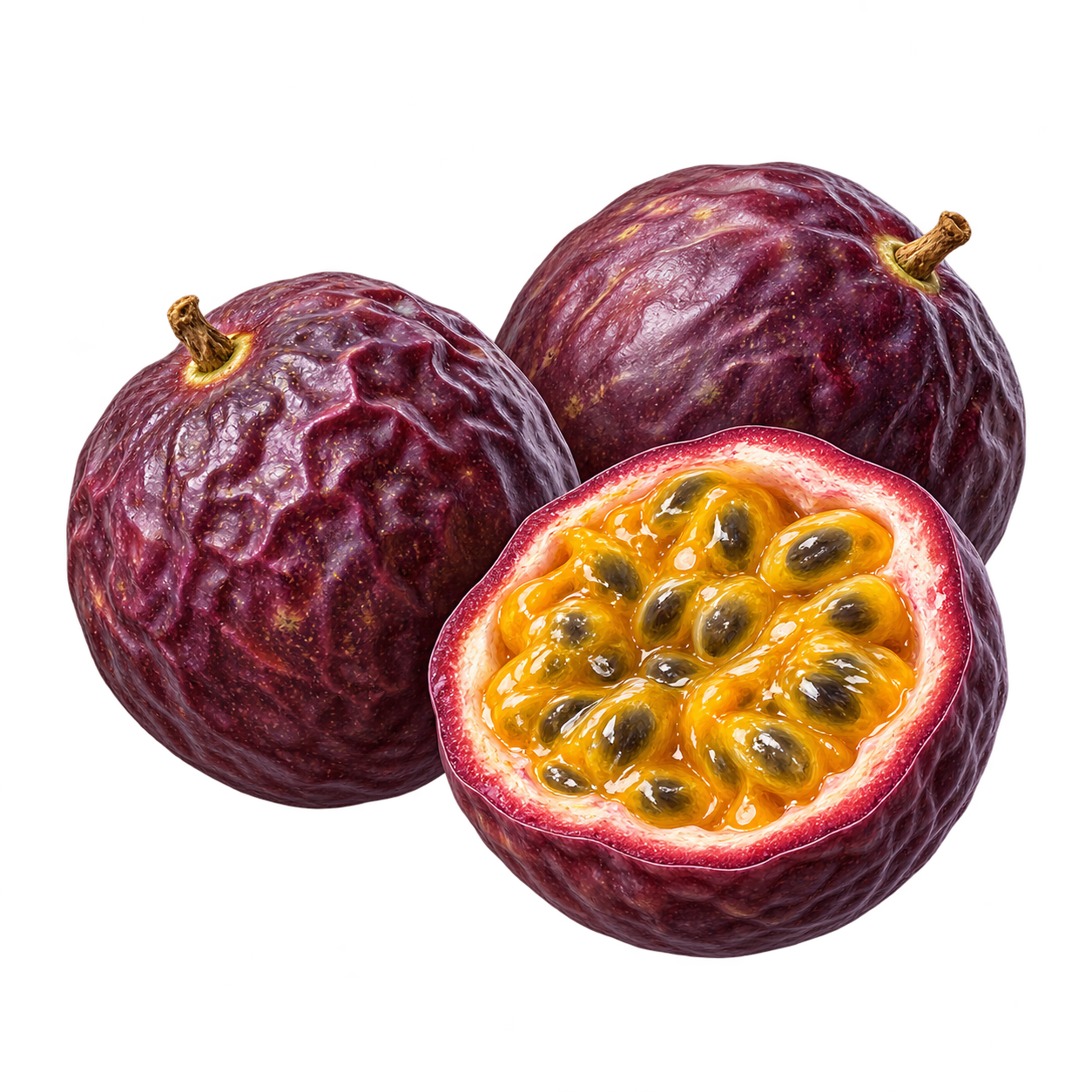
Passion fruit: aroma in a capsule
Passion fruit kept a restrained exterior. Opened, its golden pulp threw a party with black confetti.
Checked fact. Purple Passiflora edulis has seeds surrounded by juicy sweet-sour pulp. The plant is a climbing vine.
A half becomes a natural little bowl.
8. Longan: dragon’s eye
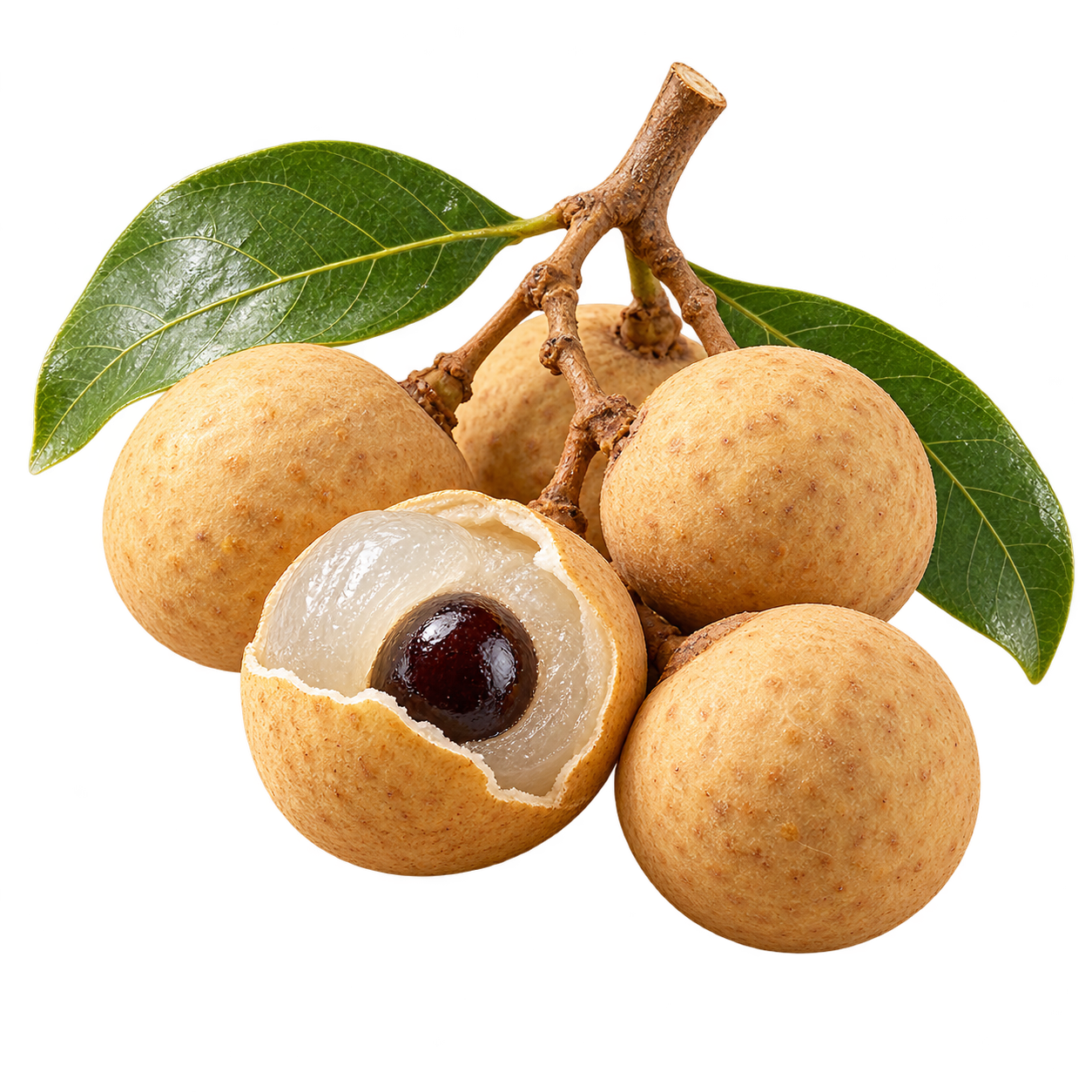
Longan: dragon’s eye
Longan opened its skin and watched the gathering with a dark shining eye. The fruit salad had become unexpectedly observant.
Checked fact. The dragon’s-eye name reflects peeled longan: a dark seed shows through pale translucent flesh.
The brown outer skin hides this effect.
9. Star fruit: a star in cross-section
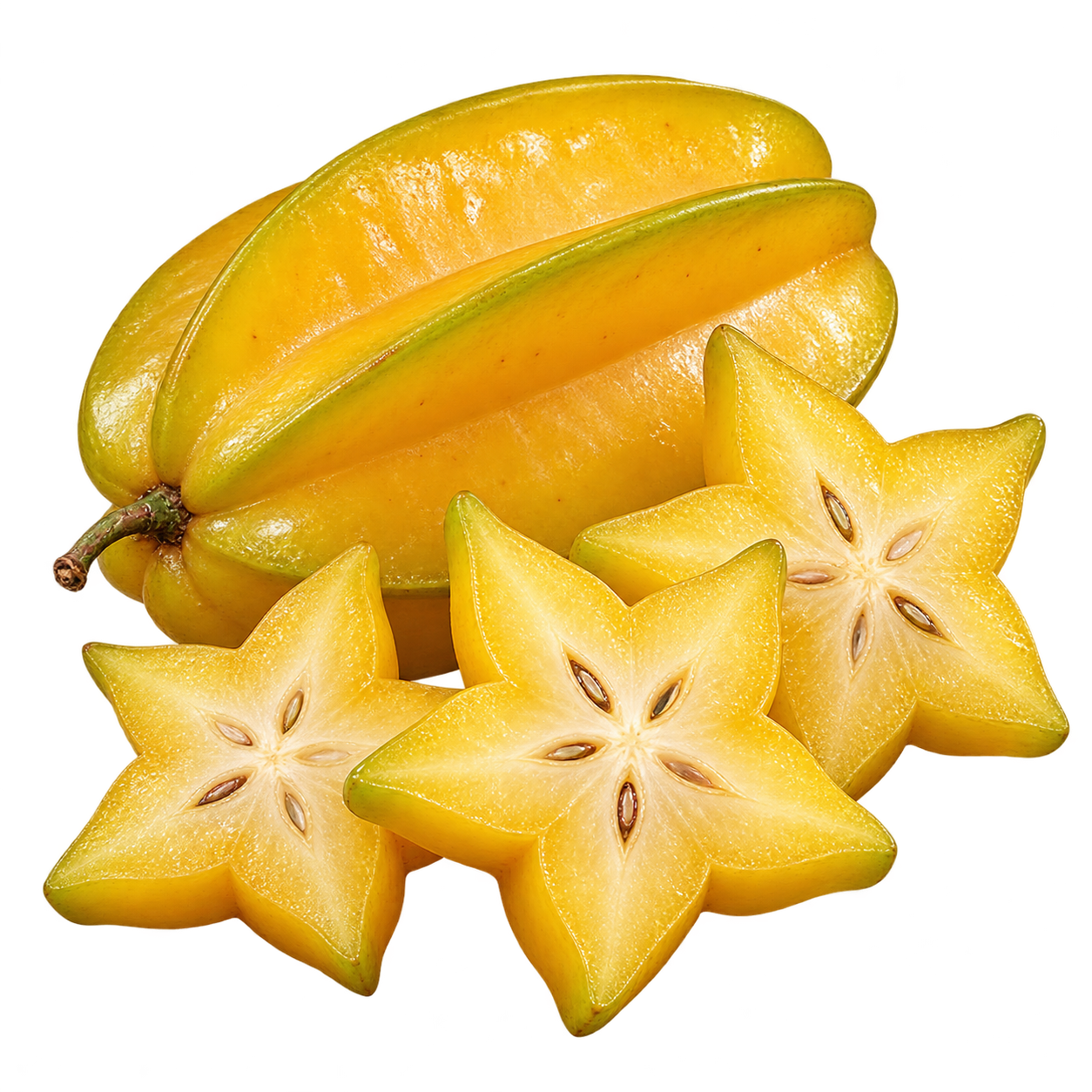
Star fruit: a star in cross-section
Star fruit skipped a star on the packaging. It decided to produce a new one with every crosswise slice.
Checked fact. Averrhoa carambola has prominent lengthwise ribs, making its crosswise slices resemble stars.
The familiar shape exists before a pastry chef intervenes.
10. Durian: a prickly character
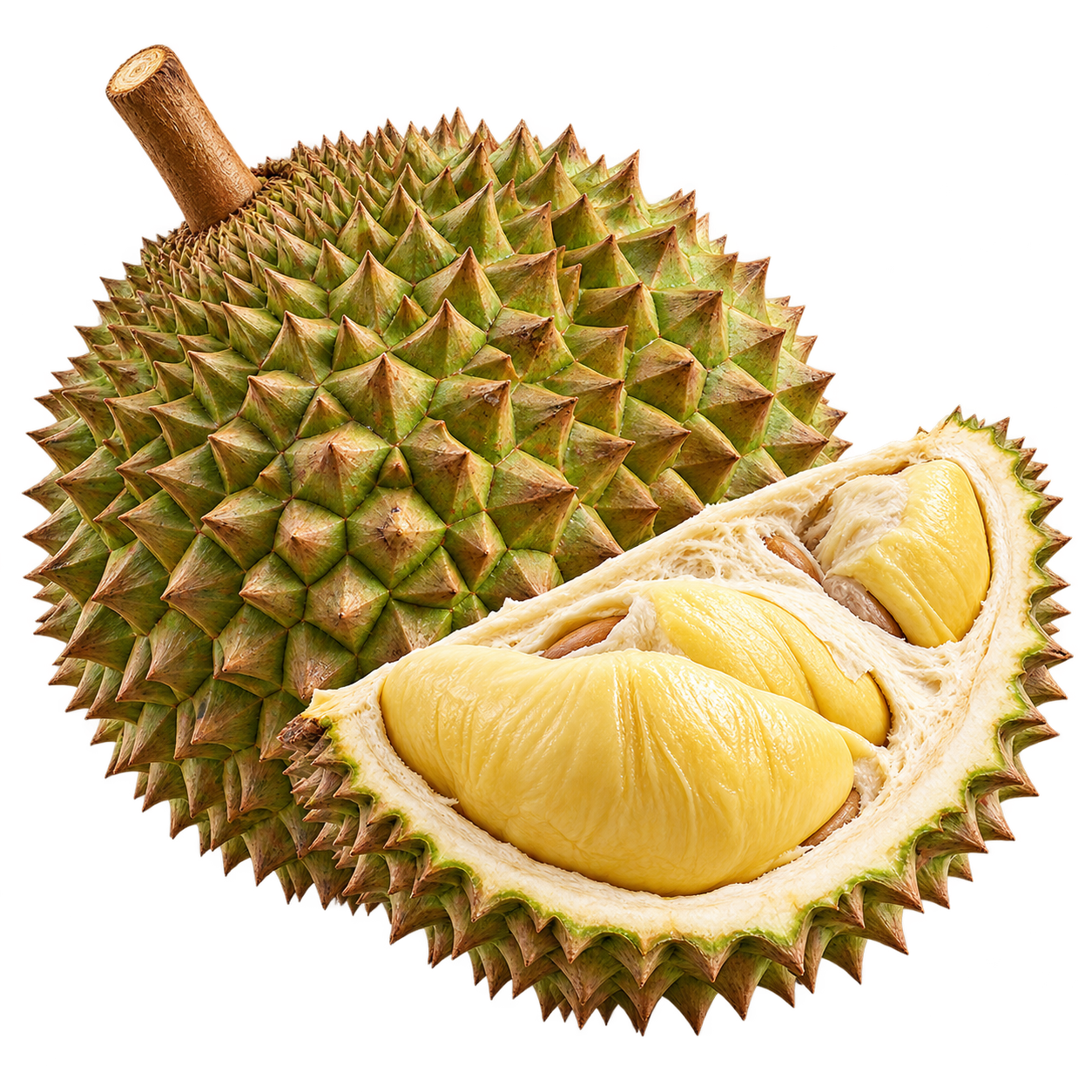
Durian: a prickly character
Durian arrived in armour and announced itself early. Beneath the spikes was soft flesh: a loud entrance did not rule out tenderness.
Checked fact. Durio zibethinus has a spiny rind, strong aroma and soft flesh around seeds. It is not jackfruit.
Nose and palate may judge it differently.
Each has its own character
A revealing cut says more than a dramatic nickname. Behind dragons, snakes and stars are real plants with different structures.