
Teaware works before the first sip: heat water, steep leaves, serve tea. These ten objects have different tasks and shapes.
These are ten examples, not a ranking. Conversations between objects are editorial fiction; facts have sources. Illustrations show particular versions, which can differ from other examples.
1. Yixing: clay without extra shine
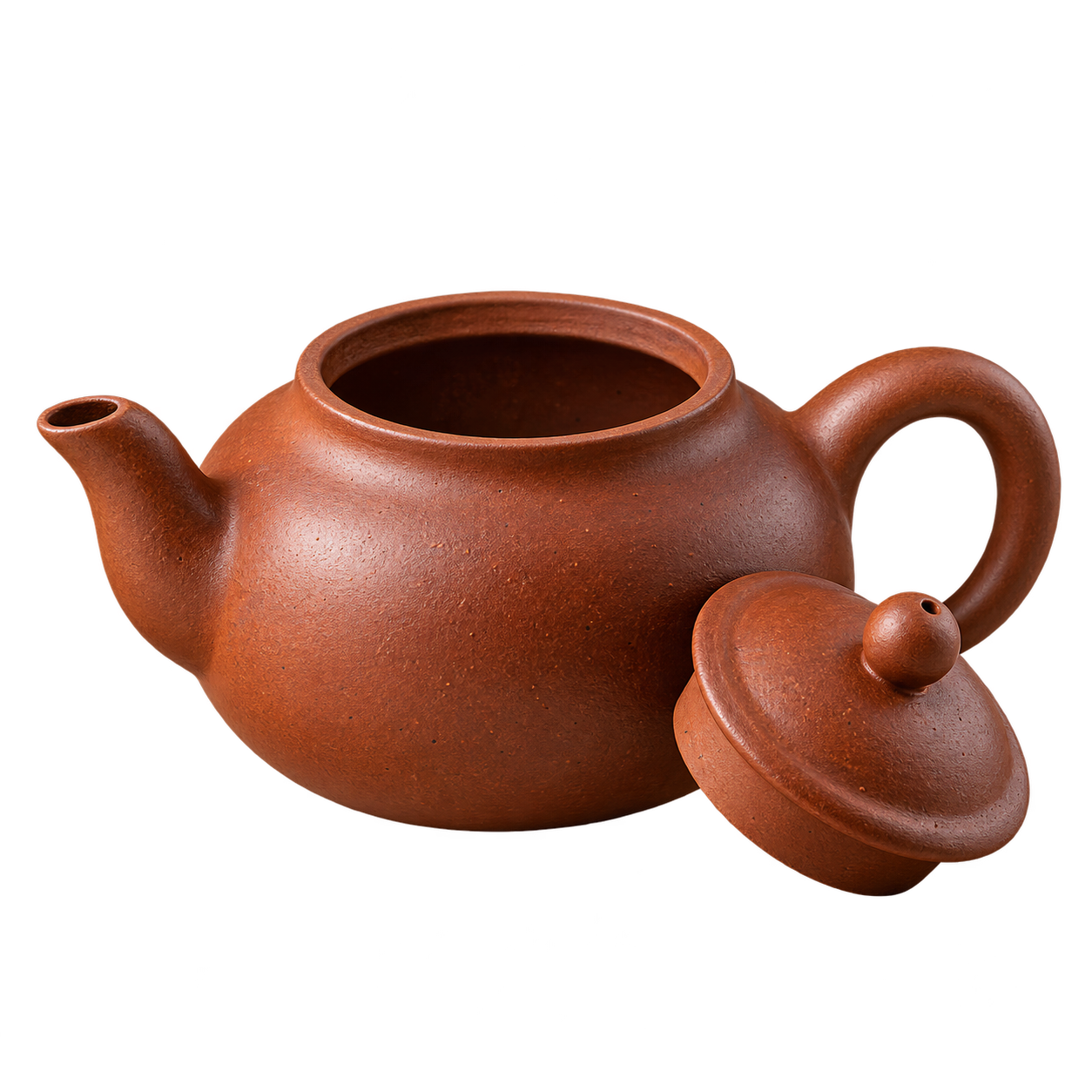
Yixing: clay without extra shine
The pot declined elaborate painting. Clay colour, a lid and a short spout were enough.
Checked fact. Yixing is known for zisha-clay teapots, including unglazed examples.
The drawing interprets a form rather than copying one museum object.
2. Kyūsu: the handle turns sideways
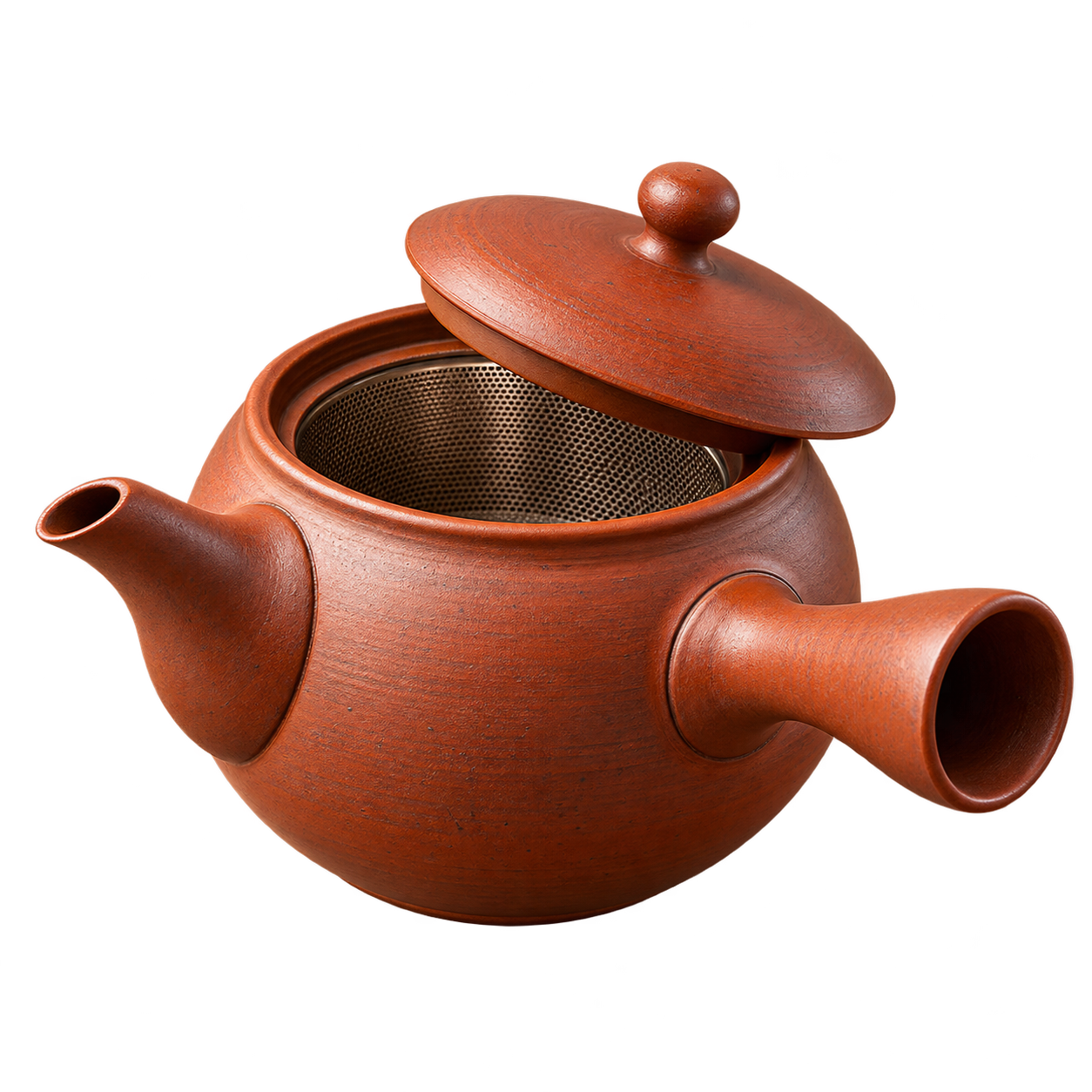
Kyūsu: the handle turns sideways
The handle refused to face the spout. It turned sideways, giving the pot a familiar silhouette.
Checked fact. Japanese kyūsu include side-handled pots for steeping, straining and serving tea.
The side handle is our selected version, not all Japanese teaware.
3. Tetsubin: iron heats water
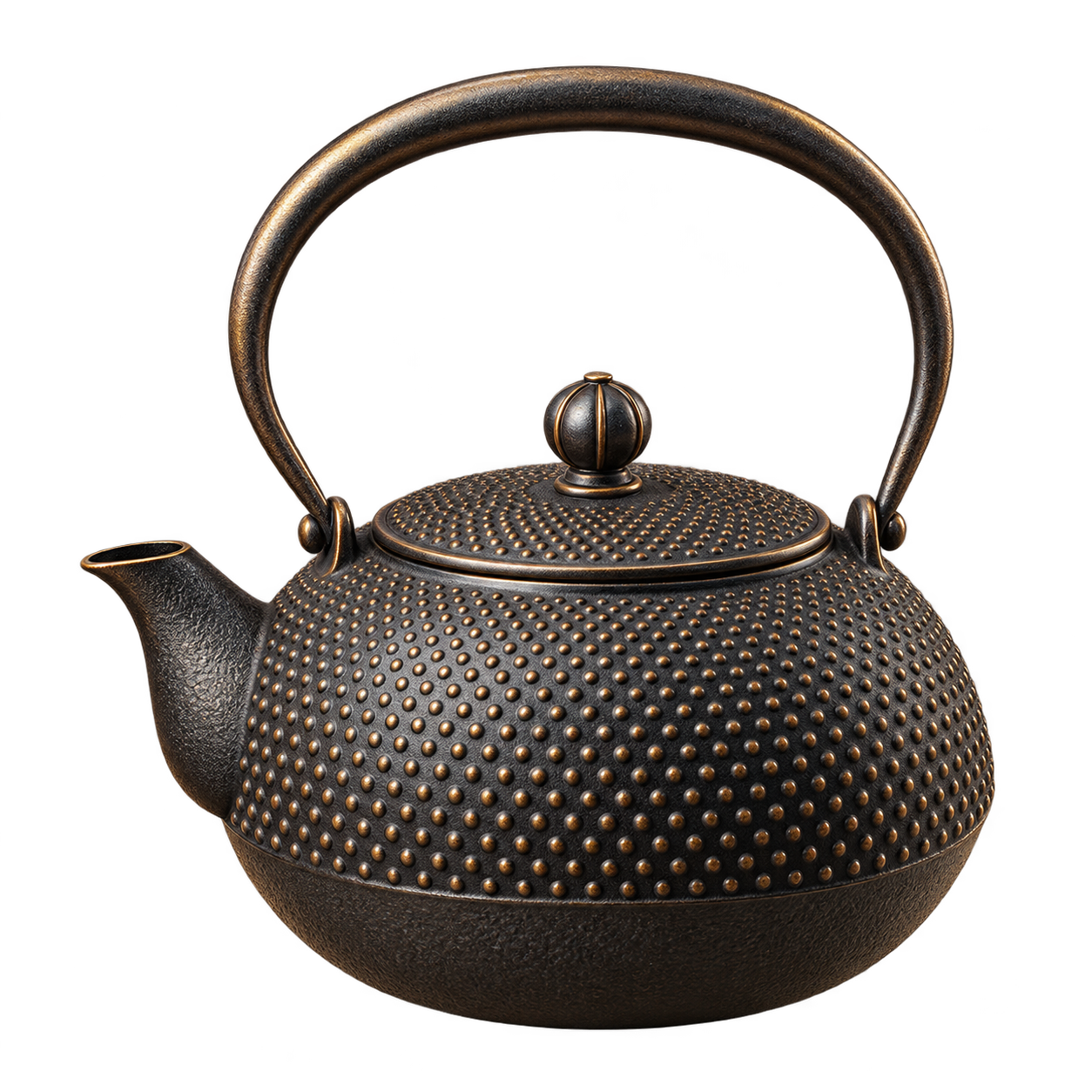
Tetsubin: iron heats water
The iron vessel looked like a teapot but requested a different job title: preparing water.
Checked fact. A tetsubin is a Japanese cast-iron water kettle with a spout and overhead handle.
Do not automatically equate it with an enamel-lined cast-iron teapot.
4. Gaiwan: a lid instead of a spout
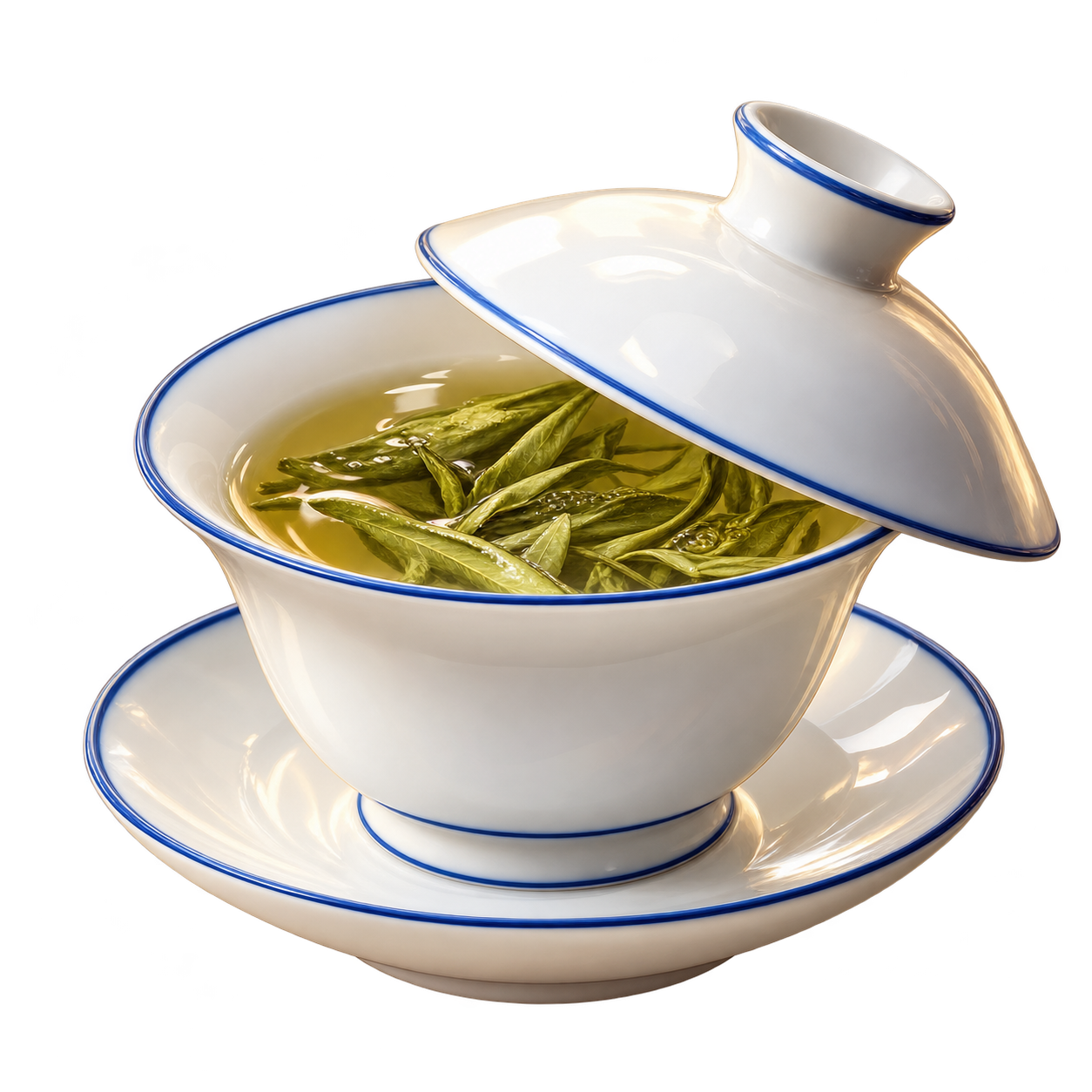
Gaiwan: a lid instead of a spout
The bowl arrived without handle or spout. Its lid took on extra duties; the saucer offered support.
Checked fact. A classic Chinese gaiwan consists of a bowl, lid and saucer used for tea.
Its resemblance to a cup does not explain every use.
5. Samovar: the table finds its centre
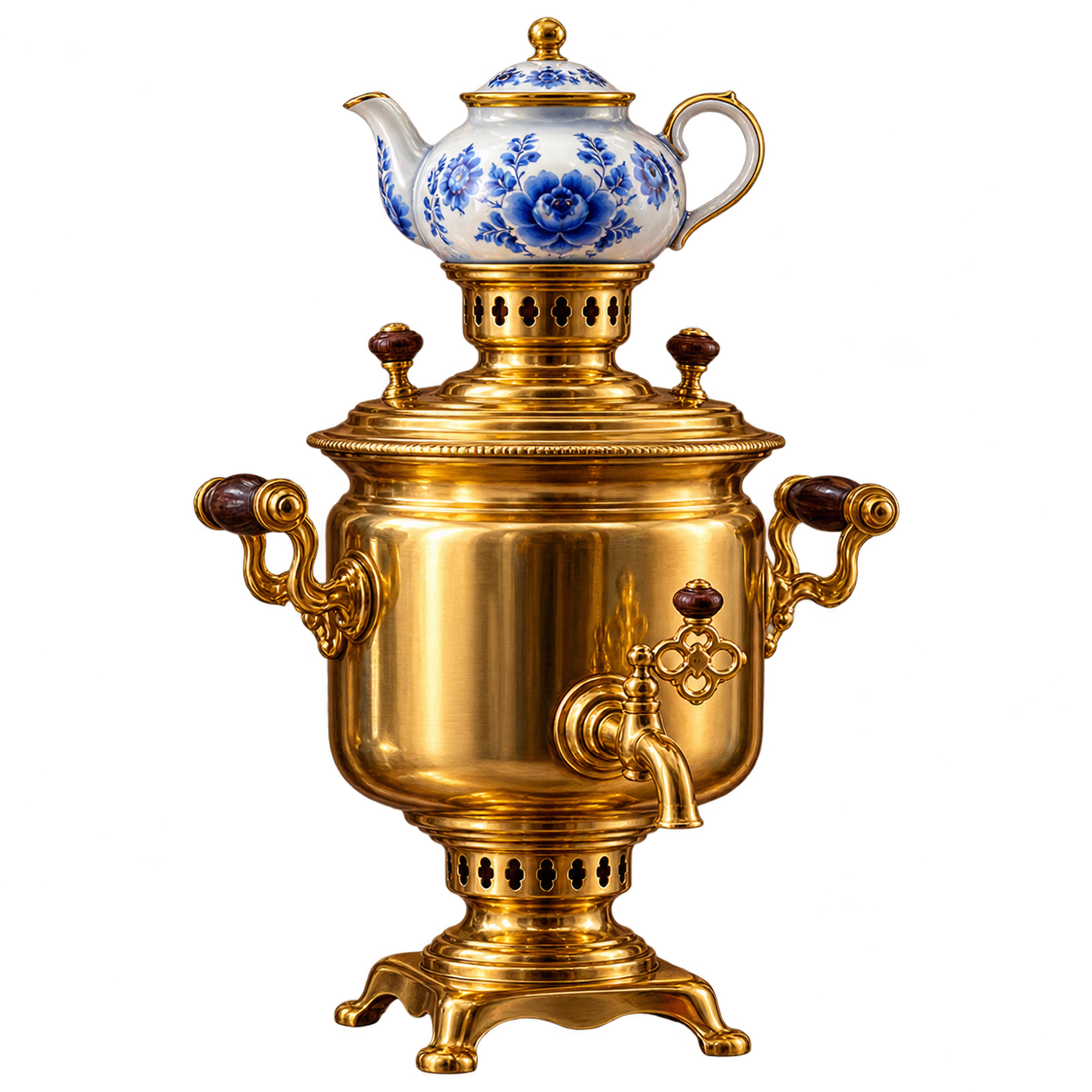
Samovar: the table finds its centre
The samovar took centre stage. A teapot sat above; the tap promised water for everyone.
Checked fact. A samovar is a metal water-heating vessel; Russian tea service pairs it with a separate teapot.
We show a traditional silhouette; other countries and constructions also use samovars.
6. Moroccan berrad: a spout with presence
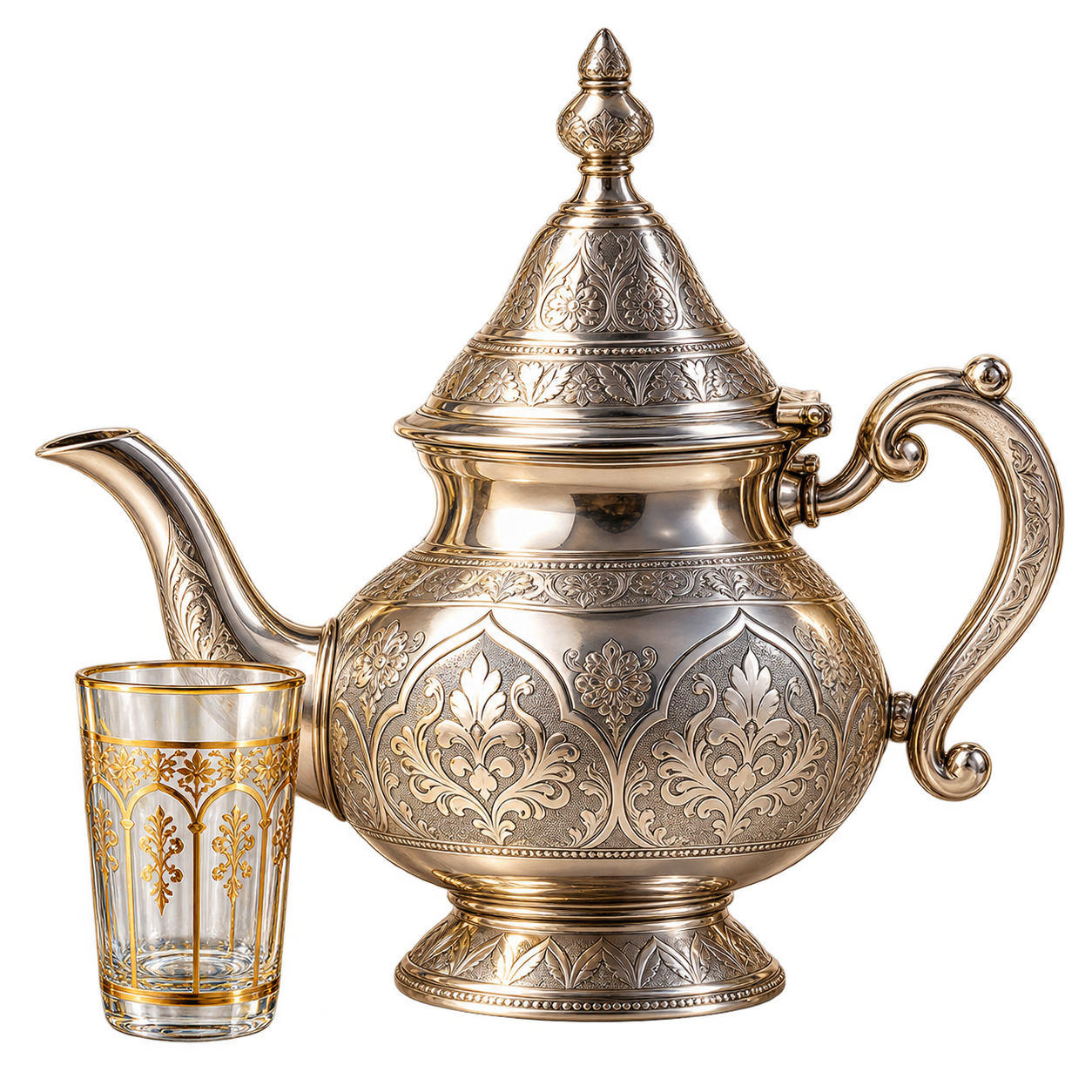
Moroccan berrad: a spout with presence
Metal caught the light beneath a domed lid. The glass waited for tea without requesting a porcelain handle.
Checked fact. Moroccan tea service is associated with metal teapots, small glasses and mint tea.
A silvery appearance does not prove solid-silver construction.
7. English teapot: porcelain gathers a service
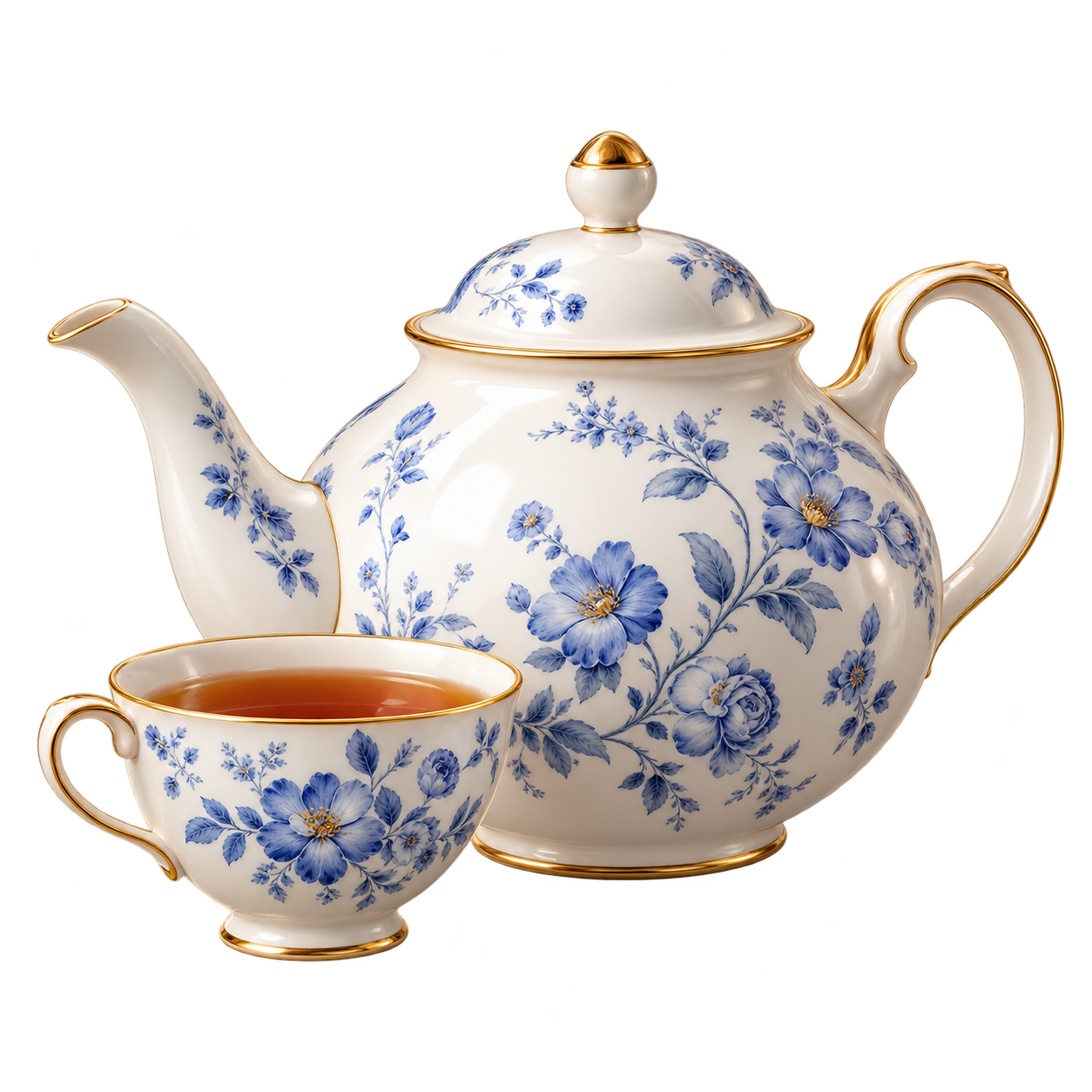
English teapot: porcelain gathers a service
The pot and cup wore matching flowers, as though they had agreed on an outfit in advance.
Checked fact. English teapot design developed many forms and materials; porcelain services are one branch.
Our floral service has no maker attribution or claim to be a museum object.
8. Chawan: tea needs one bowl
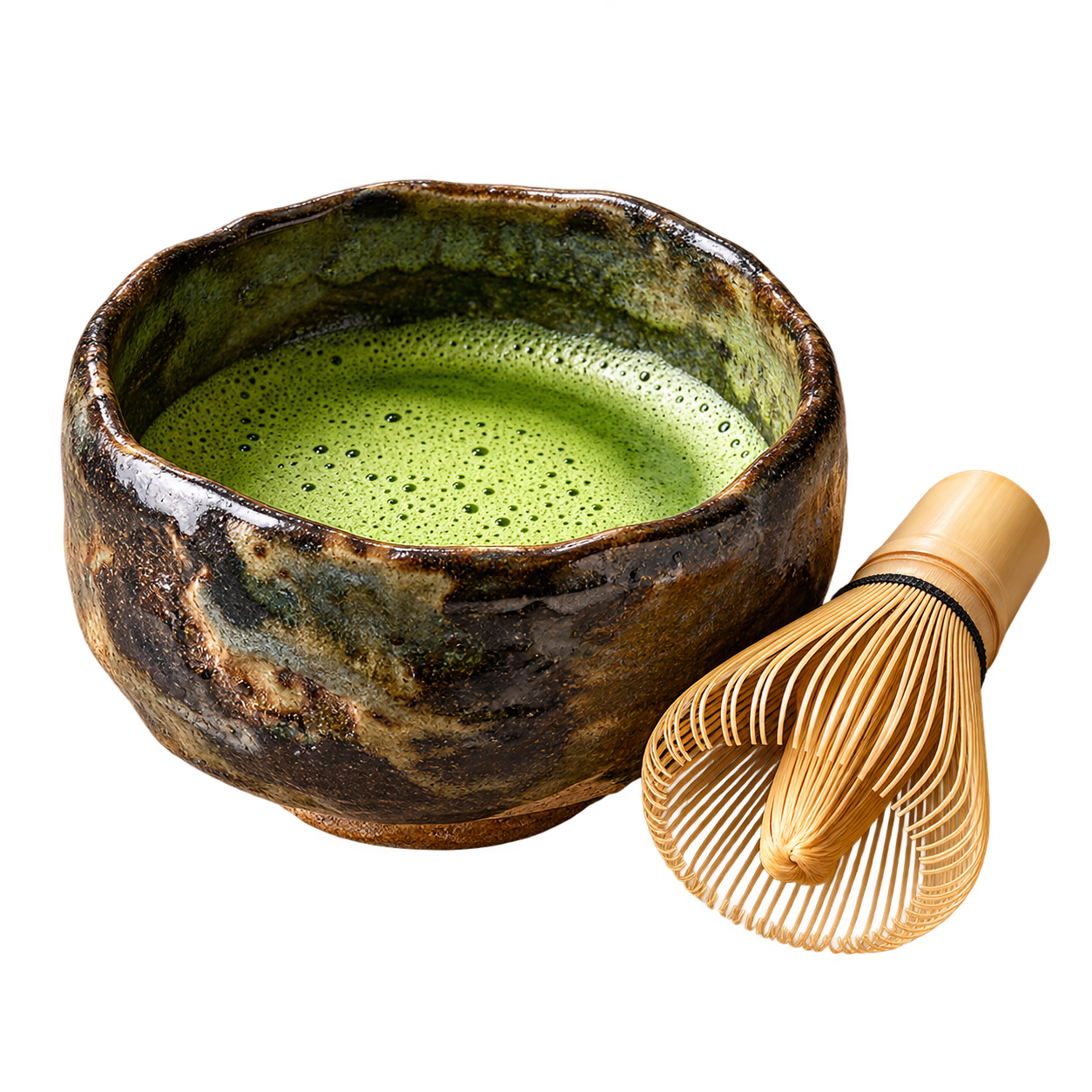
Chawan: tea needs one bowl
Neither spout nor handle was needed. Green tea met the whisk inside a broad bowl.
Checked fact. A Japanese chawan is a tea bowl; matcha practice whisks powdered tea in a bowl.
Raku is one ceramic tradition, not the name of every tea bowl.
9. Korean celadon: a vessel remembers a melon
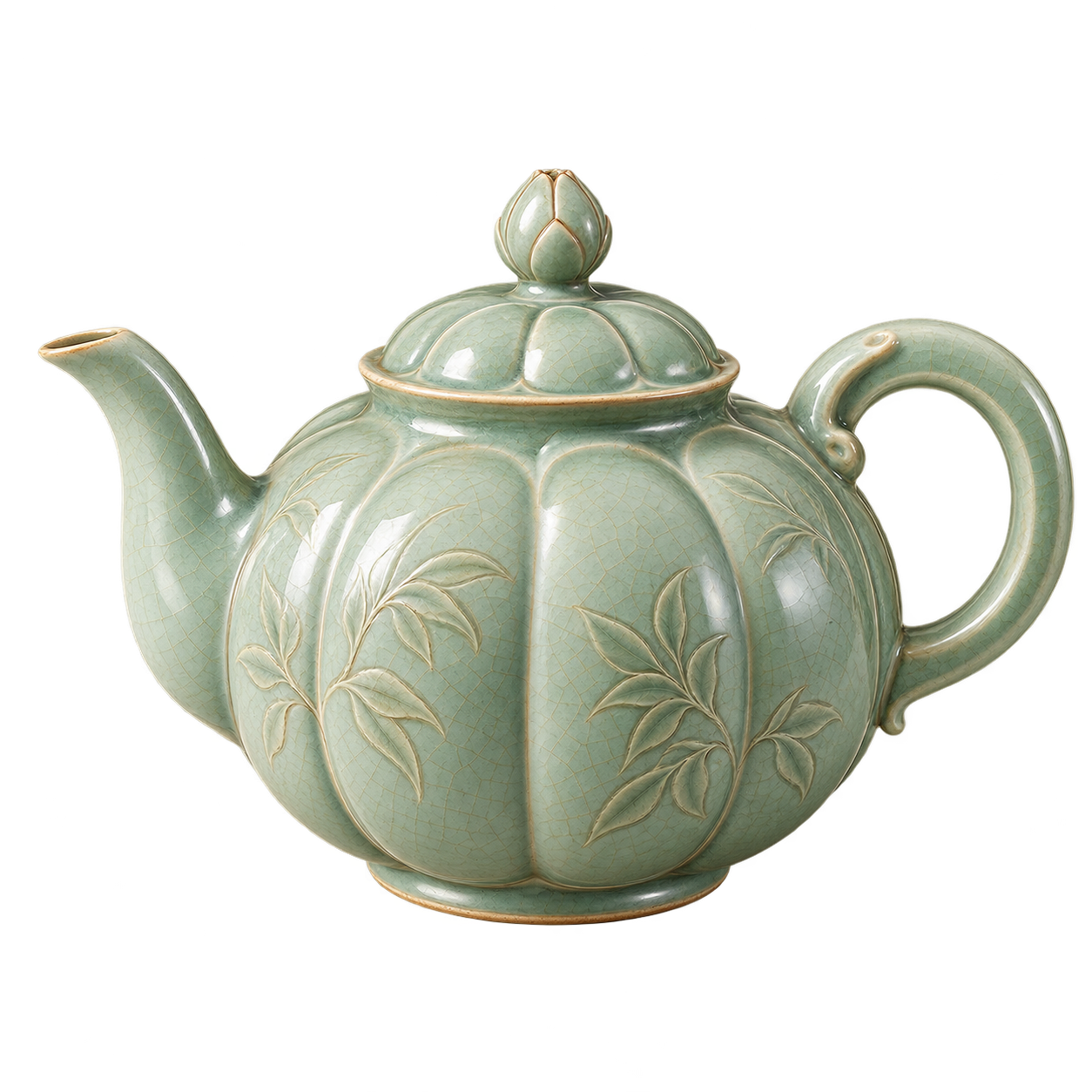
Korean celadon: a vessel remembers a melon
The potter borrowed a melon’s ribs for clay. Glaze chose a quiet green tone.
Checked fact. Goryeo Korean celadon includes melon-shaped ewers; function must be assessed for each object.
Our teapot interprets that form; not every historical ewer was necessarily a teapot.
10. Tibetan bowl: wood meets metal
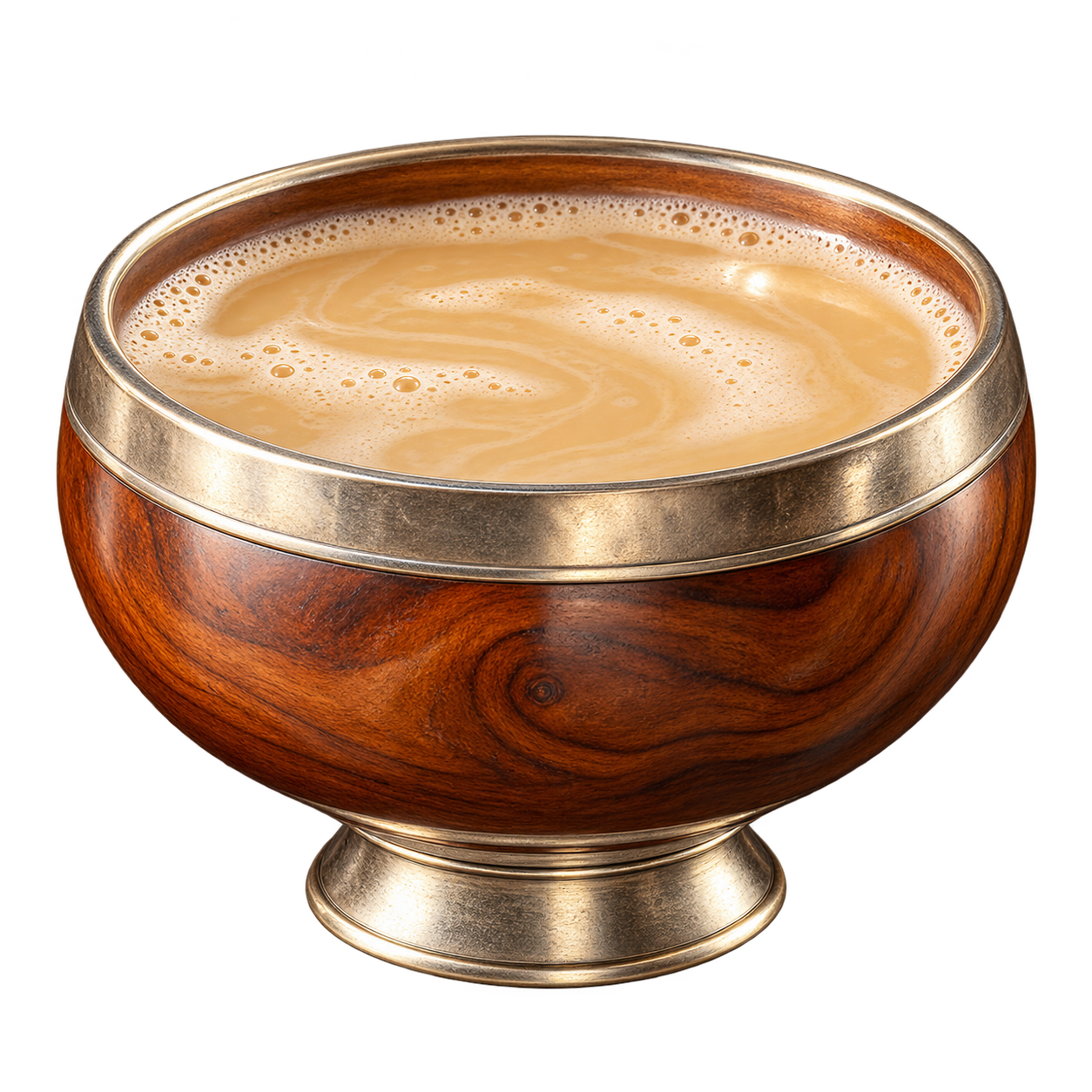
Tibetan bowl: wood meets metal
Wood kept its warm grain. Metal framed the rim, giving the simple bowl an elegant voice.
Checked fact. Tibetan tea bowls include wooden examples with metal fittings, including silver alloys.
The drawing interprets materials rather than reproducing one ritual museum object.
Each has its own character
Handle, lid, spout and material do more than decorate: they reveal how a vessel works.