
Soup need not be hot, clear or predictable. Ten bowls show how vegetables, fish, pulses, spices and serving styles change its character.
These are ten examples, not a ranking. Conversations between objects are editorial fiction; facts have sources. Illustrations show particular versions, which can differ from other examples.
1. Gazpacho: no reheating required
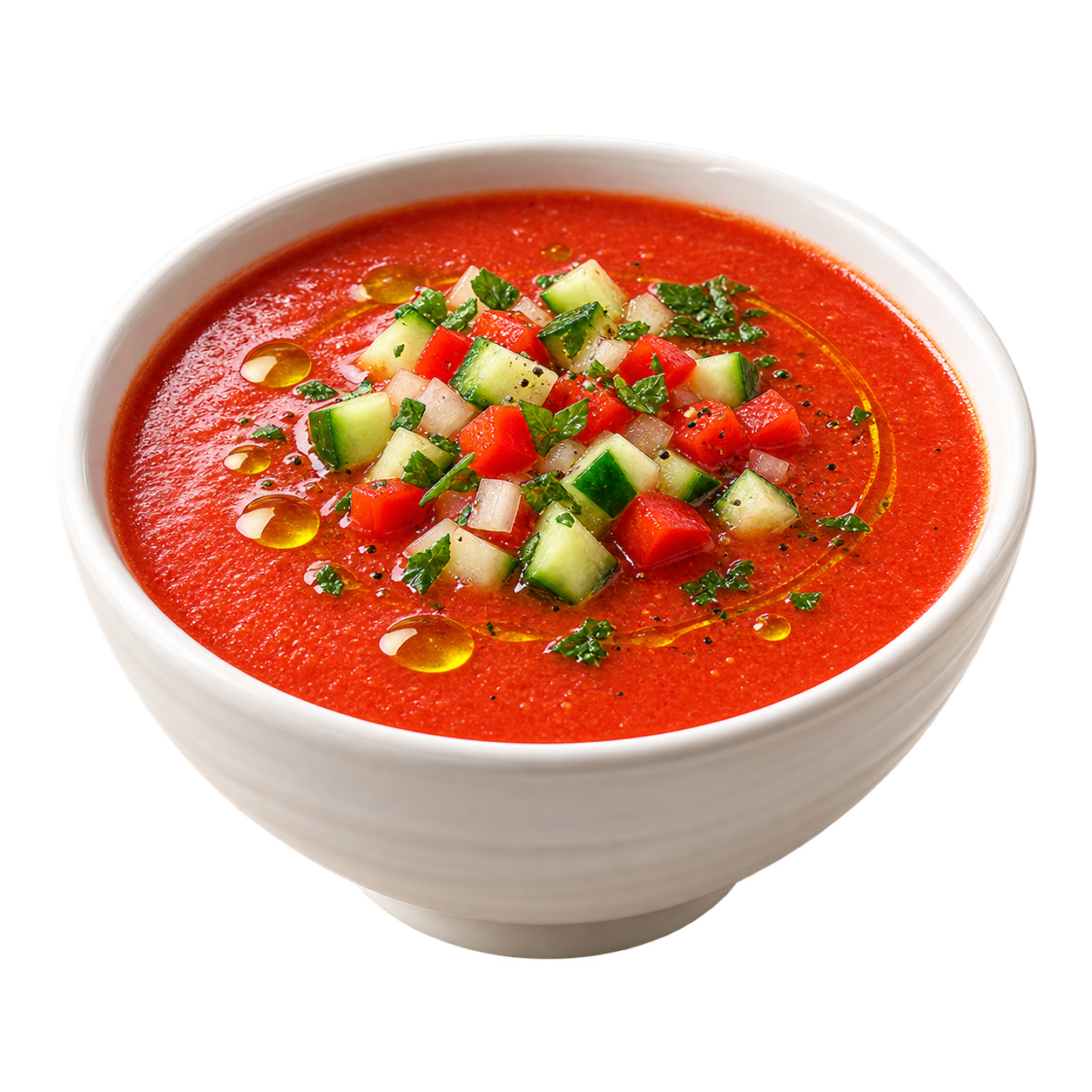
Gazpacho: no reheating required
Tomato gathered its vegetable friends, leaving the stove idle. This soup preferred a cool welcome.
Checked fact. Andalusian gazpacho is a cold vegetable soup, commonly based on tomatoes.
Do not confuse it with hot, meat-based gazpacho manchego.
2. Onion soup: bread gets a cheese roof
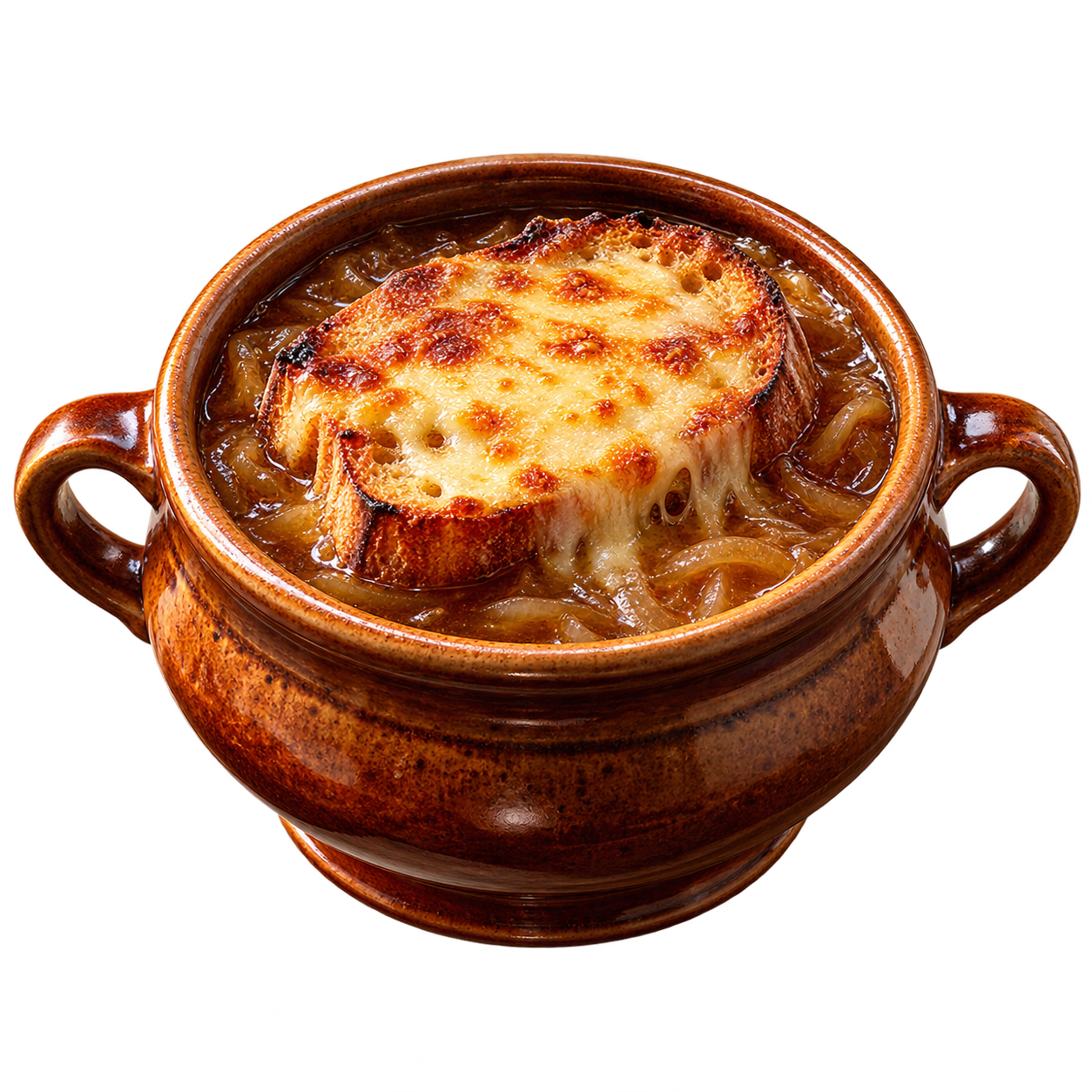
Onion soup: bread gets a cheese roof
Onion slowed down and turned golden. Bread floated on top, and cheese declared itself the roof.
Checked fact. French onion soup combines slowly cooked onions and broth, often topped with bread and melted cheese.
The cheese crust conceals liquid soup, not merely baked bread.
3. Bouillabaisse: the sea meets saffron
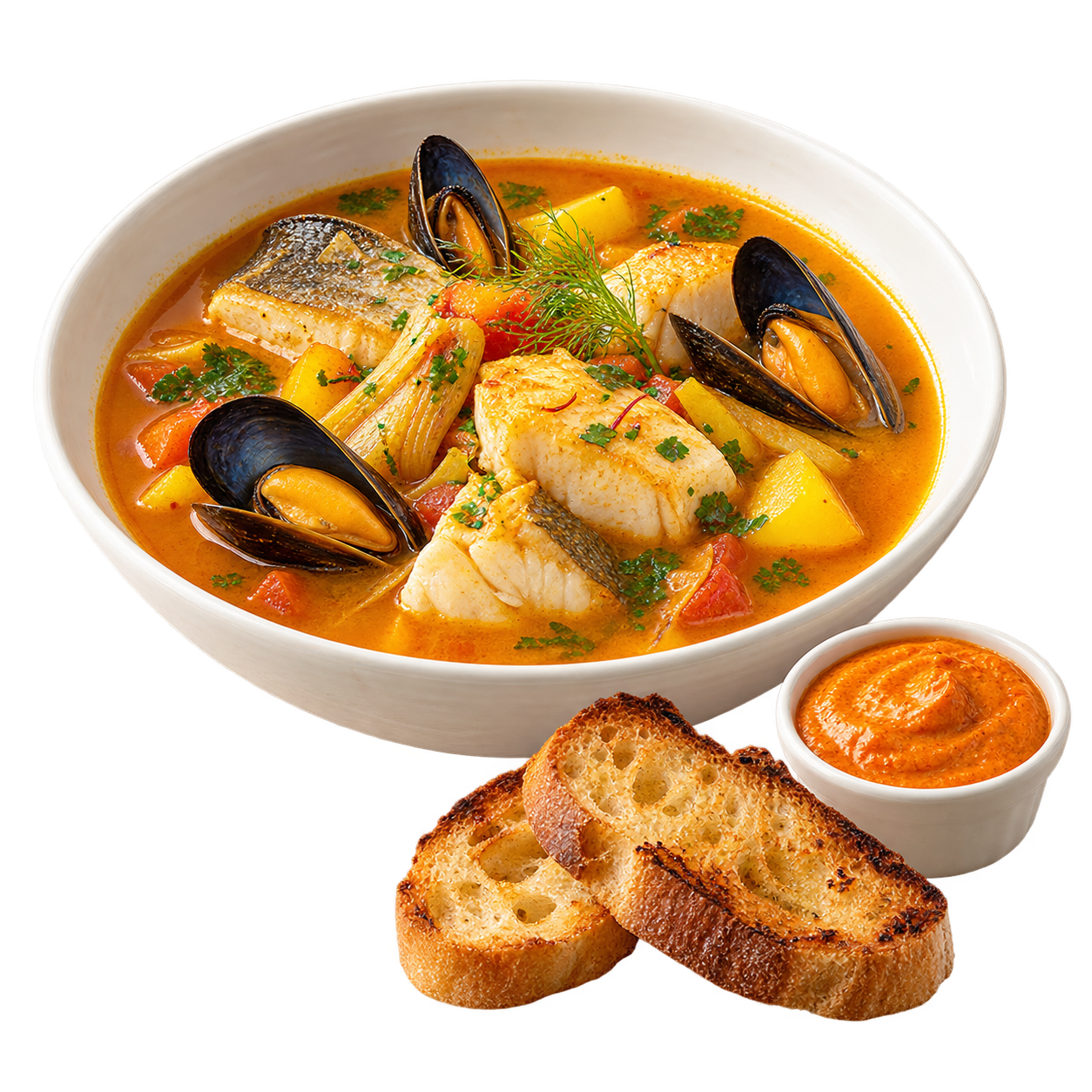
Bouillabaisse: the sea meets saffron
Fish brought a sea story. Broth coloured it warmly, while toast requested a little sauce.
Checked fact. Marseille’s bouillabaisse can present fish and aromatic broth separately, with toast and rouille.
It is not a generic name for every seafood soup.
4. Harira: a busy spoonful
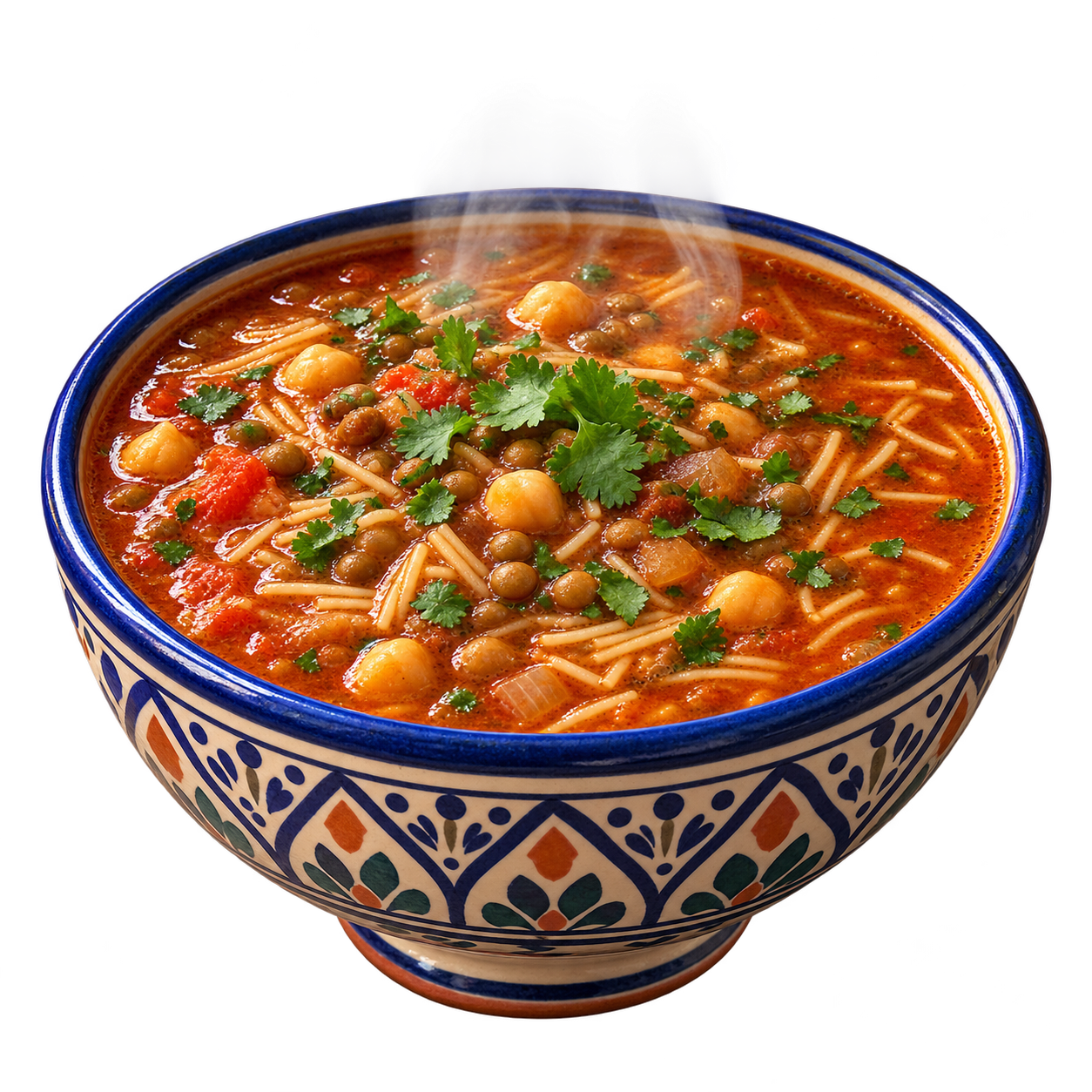
Harira: a busy spoonful
Chickpeas met lentils and stayed. Vermicelli drew little paths between them; tomato brought everyone together.
Checked fact. Moroccan harira combines tomatoes, pulses and other ingredients, including lentils, chickpeas and vermicelli in some versions.
Thickness and meat additions vary between households.
5. Tom yum: sour and hot agree
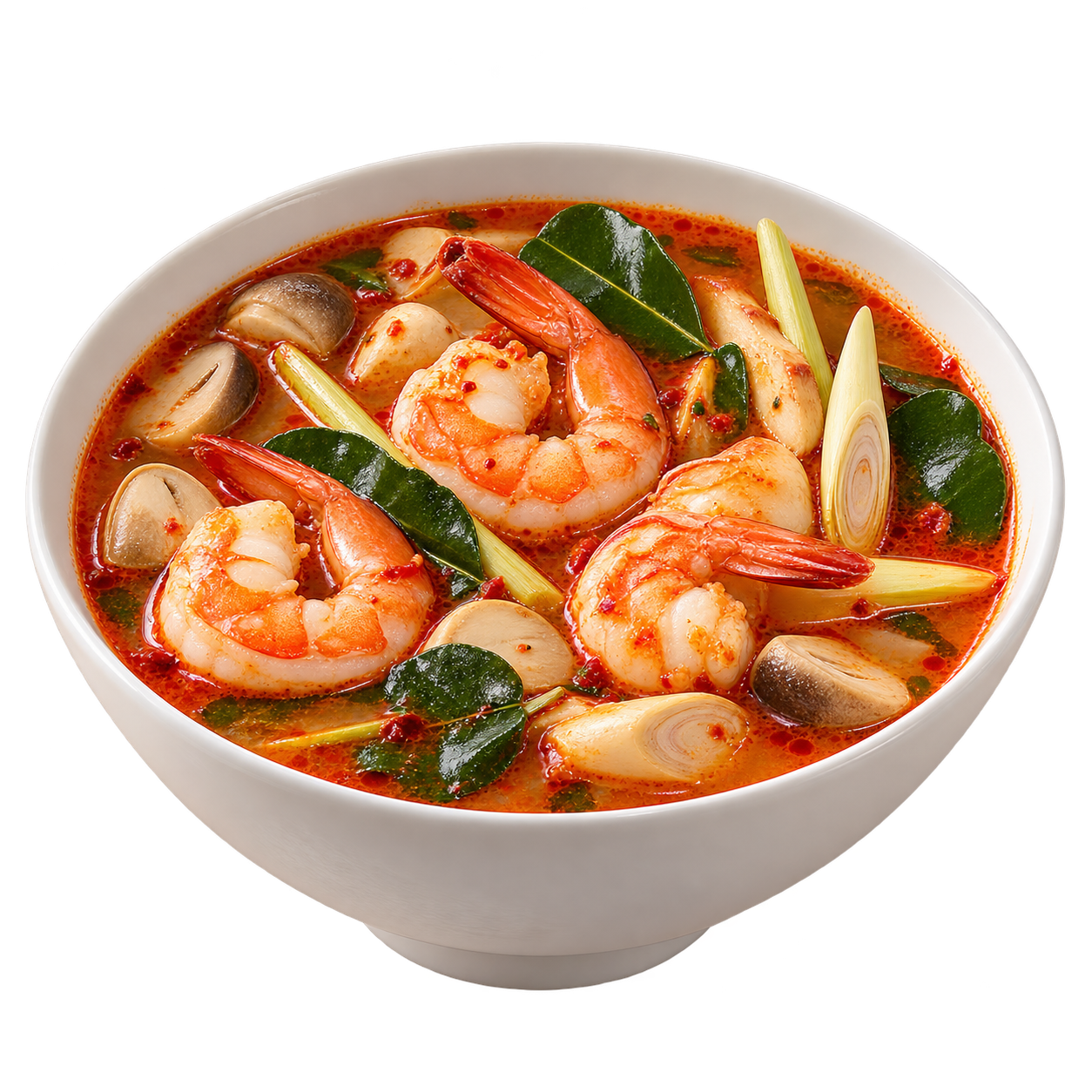
Tom yum: sour and hot agree
The prawn wanted the first word. Lemongrass, galangal and lime leaves had already started an aromatic conversation.
Checked fact. Tom yum kung is a Thai sour and spicy prawn soup with aromatic plant ingredients.
Our illustration shows a clear version; creaminess is not compulsory.
6. Borscht: beetroot sets the tone
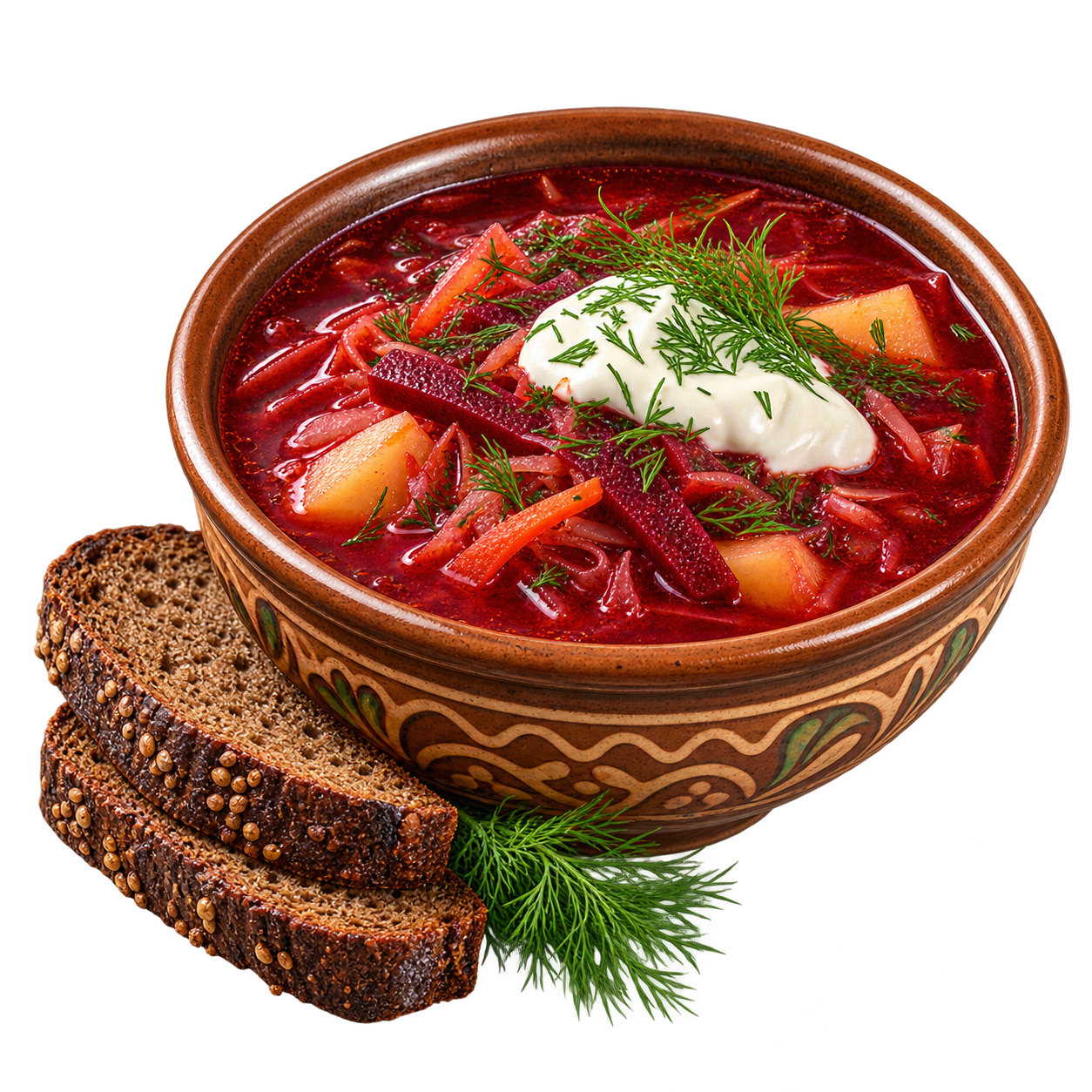
Borscht: beetroot sets the tone
Beetroot entered the pot and changed the palette. Sour cream signed the ruby surface in white.
Checked fact. Ukrainian borscht cooking is passed through families; ingredients vary with region, season and occasion.
We show a red beetroot version; borscht also belongs to other culinary traditions.
7. Minestrone: room for vegetables
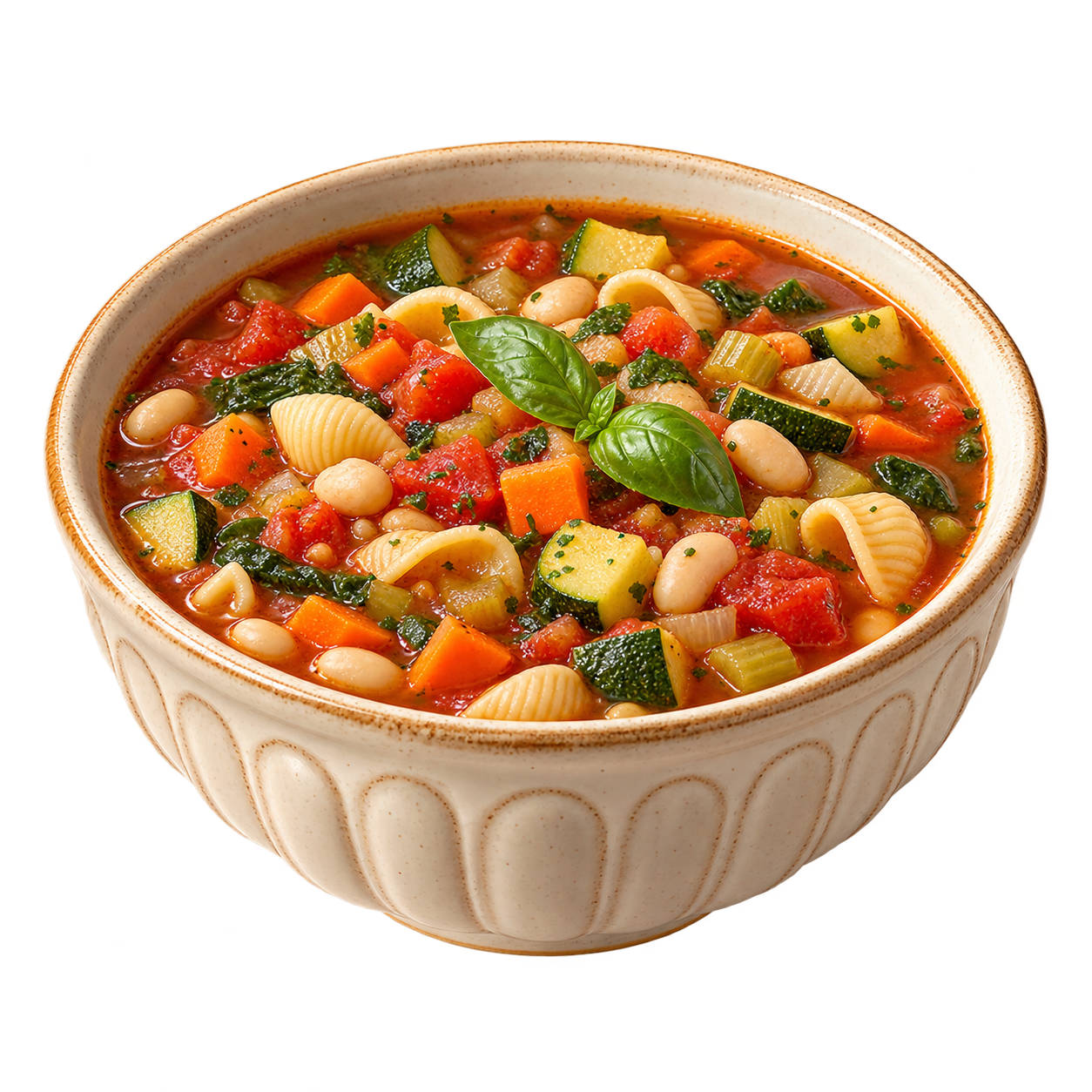
Minestrone: room for vegetables
Carrot invited courgette; beans brought pasta. The soup refused to choose one star and kept everyone.
Checked fact. Minestrone is a vegetable soup that may include pulses and small pasta; vegetable selections vary.
Our version retains distinct pieces rather than becoming a purée.
8. Caldo verde: greens wear ribbons
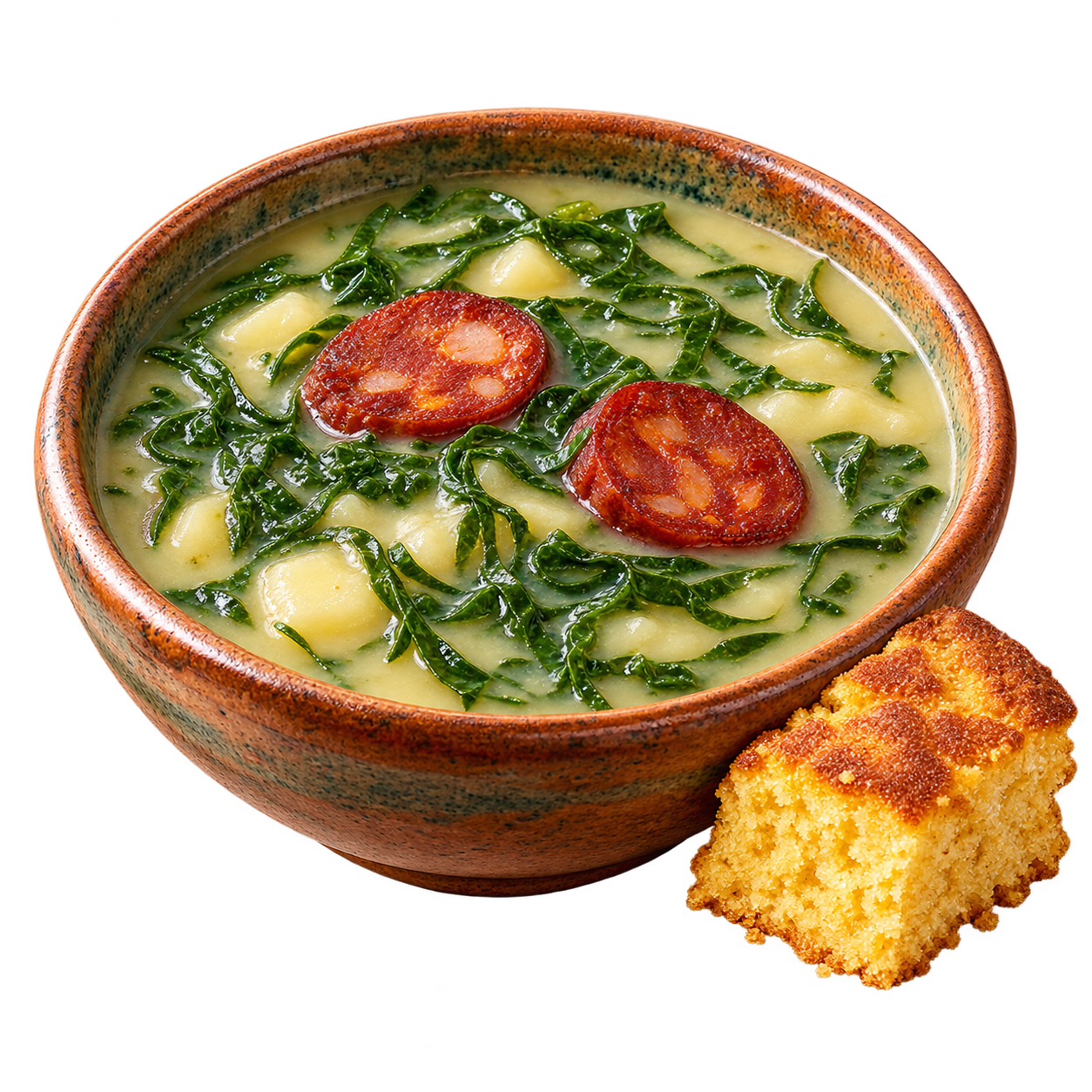
Caldo verde: greens wear ribbons
Potato prepared a pale stage. Greens entered as thin ribbons, while chouriço added red accents.
Checked fact. Portuguese caldo verde combines a potato base with finely sliced leafy cabbage, sometimes served with chouriço.
Fine green ribbons distinguish it from a uniformly green purée.
9. Lohikeitto: salmon finds a creamy shore
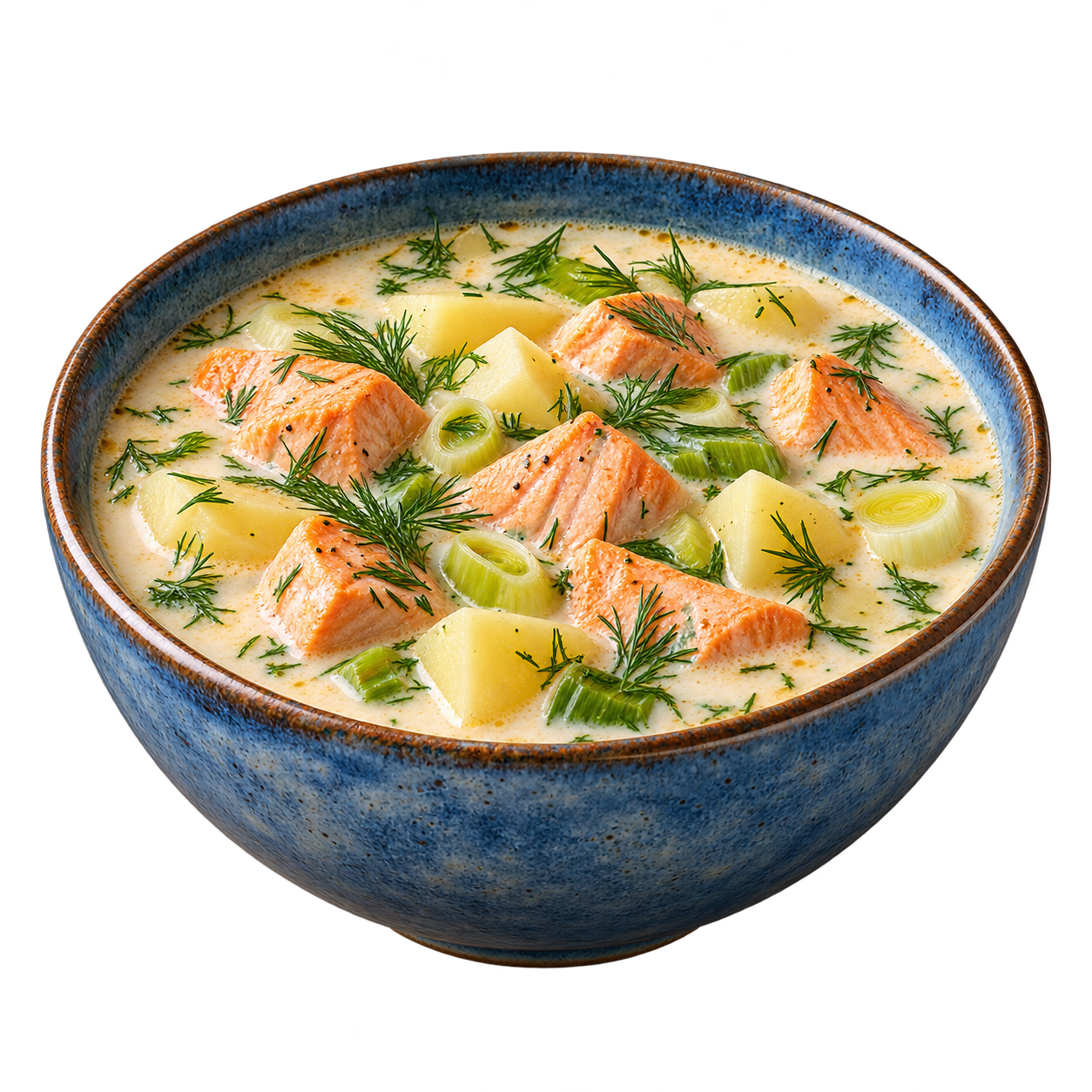
Lohikeitto: salmon finds a creamy shore
Salmon settled among potatoes. Dill raised green branches along the shore of a small creamy sea.
Checked fact. Lohikeitto is Finnish salmon soup; a familiar version includes potatoes, cream and dill.
The illustration shows fish and potato pieces rather than a smooth cream.
10. Clam chowder: clams under a white blanket
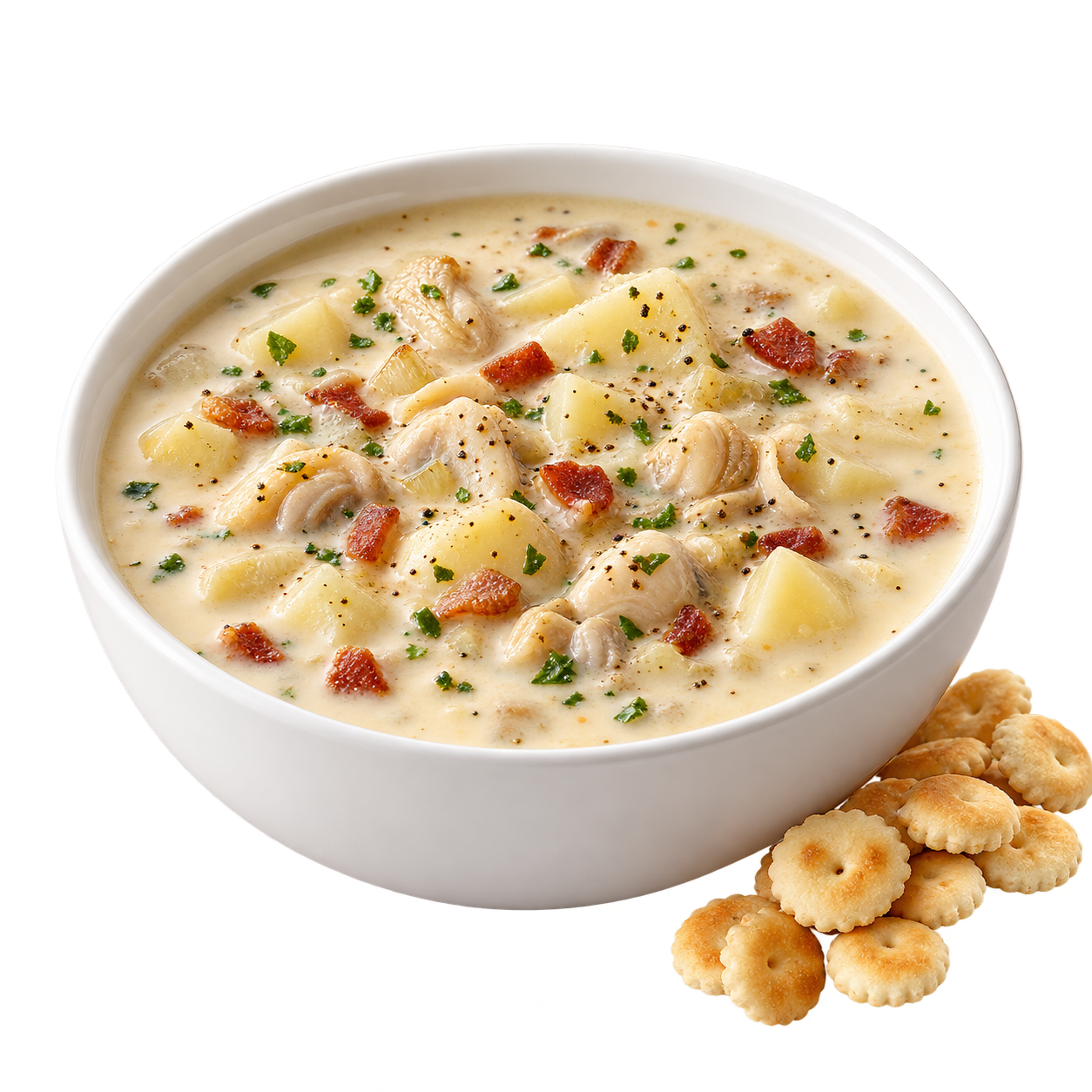
Clam chowder: clams under a white blanket
Clams hid in thick soup. Potatoes joined them; crackers agreed to crunch just before the spoon arrived.
Checked fact. New England clam chowder is associated with clams, potatoes and a milk or cream base.
This is one regional branch; not every chowder is white and creamy.
Each has its own character
Each soup gathers its own company. Sometimes its character is visible before the first spoonful.