
A cake may announce itself through a caramel roof, coffee layers, honey aroma or red velvet crumb. From Viennese Sachertorte to Latin American tres leches, here are ten ways to make a celebratory slice.
These are ten famous examples, not a world ranking. Recipes vary across countries and pastry shops; disputed invention legends are not established facts. Illustrations show particular versions, and the cakes’ conversations are editorial fiction.
1. Sachertorte: chocolate makes room for apricot
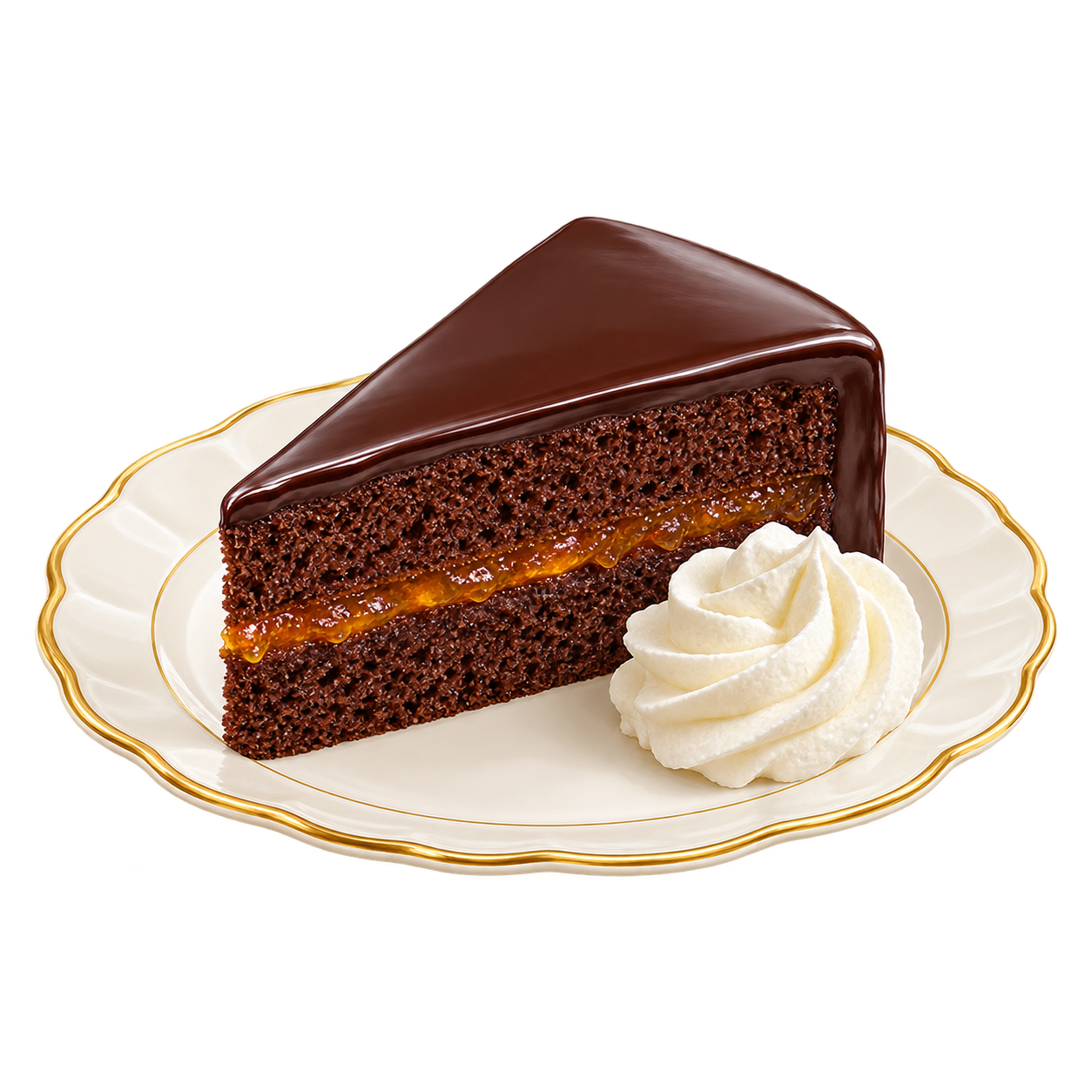
Vienna, Austria
Chocolate wanted every job: cake, coating and leading role. Apricot jam asked for a line of its own. The resulting division of duties paired a formal exterior with a fruity turn inside.
Checked fact. The branded Original Sacher-Torte combines chocolate sponge, apricot jam and chocolate glaze.
Original Sacher-Torte is a specific branded name, not a label for every homemade Sachertorte.
2. Black Forest: cherries wander through cream
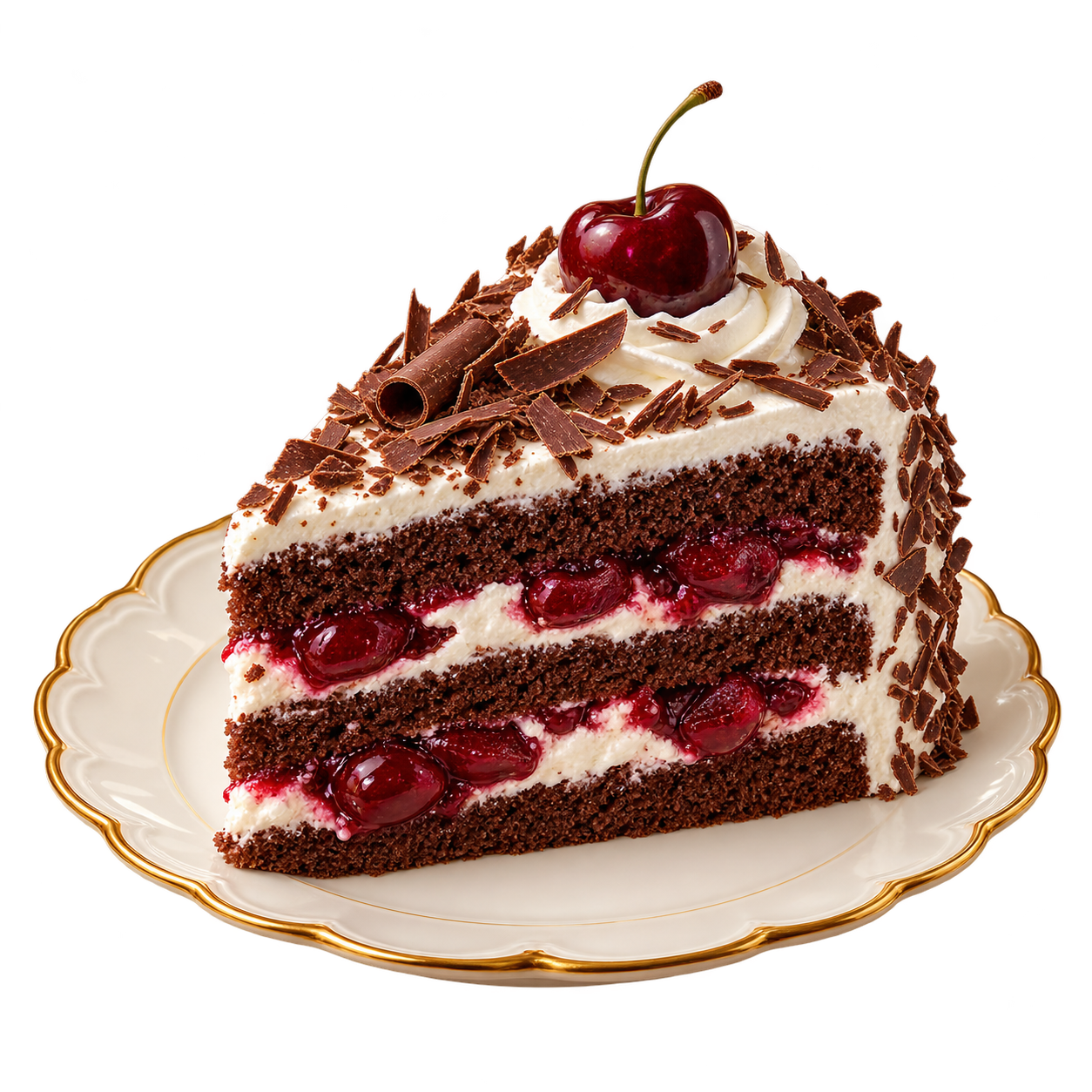
Germany; Schwarzwälder Kirschtorte
The name promised a forest, but the plate offered drifts of cream and chocolate paths. Cherries found their place between them. A fork was the best instrument for exploring this landscape from summit to bottom layer.
Checked fact. Chocolate cake, cherries and whipped cream define the familiar form; kirsch, a cherry spirit, is a characteristic ingredient.
Kirsch is not cherry syrup; check the actual recipe if alcohol is unwanted.
3. Dobos: caramel becomes the roof
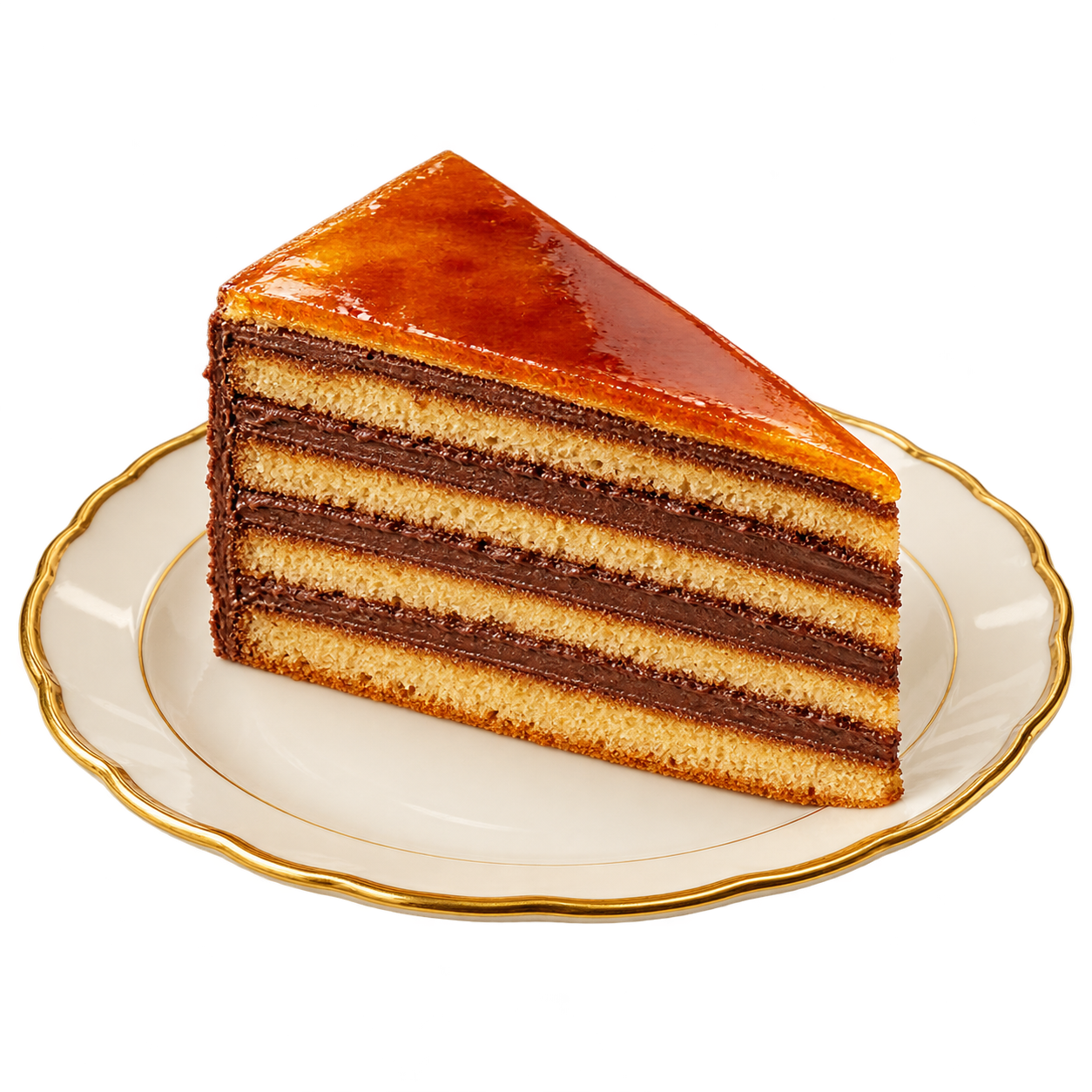
Hungary
Dobos built itself like a tidy house: sponge, cream, then another storey. For the roof, it chose caramel. The top became just as interesting as the cross-section.
Checked fact. Dobos is a Hungarian sponge layer cake with chocolate buttercream and a caramel top.
The caramel sheet distinguishes it from many otherwise similar layered cakes.
4. Esterházy: the cake draws its own pattern
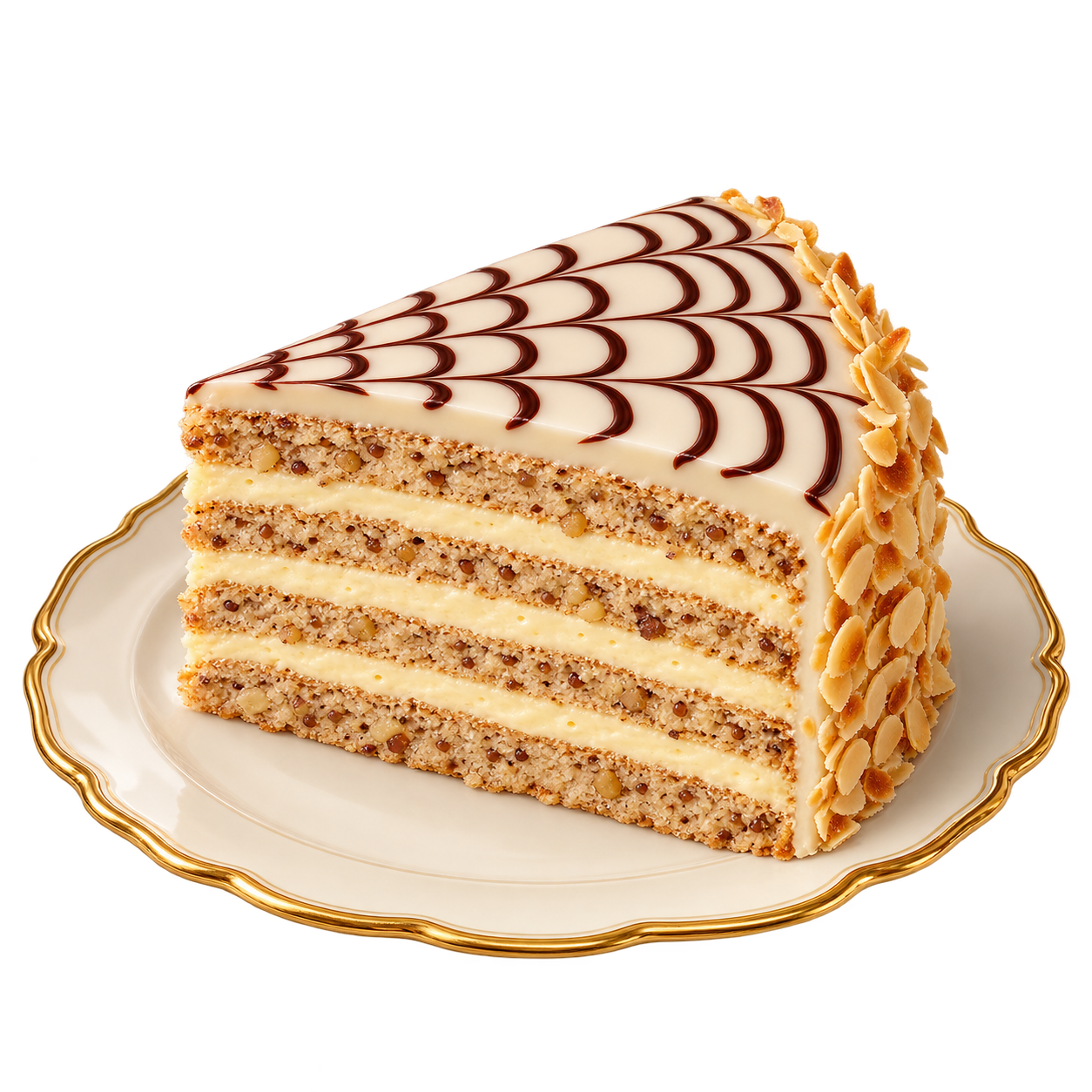
Hungarian-Austrian pastry tradition
Esterházy arrived wearing an elegant lattice and refused to hide behind the teapot. Other cakes saved their secrets for the cut; this one introduced itself with a drawing before revealing its layers.
Checked fact. A recognisable Esterházy form pairs nut-based layers and cream with a pale patterned top. Nuts and cream vary between pastry makers.
This is a family of variations, not one compulsory formula. The nuts matter for allergies.
5. Medovik: flavour builds storey by storey
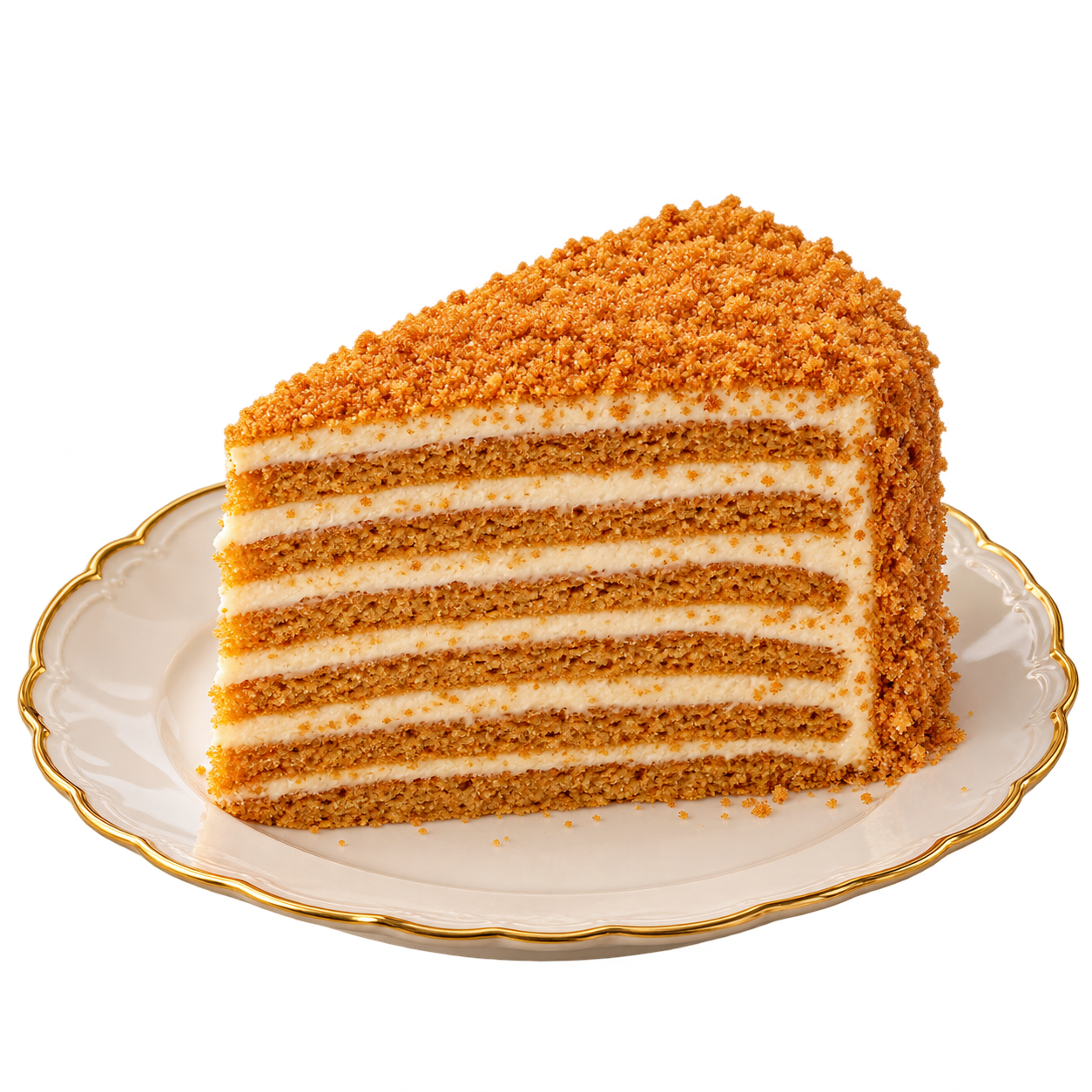
Honey layers and cream
Medovik could have stopped after one layer, but good conversations deserve another turn. Cream filled the pauses. Then came a longer rest: sometimes a cake finds itself after a quiet night rather than in the oven.
Checked fact. A layered honey cake is assembled ahead; resting in the refrigerator helps its layers come together.
Layer counts and fillings vary. We do not present a single imperial-origin legend as established history.
6. Opéra: coffee gets its own stage
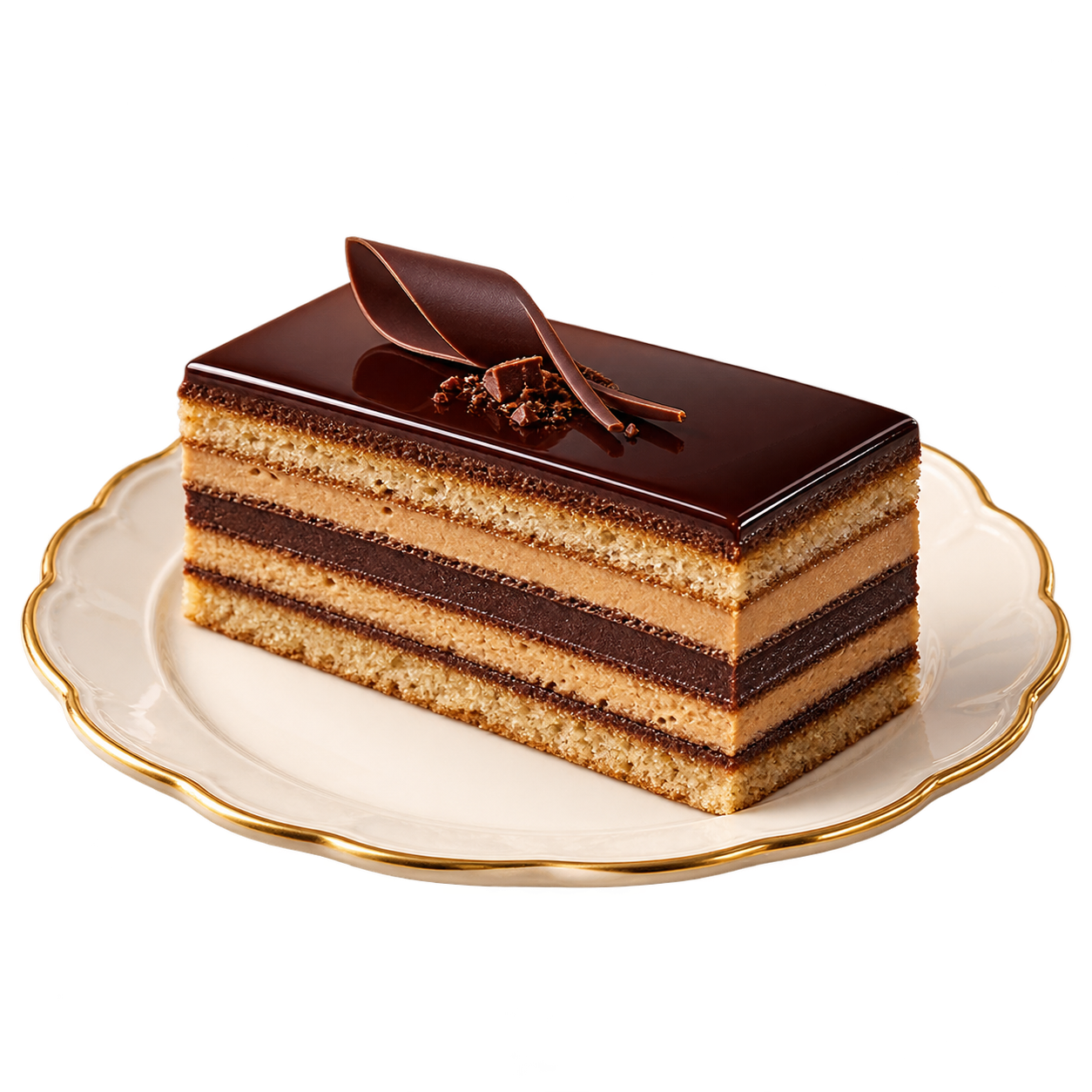
French pastry classic
Opéra did not sing; it displayed precise layers instead. Coffee set the mood, chocolate supplied the final curtain. This was a performance best viewed in cross-section and small portions.
Checked fact. Paris’s Dalloyau describes Opéra with coffee-syrup soaking, buttercream filling and dark chocolate glaze.
The key pairing is coffee and chocolate, not a promise of one identical recipe in every pastry shop.
7. Red velvet: colour makes a statement
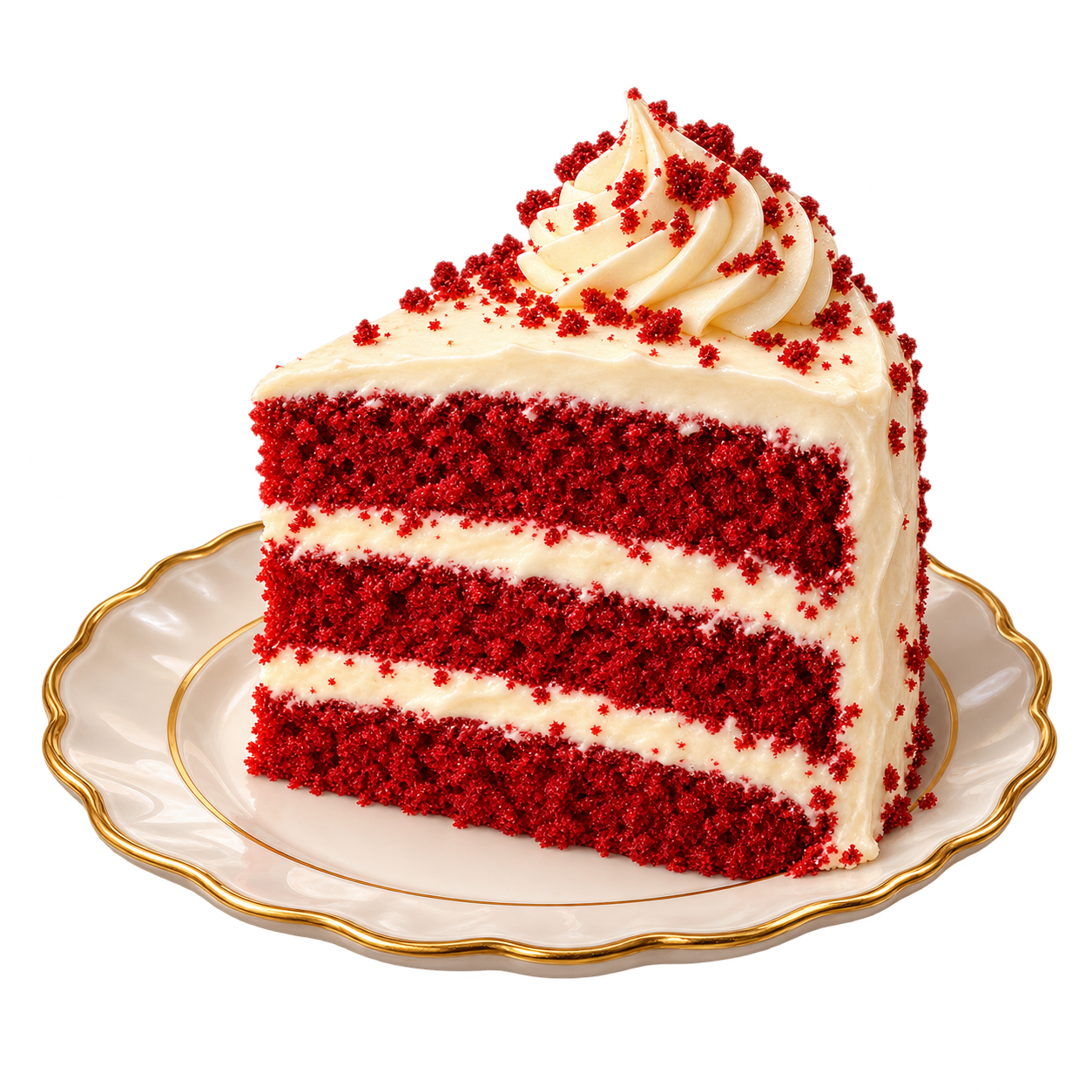
American classic
Red velvet arrived as if it knew exactly where the cameras stood. Red layers and white frosting explained themselves. Behind the costume, though, was more than colouring: the cake had its own flavour and gentle character.
Checked fact. Modern red velvet recipes use cocoa, buttermilk or another cultured dairy base, and red food colouring. Frostings vary.
It is not simply any chocolate cake dyed red; colour intensity also depends on the formula.
8. New York cheesecake: cheese takes centre stage
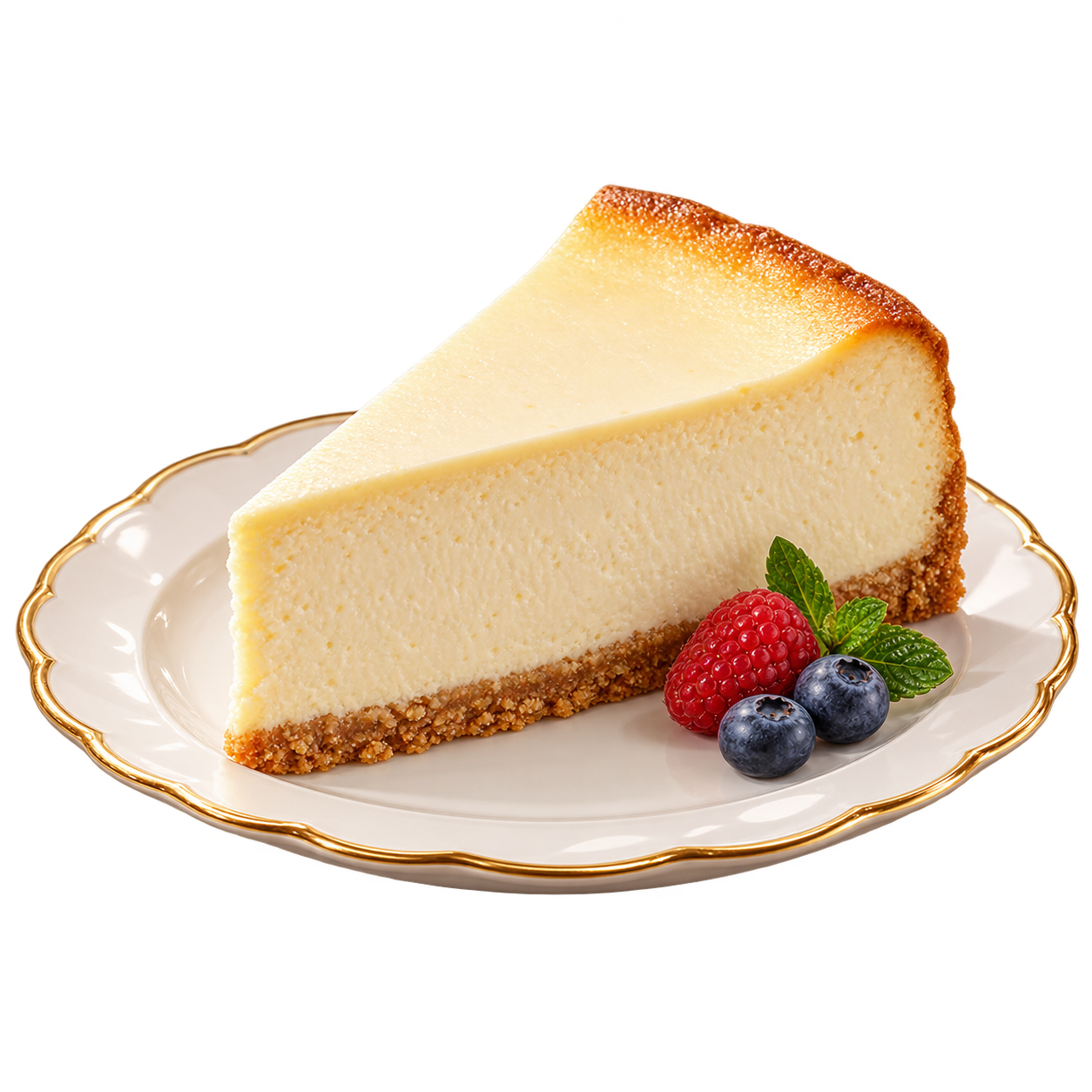
United States; baked cheesecake
Ordinary cakes rely on sponge layers. Cheesecake considered that rule and gave most of the space to filling instead. A modest base held the structure while cream cheese enjoyed the spotlight.
Checked fact. New York-style cheesecake is baked with a cream-cheese and egg filling. Its base need not be cookie crumbs.
Do not confuse it with no-bake cheesecakes or airy Japanese versions; those follow different structures.
9. Tres leches: sponge invites three milks
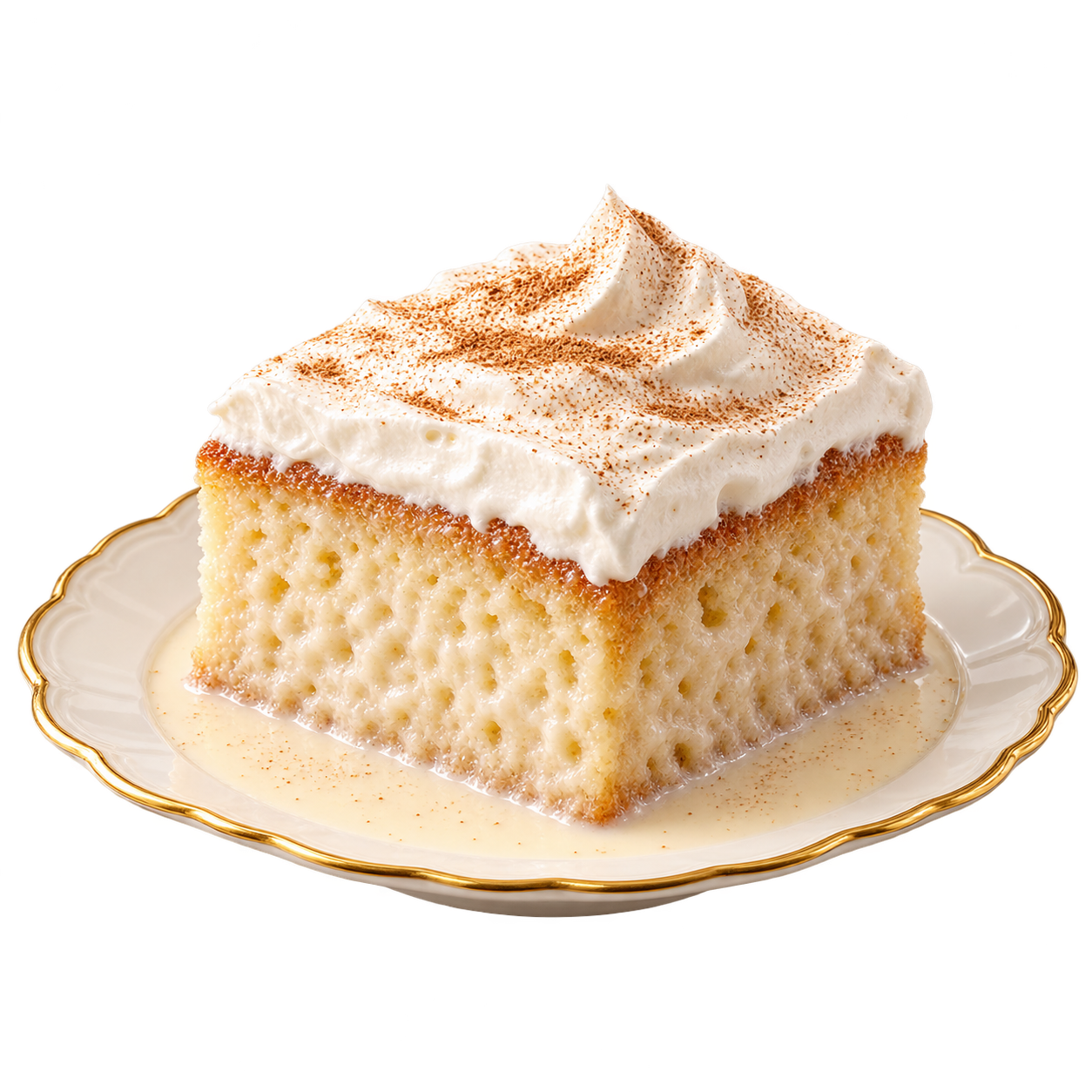
Latin America
The sponge planned to remain rather dry and independent. Three milky visitors changed its mind. After their arrival, the cake became moist, tender and thoroughly committed to its soaking.
Checked fact. The name means three milks. King Arthur’s recipe uses sweetened condensed milk, evaporated milk and cream.
The soaking mixture varies; we do not assign the cake one uncontested country of invention.
10. Victoria sponge: a sandwich chooses tea
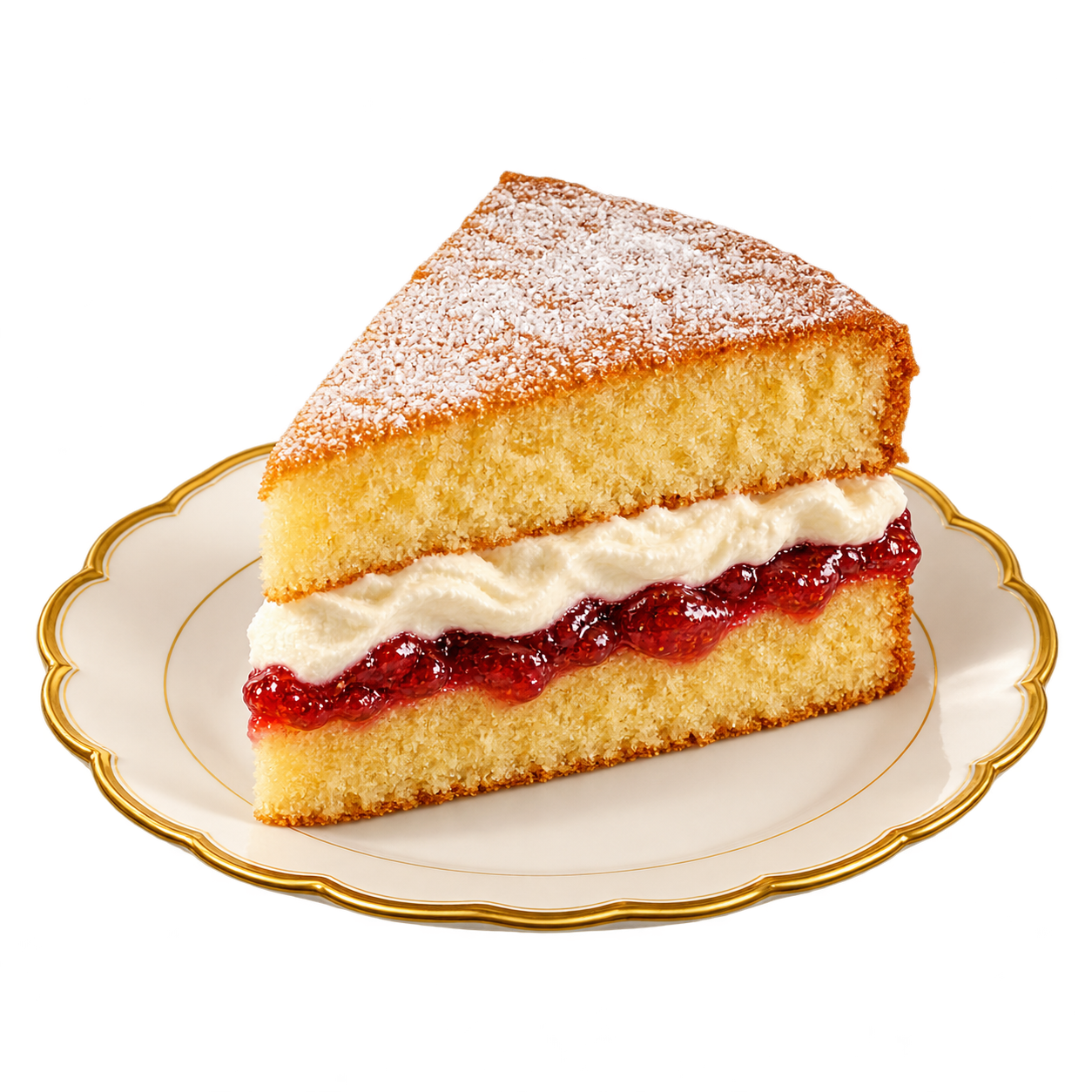
British tea tradition
This sandwich was not made of bread and had no argument with cucumber. Two cake layers made room for jam and cream between them. The teapot murmured approval: these were its kind of guests.
Checked fact. Victoria sandwich pairs two cake layers with jam and whipped cream or buttercream, depending on the version.
A restrained top leaves the filling in charge. Sandwich describes the assembly, not a savoury flavour.
Each has its own character
Every cake has its architecture: a soaking, a nut layer or a thin caramel roof. A good cross-section tells that story faster than any ceremonial speech.