
Some drinks rattle with ice; others carry fruit, yogurt or tapioca pearls. Here are ten recognisable non-alcoholic options and the details that make each distinctive.
This is a tour of flavours, not a health ranking. Ingredients and sweetness vary; illustrations show individual versions. The talking drinks are editorial fiction, while factual details have sources.
1. Lemonade: summer negotiates with a lemon
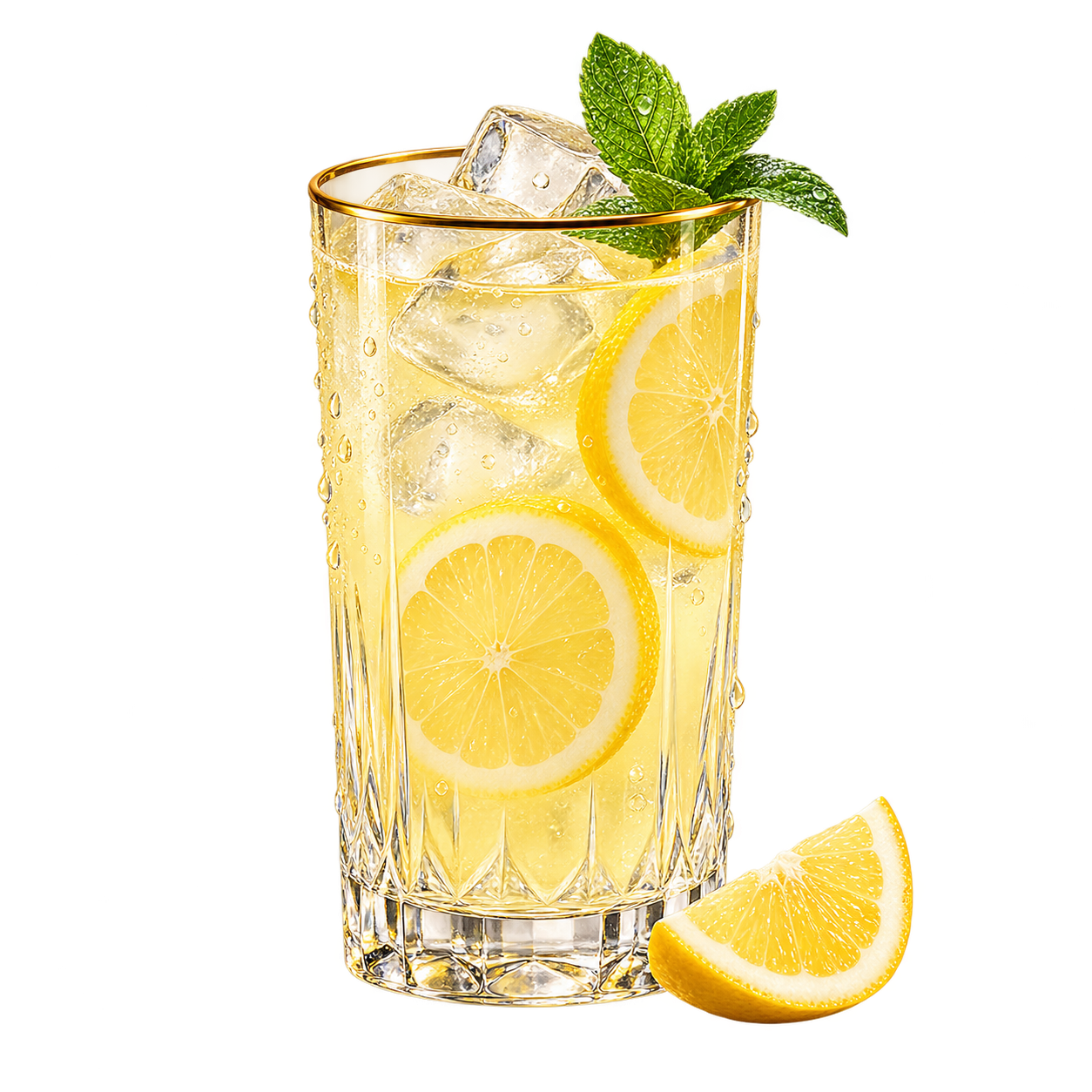
Lemon, water and sweetness
The lemon considered itself too serious for a party. Water offered to dilute its severity, sugar softened its character, and ice supplied the music. Summer had found a drink that needed no elaborate costume.
Checked fact. Homemade lemonade can use lemons, sugar and water; carbonation is optional.
Adjust sourness and sweetness to taste; the name does not guarantee the same formula everywhere.
2. Iced tea: tea changes its dress code
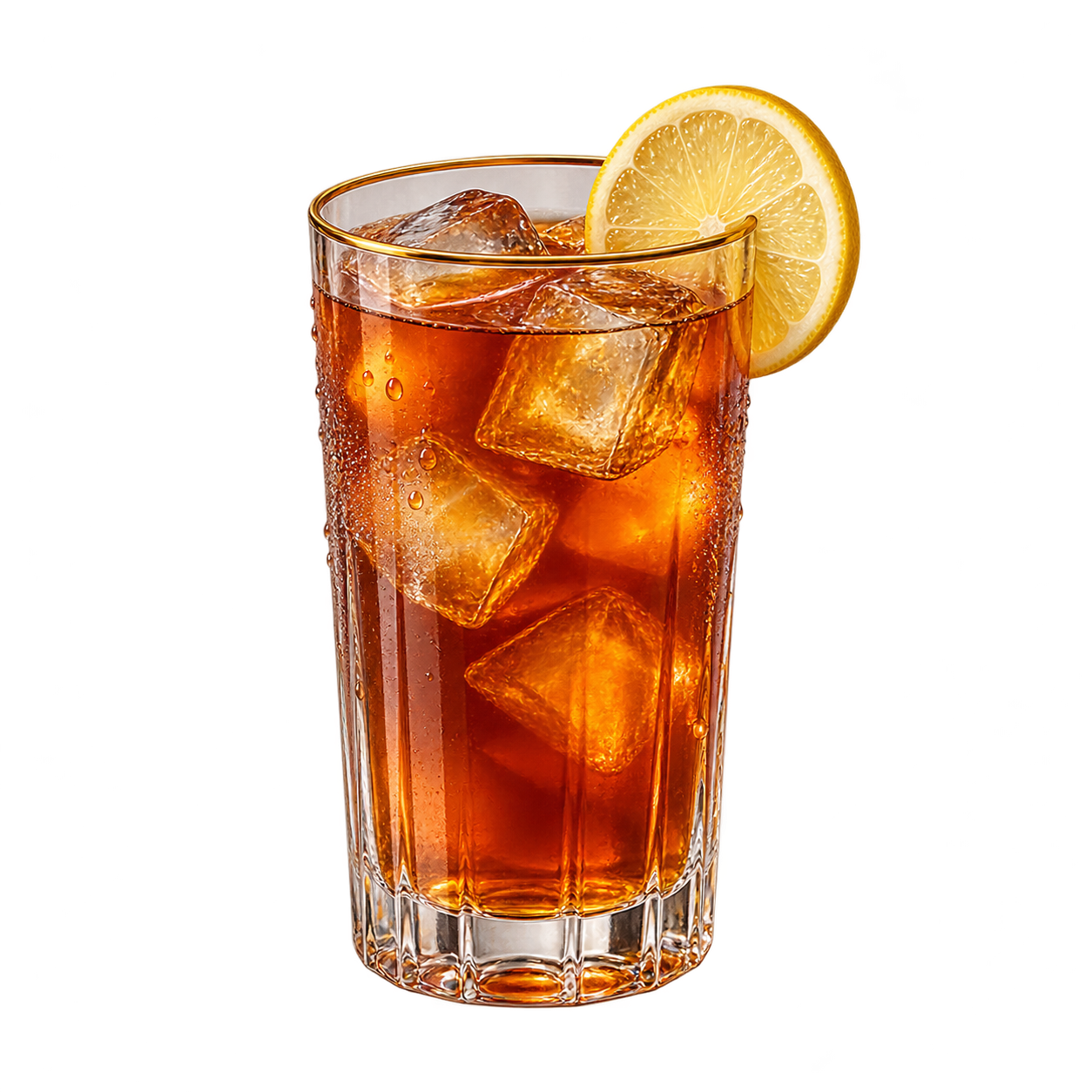
Tea and ice
Tea arrived at a summer gathering steaming hot and realised it had overdressed. It lost the steam, met some ice and moved into a tall glass. The contents stayed tea; the manners became beach-ready.
Checked fact. Serving tea cold does not require cold brewing: one method brews it hot before adding ice.
Versions may be sweetened or unsweetened, with lemon, mint or no additions.
3. Cold brew: coffee decides to take its time
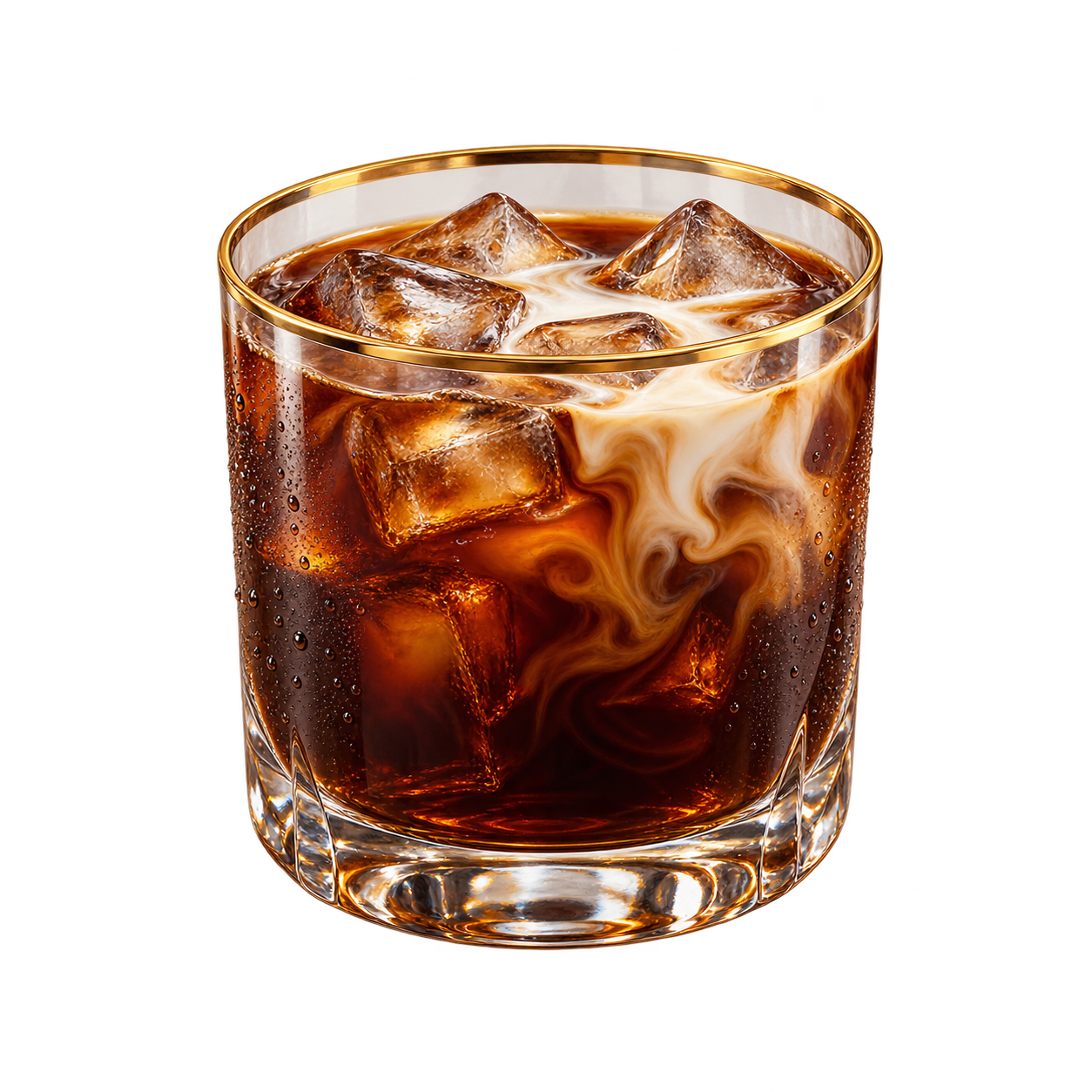
Cold extraction
While espresso rushed to work, cold brew left a note: “See you later.” It was not late; it simply followed a different method. Coffee and water exchanged a long conversation instead of a brief hot introduction.
Checked fact. Cold brew steeps ground coffee in cool water for hours; it is not simply hot coffee cooled down.
Timing varies by method; exactly twenty hours is not a universal rule. The illustration shows a version with added dairy.
4. Greek frappé: the foam speaks first
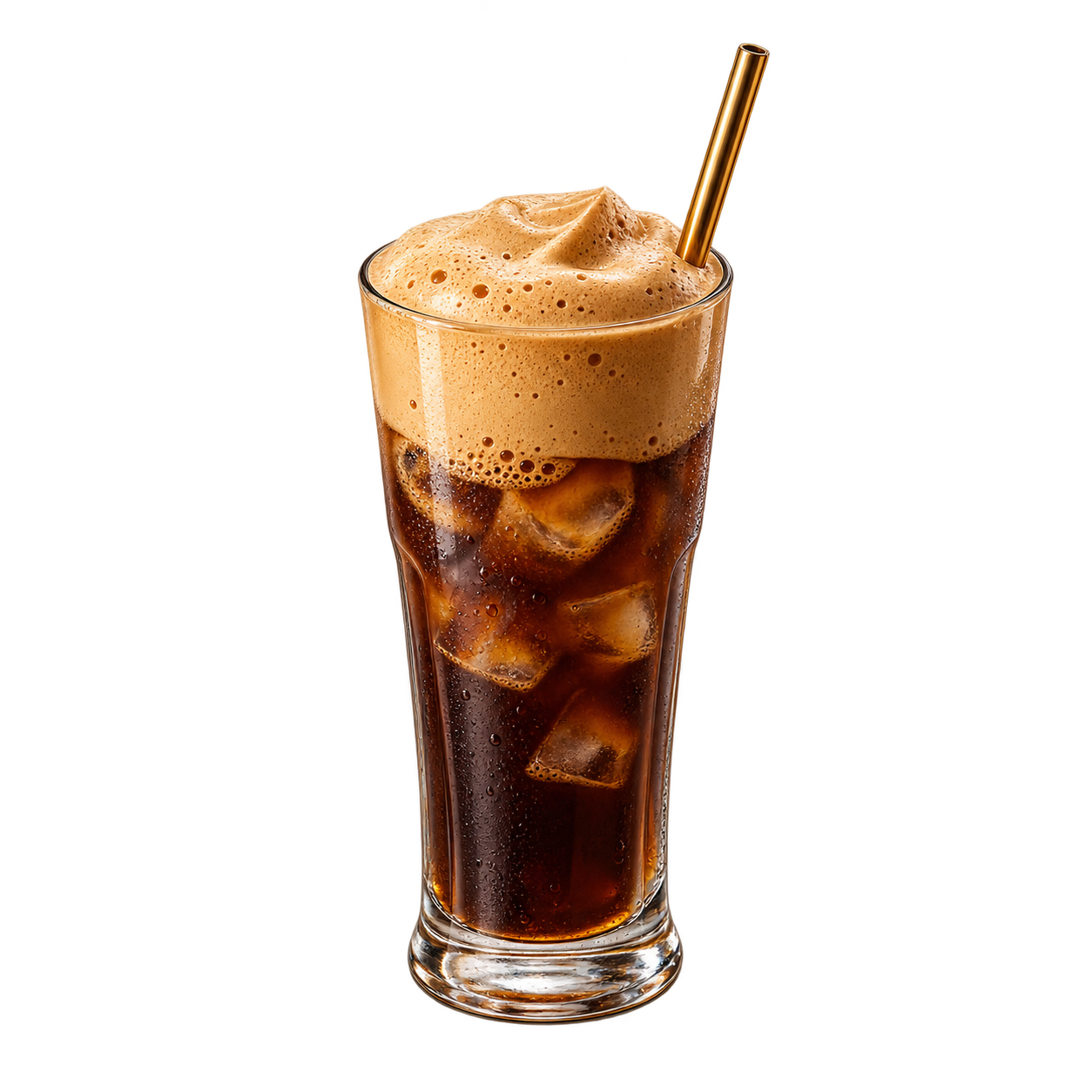
Instant coffee, water and ice
Frappé presented its tall foam hat before introducing itself as coffee. It knew how to make an entrance. Ice rattled, a straw took its place, and an ordinary break became a miniature holiday.
Checked fact. Greek frappé is made by shaking or frothing instant coffee with water, then adding ice and optional milk.
Here we mean the Greek coffee version; other menus use frappé for different drinks.
5. Milkshake: ice cream changes its tableware
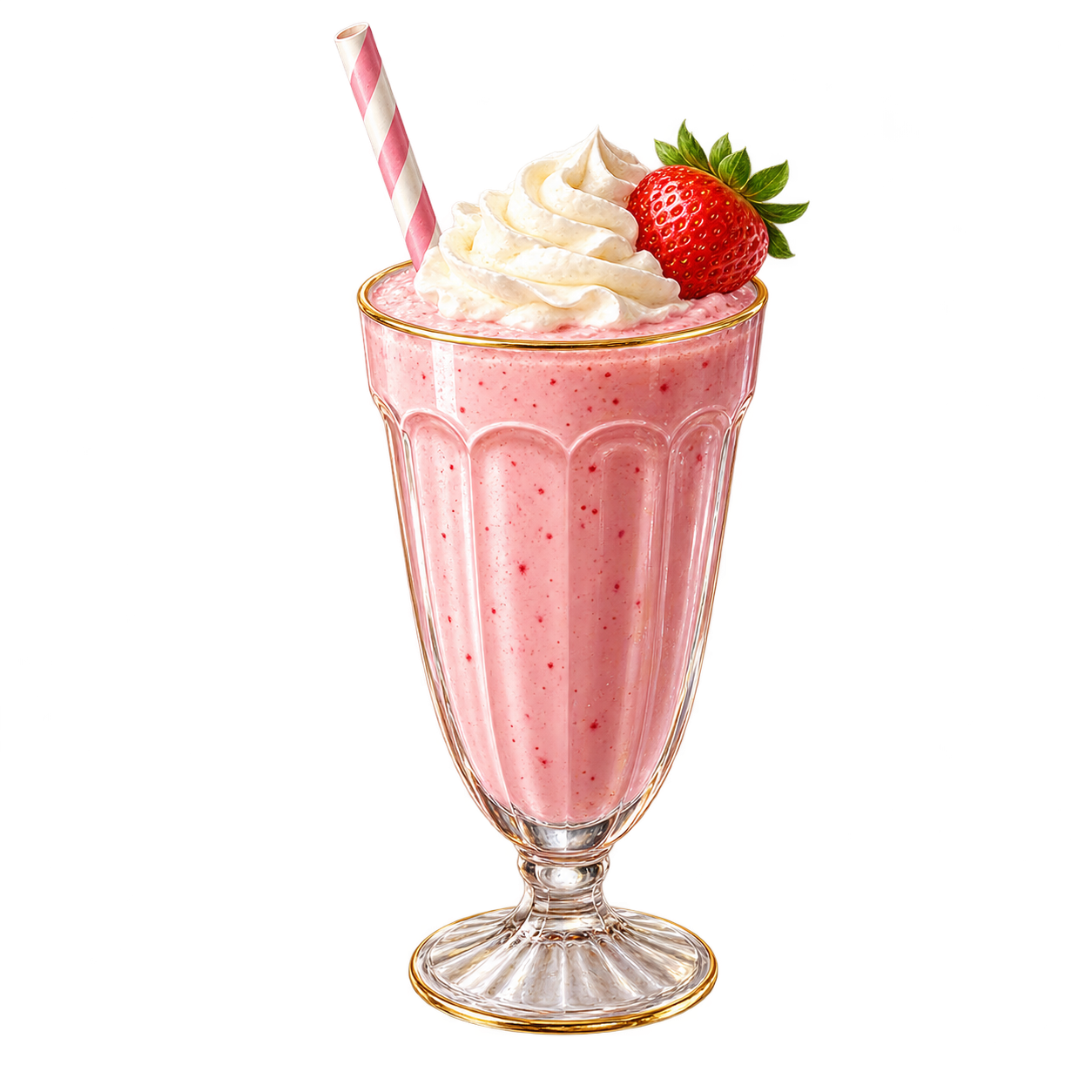
Milk and ice cream
Ice cream grew tired of waiting for a spoon and moved into a glass. Milk helped it settle in, strawberries chose the colour, and a blender made the introductions. Dessert could now be sipped, though the thickest versions might still ask for the spoon back.
Checked fact. A classic milkshake base blends milk with ice cream; fruit, syrups and other additions supply flavour.
This is a dessert drink, not a variety of milk. The illustration shows a strawberry version.
6. Smoothie: fruit brings the whole crowd
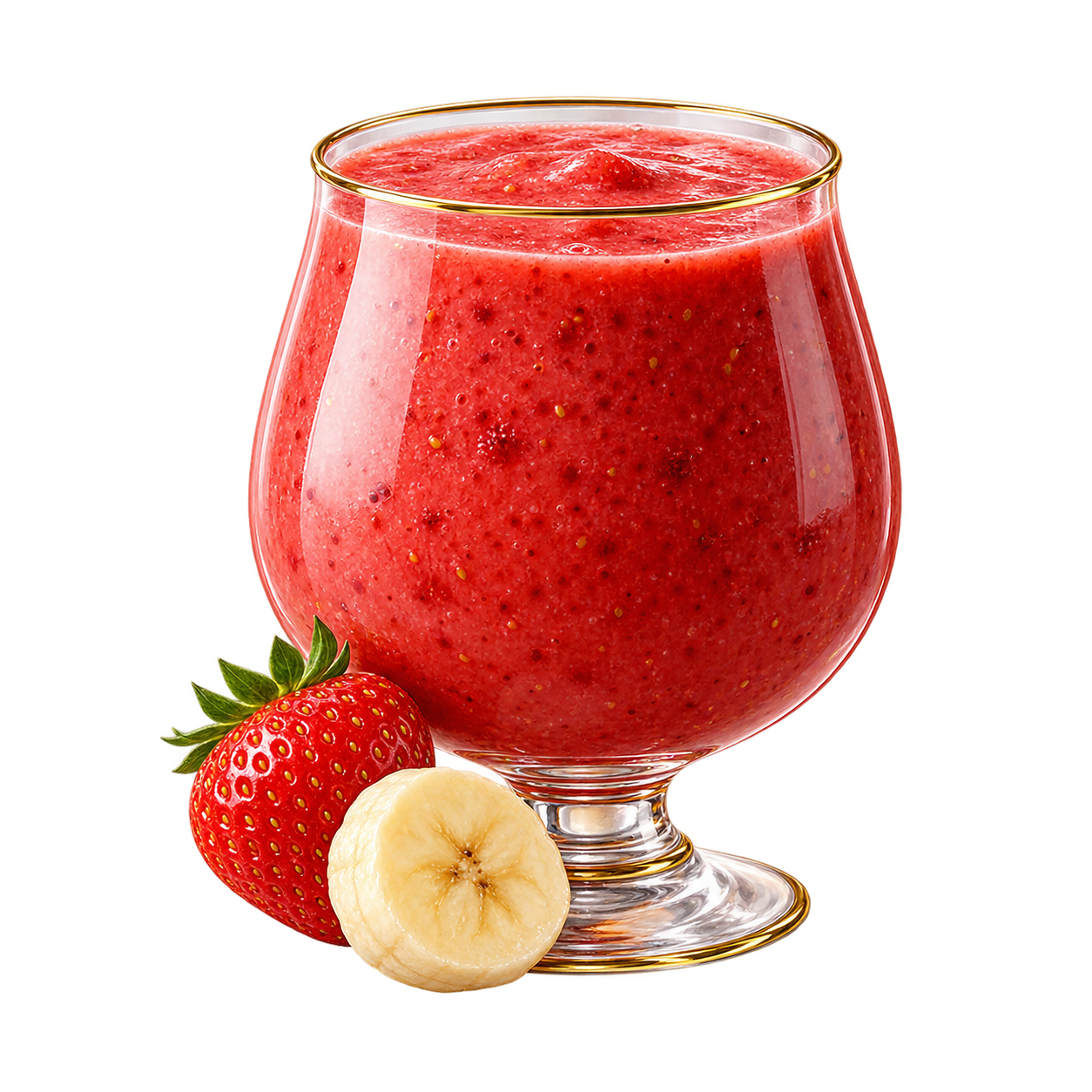
Blended fruit and a liquid base
The fruit felt that juice invited only selected parts to the party. Next time, it brought its pulp along. A blender settled the differences, and the whole colourful gathering fitted into a glass.
Checked fact. A smoothie blends edible fruit flesh, which is usually retained rather than strained away as in filtered juice.
Water, milk or yogurt may form the liquid base. Thickness and sweetness depend on the ingredients.
7. Lassi: yogurt tries on a mango outfit
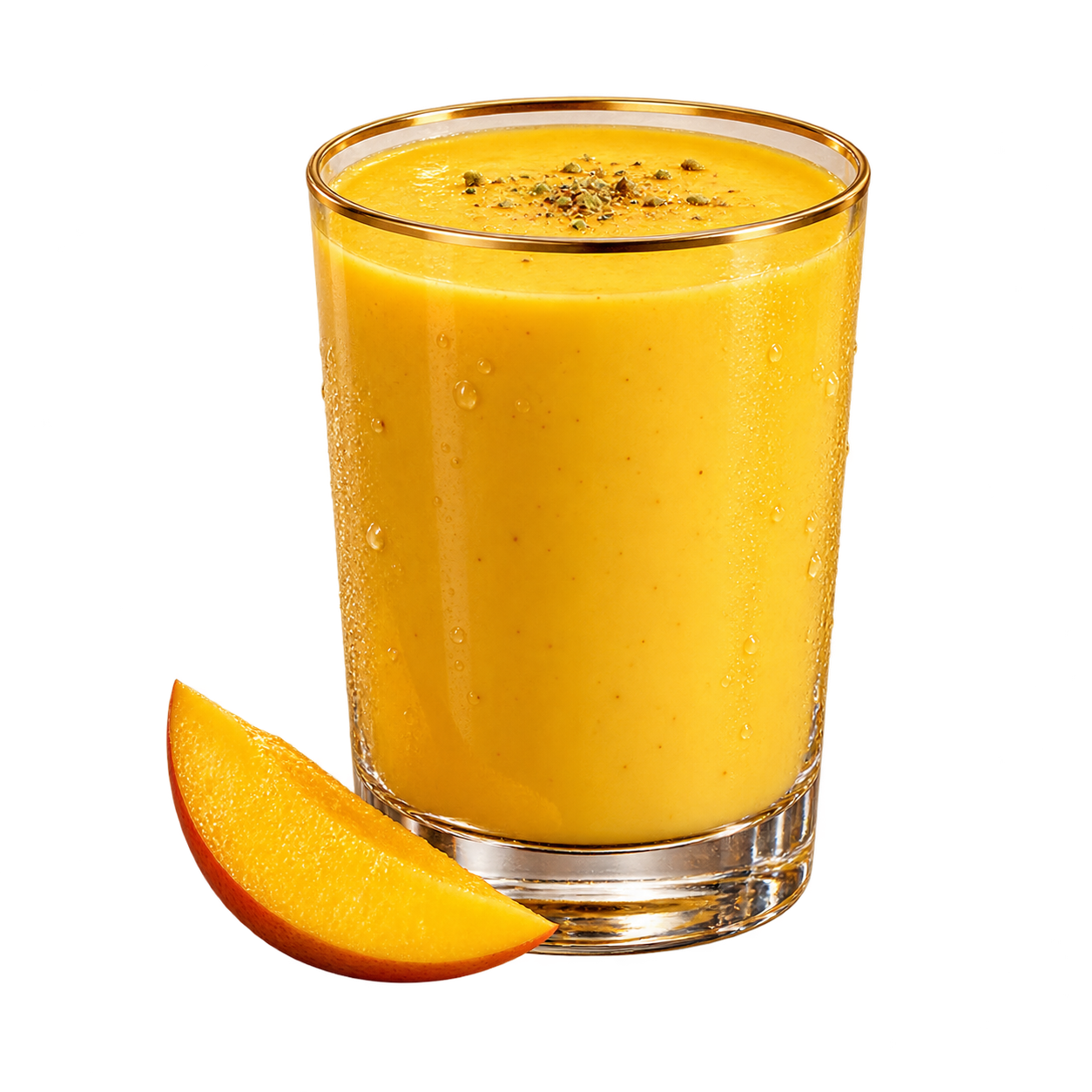
South Asia; mango version pictured
Yogurt wanted to go out, but a spoon kept calling it back to the table. Mango suggested becoming a drink. A little aroma and a quick blend later, breakfast discovered it could arrive in a glass.
Checked fact. Mango lassi blends the fruit with plain yogurt; recipes may include cardamom. Mango is one version, not a requirement for all lassi.
The illustration shows the fruity version; a shared yogurt base does not make it the same drink as ayran.
8. Ayran: the white drink declines dessert
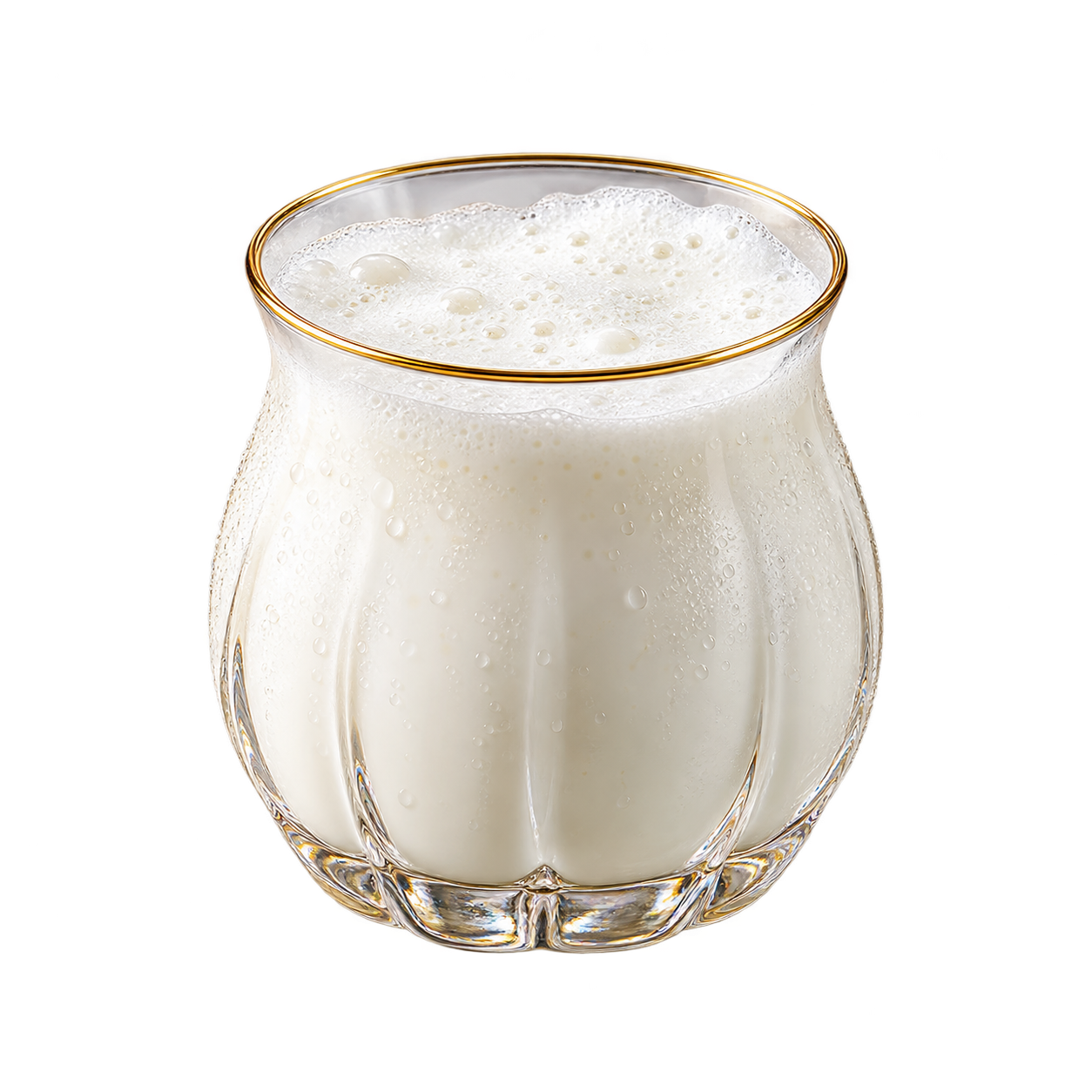
Yogurt, water and salt
Ayran looked ready to make friends with vanilla biscuits. Instead of sugar, it asked for salt and sat down beside a hot meal. The white glass had never promised dessert.
Checked fact. A common Turkish ayran combines yogurt, water and salt; mixing produces a light froth.
It is served chilled alongside food. We make no medicinal claims for it.
9. Horchata: a milky look without milk
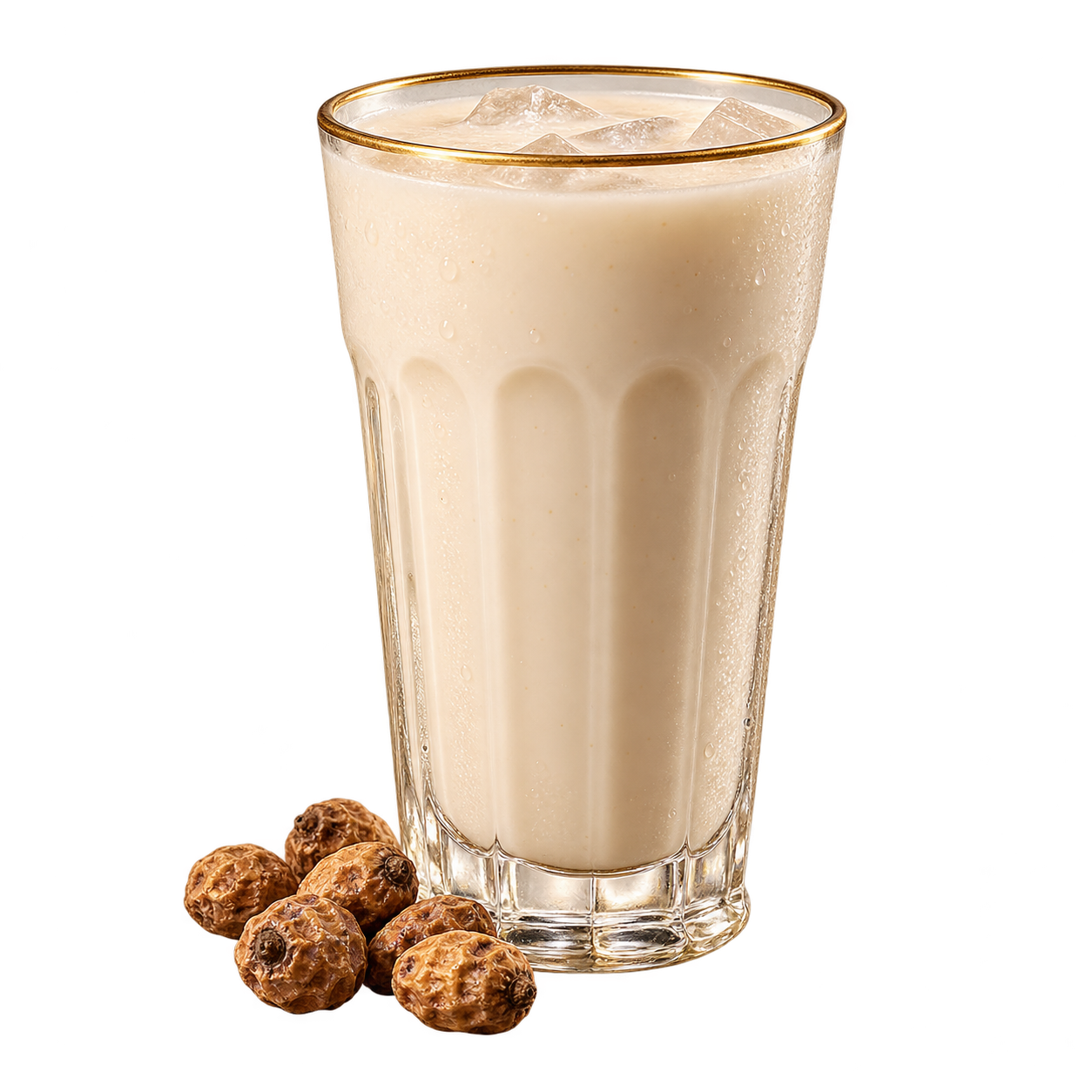
Valencia; horchata de chufa
Horchata was mistaken for milk at the door. It politely asked everyone to check its papers. Its story involved underground tubers, water and sweetness: white can be a surprisingly misleading colour.
Checked fact. Valencian horchata uses chufa, the plant’s small tubers rather than tree nuts. The basic version does not require milk.
This card concerns horchata de chufa; drinks sharing the name elsewhere may use other bases.
10. Bubble tea: tea outgrows the cup
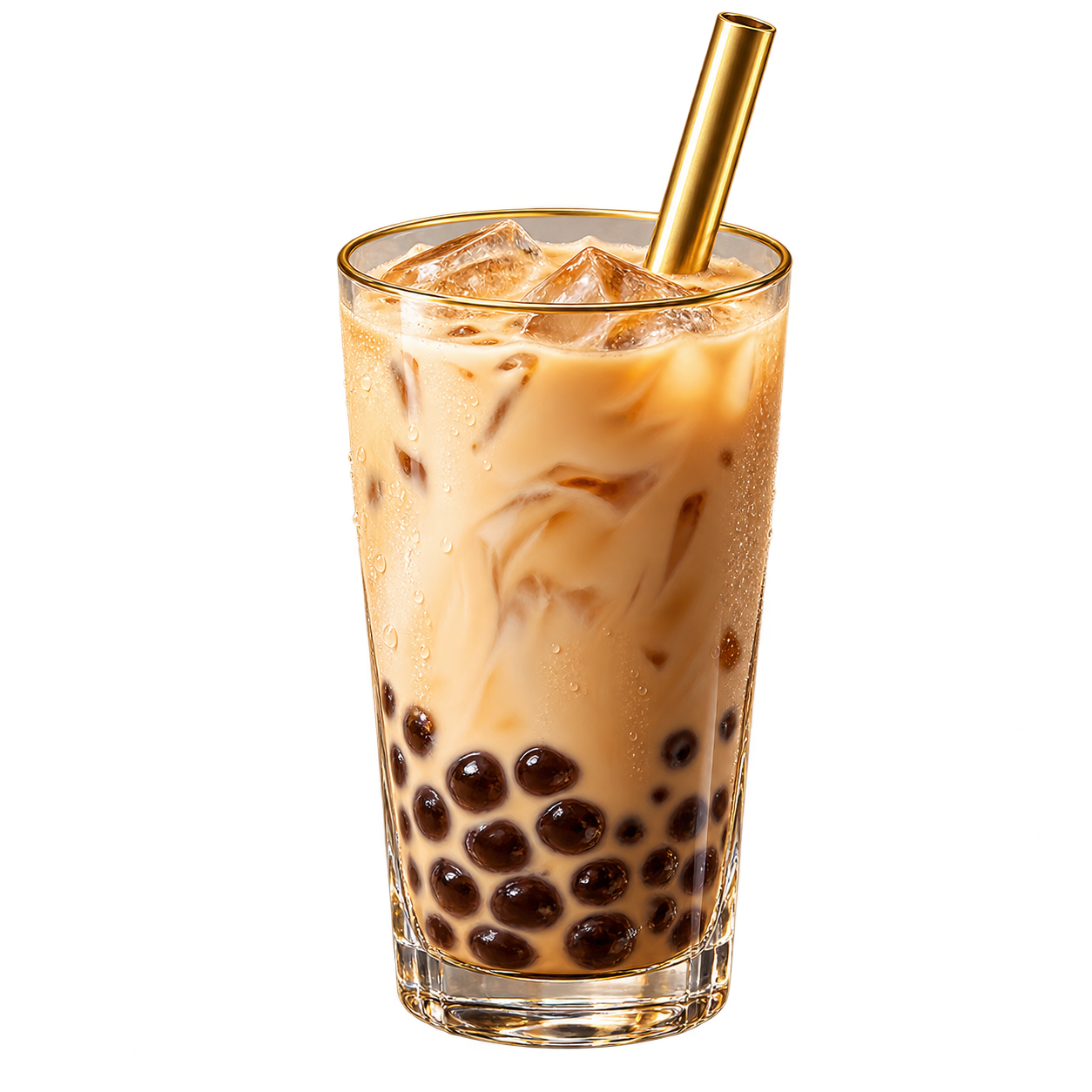
Taiwan; milk tea with tapioca
Tea arrived with a whole crowd of pearls. The narrow straw panicked: the guest list exceeded its diameter. A wider straw joined in, and the drink became a small game of texture.
Checked fact. A classic version combines milk tea with chewy tapioca pearls. Bubble tea is associated with Taiwan’s drink culture.
Not every modern topping is tapioca: jellies and popping toppings also appear. The illustration shows pearl milk tea.
Each has its own character
Refreshment can be tart, salty, coffee-rich or fruity. A different base, brewing method or texture can give a familiar glass an entirely new story.