
The black ThinkPad with its red pointer, everyday IdeaPad, convertible Yoga and gaming Legion share an owner, not a single design. Ten illustrated stops explain how Lenovo and IBM’s notebook histories came together, then branched out, from 1984 to 2025.
Seven documentary photographs include their authors, sources and licenses. Three editorial diagrams are identified separately; they are not exact product drawings. Heading dates refer to historical events, not necessarily the photographed example.
1. 1984–2003. Before Lenovo: Legend
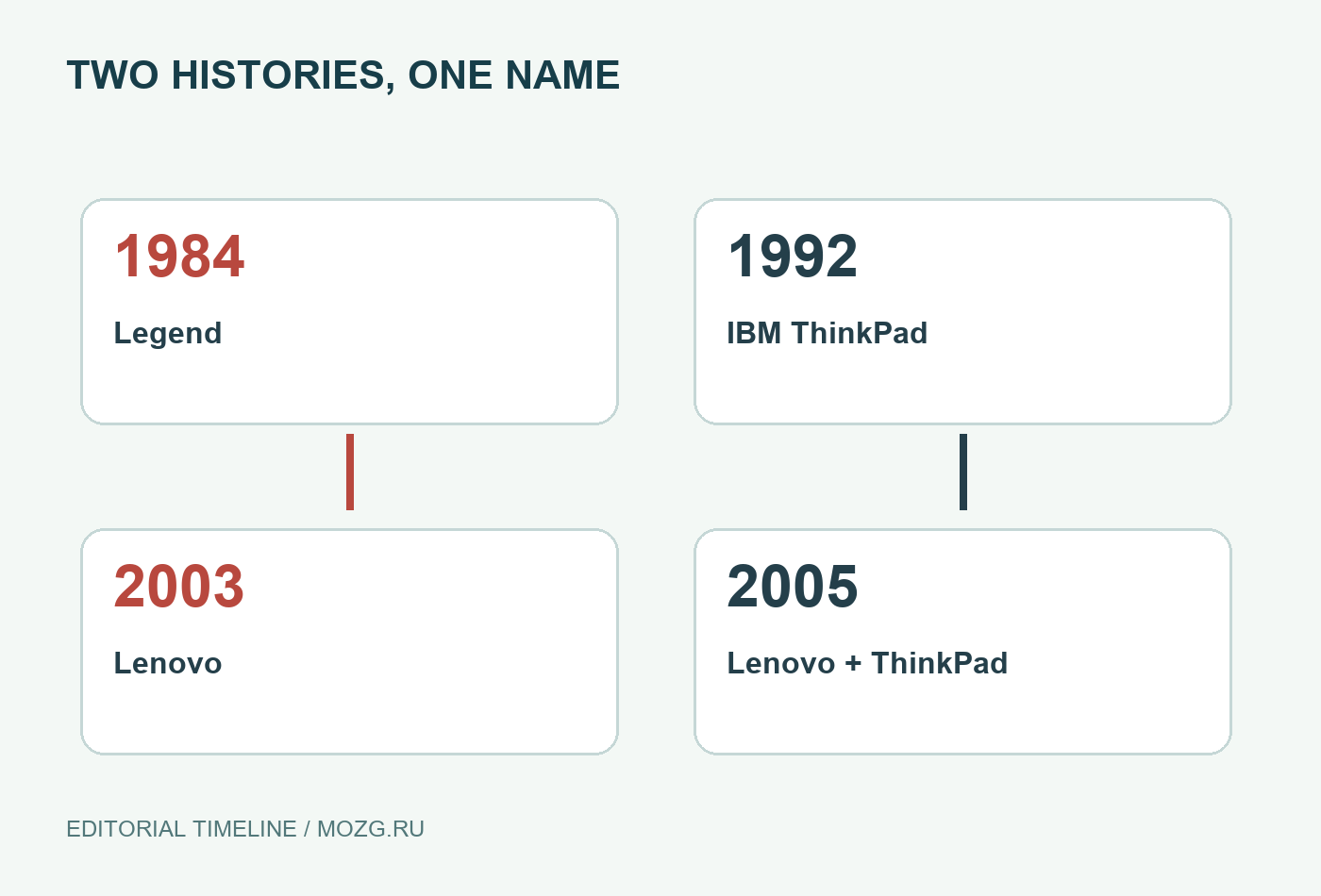
Two histories before the merger
Lenovo was already a computer maker before it acquired ThinkPad. Its roots lie in Beijing under the name Legend; Lenovo became its new brand in 2003. IBM’s portable computers developed separately. Saying that Lenovo “used to be IBM” confuses the two companies with the business deal that later connected them.
Checked fact. The company traces its beginnings to 1984 and the Lenovo brand to 2003.
Editorial timeline: two histories, not product photographs.
Sources 1
Diagram: Mozg.ru editorial team · Mozg.ru · CC BY 4.0
2. 1992. ThinkPad belongs to IBM
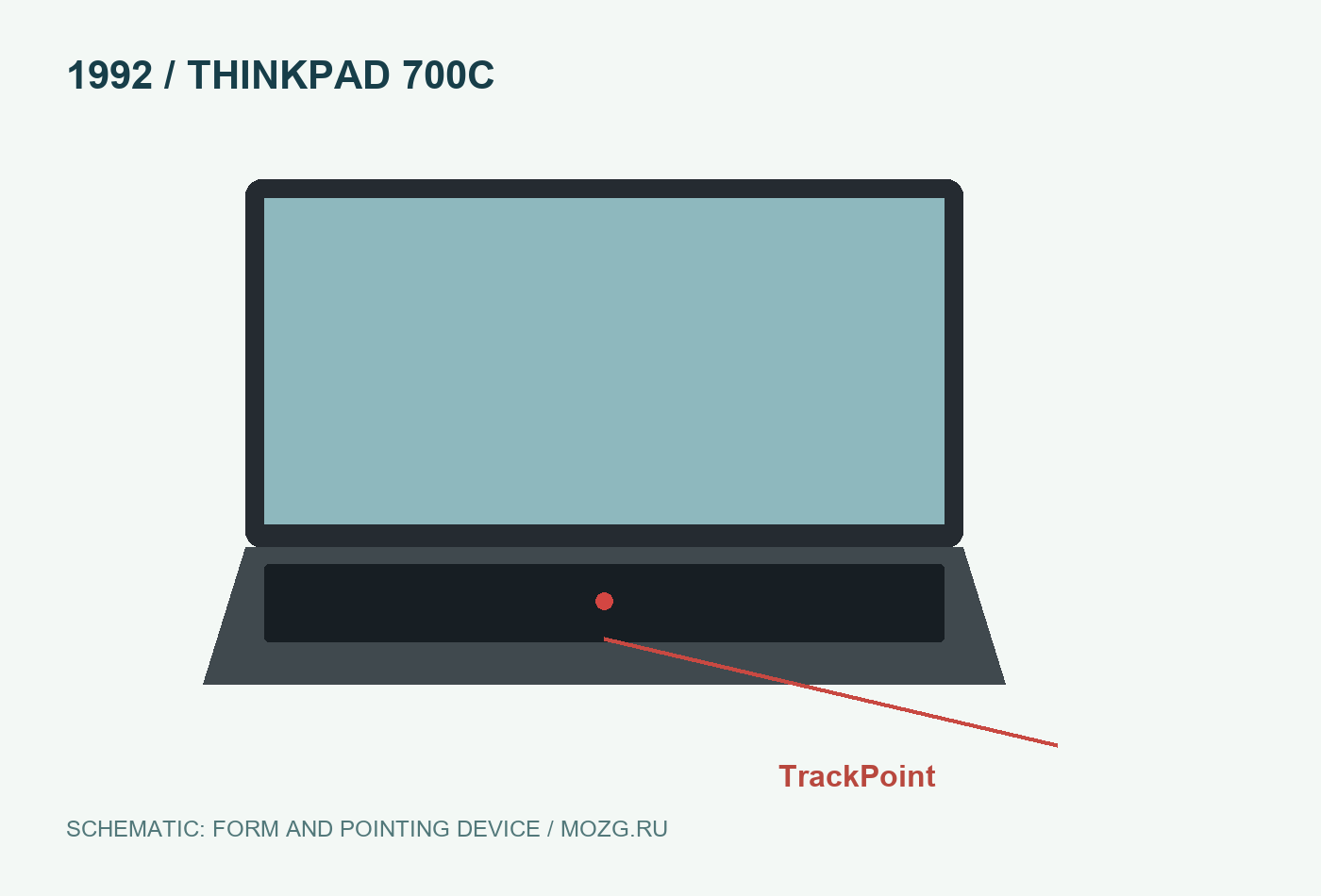
Black case, red TrackPoint
The familiar ThinkPad identity originated at IBM. The 700C combined a black case, a colour display and the red TrackPoint within the keyboard. The pointer keeps cursor control close to the typing position: a practical approach when a train table has little room for a mouse. The design identity later survived a change of owner.
Checked fact. IBM introduced ThinkPad in 1992; Lenovo acquired the business in 2005.
Diagram of the form and TrackPoint, not an exact 700C drawing.
Sources 1
Diagram: Mozg.ru editorial team · Mozg.ru · CC BY 4.0
3. 1995. The butterfly keyboard
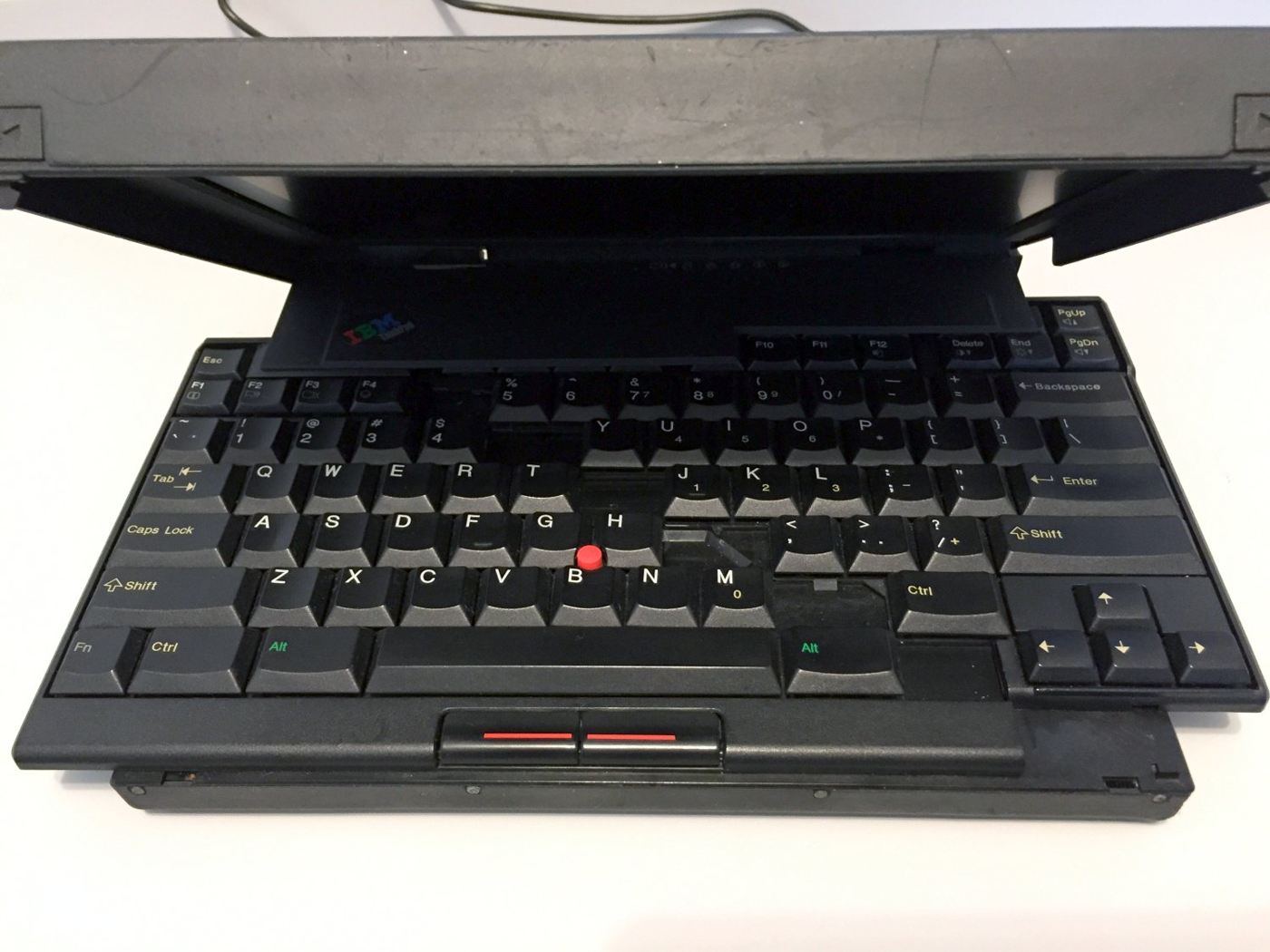
IBM ThinkPad 701C
The 701C tackled a physical puzzle: a useful keyboard was wider than the compact case. Two moving sections expanded as the lid opened, then folded back inside. The photograph catches the mechanism partway through. It is an unusually visible example of the compromises that early portable computers had to solve.
Checked fact. The Computer History Museum dates the expanding-keyboard ThinkPad 701 to 1995.
ThinkPad 701C keyboard partway through folding.
Sources 1
Photo: Raymangold22 · File:IBM ThinkPad 701C keyboard.jpg · CC0

4. 2005–2006. ThinkPad moves to Lenovo
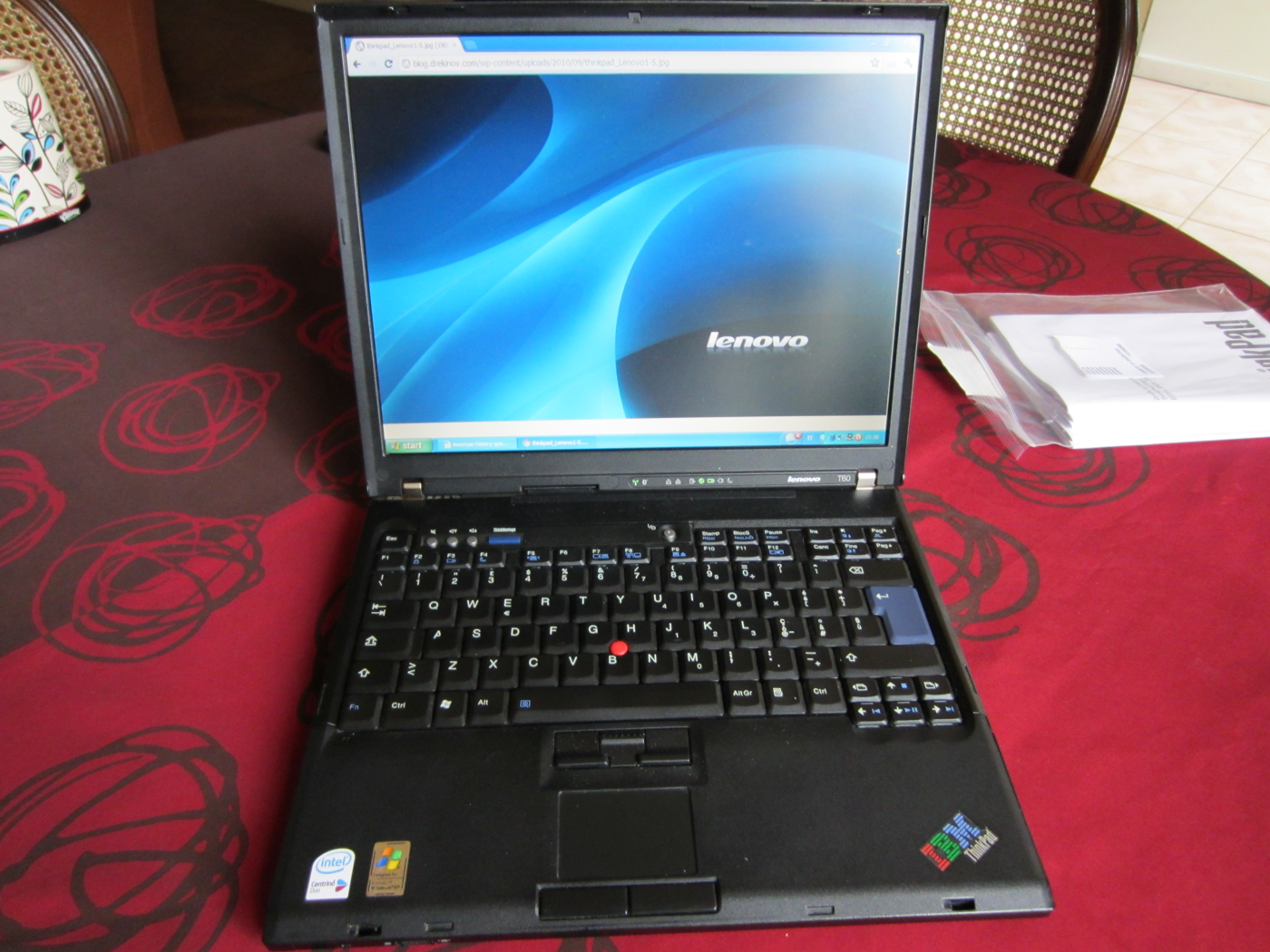
The PC business, not all of IBM
In 2005 Lenovo acquired IBM’s personal-computer business, including ThinkPad. The T60 pictured here represents the following year, rather than the day of the deal. Its keyboard and red pointer make the continuity easy to see. An IBM badge on a transitional machine is not evidence that Lenovo bought the whole IBM corporation.
Checked fact. Lenovo announced a widescreen T60 in November 2006; the photo shows a member of the T60 family.
ThinkPad T60: a post-acquisition generation, not a photograph of the 2005 deal.
Sources 1 · Sources 2
Photo: Enrico Guazzini · File:IBM Lenovo ThinkPad T60.jpg · CC BY-SA 3.0

5. 2008. IdeaPad reaches beyond the office
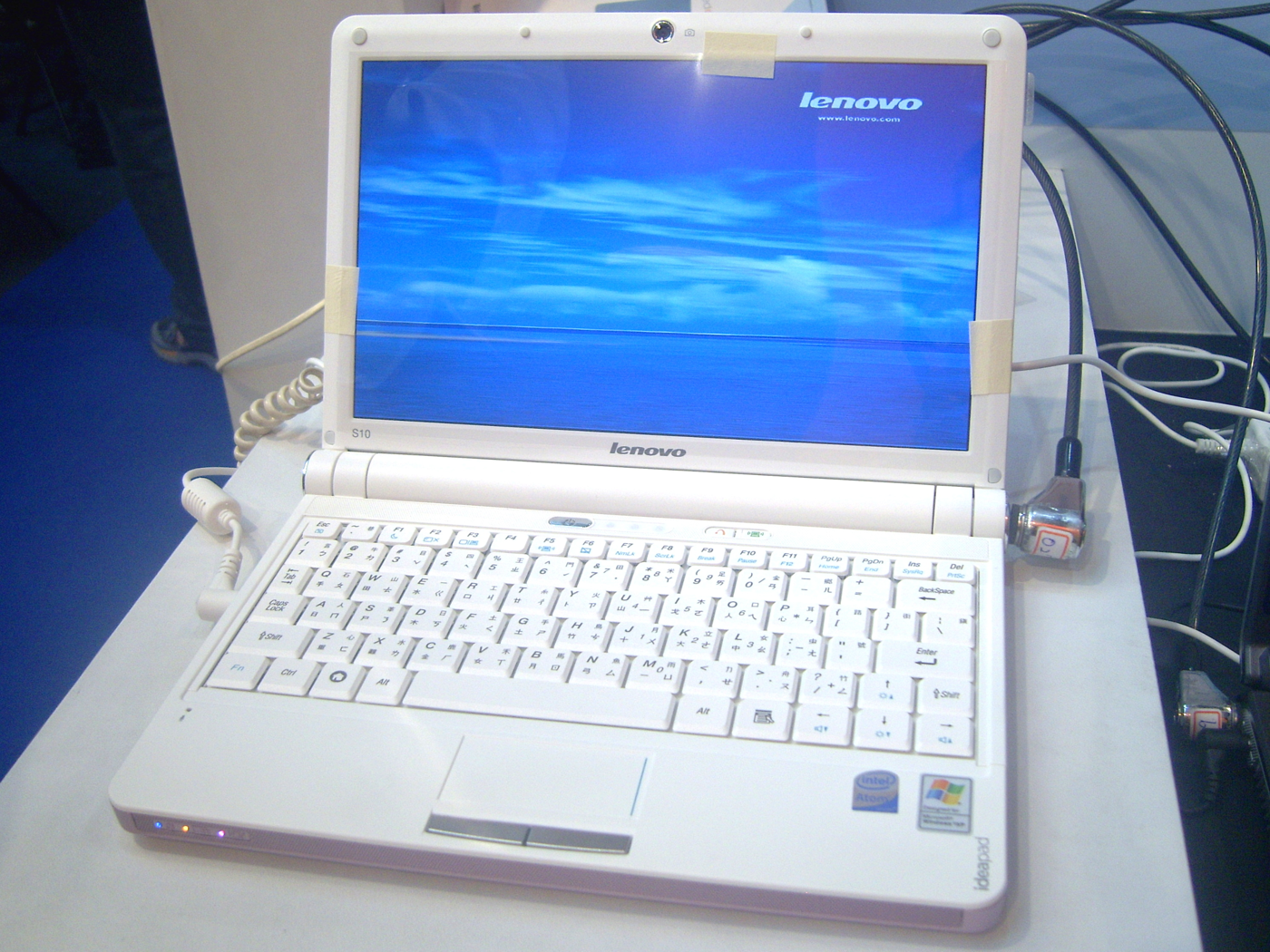
From multimedia notebooks to netbooks
Lenovo’s laptops were no longer just ThinkPads. The IdeaPad launch in January 2008 introduced the Y510, Y710 and U110 for consumers. Later that year the small S10 pictured here joined them. Its netbook format offered a different kind of mobility: a compact machine for basic tasks rather than a portable replacement for every desktop function.
Checked fact. The S10 was announced on 4 August 2008, not among the three January launch models.
IdeaPad S10 at Taipei IT Month 2008.
Sources 1 · Sources 2
Photo: Rico Shen · File:2008 Taipei IT Month Day2 Lenovo Ideapad S10.jpg · CC BY-SA 4.0

6. 2008. ThinkPad X300: a lighter business machine
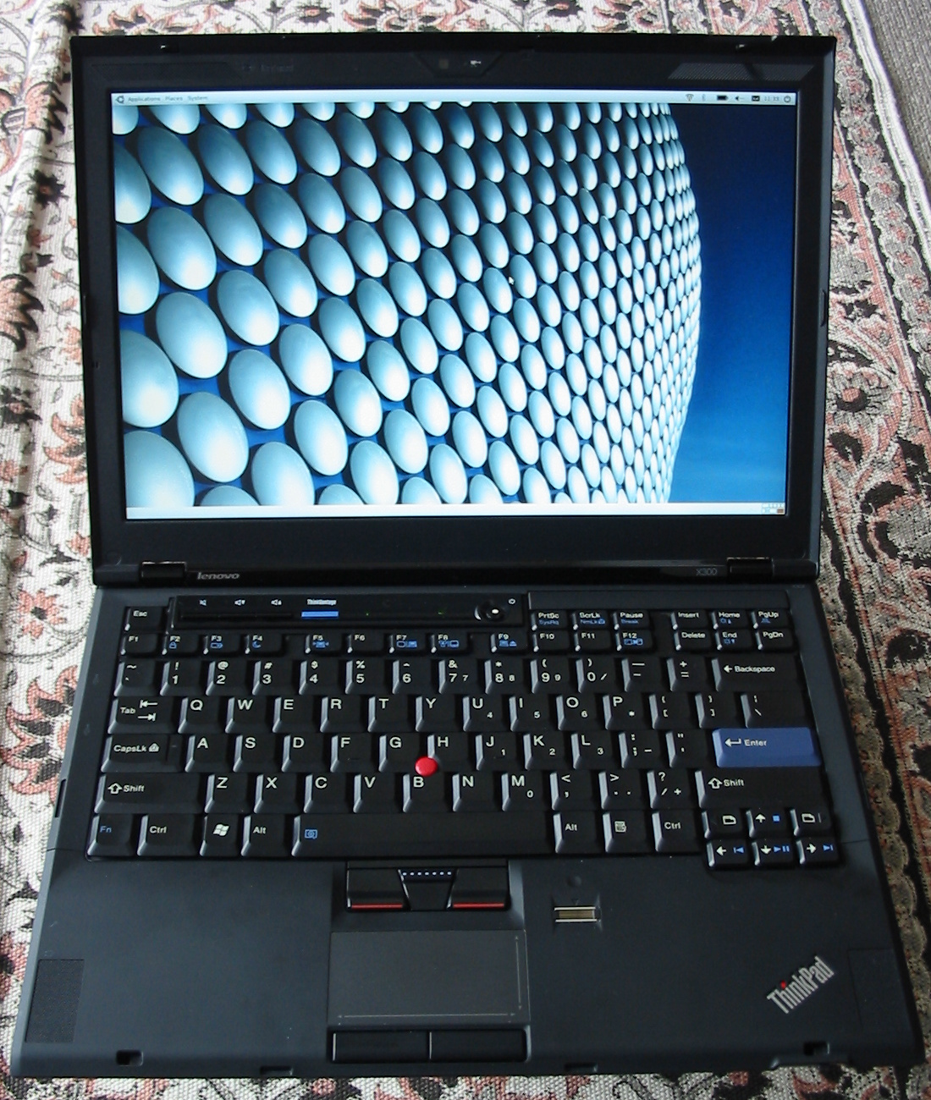
SSD storage in a slim work machine
While IdeaPad explored consumer computing, the X300 pursued a slimmer travelling work machine. It combined SSD storage and an LED-backlit display with the familiar ThinkPad appearance. This chapter of laptop design is less about a spectacular hinge than about making an ordinary working day easier to carry.
Checked fact. The X300 announcement is dated 26 February 2008.
An actual ThinkPad X300.
Sources 1
Photo: Sean Neakums · File:X300.jpg · CC BY-SA 2.0

7. 2012. X1 Carbon enters the ultrabook era
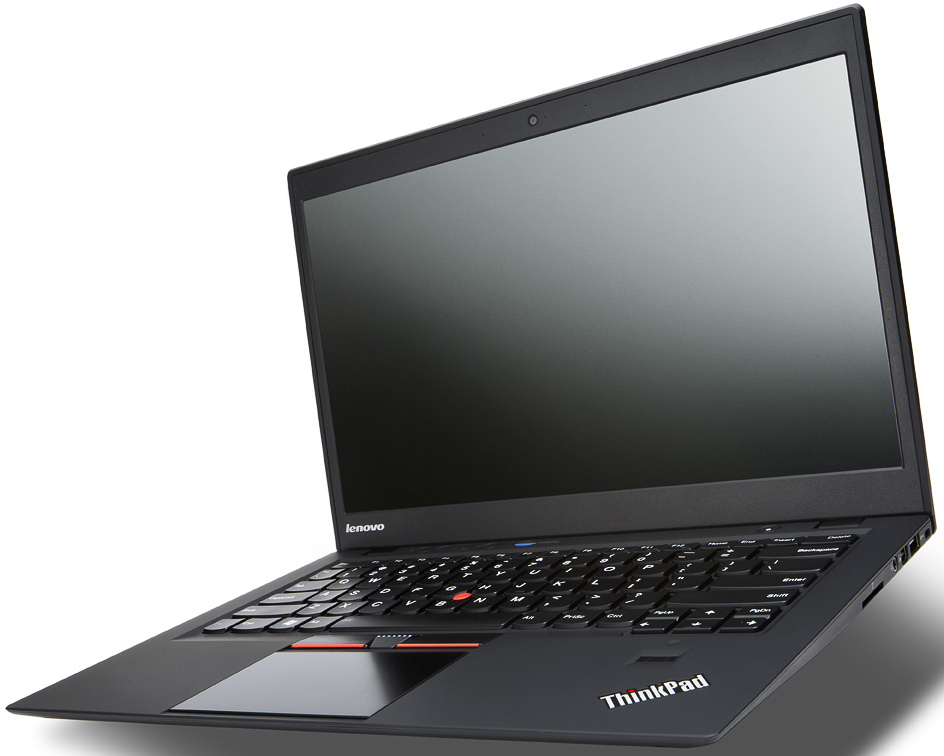
The first Carbon, not the entire X1 family
The Carbon name marked another route towards a lighter business laptop. The photograph shows familiar ThinkPad cues within much slimmer proportions. Its red pointer outlived the thick cases of earlier decades. Generation names matter: the first X1 Carbon dates to 2012, and later machines carrying that name are not the same model.
Checked fact. Lenovo dates the first-generation X1 Carbon announcement to August 2012.
A 2012 Intel Free Press photograph of the Lenovo ThinkPad X1 Ultrabook.
Sources 1 · Sources 2
Photo: Intel Free Press · File:Lenovo ThinkPad X1 Ultrabook.jpg · CC BY-SA 2.0

8. 2012. Yoga turns the lid all the way around
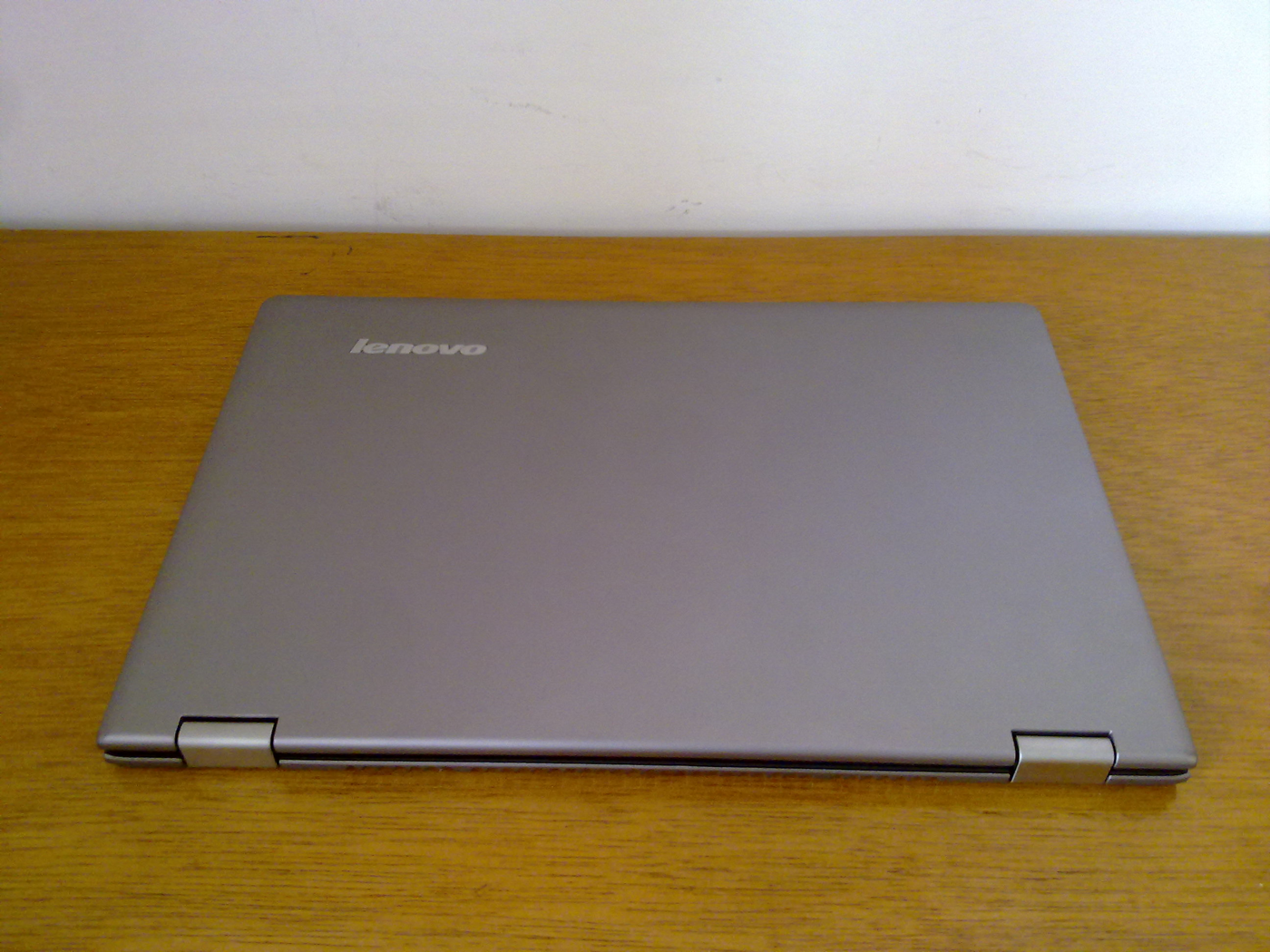
IdeaPad Yoga 13
Yoga changed how a computer could be positioned. A 360-degree hinge let the screen fold behind the keyboard for touch use or viewing. Unlike a detachable design, the two halves remained connected. The photographed Yoga 13 shows the original hinge arrangement: keyboard and touch screen offered different ways to use one machine.
Checked fact. Lenovo’s 9 October 2012 announcement describes the Yoga 13’s 360-degree hinge.
IdeaPad Yoga 13 viewed from its lid and hinges.
Sources 1
Photo: Great Brightstar · File:Lenovo IdeaPad Yoga 13 (2).jpg · CC BY-SA 3.0

9. 2017. Legion becomes a gaming branch
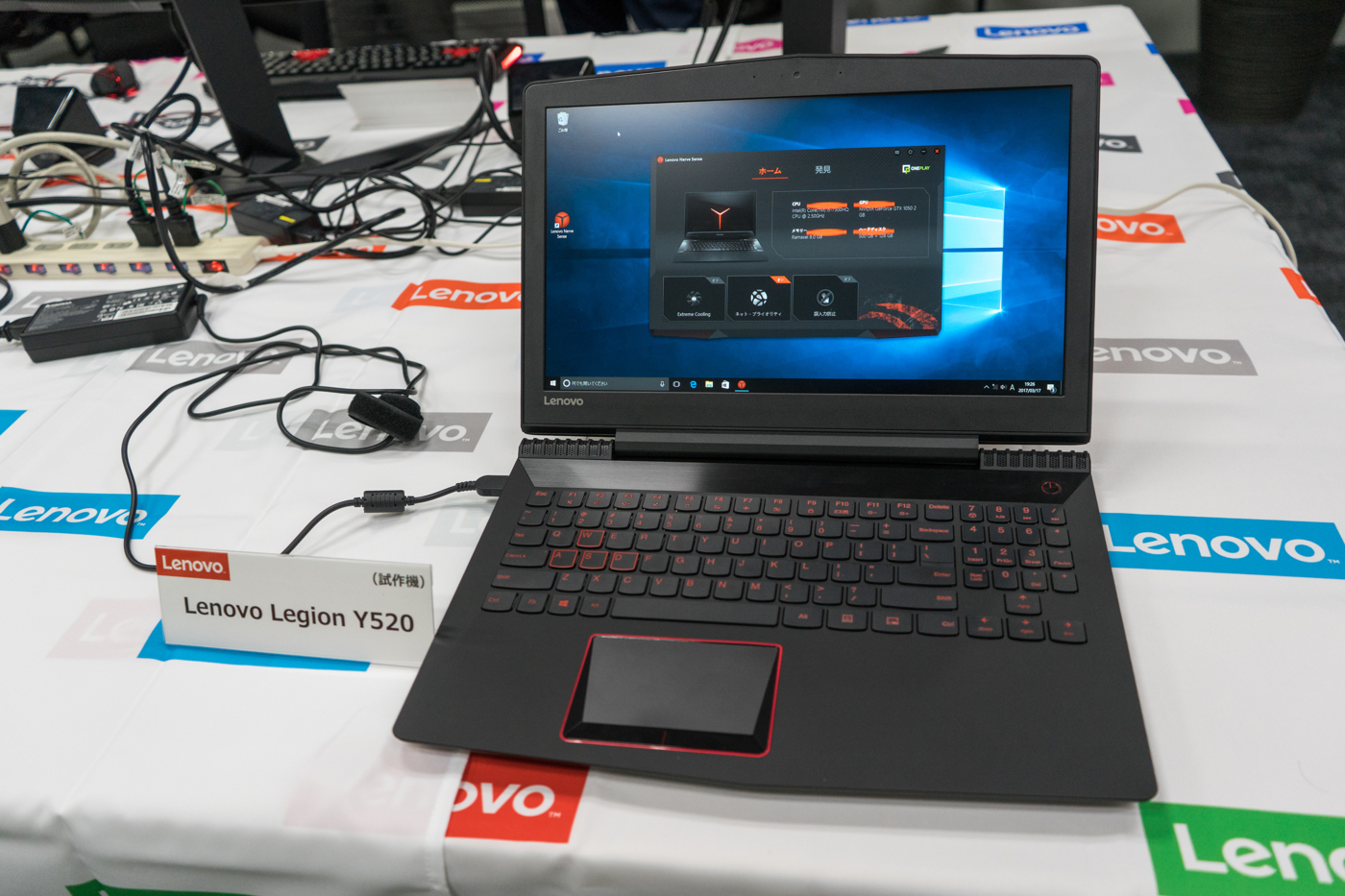
The first Legion Y520 and Y720
One Lenovo design could no longer cover every use. ThinkPad, IdeaPad and Yoga served different needs; Legion made gaming a distinct branch. The pictured Y520’s red accents give it a different visual character. Gaming machines also invite a different balance between graphics, cooling, noise and power than a thin office notebook.
Checked fact. Lenovo introduced Legion and the Y520/Y720 laptops at CES 2017.
Legion Y520 photographed at a 2017 event.
Sources 1
Photo: [email protected] · File:Lenovo Legion Y520 (1).jpg · CC BY-SA 2.0

10. 2020–2025. The screen itself changes
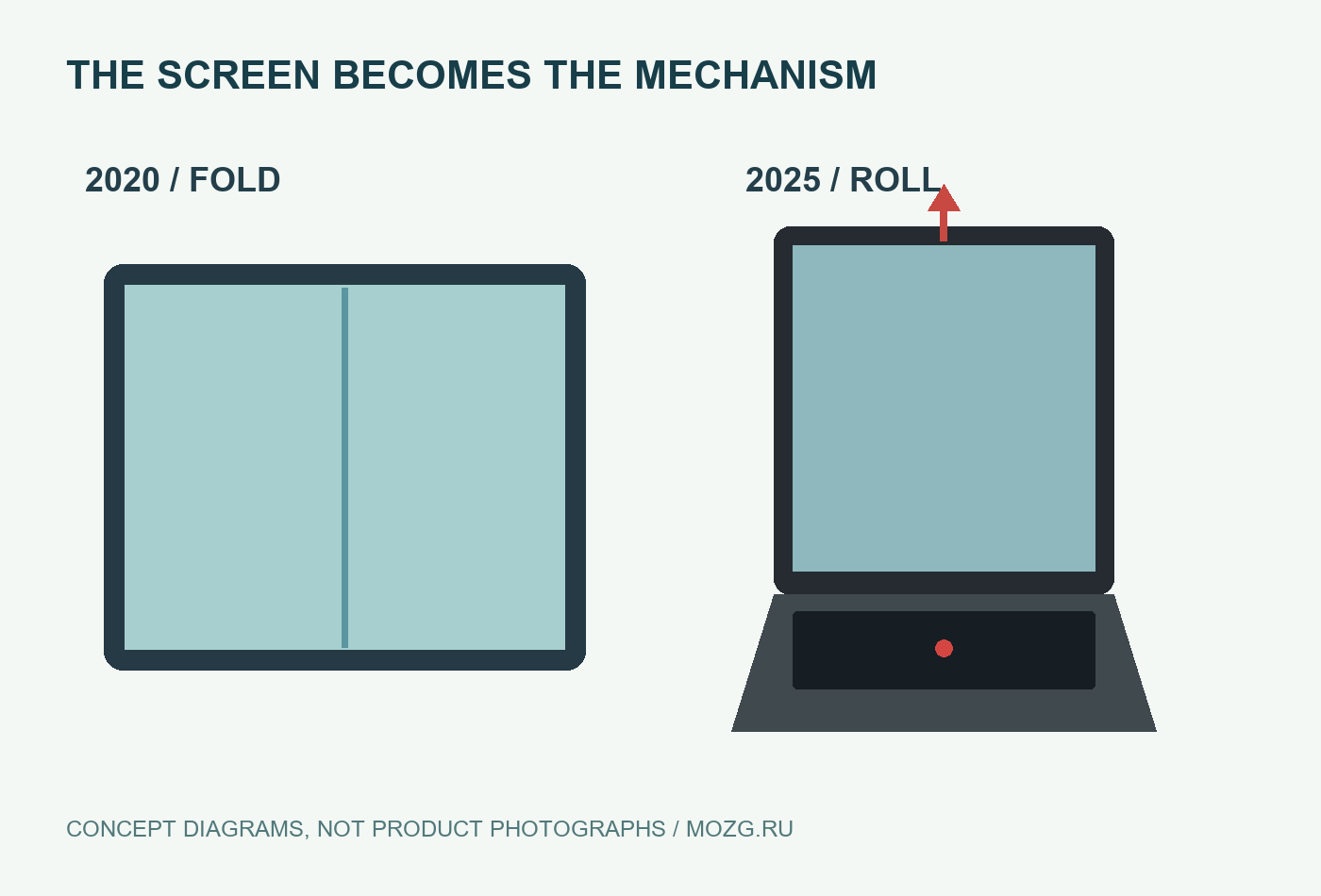
ThinkPad X1 Fold and ThinkBook Plus Gen 6 Rollable
The mechanism moved from the keyboard to the hinge and then to the display itself. The X1 Fold folds its screen, while the ThinkBook Plus Gen 6 Rollable extends it upwards. These are different approaches, not interchangeable names. They show how far the family has branched out; an inventive form does not automatically become everybody’s next standard laptop.
Checked fact. Orders for the original X1 Fold opened in September 2020; the Rollable appeared at CES 2025.
Editorial diagrams of folding and extending, not product photographs.
Sources 1 · Sources 2 · Sources 3
Diagram: Mozg.ru editorial team · Mozg.ru · CC BY 4.0
Why Lenovo laptops look so different
These machines share a history, not one universal shape. ThinkPad carried forward IBM’s business tradition, IdeaPad reached consumers, Yoga explored interaction and Legion focused on gaming. Lenovo’s laptop story is as much about branching paths as continuity.