
Nature doesn't have a prop department, so an animal's "unusual detail" almost always works: stripes, external gills, scales, a nose, a tail, or a long toe. We collected ten species from different places on the planet, drew each one and checked the facts using materials from zoos and research centers.
1. Okapi
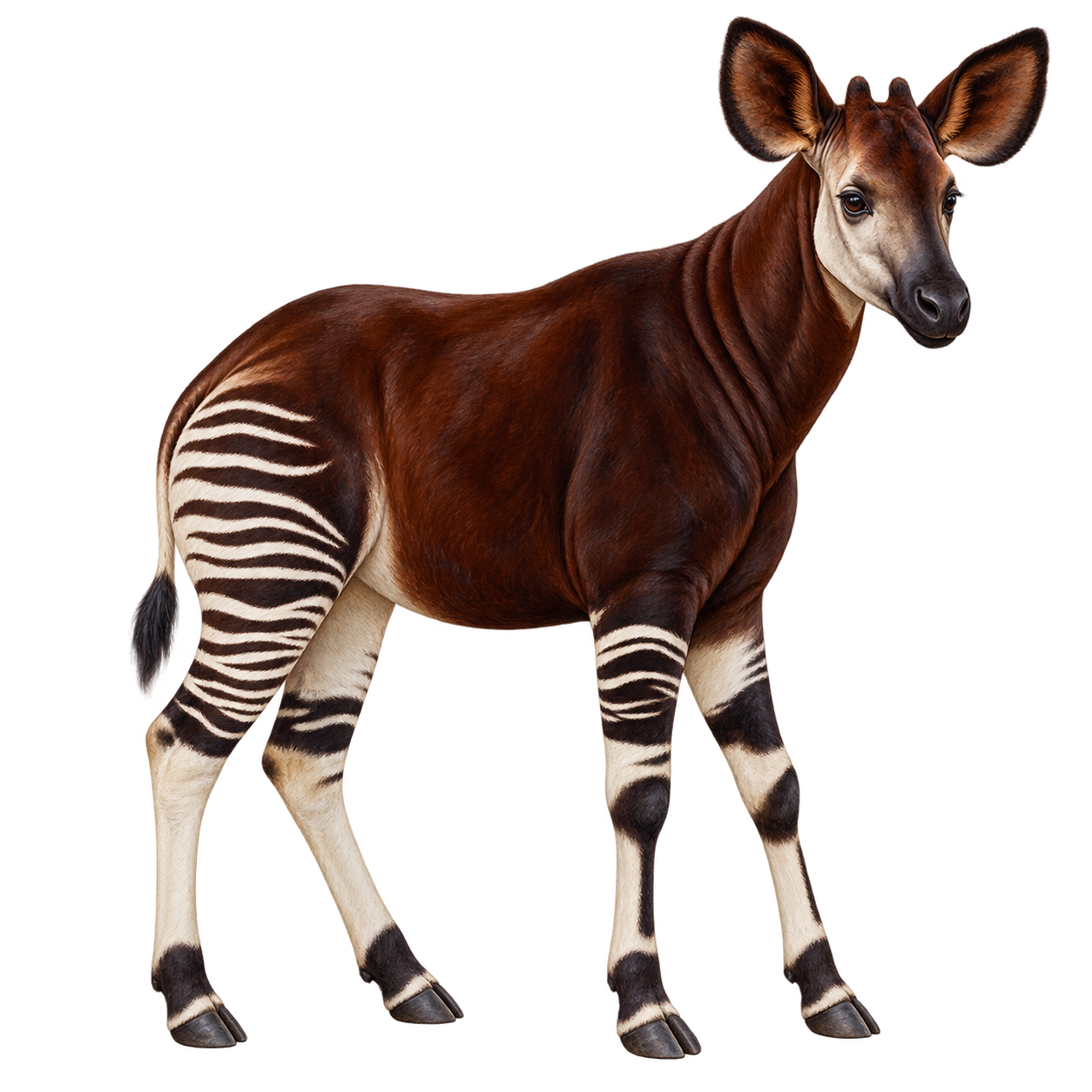
Okapia johnstoni · forests of DR Congo
Based on its legs, the okapi can be mistaken for a forest zebra. Mistake: Its closest modern relative is the giraffe, and the striped pattern helps hide in forest light and shade.
Okapi remained little known outside Central Africa for a long time. Its high head and long tongue indicate its relationship with giraffes better than its stripes indicate its relationship with a zebra.
Remember. The okapi is related to the giraffe, not the zebra.
2. Axolotl
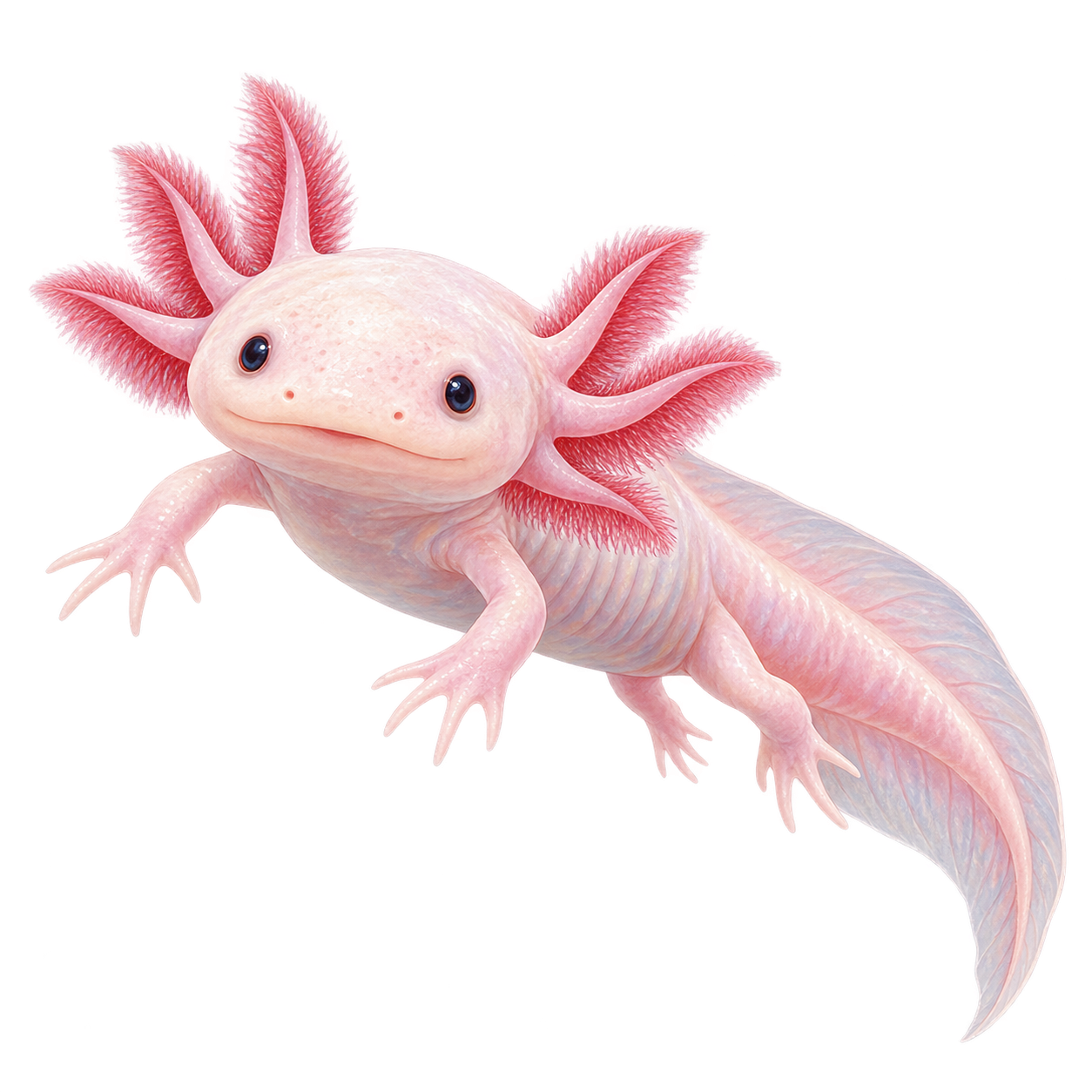
Ambystoma mexicanum Mexico
The axolotl looks like it forgot to grow up: the adult animal retains feathery external gills and an aquatic lifestyle. This phenomenon is called neoteny.
The pink form is especially familiar from photographs, but wild axolotls are usually darker. In nature, their situation is alarming due to changes in habitats.
Remember. The adult axolotl retains larval characteristics, including external gills.
3. Pangolin
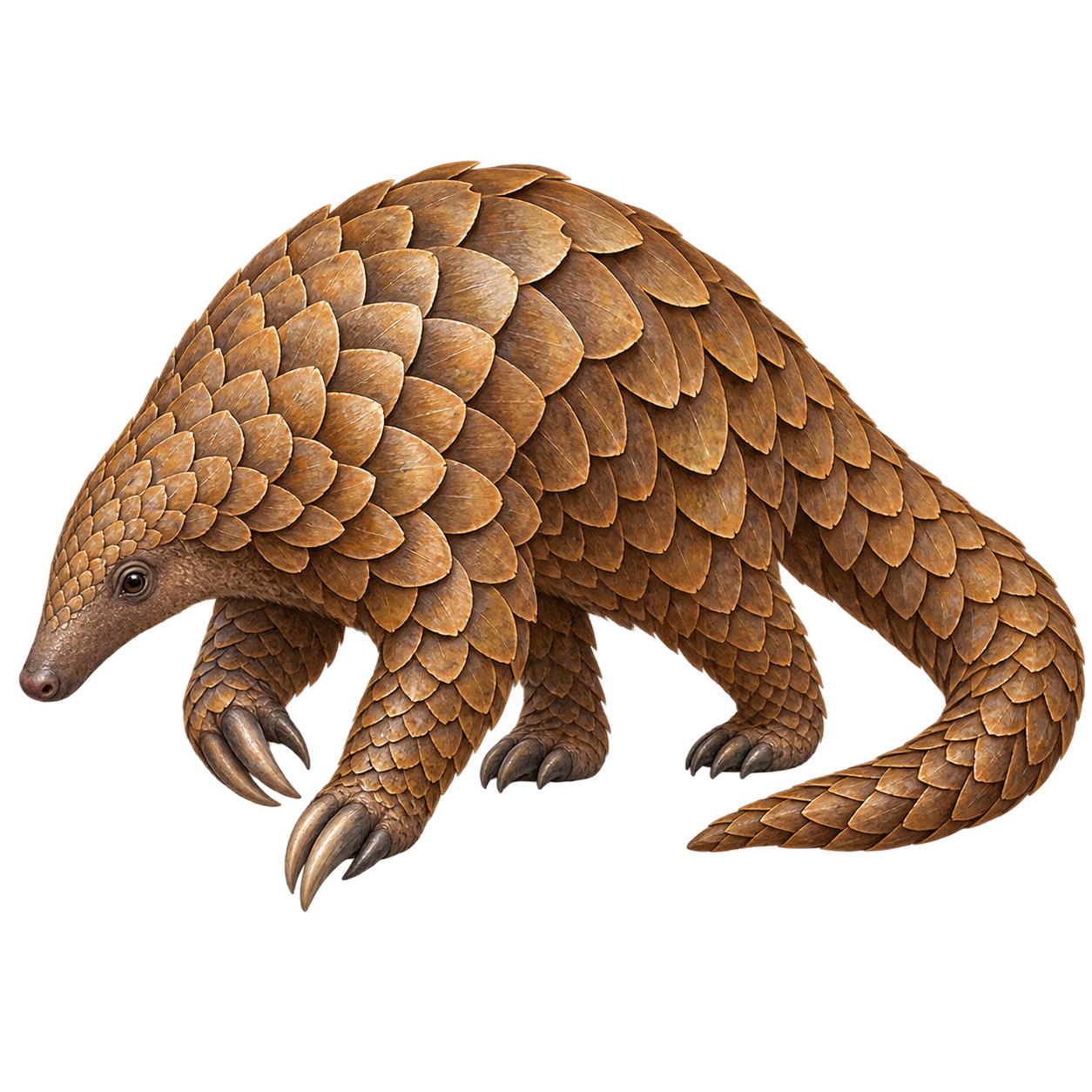
Manis and related genera Africa and Asia
The pangolin seemed to be wearing a flexible cloak of scales. The scales are made of keratin, the same protein that makes up our nails.
This is a mammal, not a lizard: it searches for ants and termites with its long tongue. When threatened, it can curl into a tight ball.
Remember. The pangolin is a mammal with keratin scales.
4. Fossa
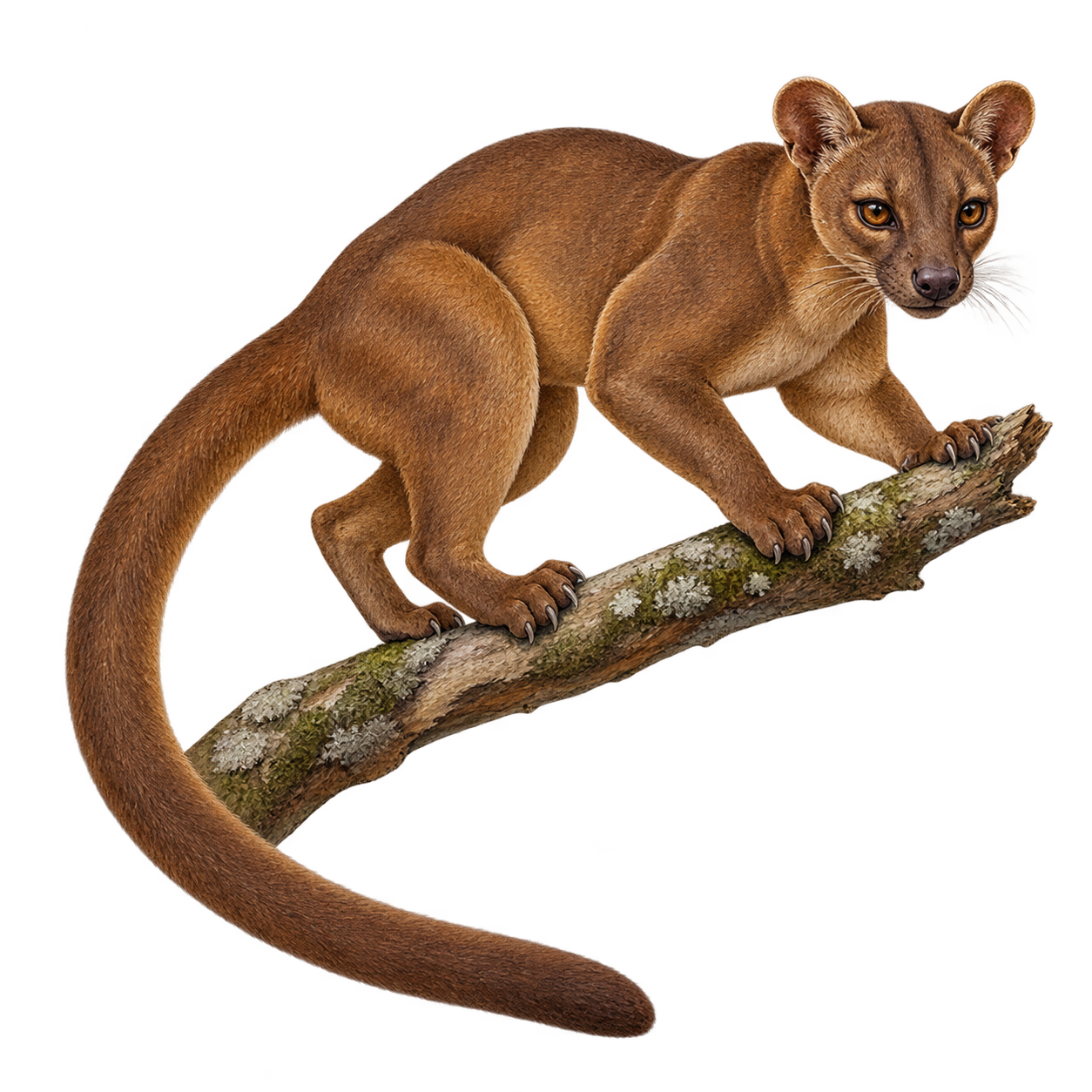
Cryptoprocta ferox Madagascar
Fossa looks like a cross between a cat and a marten, but nature did not assemble it from spare parts. It is a distinct Madagascan predator with a strong body and a long balancing tail.
It moves deftly in the trees, and among its prey there may be lemurs. The narrow island range makes forest conservation particularly important.
Remember. The Fossa is a predator from Madagascar, capable of deftly climbing trees.
5. Red Panda
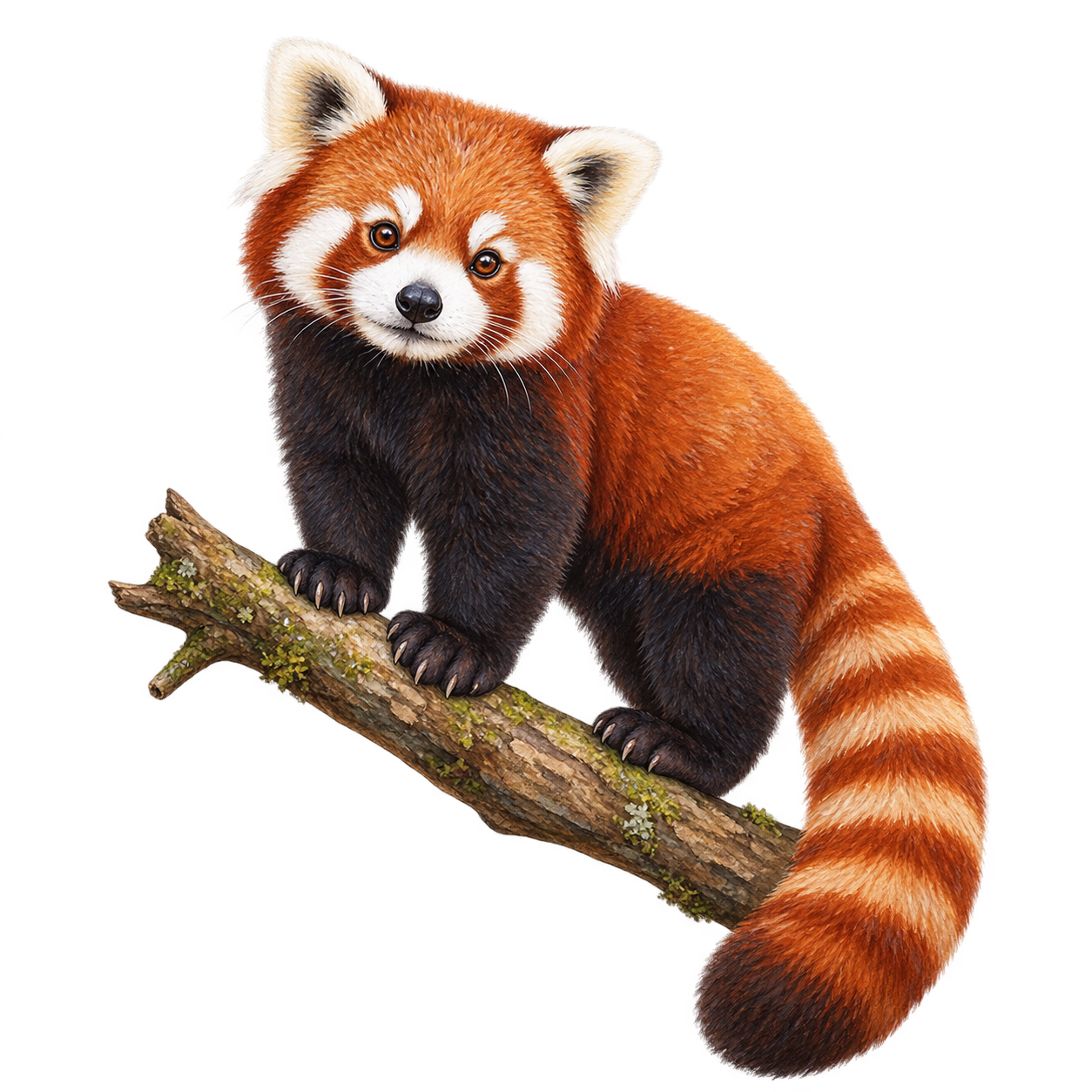
Ailurus fulgens · Asian montane forests
The red panda looks like it is made of cinnamon, white paint and a striped tail. On a tree, the tail helps to maintain balance, and in winter it can serve as a warm scarf.
Its diet includes a lot of bamboo, but this does not make it a small version of the giant panda. This is a representative of its own family.
Remember. The red panda belongs to a separate family, Ailuridae.
Source:About this species. Gift “Fire Tail” →
6. Binturong
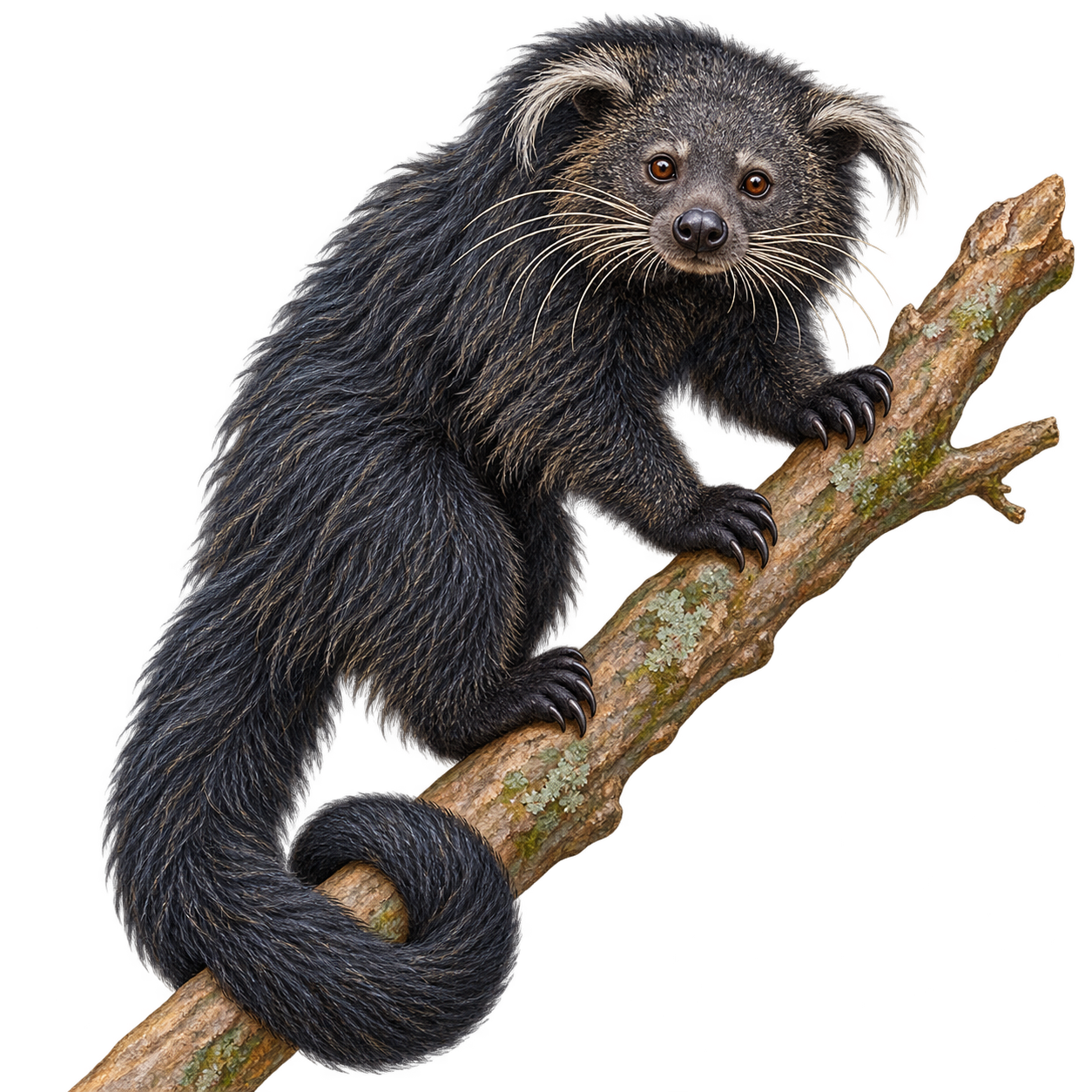
Arctictis binturong · forests of South and Southeast Asia
Binturong is called "bearcat", although it is not a close relative of either a bear or a cat. Shaggy fur and whiskers only add to the confusion.
The real trick is the tail: it is able to grab onto a branch, helping the animal move through the canopy. At the same time, the binturong prefers a leisurely forest route.
Remember. The prehensile tail helps the binturong to stay on the branches.
7. Aye-aye
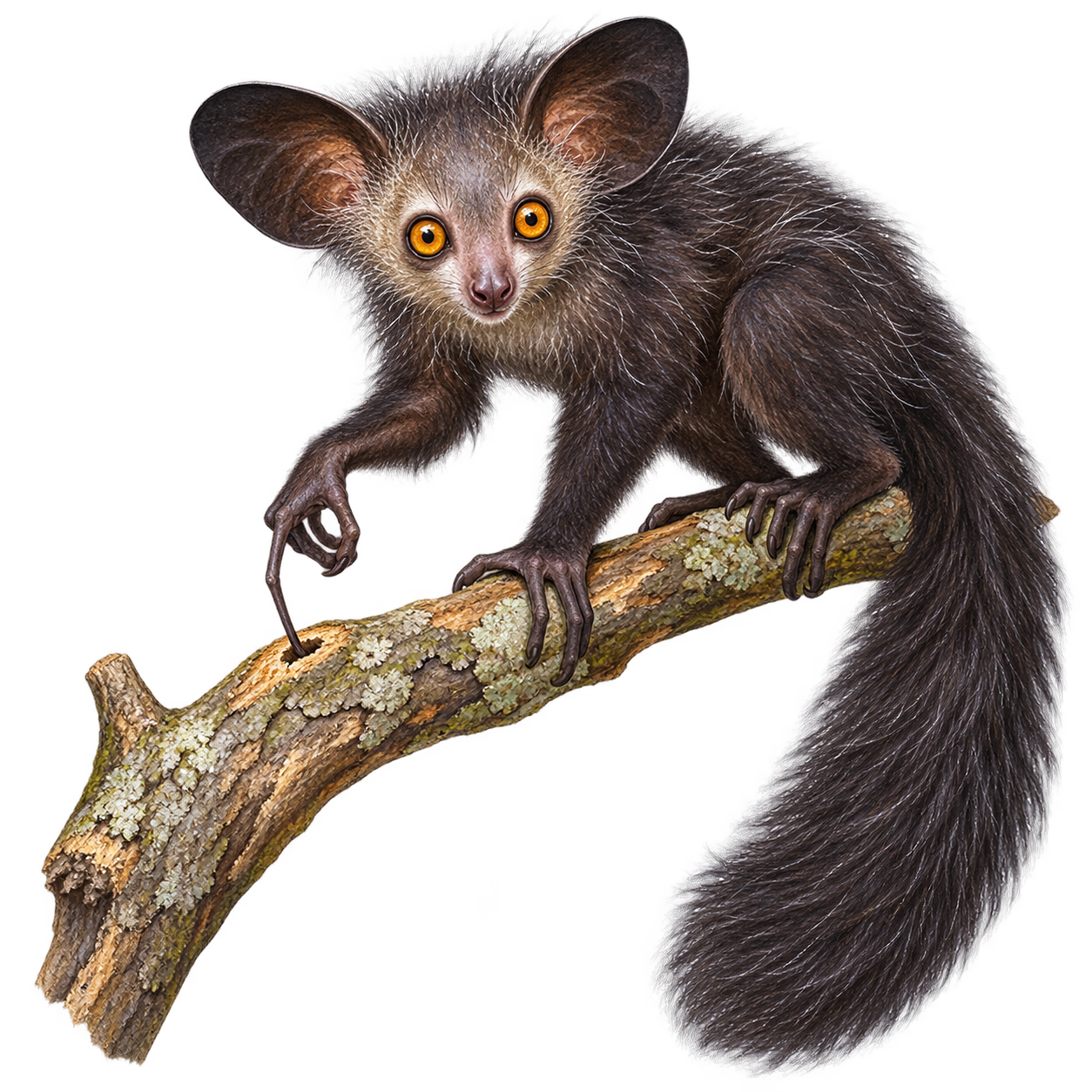
Daubentonia madagascariensis Madagascar
Aye-aye is looking for dinner as if checking a tree for knocks. Large ears catch the sound, and the unusually thin middle finger helps to remove the larva from the wood.
Before us is a lemur and a primate, not the hero of a scary fairy tale. His strange instrument grew along with the lifestyle of a nocturnal forager.
Remember. The aye-aye has an elongated middle finger that serves as a sensory and extractive tool.
8. Saiga
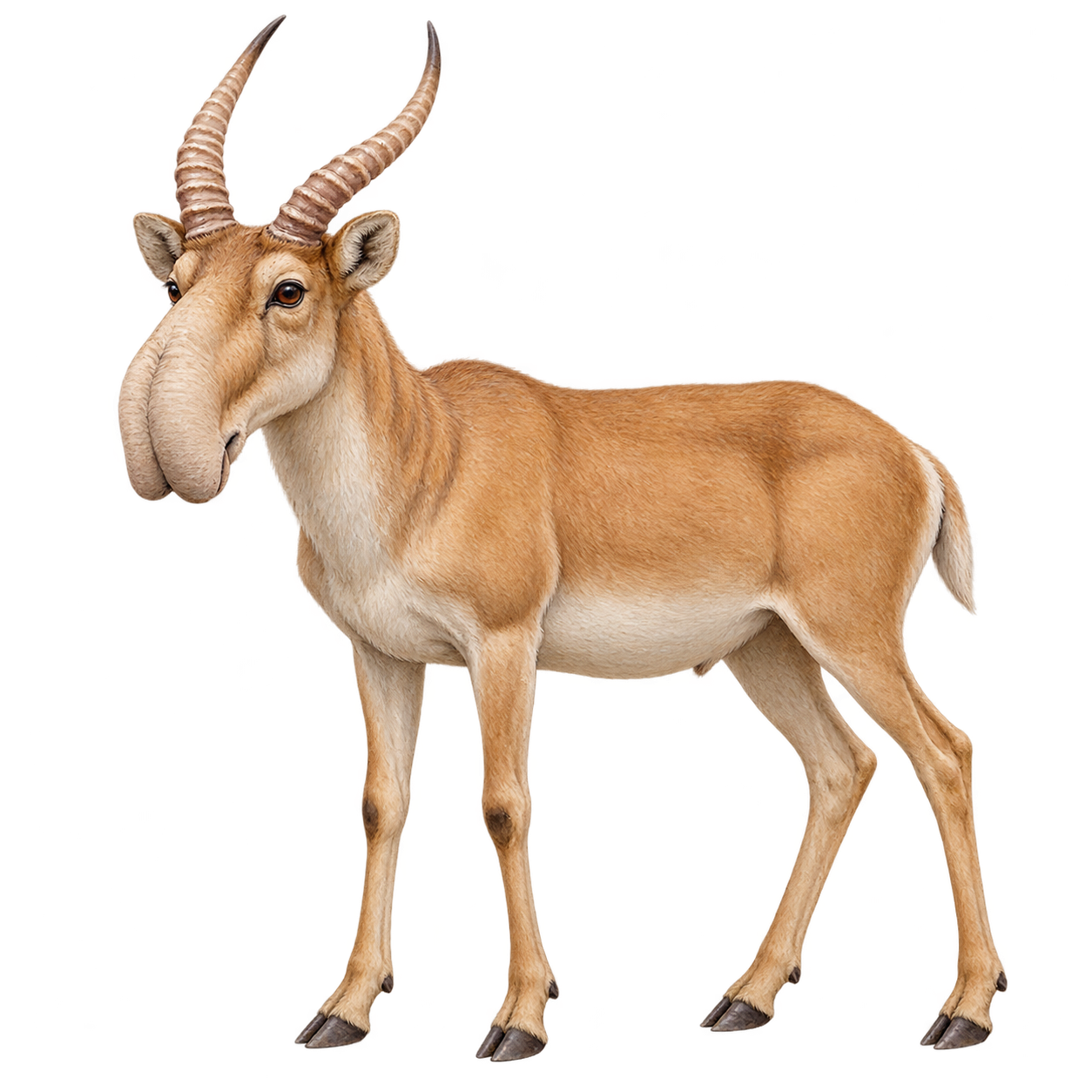
Saiga tatarica · Central Asian steppes
The saiga's nose is so expressive that it seems as if it is ahead of the rest of the portrait. But a large, mobile nasal cavity is useful in the dusty steppe.
It helps filter dust and warm cold air. An appearance that could easily be considered comical turns out to be a working adaptation.
Remember. A large nose helps the saiga to breathe in the dusty and cold steppe.
9. Golden poison frog
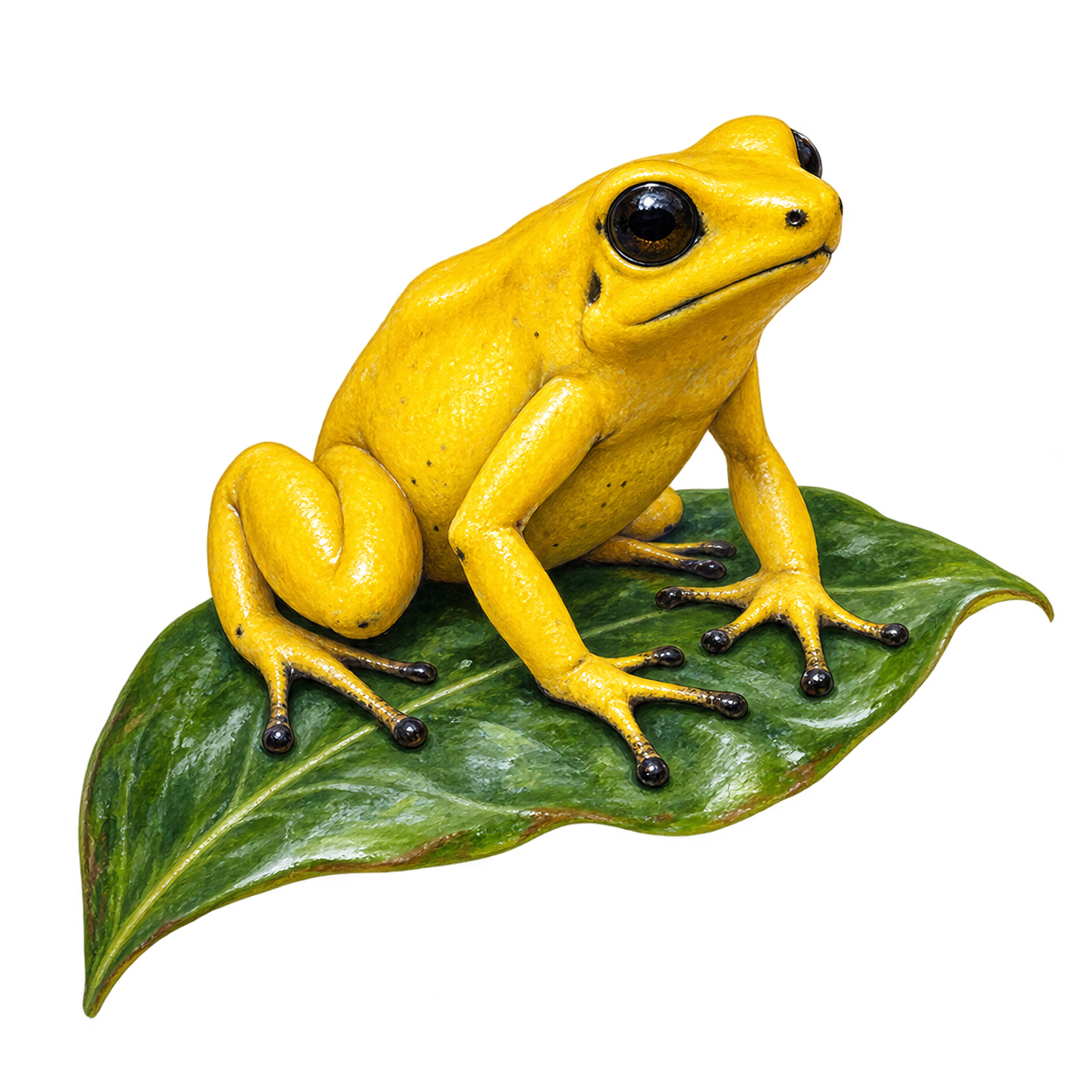
Phyllobates terribilis Colombia
The golden poison frog is small in size, but its color is like a road sign. The brightness alerts predators to toxicity.
The toxins are associated with the natural diet of small invertebrates. In a zoo with other foods, frogs may lose much of their toxicity; You can't check this with your hands.
Remember. Bright color warns of toxic skin; the animal is not touched.
10. Thorny devil
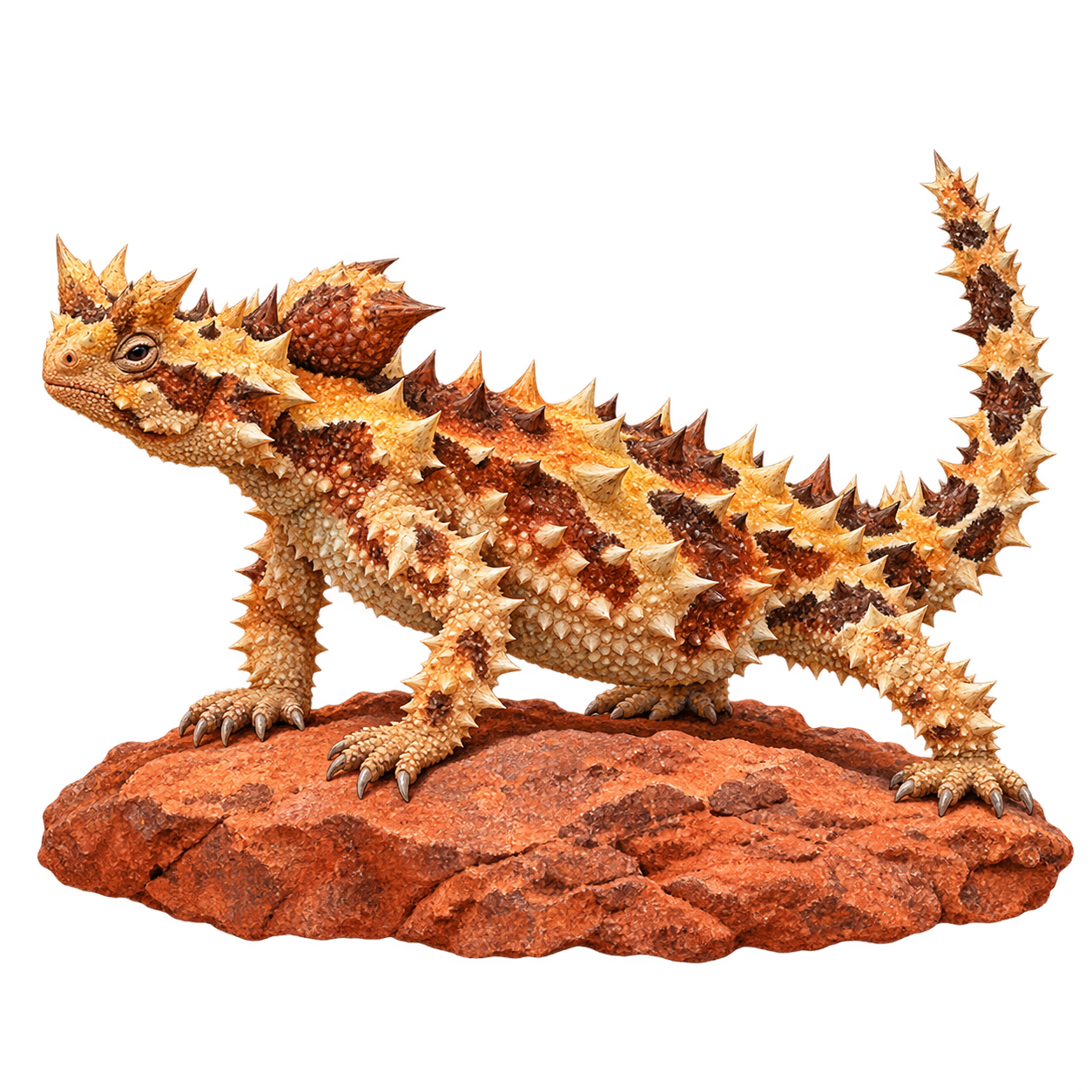
Moloch horridus Australian deserts
Thorny devil looks like a tiny fairytale dragon, but lives among the sand and eats ants. The spines help make it less of an easy prey item.
Its brown-orange pattern blends with the dry earth. Even an unusual name does not change the fact that this is a small real lizard.
Remember. The Thorny devil is an Australian spiny lizard that feeds on ants.
An unusual appearance does not make an animal a toy. Some species are in danger of losing their habitats, and even less so should you seek close acquaintance with poisonous amphibians. The gifts here are drawings, not living beings.