
If birds put together a portfolio, some would have a beak the size of an instrument, some would have their own stage, and some would have blue interior design. We selected ten real species, drew them for the gift collection, and verified stories from ornithological museums, zoos, and science education projects. The illustrations show characteristic features but do not replace a field guide.
1. Atlantic Puffin: Sea Courier
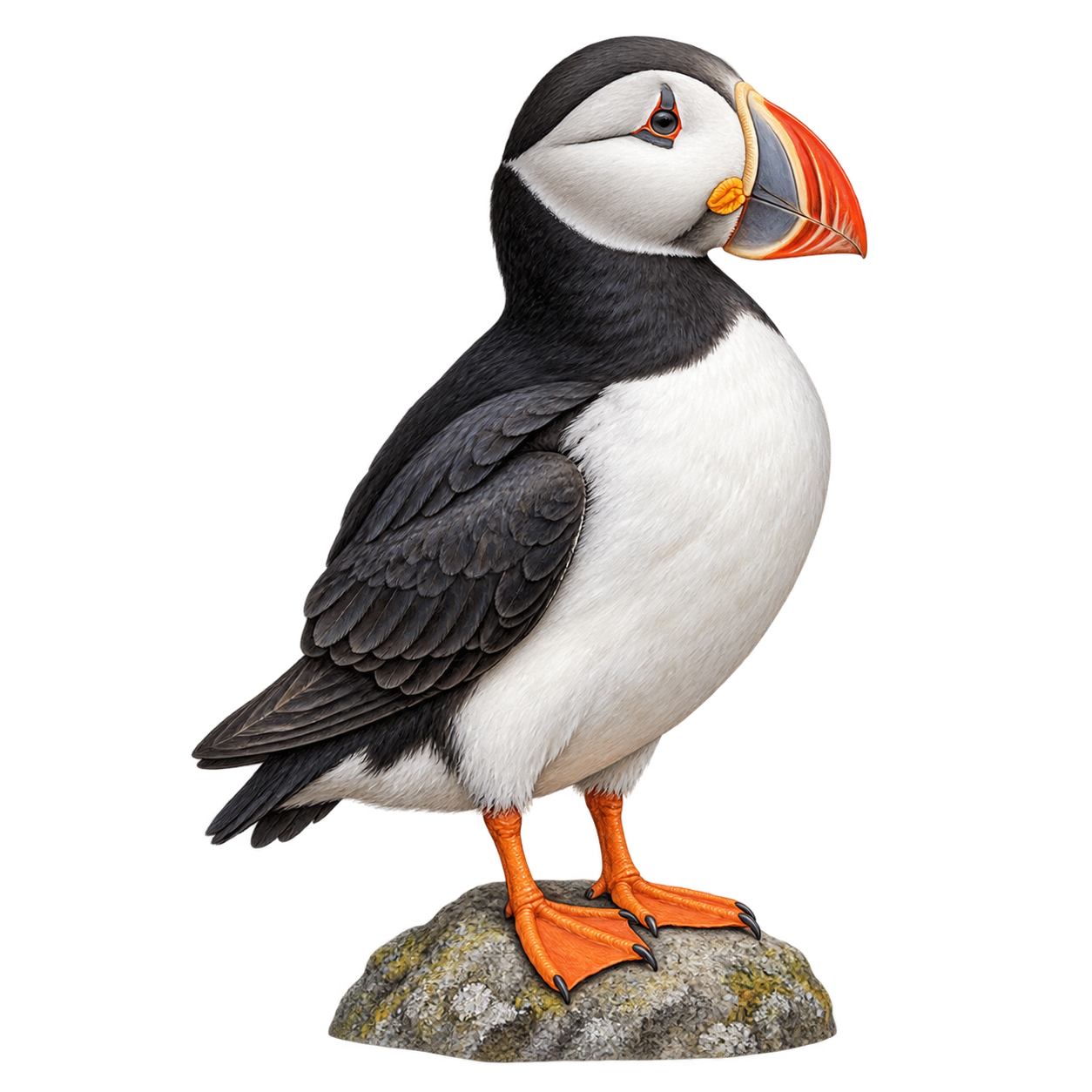
Fratercula arctica · North Atlantic.
On land, he looks like he's in a hurry to attend a very important meeting and has forgotten where he left his suitcase. At sea, everything changes: the puffin dives for small fish and returns to the chick with the catch in its beak. The bright summer color of the beak makes it look like an elegant road sign.
Unlike a penguin, this black-and-white seabird can fly. Puffins belong to the auks; their short wings help both in the air and under water. Outside the breeding season, the bright plates on the beak partially disappear, so that the winter portrait is more difficult to recognize.
Remember. The puffin is a flying seabird that dives for fish and is not a relative of the penguin.
2. Quetzal: a tail that overtakes its owner
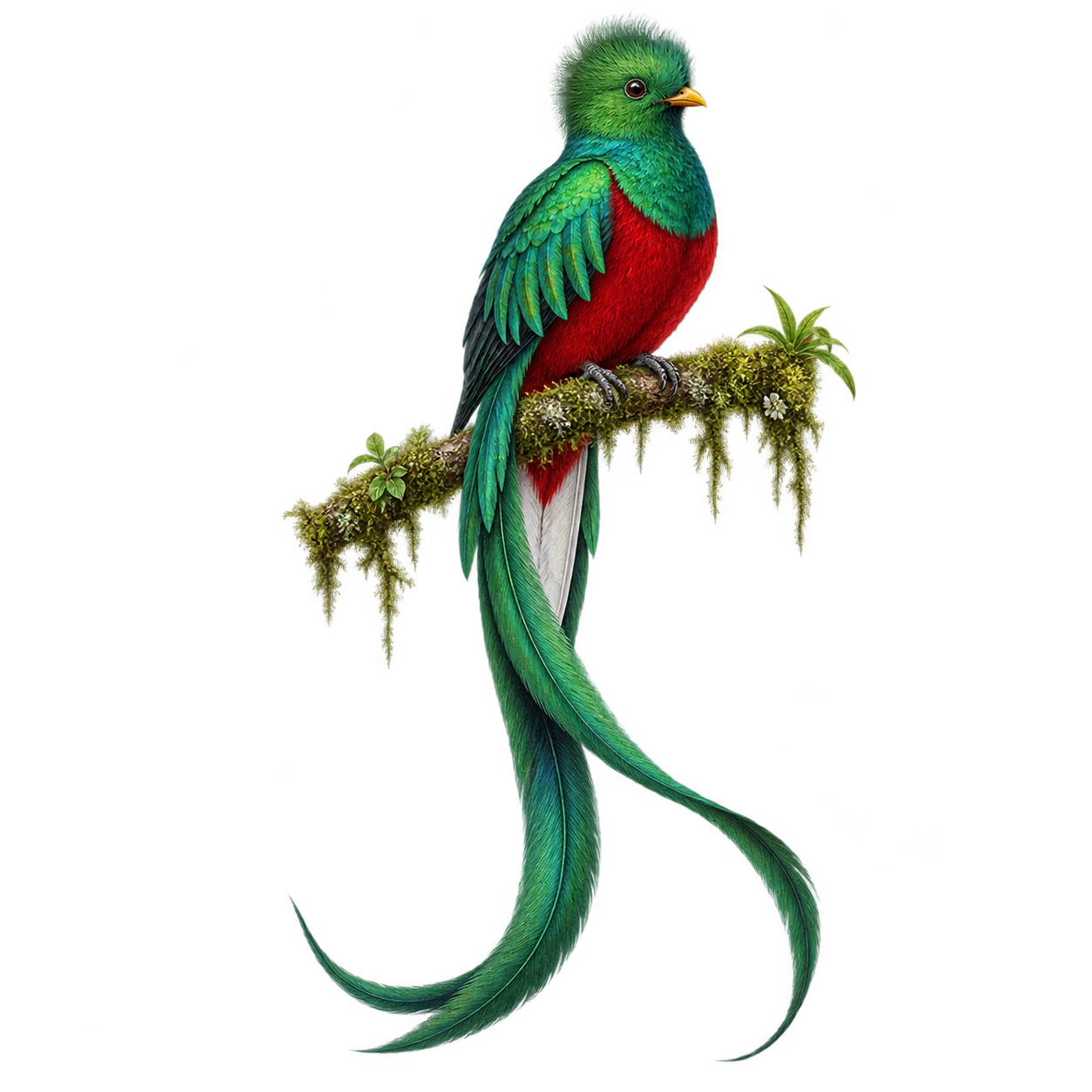
Pharomachrus mocinno · montane forests of Central America.
An emerald head appears, then a red chest, and then the green train continues for a long time. The male quetzal has particularly long upper tail coverts: they create the effect of a bird with a festive train behind its back.
Quetzals eat fruits and help disperse seeds in cloud forests. The beauty here is easy to notice, but the dependence on the forest is more difficult: if suitable trees and nesting sites disappear, a long tail will not save the bird.
Remember. The male's famous plume is formed by the elongated covert feathers above the tail, rather than the entire tail itself.
3. Shoebill: patience the size of a shoe
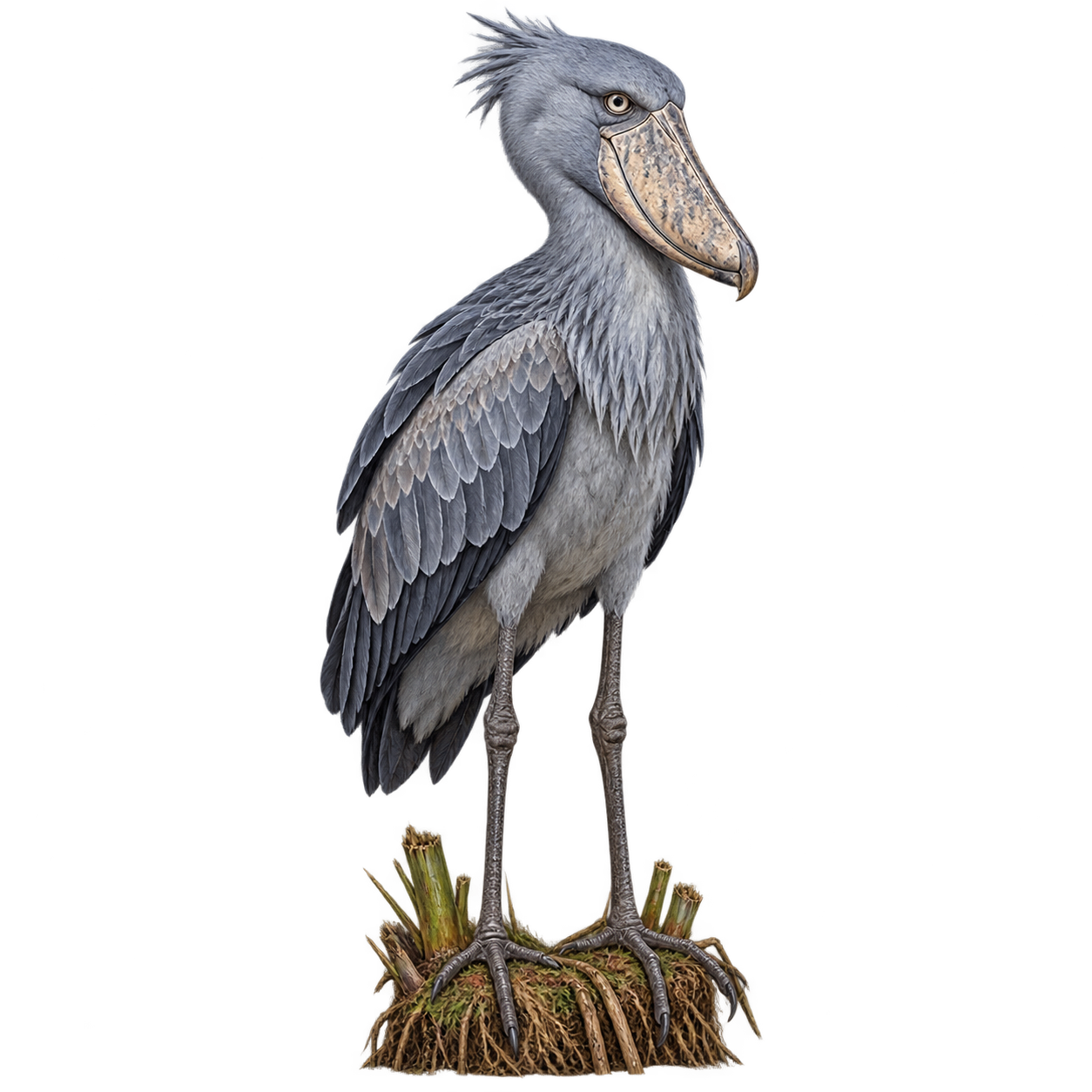
Balaeniceps rex · swamps of East Africa.
Shoebill can freeze among papyrus for so long that it seems like a prop from a documentary film. But suddenly this prop is thrown at the prey. The wide beak, similar to a wooden shoe, is not needed for a comical appearance: the bird uses it to grab fish and other aquatic prey.
Known targets of the shoebill include lungfish. In the swamps you have to wait for the right moment and act quickly. A real shoebill is not an “evil dinosaur from memes”, but a specialized swamp hunter.
Remember. Its name refers to its unusually wide beak; The main hunting technique is motionless waiting and a quick lunge.
Source:San Diego Zoo Wildlife Alliance. Gift “The Shoebill’s Gaze” →
4. Secretary bird: a predator with long legs
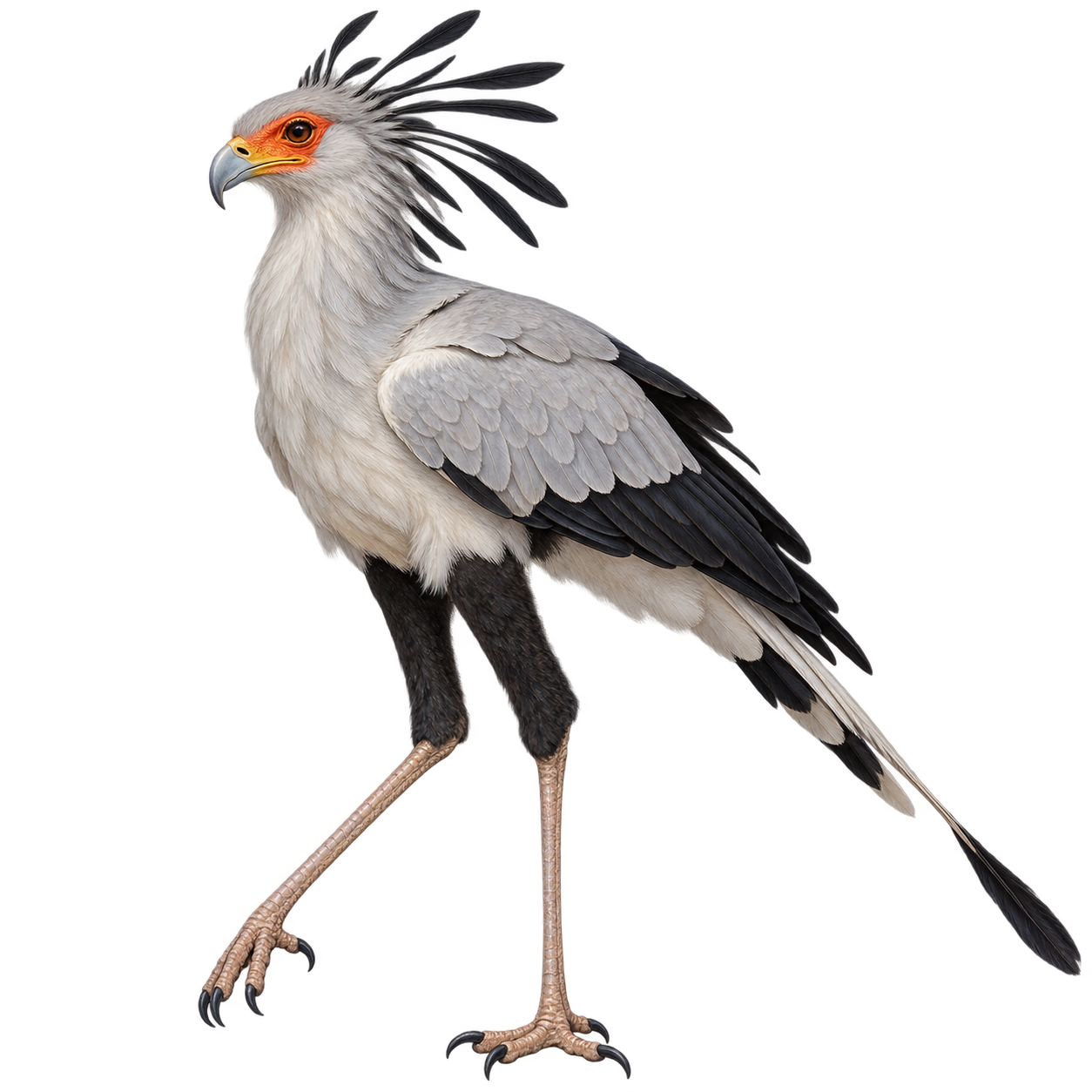
Sagittarius serpentarius · African savannas.
She has the look of an important official who has left her office and suddenly decided to walk the entire savannah. The secretary bird actually walks on the ground a lot. She searches for prey with her eyes, and can kill snakes and other small animals with strong kicks.
Despite the gait, this is a bird of prey, related to accipitridae, and not a crane with an unusual hairstyle. The black feathers on the back of the head resemble quill pens - one of the popular versions of the origin of the name.
Remember. The secretary bird is a terrestrial feathered predator; snakes are part of her menu, but do not constitute it entirely.
Source:San Diego Zoo Wildlife Alliance. Gift “Steppe Secretary” →
5. Superb Lyrebird: Orchestra on the Forest Floor
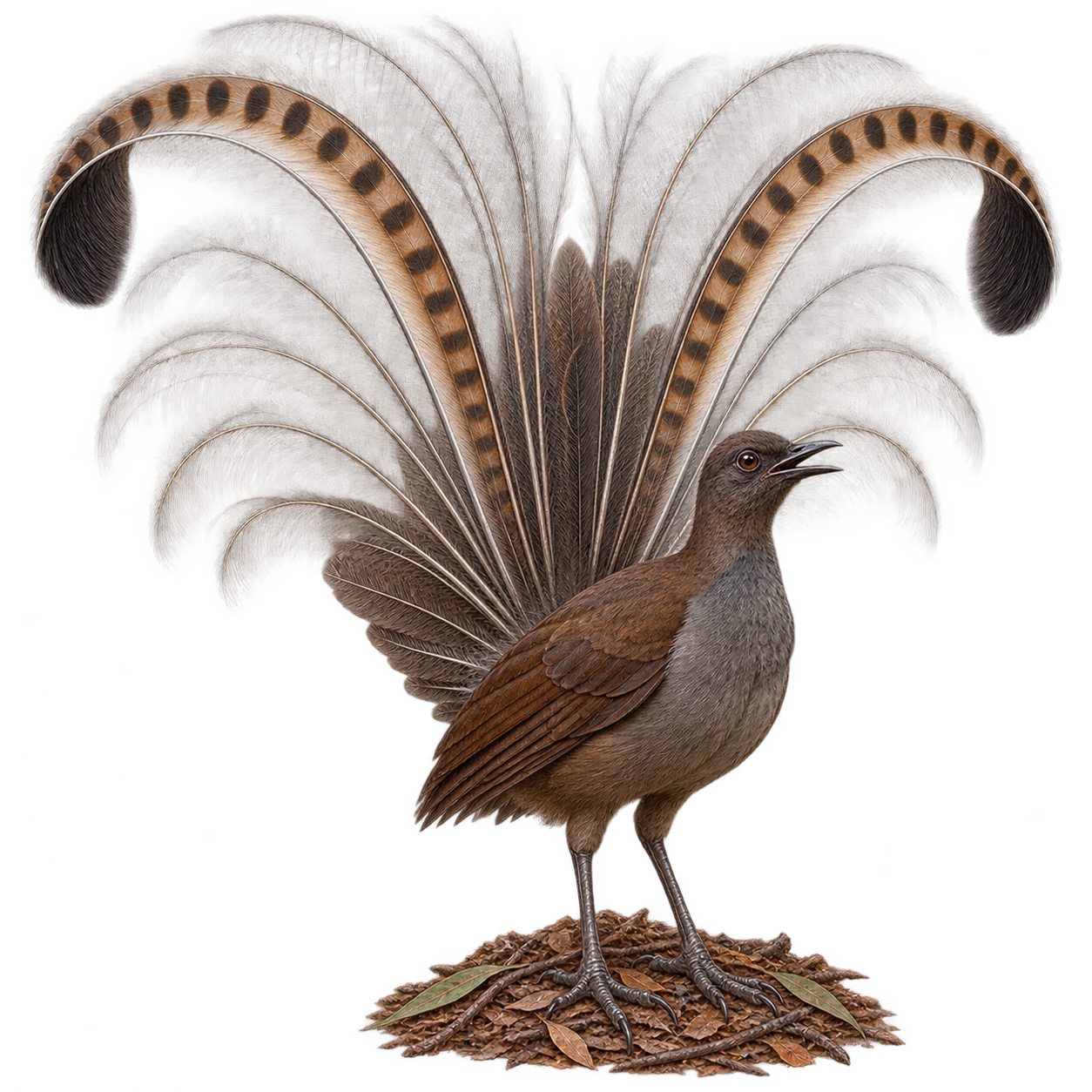
Menura novaehollandiae · eastern Australia.
The male raises his tail in an arch, like a curtain before a concert. Then the program includes their own songs and imitations of other people's voices. The lyrebird can reproduce the sounds of other birds, and sometimes even heard human noises - the forest receives unexpected acoustics.
Stories about “the lyrebird that always imitates a chainsaw” are popularly circulated without context. The ability for onomatopoeia has been reliably described for the species, but a given bird's repertoire depends on what it has heard around it.
Remember. The male's lyre-shaped tail serves as a mating display, and the complex song may include learned sounds.
6. Satin Bowerbird: Collector of Blue
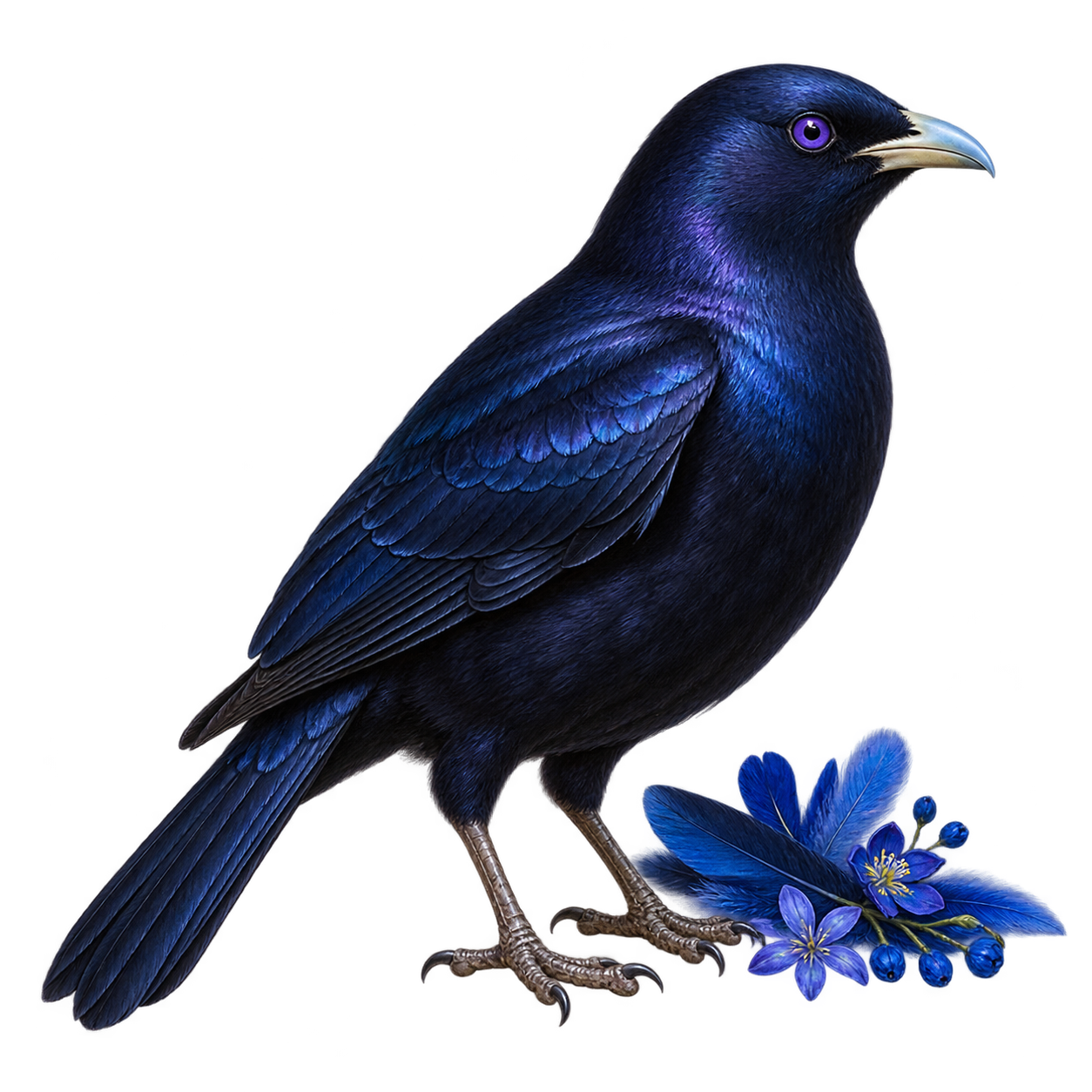
Ptilonorhynchus violaceus · eastern Australia.
The male builds a bower of twigs on the ground and places things in front of it, which he considers a convincing argument in favor of acquaintance. The love for blue is especially noticeable: flowers, feathers, and blue objects next to people are used.
The bower is not a nest for chicks. This is a courtship area that the male decorates and displays to the female. The eggs and chicks will end up in another nest built by the female. So the interior is impressive, but the children's room is separate.
Remember. The decorated bower serves as a courtship display; The satin bowerbird actually prefers blue decorations.
7. Sword-billed Hummingbird: The Key to the Deep Flower

Ensifera ensifera · Andes.
The bird is tiny, but the instrument it carries is impressive. The sword-billed hummingbird has a beak so long that it can exceed the length of the body without a tail. For deep tubular flowers, this is a great way to reach nectar and transfer pollen at the same time.
Convenience is not free: hummingbirds with such a beak even preen their feathers differently than their short-beaked relatives. Evolution gave it special access to flowers, but not a universal Swiss army knife for everything.
Remember. The long, straight beak is associated with feeding on deep flowers; the bird participates in their pollination.
8. Superb Bird-of-paradise: Feather Smile
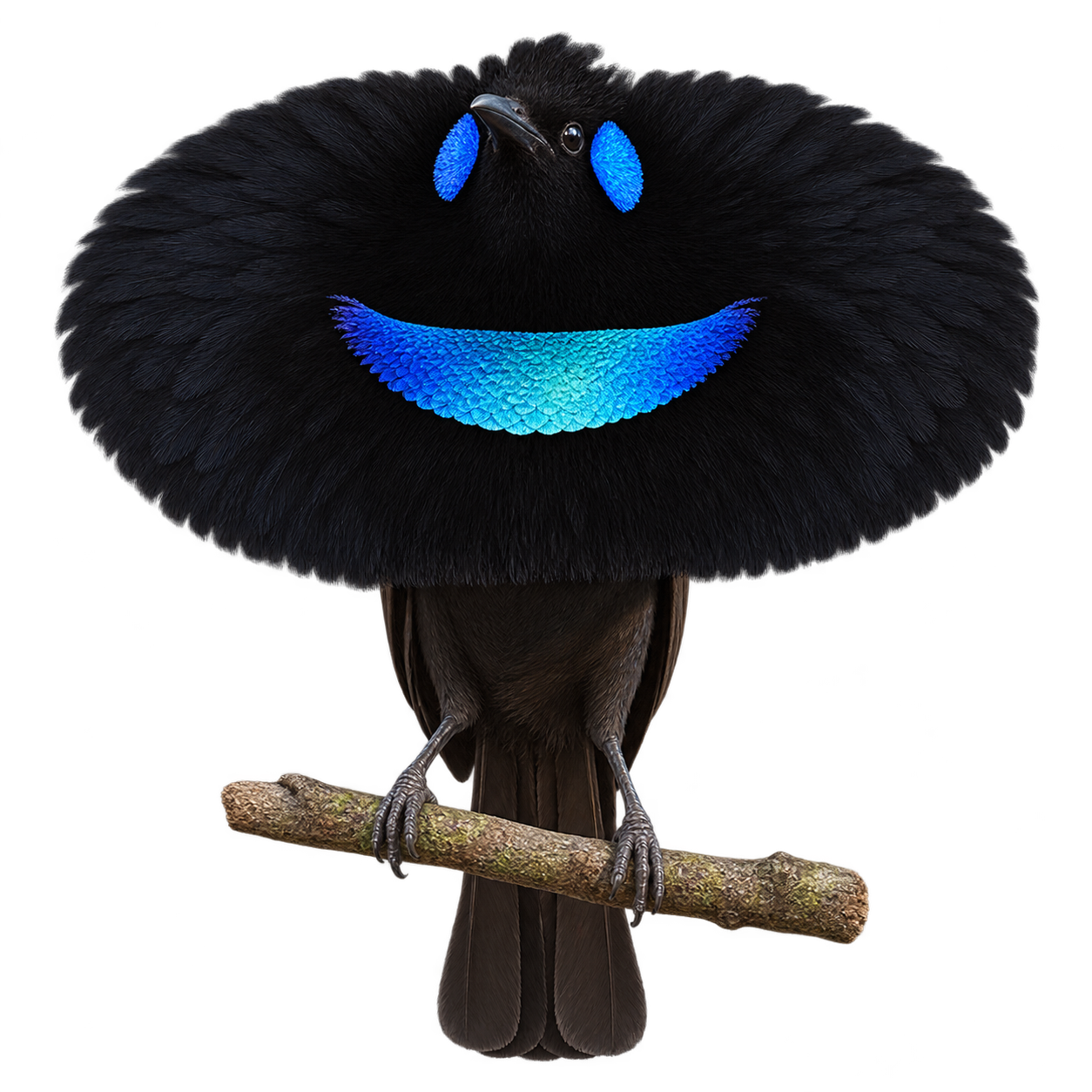
Lophorina superba · New Guinea.
Imagine a scene in the forest: the male opens his black “cloak”, unfurls the shining blue sections of his plumage and turns into a moving figure that looks like a wide smile. No mask from the store - just feathers, light and the exact angle of display.
This form is intended for mating presentation to the female. The blue spots are not new eyes, but an optical pattern of the feather. In nature, dance involves movement and display from different angles; one picture shows only a moment of the performance.
Remember. The “smile” is created by the contrast of black open feathers and iridescent blue areas during courtship.
9. Andean cock-of-the-rock: an orange gathering
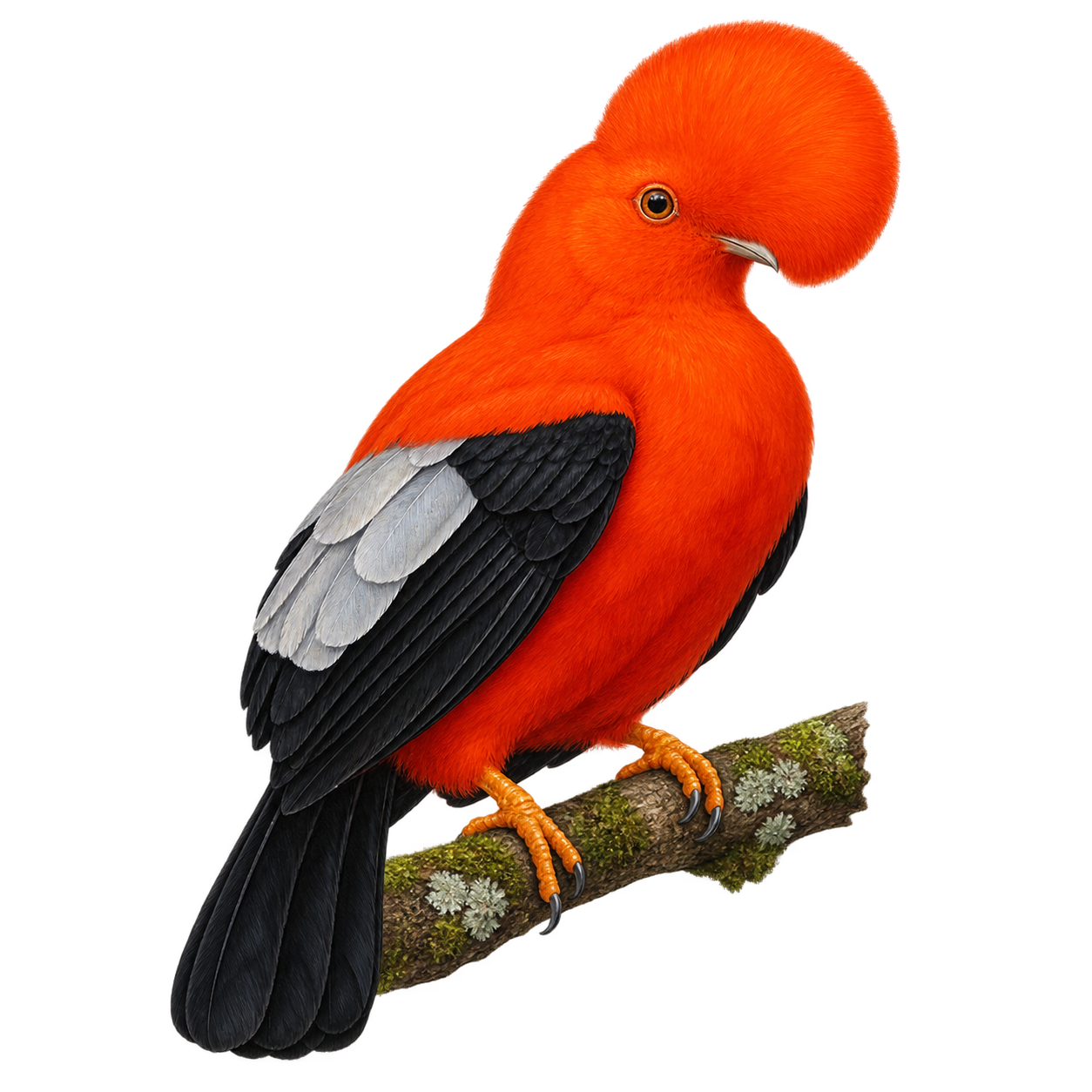
Rupicola peruvianus · Andean montane forests.
His bright crest seemed to be painted with an overly confident brush. Males gather at mating display sites - leks - and demonstrate themselves to females. Noise, movement and orange silhouettes turn the forest area into a concert hall without a poster.
It is important here not to confuse the scene with a family home: after choosing a partner, the female takes care of the nest herself. The male's bright costume helps to impress the lek, but does not give him the responsibility of sitting with the chicks.
Remember. The prominent orange crest belongs to the male, and mating displays take place in common mating areas.
10. Roseate Spoonbill: A Spoon for a Wetland Lunch
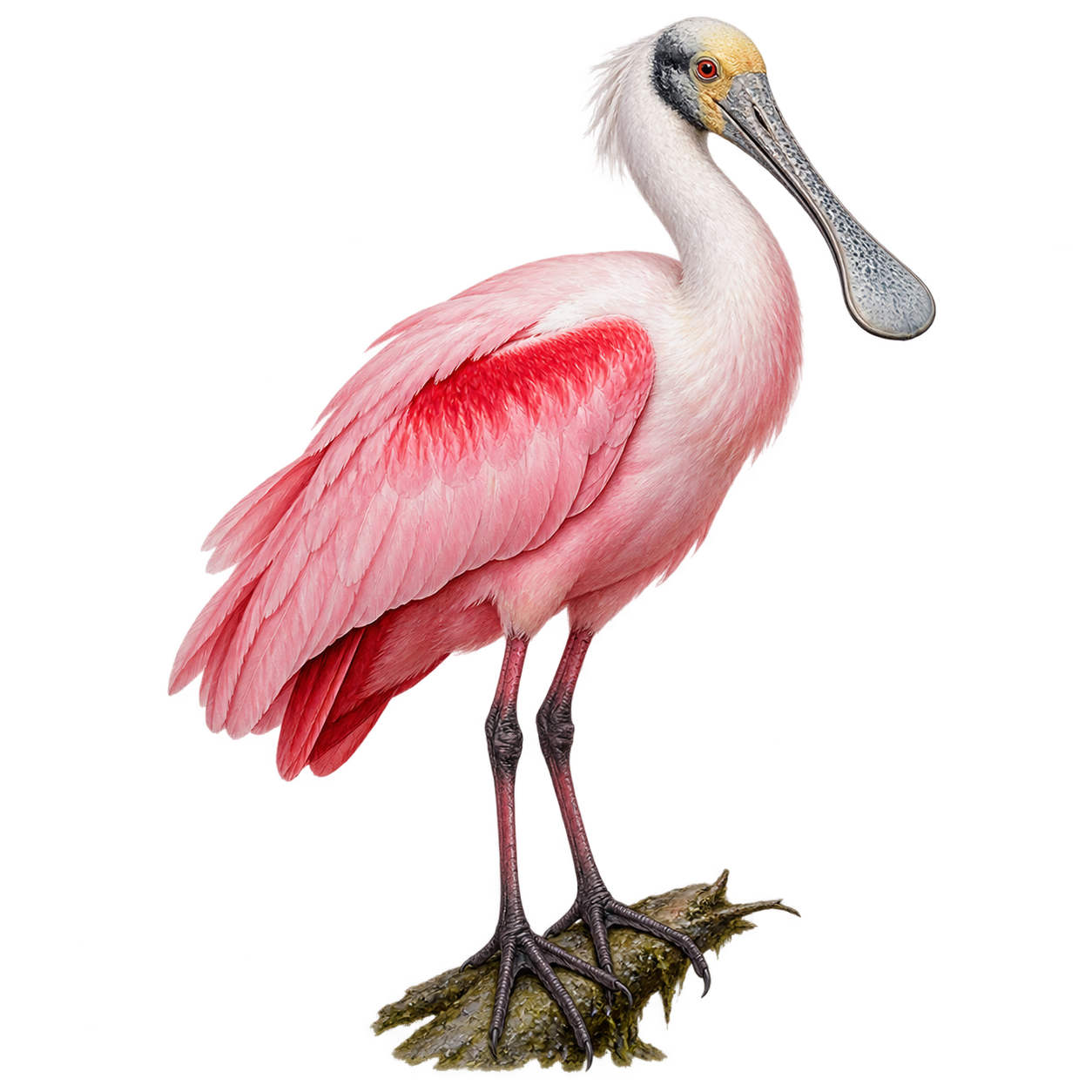
Platalea ajaja · wetlands of the Americas.
The spoonbill wears its “spoon” constantly. It moves its beak from side to side in shallow water and catches small aquatic prey. The pink plumage looks like a holiday filter, but its color is associated with substances obtained from food.
It is easy to confuse it with a flamingo from afar, but its beak gives it away right away. In flamingos it is curved and works differently; The tip of the spoonbill’s beak is widened and looks like a spatula. So the two pink birds ended up with very different dinnerware.
Remember. The spoonbill searches for food by moving its open spoon-shaped beak in the water; pink color is associated with diet.
Ten birds - ten different ways to take a place in the world: dive, freeze, walk, decorate a bower or dance. If you want to check who you remember, there are two short tests below. The illustrations are also available asgifts with mood.